What Are the Best Skin Treatments for Acne Scars?

You did the hard part. You cleared your acne. But the scars stayed. If you’re researching the best treatment for acne scars, you’re not alone, and you’re asking the right question.
There’s no single best pimple scar treatment that works for everyone. The most effective approach depends on your scar type, skin tone, and treatment history. What the research consistently supports: the right combination of professional skin treatments for acne scars can produce significant, lasting improvement.
This guide covers the five most effective treatment categories, the evidence behind each, and how to determine which path is best suited for your skin.
Types of Acne Scars and How To Treat Each
Before evaluating treatments, it helps to understand what you’re working with. Acne scars fall into distinct categories, and each responds differently to treatment.
Atrophic Scars (Boxcar, Ice Pick, Rolling)
Atrophic scars are the most common type. They form when the skin loses collagen during the healing process, leaving depressions on the surface. There are three subtypes:
-
Boxcar scars are broad with defined edges. They respond well to resurfacing treatments like laser and RF microneedling.
-
Ice pick scars are deep and narrow. They’re the most challenging to treat and often require combination therapy.
-
Rolling scars create a wave-like texture caused by fibrous bands tethering skin to deeper tissue. They respond well to treatments that stimulate collagen at depth.
Post-Inflammatory Hyperpigmentation (PIH)
PIH is not a true scar. It’s a pigment response that leaves dark marks where breakouts healed. PIH often fades over time or responds to topical treatments, while structural scars require professional intervention. Several treatments below (particularly chemical peels and certain lasers) address PIH alongside textural scarring.
What Is the Best Treatment for Acne Scars?
For most patients with moderate atrophic scarring, a combination of laser resurfacing and RF microneedling produces the most consistent improvement across clinical studies. Laser resurfacing addresses surface texture and stimulates deep collagen remodeling, while RF microneedling targets scar tissue at adjustable depths with lower risk across all skin tones. The best results typically come from a tailored plan that matches your scar type, skin tone, and goals.
Here’s what the evidence says about each option.
Chemical Peels
Chemical peels use exfoliating acids to accelerate cell turnover and stimulate dermal remodeling. Peel depth determines structural impact — superficial peels target PIH and surface texture, while medium-depth peels reach the papillary dermis for more meaningful scar improvement.
OVME offers chemical peels, including the VI Peel, which uses a blend of acids to address texture, tone, and scarring in a single application.
Evidence: A study in Dermatologic Surgery found medium-depth peels produced measurable improvement in rolling and boxcar scars, particularly in lighter skin tones. Superficial peels are effective for PIH and complement laser or RF microneedling well.
Works well for: Mild atrophic scars, PIH, and overall texture refinement.
Skin tone considerations: Medium-depth peels carry increased PIH risk in Fitzpatrick IV–VI skin tones. Superficial peels are generally well-tolerated across all skin types.
Downtime: 2 to 5 days for superficial peels, 7 to 10 days for medium-depth, with visible improvement typically within 1 to 2 weeks.
PRP + Microneedling
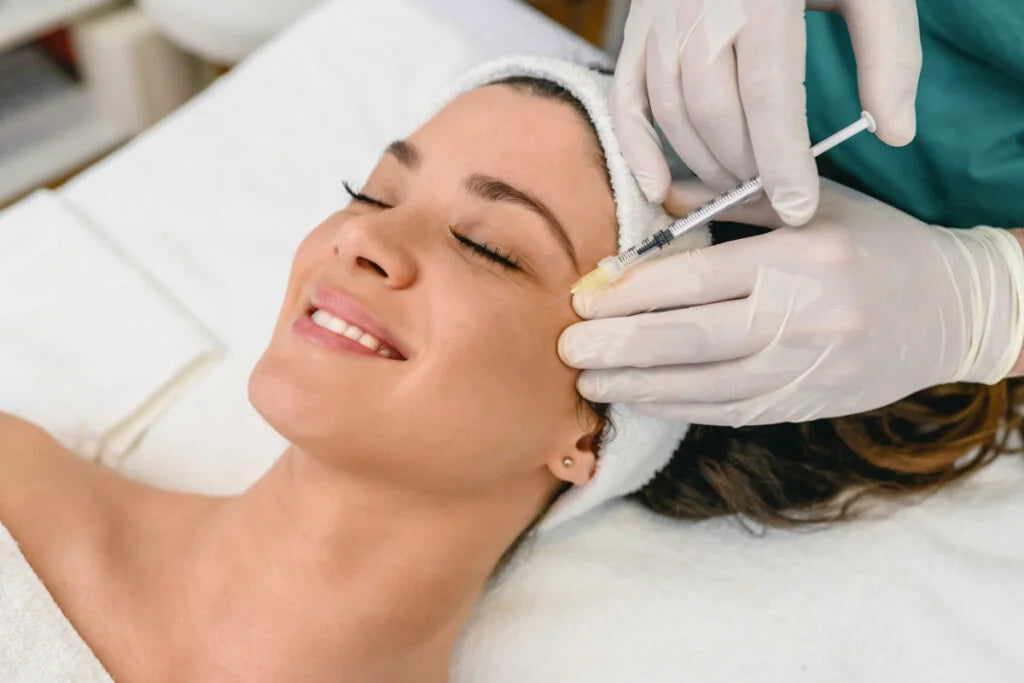
Platelet-rich plasma (PRP) is derived from your own blood through centrifugation, concentrating platelets and their growth factors. When applied during or after microneedling, PRP penetrates open microchannels and amplifies the wound-healing response — accelerating collagen synthesis beyond what microneedling achieves alone.
Evidence: A 2019 randomized controlled trial in the Journal of Cosmetic Dermatology found PRP combined with microneedling produced significantly greater improvement in acne scar severity scores compared to microneedling alone.
OVME offers Under Eye PRP and PRFM Gel treatments. Ask your provider during your consultation whether PRP can be incorporated into your acne scar treatment plan.
Works well for: Mild to moderate atrophic scars. Complements laser resurfacing and RF microneedling in combination protocols.
Downtime: 24 to 48 hours of redness and mild swelling. Most providers recommend 3 sessions, with continued improvement over 3 to 6 months.
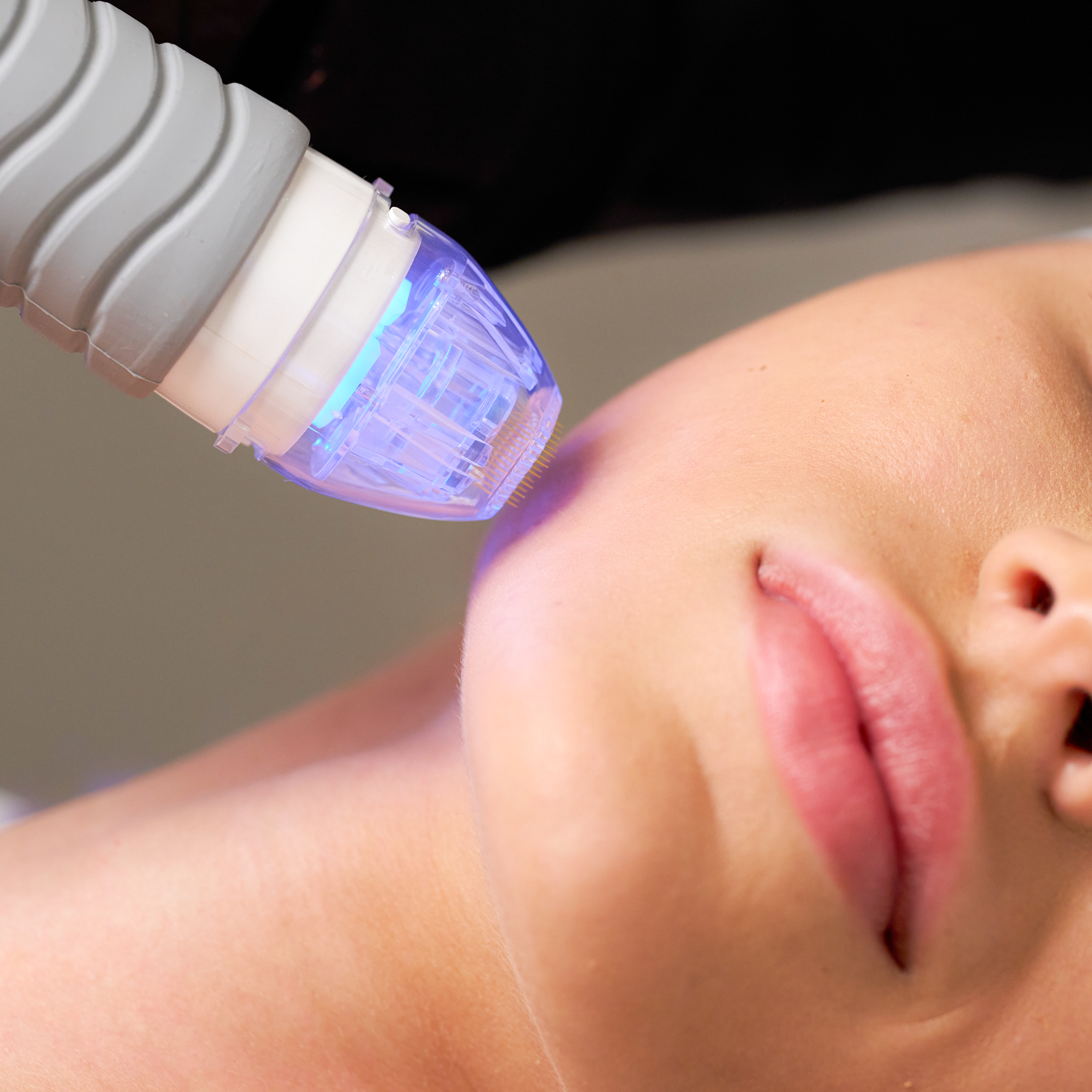
RF Microneedling
RF microneedling is a strong option for acne scars across all skin tones. Because energy is delivered beneath the epidermis rather than at the surface, it carries a significantly lower risk of post-inflammatory hyperpigmentation compared to ablative lasers.
Evidence: A 2021 systematic review in the Journal of Cosmetic Dermatology found RF microneedling produced significant improvement in atrophic acne scar severity scores, with fewer adverse events in darker skin tones compared to ablative laser.
Works well for: All atrophic scar subtypes. Particularly well-suited for Fitzpatrick III–VI skin tones.
Downtime: 24 to 72 hours of redness and mild swelling. Most providers recommend 3 sessions spaced 4 to 6 weeks apart, with continued improvement over 3 to 6 months.
HALO Laser Resurfacing
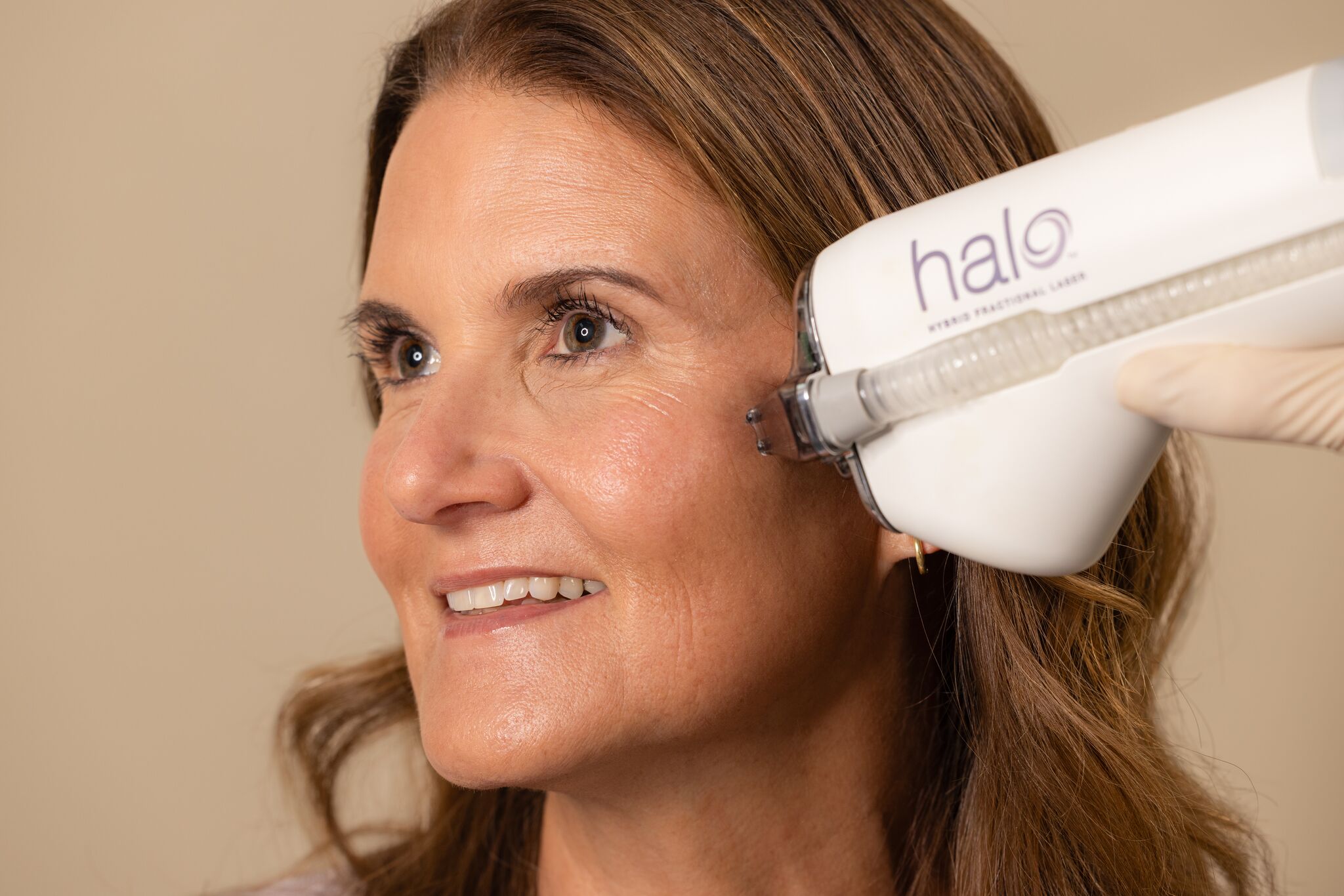
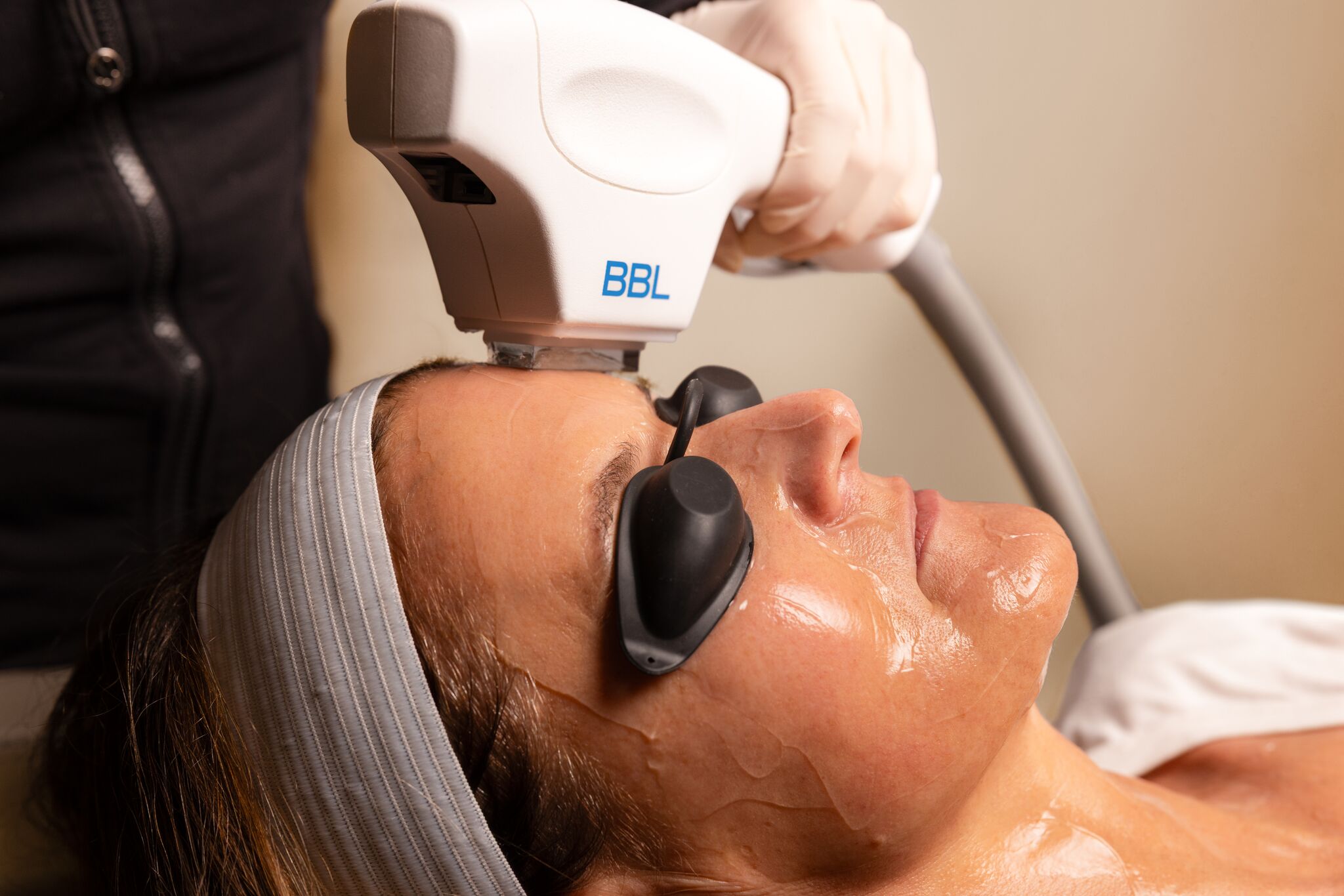
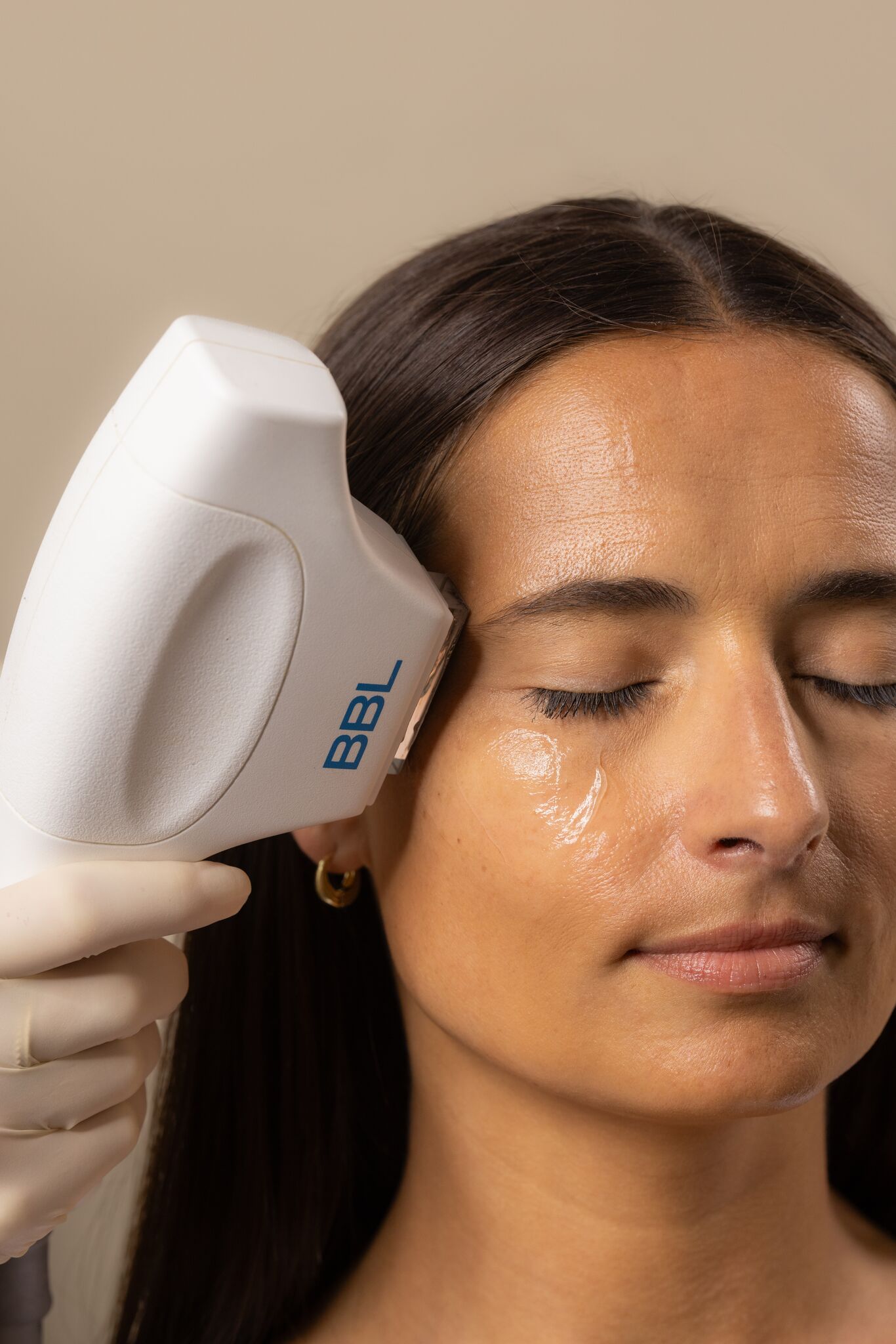
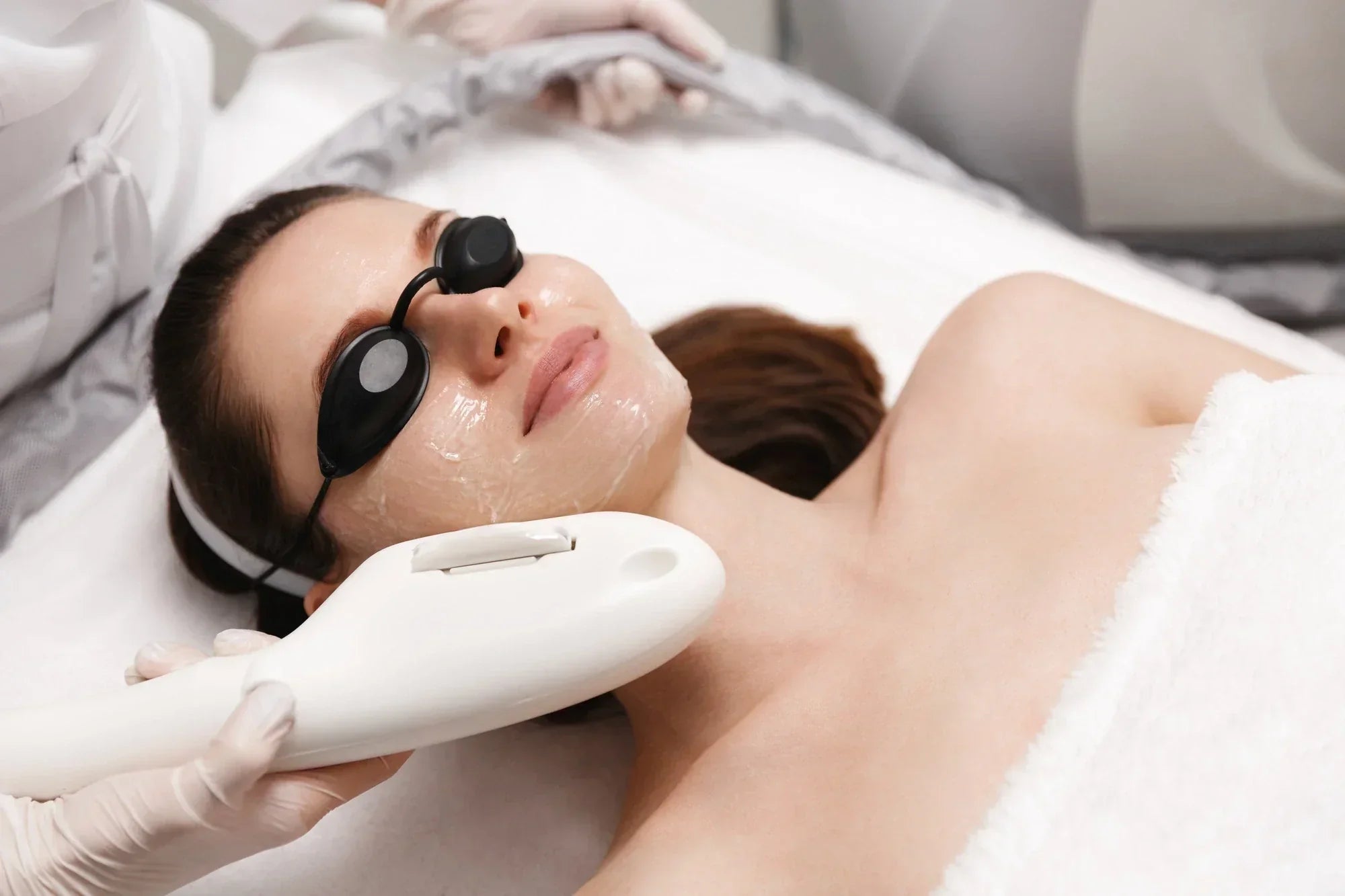
Laser resurfacing is among the most well-studied treatments for acne scars. Fractional laser technology creates controlled micro-columns of injury in the skin, triggering wound-healing and stimulating new collagen production. As treated tissue remodels, scar depth and texture improve.
Ablative fractional lasers remove thin layers of tissue for more aggressive remodeling, while non-ablative fractional lasers heat deeper layers while leaving the surface intact. Hybrid fractional technology — like the HALO laser used for laser resurfacing at OVME — combines both wavelengths for dual-depth treatment in one session.
Evidence: A 2014 meta-analysis in the Journal of Dermatology found fractional CO2 laser produced 51–75% improvement in scar appearance in most subjects. Hybrid fractional lasers show comparable efficacy with shorter recovery.
Works well for: Rolling scars, boxcar scars, PIH, and overall texture refinement.
Skin tone considerations: Ablative modalities carry a higher risk of post-inflammatory hyperpigmentation in darker skin tones (Fitzpatrick IV–VI). Non-ablative fractional options are generally safer across a wider range.
Downtime: 3 to 7 days. Most patients benefit from 2 to 4 sessions, with continued improvement over 3 to 6 months as collagen matures.
Dermal Fillers for Depressed Scars
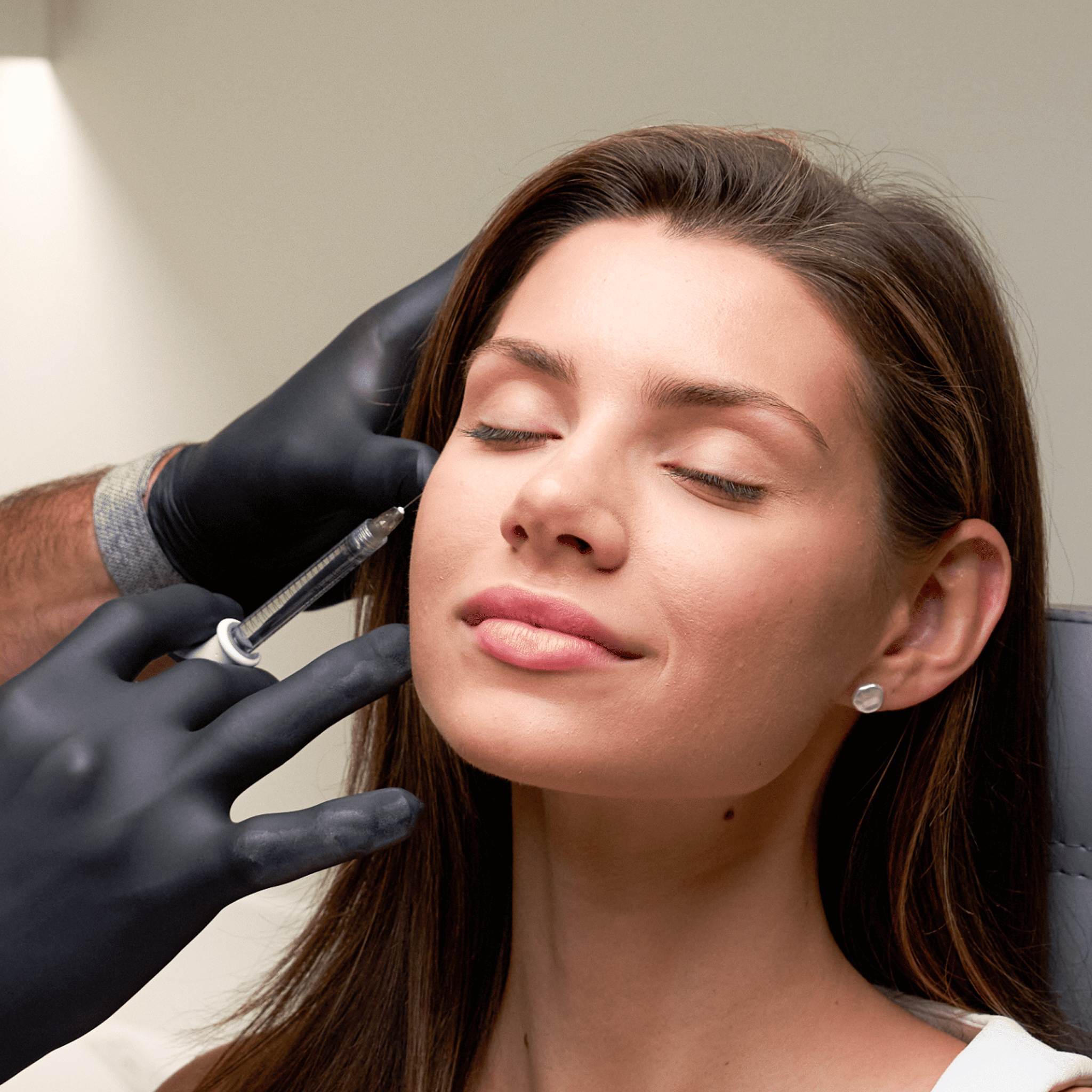
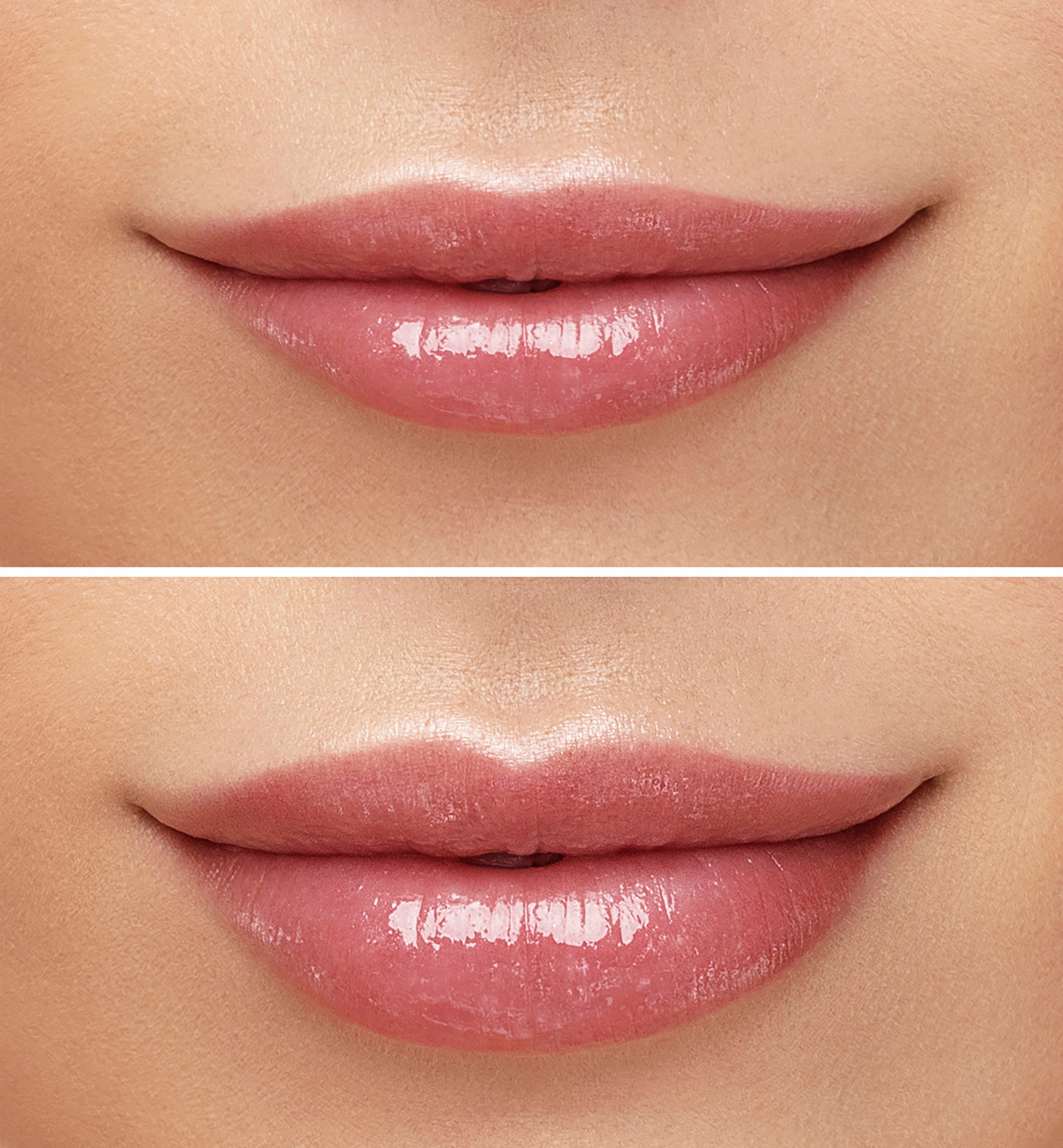
Hyaluronic acid fillers take a different approach: physically lifting depressed scars by adding volume beneath the scar base. Results are immediate, and some research suggests HA fillers may also have secondary collagen-stimulating effects.
OVME carries Juvederm® (Allergan/AbbVie) and Restylane® (Galderma) dermal fillers. For broader volume loss from atrophic scarring, Sculptra® — a collagen biostimulator — stimulates your body’s own collagen production to rebuild structural support over time.
Works well for: Rolling scars and individual depressed boxcar scars. Not typically appropriate for ice pick scars.
Downtime: Minimal, mild bruising or swelling typically resolves within a few days.
The treatment approach depends directly on your scar type:
|
Scar type |
Best treatment options |
|---|---|
|
Boxcar scars |
Laser resurfacing, RF microneedling |
|
Ice pick scars |
Combination therapy (laser + filler + subcision) |
|
Rolling scars |
RF microneedling, PRP + microneedling |
|
PIH (dark marks) |
Chemical peels, topical retinoids |
How to Match the Right Treatment to Your Acne Scar Type
With this many options, the natural question is: where do I start? The answer comes down to three factors.
-
Your scar type. Ice pick scars respond differently from rolling scars, and PIH requires a different approach than structural scarring. A proper assessment is the foundation of any effective plan.
-
Your skin tone. Some modalities, particularly ablative lasers, carry a higher risk of hyperpigmentation in darker skin tones. RF microneedling and superficial chemical peels tend to be safer across a wider range of Fitzpatrick types.
-
Your treatment history. What you’ve already tried matters. If topicals haven’t moved the needle, a more targeted approach may be appropriate.
The clinical standard for moderate to severe acne scarring is combination therapy: using two or more modalities to address different layers of damage. The most significant improvement typically comes from a tailored plan. For a broader look at how these treatments work for overall skin quality, see our guides to skin rejuvenation treatments and skin tightening.
The best starting point is a complimentary consultation with a licensed provider who can assess your scar grade, skin tone, and goals.
At-Home Care to Support Your Acne Scar Treatment
Professional treatments do the heavy lifting, but what you do between sessions matters too. A few acne scar treatment products used consistently at home extend what you gain in-studio.
-
Retinoids (prescription) or retinol (OTC) accelerate cell turnover and support collagen production, helping maintain and extend the texture improvements from in-studio treatments. Start with a lower concentration and build tolerance gradually.
-
Vitamin C serum provides antioxidant protection and can help fade post-inflammatory hyperpigmentation. Look for L-ascorbic acid formulations at 10-20% concentration.
-
Daily SPF is non-negotiable. UV exposure can darken PIH and slow healing after laser or peel treatments. Medical-grade sunscreen protects your investment in professional care.
-
Combining treatments over time produces the best results. Most providers recommend a phased approach: start with the treatment that addresses your most prominent scar type, then layer in complementary modalities as your skin heals and responds.
Your provider can recommend specific products that complement your treatment plan. Browse medical-grade skincare at OVME.
What to Expect at Your Acne Scar Consultation
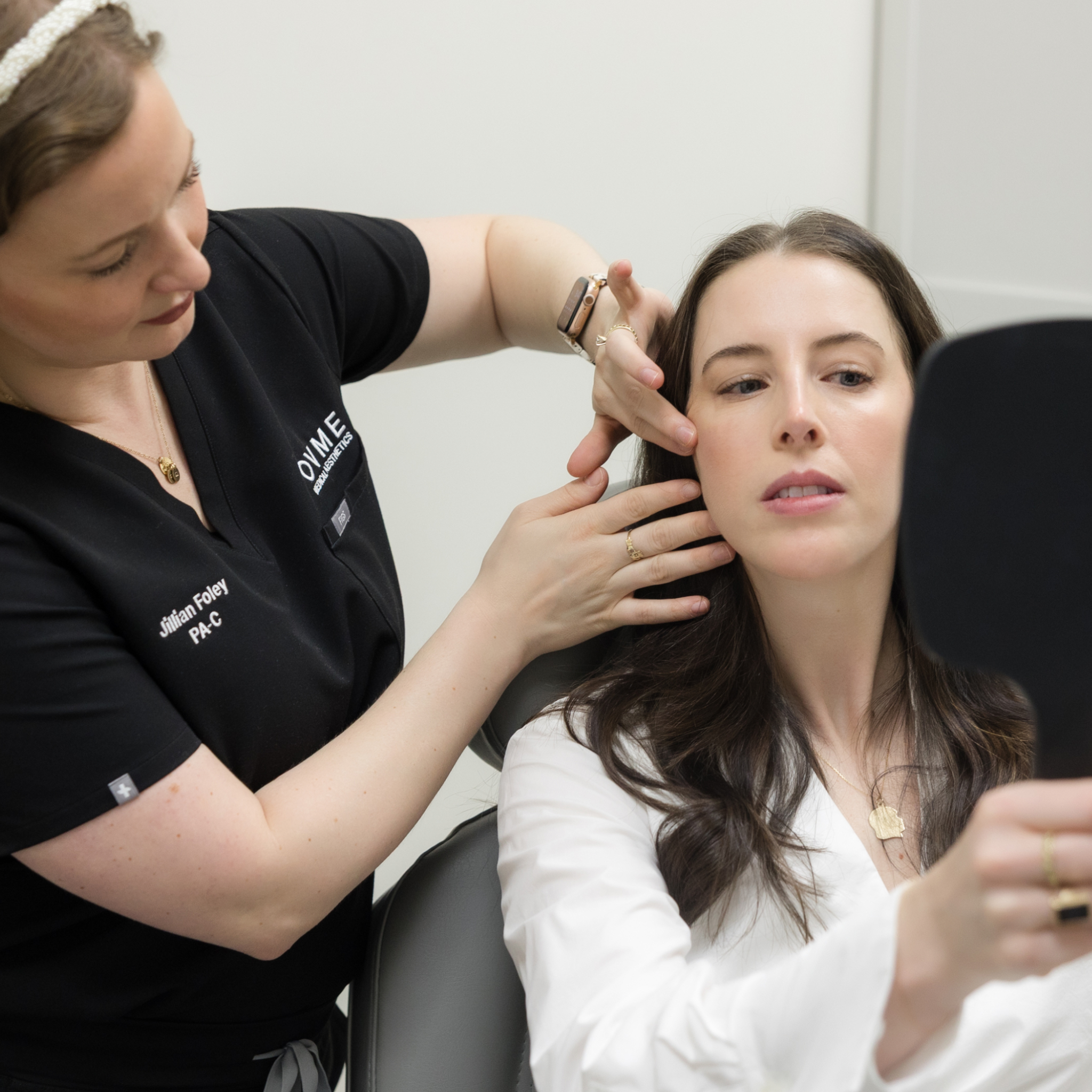
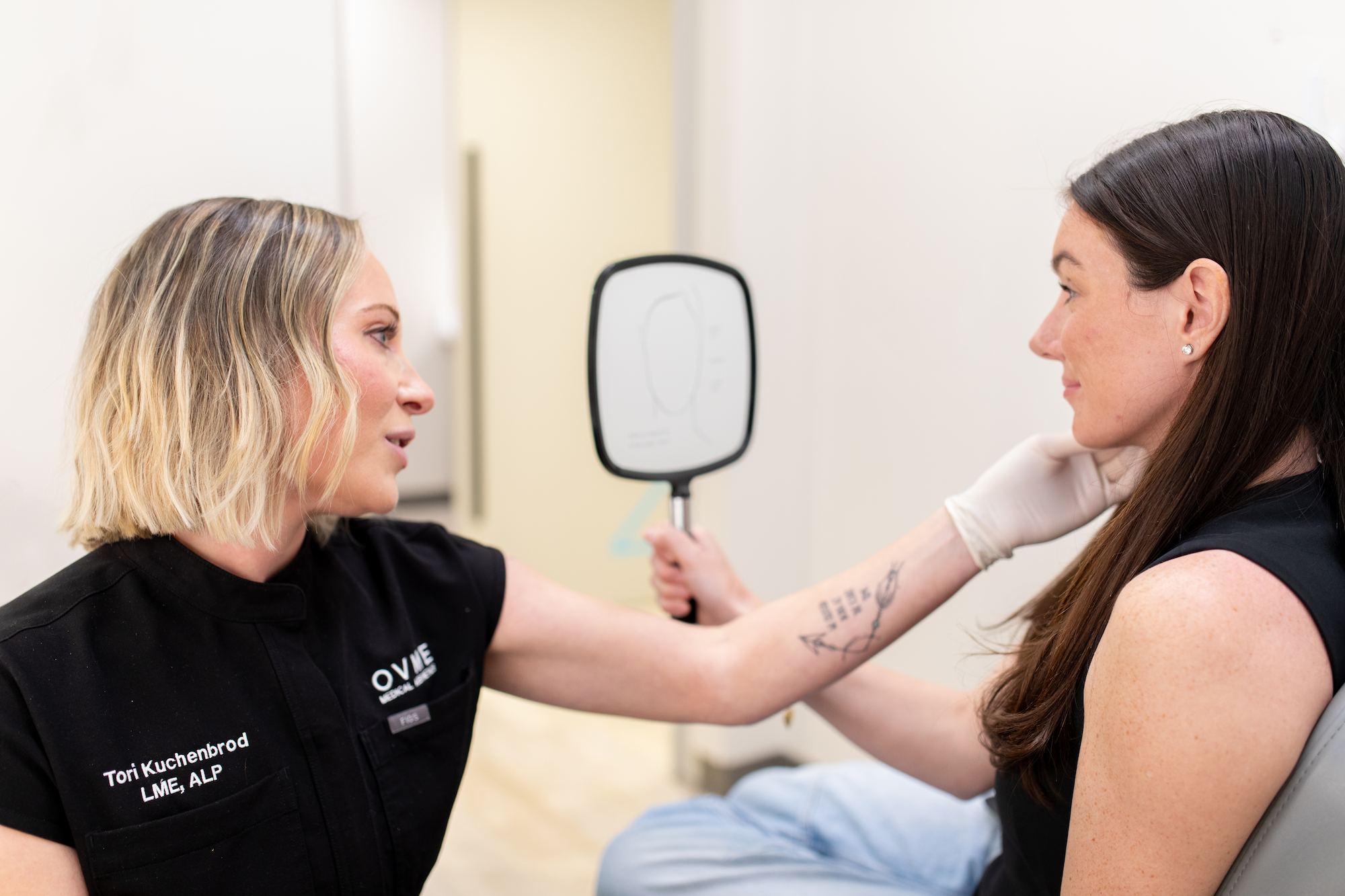
Acne scar consultations at OVME start differently from most skin treatment conversations. Your provider will assess your specific scar types, their depth and distribution, your skin tone, and any previous treatments you’ve tried. That assessment is what determines whether you need laser resurfacing, RF microneedling, a combination approach, or a different starting point entirely.
Because OVME carries the full range of treatment options across 27+ studios, your provider isn’t limited to recommending whatever device happens to be available. Treatments are performed by registered nurses, nurse practitioners, and physician assistants, all supervised by medical directors who are board-certified plastic surgeons.
If you’ve been living with acne scars and aren’t sure where to start, a complimentary consultation is the most efficient next step. You can also book appointments and manage treatments through the OVME app.
Frequently Asked Questions
Can acne scars be completely removed?
Complete removal depends on scar type and depth. Shallow atrophic scars — especially rolling and early boxcar scars — often respond well to treatments like laser resurfacing or RF microneedling and may become nearly imperceptible. Ice pick scars and deeply tethered rolling scars typically see significant improvement rather than full elimination. Patience is a priority when treating scars — they’re stubborn by nature, and meaningful improvement comes from a combination therapy approach and realistic expectations over a treatment series.
What is the quickest way to reduce acne scars?
There’s no instant solution for acne scars, but some treatments show visible results more quickly than others. Dermal fillers can immediately lift depressed scars, while laser resurfacing typically produces noticeable texture improvement within 2 to 4 weeks as initial healing resolves. For the most significant long-term results, a series of treatments — often combining modalities — is the clinical standard.
Is laser or microneedling better for acne scars?
Both are effective, and the right choice depends on your scar type, skin tone, and downtime tolerance. Laser resurfacing produces strong results for rolling and boxcar scars, especially in lighter skin tones. RF microneedling is generally better tolerated across all skin tones and carries a lower risk of post-inflammatory hyperpigmentation. Many providers recommend a combination of both for comprehensive improvement.
How many treatment sessions are needed for acne scars?
Most providers recommend 3 to 6 treatments spaced 4 to 6 weeks apart, depending on scar severity and the treatment used. Significant improvement continues to develop for 3 to 6 months after each session as new collagen matures. A consultation with a licensed provider is the best way to map out a realistic plan for your skin.
Does microneedling with PRP work better than microneedling alone for acne scars?
Research suggests yes. Studies comparing microneedling with PRP to microneedling alone have found greater improvement in acne scar severity scores when PRP is added. The growth factors in PRP appear to amplify the collagen-stimulating response triggered by microneedling. Combination protocols are generally preferred for moderate to severe atrophic scarring.
Medically reviewed by: Iman Shamloul, Senior Director, Clinical Talent Development
Last medically reviewed: May 20th, 2026
Keep on reading