Top 5 Injectables for Fine Lines and Wrinkles: Which Is Right for You?
You’ve already decided injectables are the right direction for your fine lines and wrinkles. That’s the easy part. The harder question: which injectable?
With neuromodulators, dermal fillers, biostimulators, and skin boosters all available, it can be difficult to know where to start. The reality is that no single injectable addresses every type of line or wrinkle. What works for expression lines is different from what works for volume loss, and the best results often come from a thoughtful approach that considers what’s actually driving your concerns.
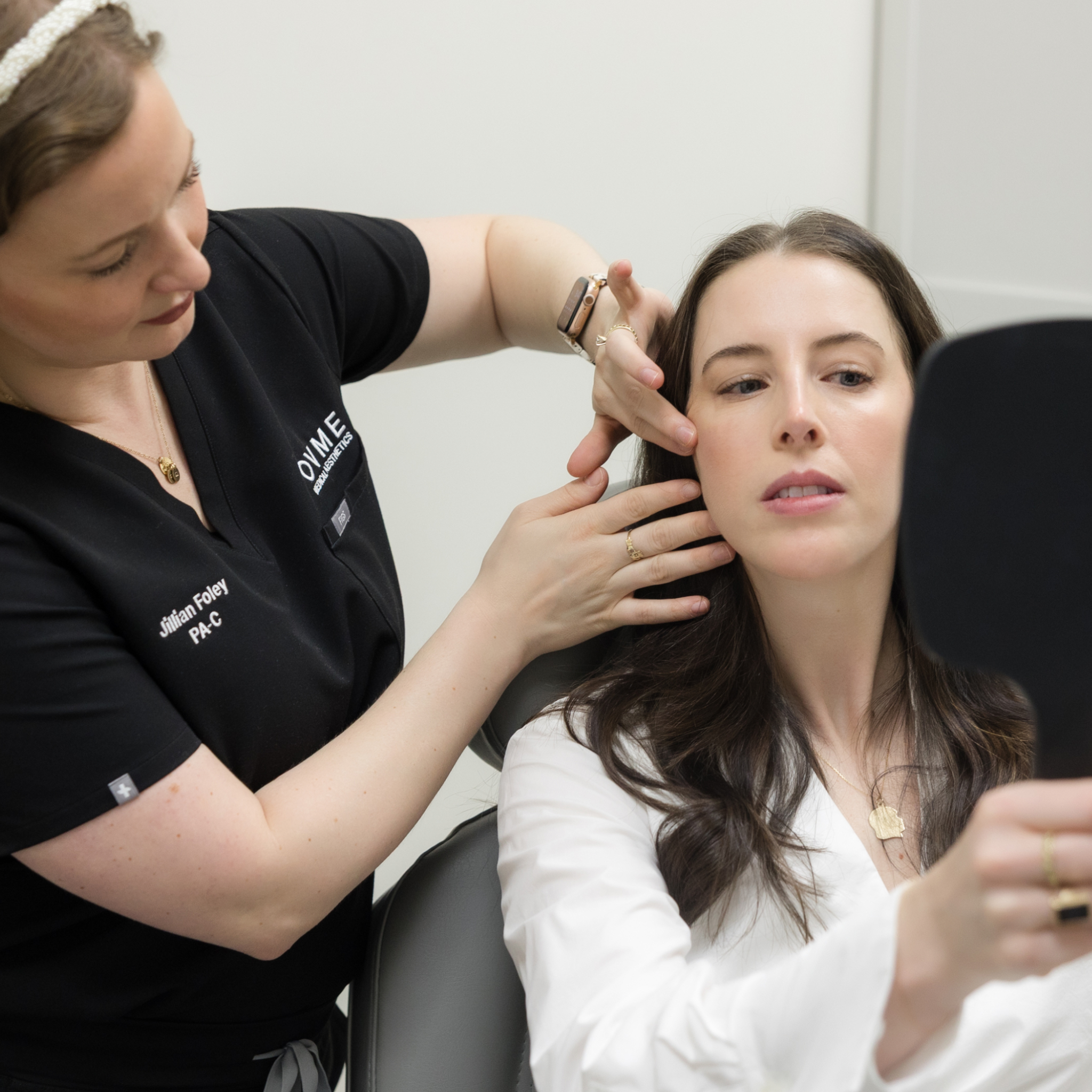
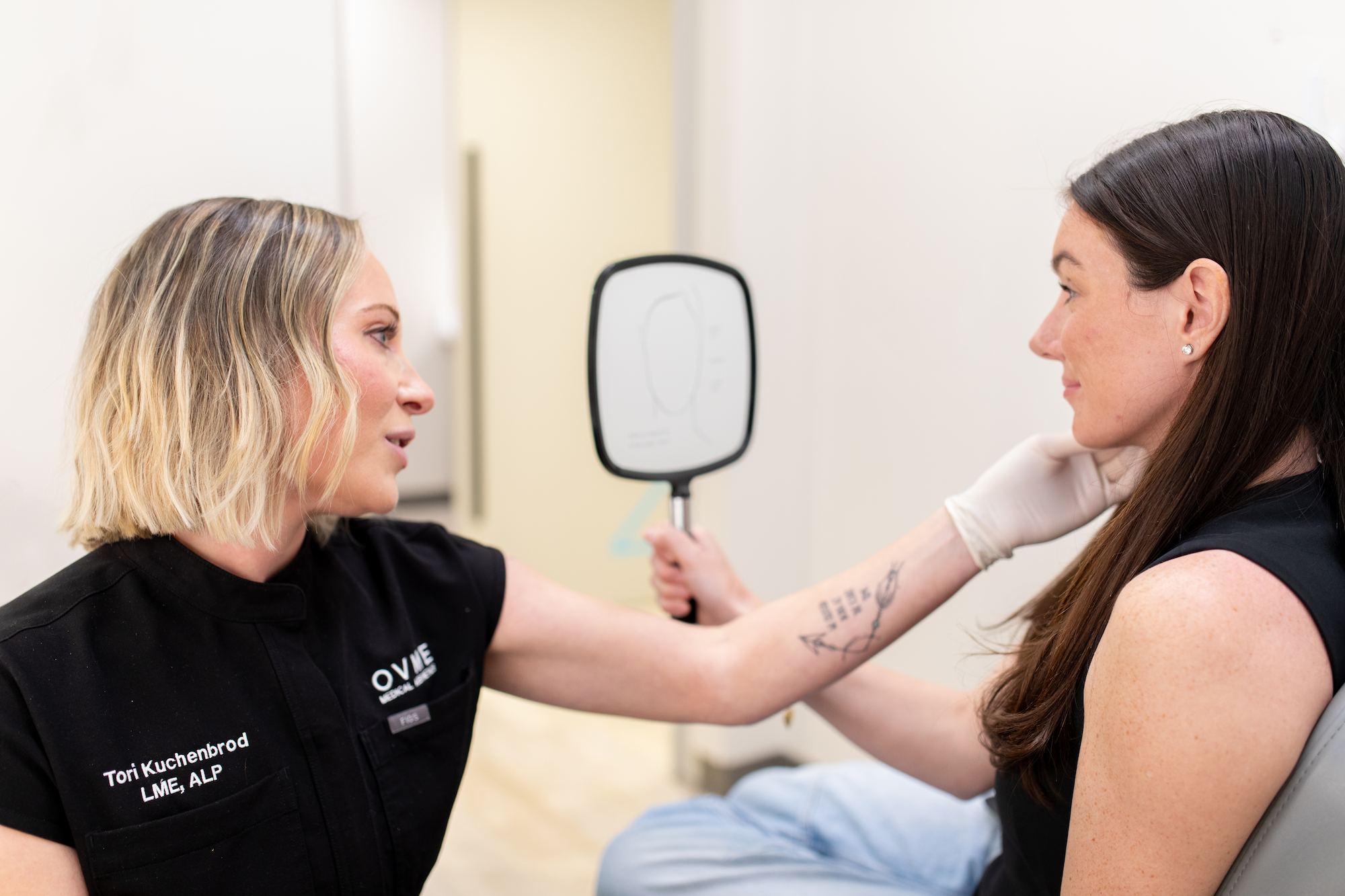
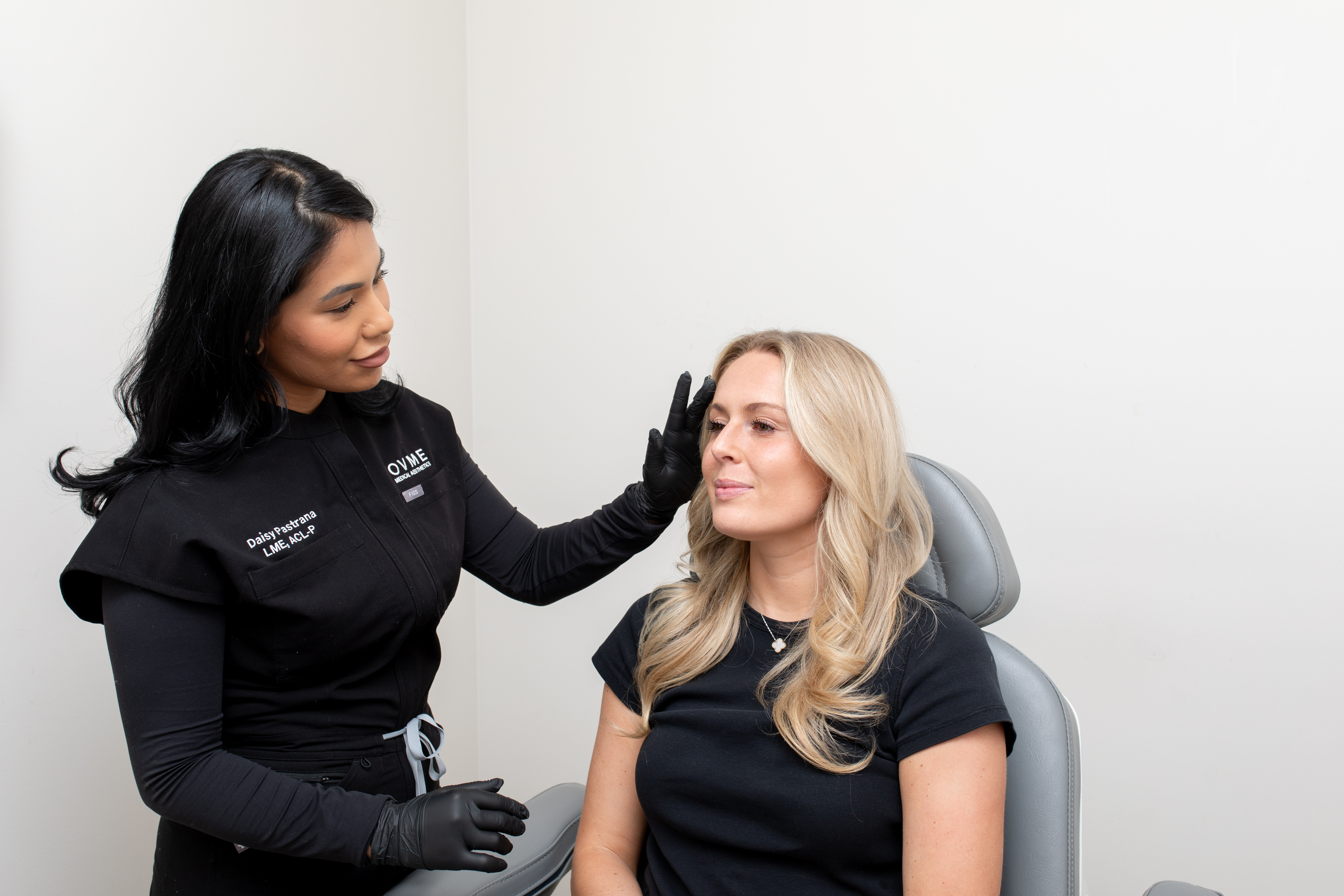
That’s why providers at studios like OVME, a medical aesthetics company with 27+ locations nationwide, start every consultation by discussing your goals and assessing your face before recommending a treatment. With the full range of injectables available and all treatments performed by licensed medical professionals, the recommendation is based on your anatomy and goals. If you’re also exploring non-injectable options like lasers, RF microneedling, and chemical peels, OVME’s guide to wrinkle reduction treatments covers the full spectrum.
Here’s what you need to know about the best injectables for wrinkles and how to figure out which one is right for you.
How to Match Your Concerns to the Right Injectable
Not all fine lines have the same cause. Understanding what’s behind your specific concerns helps your provider recommend the most effective treatment, and it helps you feel confident about the plan.
Here’s how experienced providers think about matching injectables to concerns:
Expression Lines → Neuromodulators
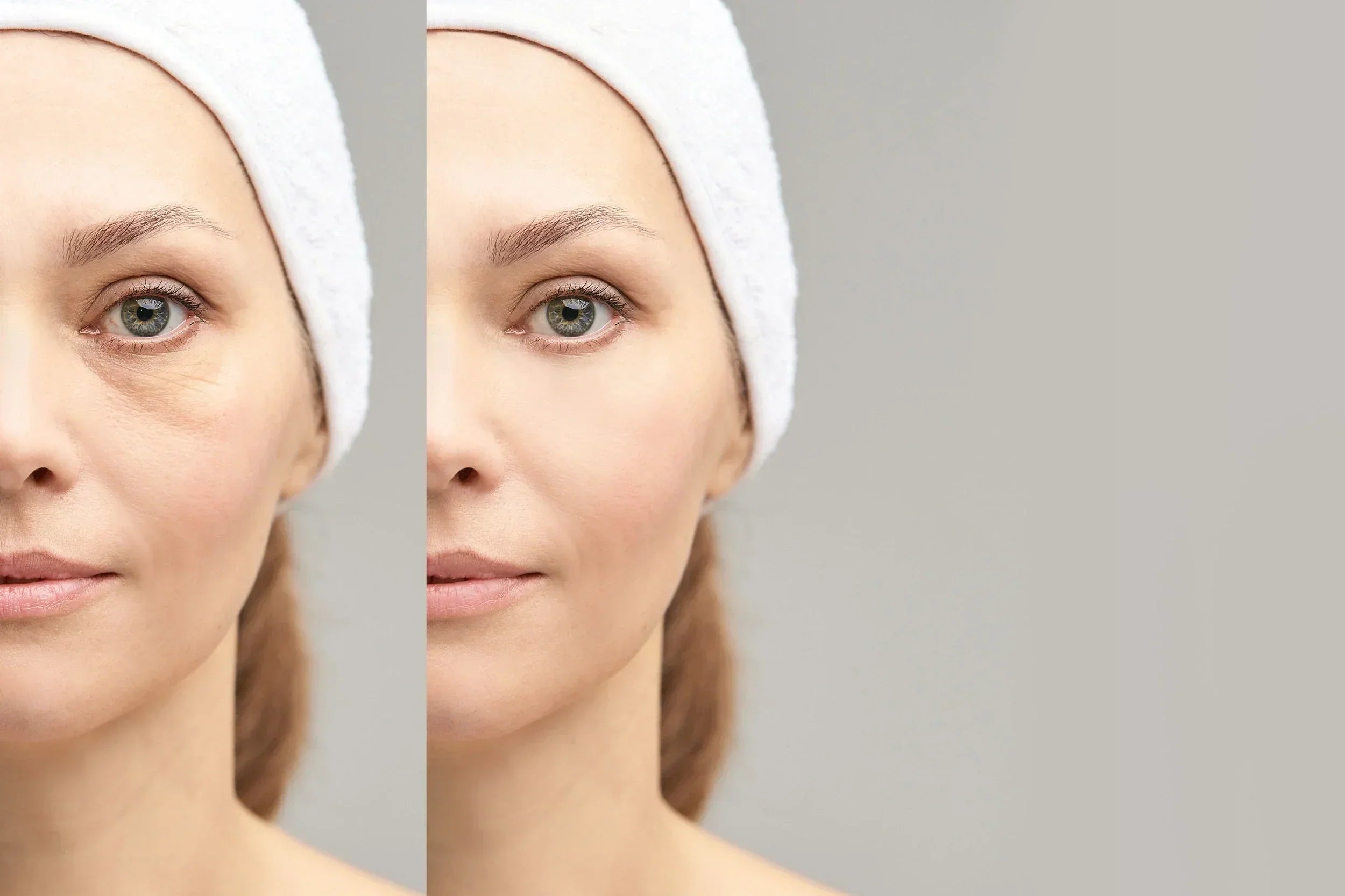
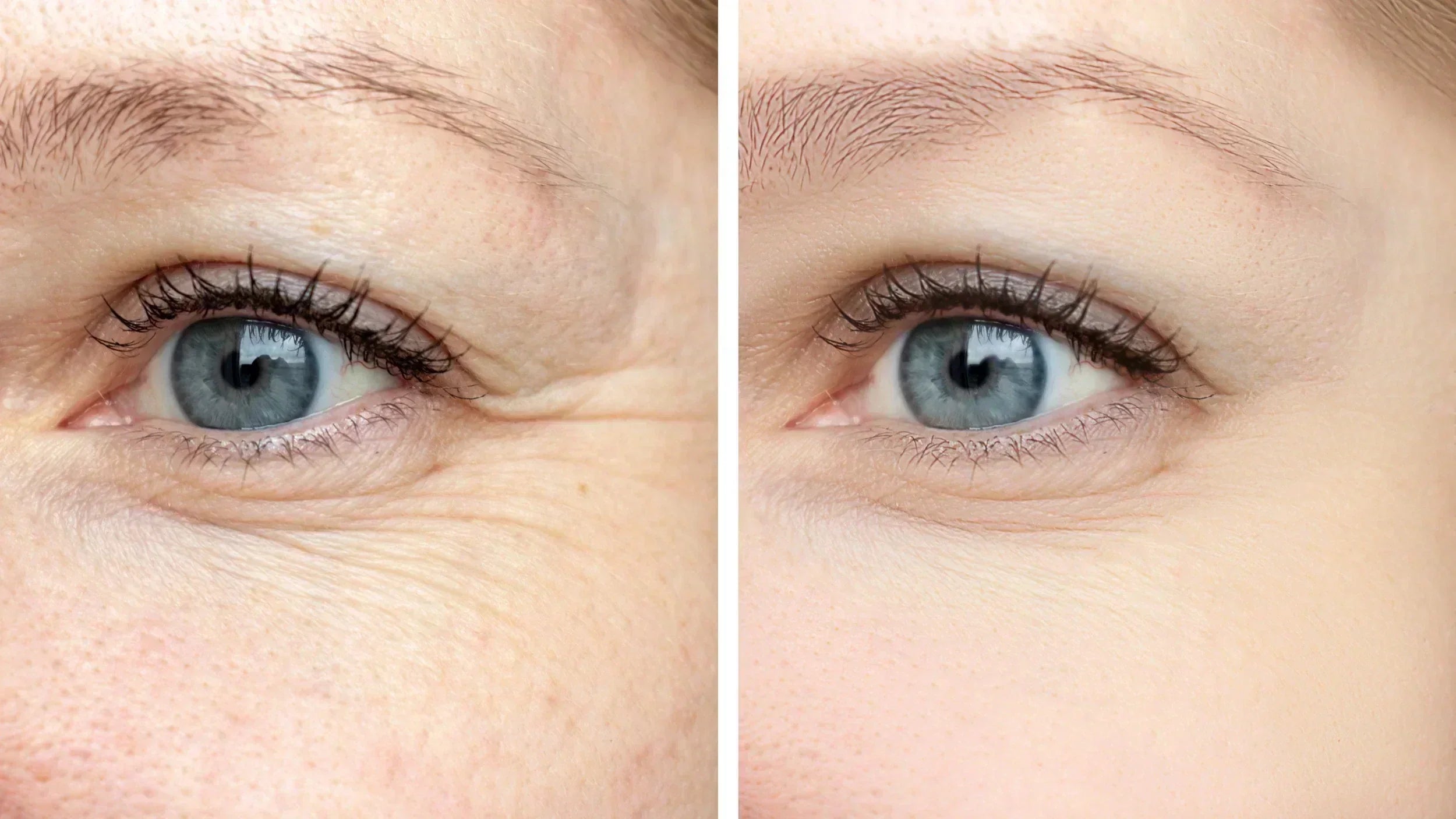
Expression lines are caused by repeated muscle movement over time: frowning, squinting, raising your eyebrows. Neuromodulators like Botox® and Dysport® temporarily relax the targeted muscles, softening these lines. When used preventatively, they can also help keep expression lines from deepening into permanent creases.
Volume Loss and Deeper Lines → Dermal Fillers
As we age, the face loses volume due to collagen loss, fat pad changes, and the gradual thinning of skin. This can create deeper lines, hollowing, and changes in facial contour. Dermal fillers restore volume and structure, but they’re most effective as part of a broader approach. In the upper face especially, lines that seem like volume loss may actually be driven by repetitive muscle movement, and neuromodulators may be the better starting point.
Volume Loss and Structural Changes → Biostimulators
As collagen production slows and fat pads deflate and descend, the face can lose its underlying support structure. Biostimulators like Sculptra® stimulate your body’s own collagen production, gradually rebuilding that foundation over several months.
Overall Skin Quality → Skin Boosters
Some fine lines reflect changes in skin hydration, elasticity, and overall quality rather than muscle movement or volume loss. Skin boosters like Skinvive® deliver hyaluronic acid microdroplets directly into the dermis, improving smoothness and hydration from within.
5 Top Injectables for Fine Lines and Wrinkles
With that framework as your guide, here are the 5 most effective injectables for fine lines and wrinkles, organized by the concern each one addresses.
1. Botox® — The Most Widely Trusted Neuromodulator
Botox® is the most recognized injectable in the world. It works by temporarily blocking the nerve signals that cause targeted facial muscles to contract, softening the expression lines that form above them. Botox is FDA-approved to temporarily improve moderate to severe frown lines, forehead lines, and crow’s feet.
What to Know
-
Results typically visible within 3 to 7 days, with full effects by day 14
-
Duration averages 3 to 4 months
-
In clinical studies, 90% of patients reported being very satisfied or mostly satisfied following treatment across two upper-face areas
Best For
-
Crow’s feet and fine lines around the eyes
-
Frown lines between the brows (glabellar lines)
-
Forehead lines from raising the eyebrows
-
Patients who want precise, targeted treatment
Explore Botox and Dysport at OVME for details on what a treatment appointment looks like.
2. Dysport® — Faster Onset for Broader Treatment Areas
Dysport® is a neuromodulator that works through the same mechanism as Botox, temporarily relaxing the muscles that drive expression lines.
What to Know
-
FDA-approved for frown line
-
In clinical studies, 95.6% of patients showed meaningful improvement in frown line severity at Day 30
-
Duration is typically 3 to 4 months
-
Wider diffusion pattern covers broader treatment areas efficiently
Best For
-
Forehead lines across a wider surface area
-
Patients who want faster visible results (2 to 3 days vs. 3 to 7 with Botox)
-
Frown lines between the brows
For a detailed comparison, see OVME’s Dysport vs. Botox guide.
3. Dermal Fillers (Hyaluronic Acid) — For Volume Loss and Contouring
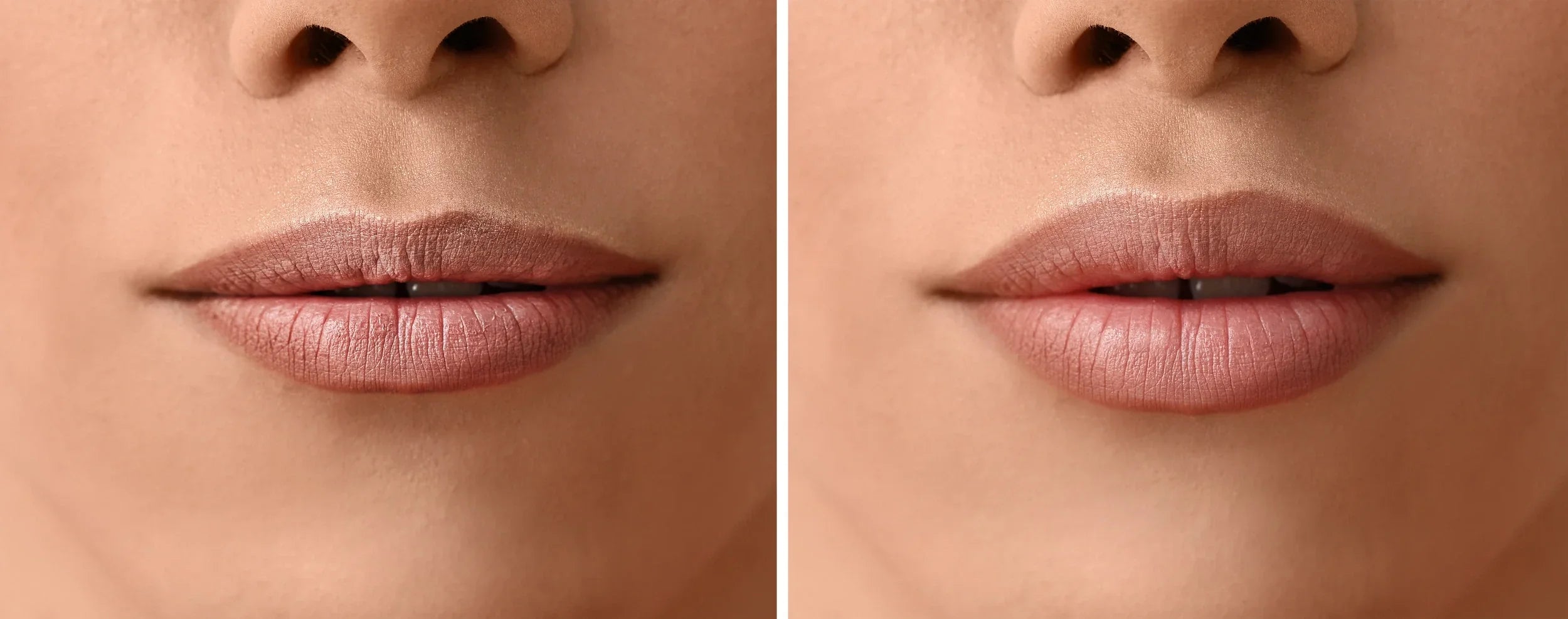
Dermal fillers restore volume, enhance contours, and address lines and folds that are present at rest. The most widely used fillers are hyaluronic acid (HA)-based, and your provider selects the specific formulation based on your facial anatomy and treatment goals.
What to Know
-
Results are visible immediately
-
Duration typically 6 to 18 months depending on filler type and treatment area
-
HA fillers are reversible with an enzyme called hyaluronidase if needed
Best For
-
Nasolabial folds (lines from nose to mouth)
-
Marionette lines (lines from mouth to chin)
-
Cheek volume restoration
-
Under-eye hollows
-
Patients who want immediate, visible results
Your provider will recommend the specific filler formulation that matches your anatomy and goals during your complimentary consultation. Learn more about dermal filler treatments at OVME.
4. Sculptra® — The Collagen-Building Biostimulator
Sculptra® is fundamentally different from every other injectable on this list. It’s not a filler, and it doesn’t work by relaxing muscles. Sculptra is a biostimulator made from poly-L-lactic acid (PLLA) that stimulates your body’s own collagen production over time.
Rather than adding volume directly, Sculptra triggers a gradual rebuilding process beneath the skin. Results develop over 1 to 3 months as new collagen forms, and they can last up to 2 years. In clinical data, 95% of patients showed improved skin glow 2 years after treatment.
What to Know
-
Results develop gradually over 1 to 3 months
-
Duration up to 2 years
-
Most people need 2 to 3 treatment sessions spaced 4 to 6 weeks apart
Best For
-
Hollowing in the temples or cheeks
-
Broad facial volume loss
-
Overall thinning of the face that makes wrinkles and folds more pronounced
-
Patients who’ve experienced facial volume changes during weight management journeys
-
Those who prefer gradual, natural-looking results over immediate changes
Explore Sculptra at OVME for more on how this treatment works.
5. Skinvive® — The First FDA-Approved Skin Booster
Skinvive® represents a newer category of injectable: the skin booster. It’s the first and only FDA-approved hyaluronic acid microdroplet injectable in the United States, and it works differently from traditional fillers.
Rather than adding volume or targeting specific wrinkles, Skinvive improves overall skin smoothness, hydration, and glow by delivering hyaluronic acid microdroplets directly into the dermis. It’s designed for patients whose primary concern is skin quality, including hydration, texture, and radiance that topical products alone haven’t addressed.
What to Know
-
Results typically last about 6 months
-
Does not change facial shape or volume
-
Complements neuromodulators or fillers rather than replacing them
Best For
-
Skin that looks dull, dehydrated, or uneven in texture
-
Patients who want overall skin quality improvement
-
A complement to other injectable treatments for a more comprehensive result
Learn more about Skinvive at OVME.
When to Start Injectables for Wrinkle Prevention
One of the most common questions about injectables isn’t “which one?” but “when?”
There’s no universal age to start, but here’s what most experienced providers recommend:
Preventative neuromodulators (mid-to-late 20s to early 30s): If you’re interested in keeping expression lines from becoming permanent, preventative neuromodulator treatments can help. The goal is to start before repetitive muscle movement has created deeper, set-in lines.
Dermal fillers (30s to 40s, as needed): Volume loss and deeper lines typically become more noticeable in the mid-30s and beyond. Fillers address concerns that have already developed rather than preventing future ones.
Biostimulators (30s to 40s+): Sculptra and other collagen stimulators are well-suited for patients noticing broader structural changes in facial volume and skin quality.
The right time to start is highly individual. It depends on your skin, genetics, lifestyle, and goals. A complimentary consultation with a licensed provider is the most reliable way to assess where you are and what makes sense for you.
What to Expect: Downtime and Recovery
One of the reasons injectables are so popular for addressing fine lines is that they fit into real life. Here’s what to expect after each category:
Neuromodulators (Botox, Dysport): Minimal downtime. Most people return to normal activities the same day. You may notice mild redness or tiny bumps at injection sites that typically resolve within a few hours. Avoid rubbing the treated area and strenuous exercise for 24 hours.
Dermal fillers: Mild bruising and swelling are common, usually resolving within 3 to 5 days. Some patients experience tenderness at injection sites. Most daily activities can resume immediately, though some people prefer to schedule filler appointments before a low-key day.
Sculptra: Mild swelling at injection sites for 1 to 3 days. Your provider may recommend massaging the treated area for several days following treatment to help distribute the product evenly.
Skinvive: Minimal downtime, similar to neuromodulators. Minor redness at injection points typically fades the same day.
No injectable wrinkle treatment requires significant recovery time, but “minimal downtime” doesn’t mean “zero.” Your provider will share specific aftercare instructions tailored to your treatment plan.
Find the Right Injectable for Your Wrinkles at OVME
Choosing the right injectable starts with understanding your concerns, and that’s exactly where an OVME consultation begins.
Every OVME consultation is complimentary and led by a licensed provider. Your provider will assess your concerns, skin condition, and goals, then recommend a treatment approach that may include one injectable or a thoughtful approach using multiple categories. Because OVME studios carry the full range of injectables, the recommendation is based on what your face actually needs.
OVME’s providers are registered nurses, nurse practitioners, and physician assistants, all supervised by medical directors that are board certified plastic surgeons. With the OVME mobile app, you can book appointments and manage your treatments on your schedule.
Ready to find out which injectables are right for your wrinkles? Find an OVME studio near you and book a complimentary consultation. Explore pricing before your visit.
Frequently Asked Questions
What are the most popular injectable treatments for wrinkle reduction?
Neuromodulators like Botox and Dysport are the most popular injectables for wrinkles, with over 4.7 million botulinum toxin procedures performed in the US in 2024. Dermal fillers are the second most requested category, restoring volume to smooth wrinkles and deeper facial creases. Biostimulators like Sculptra and skin boosters like Skinvive are also growing in popularity for their longer-lasting and skin-quality-focused results.
Do injectables for wrinkles require any downtime?
Most injectable wrinkle treatments involve minimal downtime. Neuromodulators like Botox and Dysport typically allow same-day return to normal activities, with minor redness resolving within hours. Dermal fillers may cause mild bruising and swelling lasting 3 to 5 days. Biostimulators and skin boosters generally involve 1 to 3 days of mild swelling. Your provider will share specific aftercare instructions during your consultation.
What’s the difference between Botox and filler for wrinkles?
Botox and other neuromodulators relax the muscles that cause dynamic wrinkles, lines that appear during expressions like frowning or squinting. Dermal fillers add volume beneath the skin to address volume loss, contour, and lines that are visible at rest. They address different concerns and are often used together for comprehensive results. A complimentary consultation is the best way to determine which approach fits your specific goals.
How does OVME personalize injectable treatments for wrinkles?
Every OVME consultation starts with a licensed provider assessing your concerns, skin condition, and goals. Because OVME studios carry the full range of injectable options — neuromodulators, dermal fillers, biostimulators, and skin boosters — providers recommend based on your anatomy rather than being limited to one product category. All treatments are performed by registered nurses, nurse practitioners, and physician assistants, all supervised by medical directors that are board certified plastic surgeons.
What are the most effective injectables for wrinkle reduction?
The most effective injectable depends on what’s driving your concerns. For expression lines, neuromodulators like Botox and Dysport deliver the most targeted results. For volume loss and deeper lines, hyaluronic acid dermal fillers provide results lasting 6 to 18 months. For gradual collagen rebuilding, biostimulators like Sculptra offer results lasting up to 2 years. The most comprehensive approach often uses multiple injectable types tailored to your goals.
Medically reviewed by: Iman Shamloul, Senior Director, Clinical Talent Development
Last medically reviewed: April 28, 2026
Keep on reading