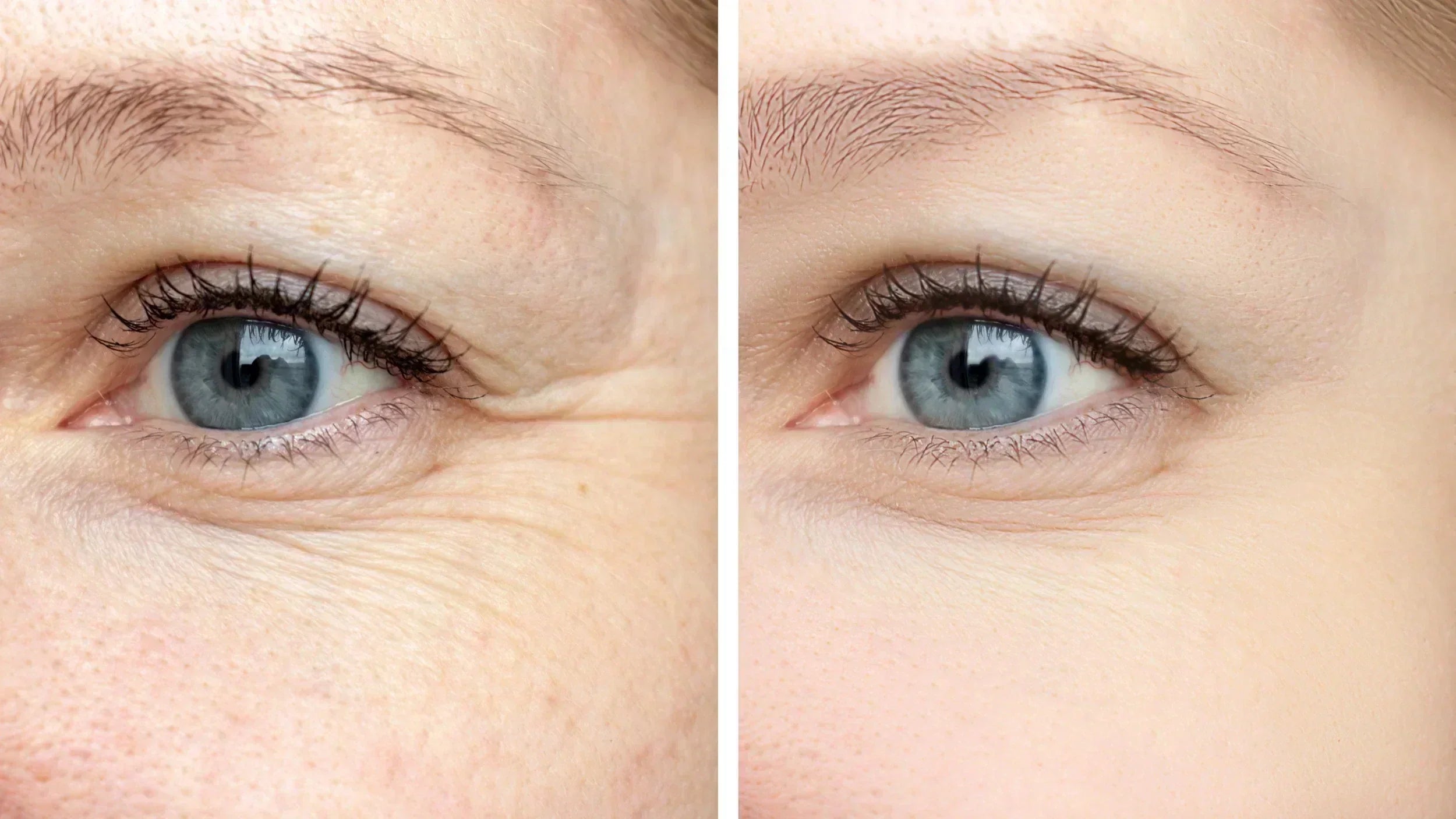
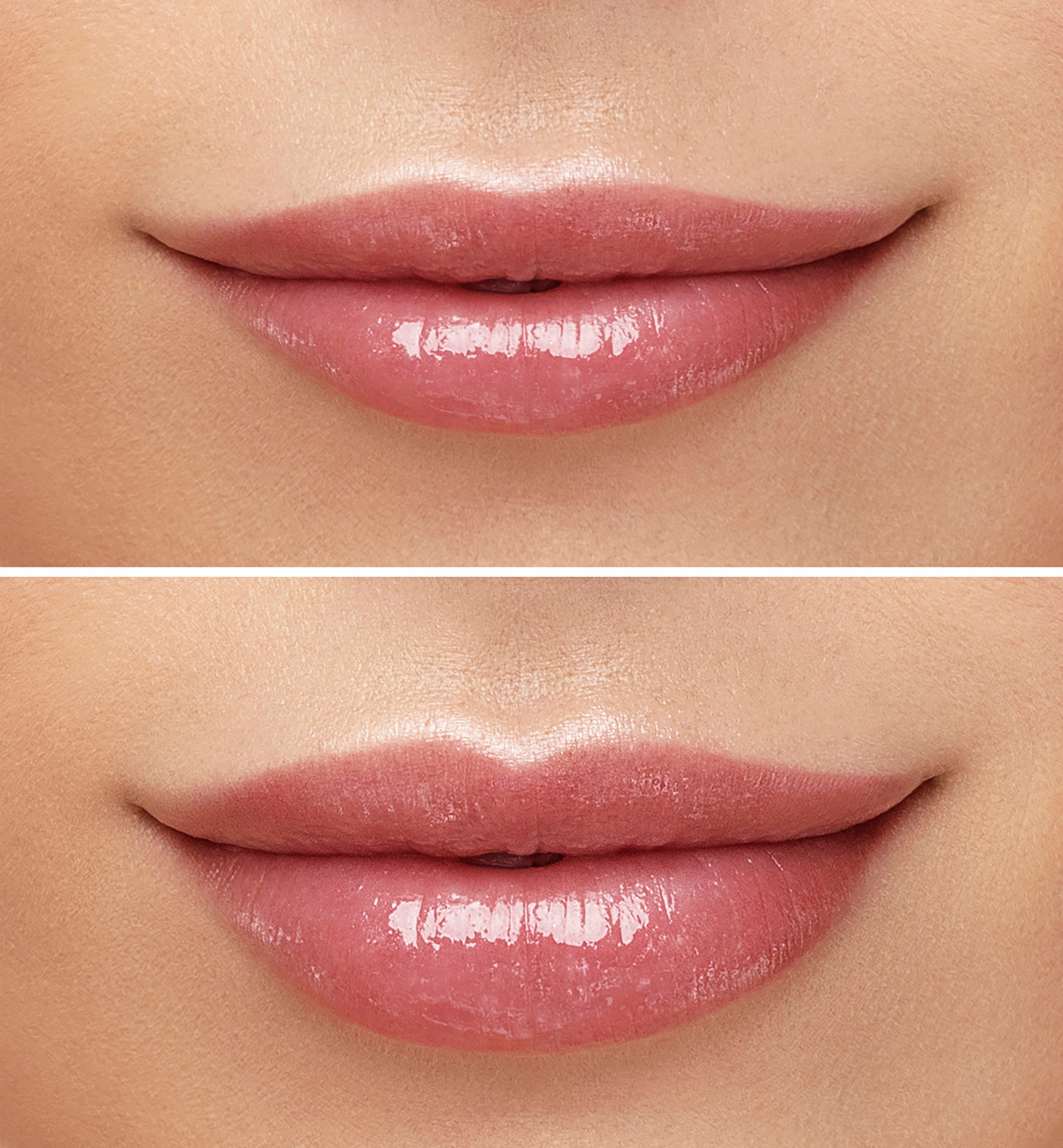
Skin Cycling: A Complete Guide to the 4-Night Routine

If you’ve been layering a retinoid, an exfoliating acid, vitamin C, and a peptide serum every night and your skin is starting to feel irritated, tight, or perpetually red — you’re not alone, and you’re not failing at skincare. You’re hitting the predictable wall of doing too much at once. Skin cycling exists to solve exactly that problem.
The framework was popularized by board-certified dermatologist Dr. Whitney Bowe, gained traction on TikTok, and has solid dermatologic reasoning behind it. Skin cycling 4 nights at a time gives the skin enough recovery between actives to actually benefit from them, instead of compounding irritation. This guide walks the 4-night cycle in detail, who it’s best suited for, how to customize it for your skin, and where in-studio treatments fit into the picture.
What Skin Cycling Actually Is
Skin cycling is a 4-night rotating skincare routine that alternates between active treatments and recovery nights, structured in the following way:
-
Night 1: Exfoliation (an AHA or BHA toner or serum)
-
Night 2: Retinoid (retinol, retinaldehyde, or prescription tretinoin)
-
Night 3: Recovery (gentle moisturizing only — no actives)
-
Night 4: Recovery (gentle moisturizing only — no actives)
Then the cycle repeats. Morning routines stay constant: gentle cleanser, antioxidant serum (vitamin C is fine in the morning, away from the actives), moisturizer, and broad-spectrum sunscreen.
The principle is simple: actives tend to work better when the skin has recovered between treatments. Using retinoids, AHAs, and BHAs together too frequently can increase irritation and may impair the skin barrier in some people, which is why many experts recommend spacing actives out rather than stacking multiple exfoliating products every night.
The 4-Night Cycle in Detail
Night 1: Exfoliation
The goal is gentle, chemical exfoliation to remove dead surface cells and prepare the skin for better penetration of the retinoid on Night 2. Use one of:
-
Glycolic acid (AHA) — surface exfoliation; can help brighten skin tone and improve the appearance of fine lines
-
Lactic acid (AHA) — a somewhat gentler AHA that also has hydrating properties
-
Salicylic acid (BHA) — oil-soluble; penetrates into pores and is especially useful for acne-prone or congested skin
Apply to clean, dry skin, follow with a gentle moisturizer. Skip the harsh foaming cleansers and physical scrubs — chemical exfoliation alone is the goal.
Night 2: Retinoid
The retinoid is the workhorse of the cycle. Options include:
-
Retinol (over-the-counter; mildest)
-
Retinaldehyde (over-the-counter; stronger than retinol)
-
Adapalene (over-the-counter; a synthetic topical retinoid originally developed as a prescription acne treatment)
-
Tretinoin (prescription; generally stronger than over-the-counter retinoids)
For most people, retinoid frequency builds over time — start with the cycling night only, then potentially expand to one or two additional nights per week as tolerance builds (which can take months). Apply a pea-size amount to dry skin, follow with a moisturizer.
Nights 3 and 4: Recovery
This is where most people get the cycle wrong. Recovery nights are NOT for sneaking in a different active. They’re for letting the skin’s barrier recover between Night 1 and 2 treatments.
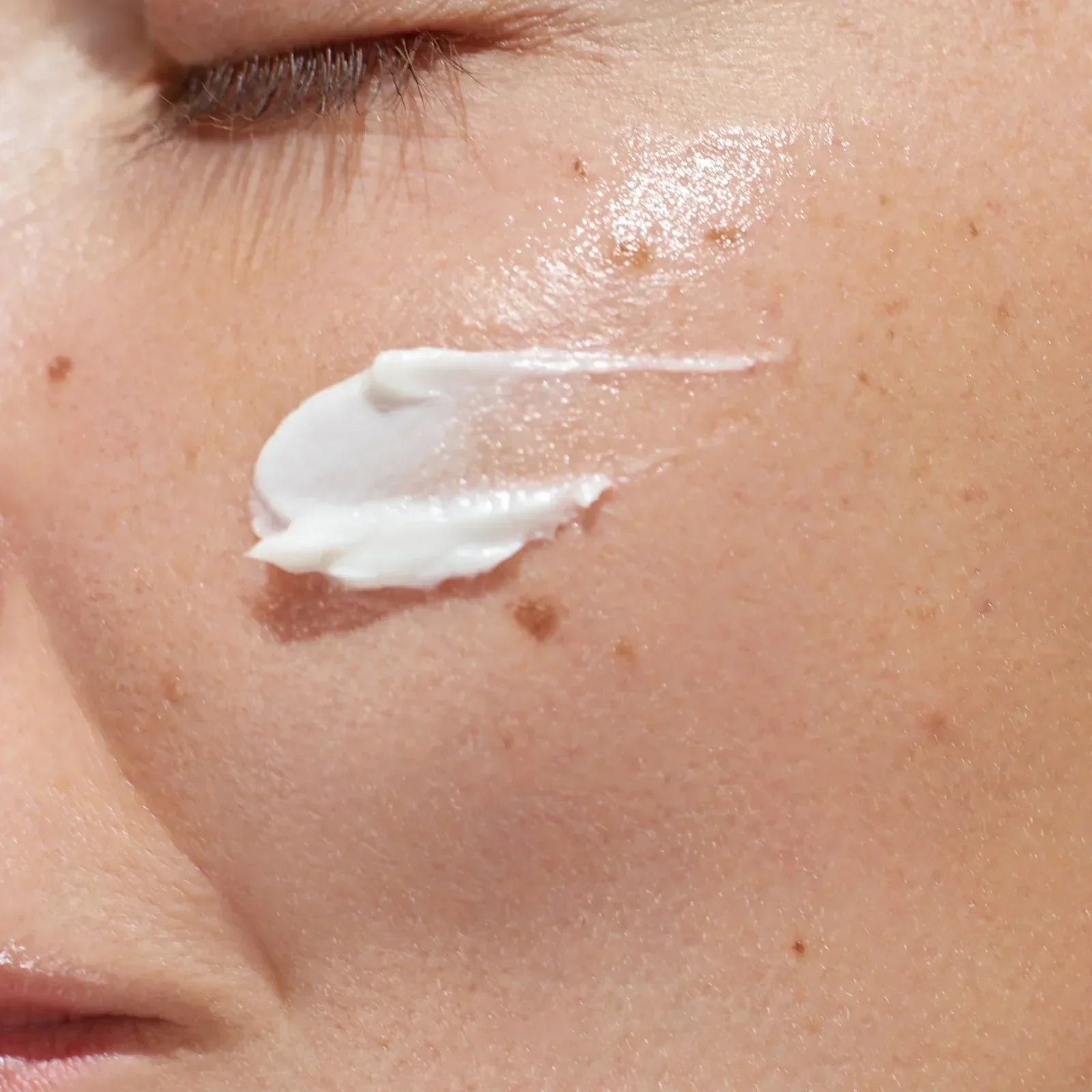
The recovery routine: gentle non-foaming cleanser → barrier-supportive moisturizer (ceramides, niacinamide, hyaluronic acid) → done.
That’s it. No vitamin C in the evening, no extra peels, no “just a little” retinol. The recovery is the point.
Why Skin Cycling Works: Skin Cycling vs Daily Actives
The skin cycling vs daily actives debate comes down to recovery time. The science behind cycling is mostly about reducing what tends to happen when actives are stacked daily: barrier irritation, inflammation, and the discomfort cycle that often pushes people to abandon retinoids before they’ve worked.
The same principle that applies to professional treatments — adequate recovery time between active treatments supports the body’s repair response — also applies to topical actives. Daily retinoid + daily AHA + daily BHA + daily vitamin C is the at-home equivalent of overtraining: progress stalls, and irritation accumulates.
By spacing actives across a 4-night cycle, skin cycling:
-
Reduces irritation — recovery nights give your skin barrier time to bounce back
-
Improves retinoid tolerance — many people who couldn’t tolerate retinol nightly do well with twice-weekly retinol in a cycle
-
Maintains the benefits of your actives — the exfoliation and retinoid still do their work, just at a more sustainable cadence
-
Reduces decision fatigue — the schedule is the schedule; no daily “what should I put on tonight” questions
Who Skin Cycling Is Best For
Skin cycling for beginners is one of the strongest use cases — but the framework fits several different patient profiles:
-
Skin cycling for beginners (patients new to actives) — gives a structured way to introduce retinoids without overwhelming the skin
-
Skin that gets irritated easily — built-in recovery helps prevent barrier breakdown
-
People who’ve been over-stacking actives — provides a structured de-escalation
-
Routines that feel chaotic — simplify decision-making
-
Long-term consistency seekers — the schedule is easy to stick with
It may not be the right fit for:
-
Patients with active medical skin conditions (rosacea flare, eczema, perioral dermatitis) — talk to a provider first
-
Patients with very thick or oily skin that genuinely tolerates daily actives without irritation
-
Acne patients prescribed daily medications by a dermatologist — follow the prescription
-
Anyone with significant textural concerns (deep acne scars, pronounced fine lines) — at-home cycling is supportive but won’t substitute for professional treatments
How to Customize the Cycle
The 4-night structure is a framework, not a rigid prescription. Common adjustments:
-
Sensitive skin or beginners: Start with a 5- or 6-night cycle. Use the retinoid only every other cycle until tolerance builds.
-
Oily or acne-prone skin: Salicylic acid on Night 1 instead of glycolic; consider adding adapalene as the retinoid.
-
Mature skin focused on fine lines: Glycolic on Night 1, prescription tretinoin or retinaldehyde on Night 2.
-
Hyperpigmentation focus: Add a brightening agent (azelaic acid, kojic acid) into the recovery nights only after the barrier has stabilized.
-
Winter or low-humidity environments: Add an extra recovery night; the cycle becomes 5 nights.
The key principle remains: actives spaced out, recovery built in, barrier protected.
Common Mistakes to Avoid
Mistakes that derail skin cycling routines:
-
Adding a “just-this-once” active on recovery nights. Defeats the purpose.
-
Starting at too high a concentration or too high a frequency. Begin with a low-strength over-the-counter retinol and use it only on the cycling night at first. Increase the frequency, and only later the strength, based on how your skin tolerates it — not on the timeline you want results in. The same goes for AHAs.
-
Using harsh cleansers on cycling nights. Sulfate-heavy foam cleansers strip the barrier and compound active irritation.
-
Skipping sunscreen. Daily mineral SPF is non-negotiable on a cycling routine.
-
Treating recovery nights as “optional.” The recovery is what makes the cycle work.
-
Stacking exfoliation on top of retinoid by combining nights. That’s daily active stacking, not cycling.
Products That Support Skin Cycling
The right products make or break the cycle. A few categories worth getting right:
-
Gentle, fragrance-free cleanser — used every night, not just on recovery nights. Sulfate-heavy foaming cleansers strip the barrier and undermine the cycle.
-
Chemical exfoliant — a low-concentration AHA (glycolic or lactic) or BHA (salicylic) matched to your skin type. Start low and build up frequency as tolerance allows.
-
Retinoid — retinol, retinaldehyde, or prescription tretinoin. Pick a strength matched to your tolerance, not a higher one, “to see results faster.”
-
Barrier-supportive moisturizer — formulated with ceramides, niacinamide, hyaluronic acid, panthenol, or squalane. These ingredients can help improve hydration and support the recovery of the skin barrier. Use every night, and especially on recovery nights.
-
Daily mineral SPF — broad-spectrum SPF 30+ used every morning. Skin cycling without daily SPF is half-finished work.
For barrier-sensitive skin or for patients wanting medical-grade formulations, OVME’s retail skincare lineup includes Revision Skincare and SkinMedica — both lines have cleansers, retinoids at various strengths, and ceramide-based barrier moisturizers that fit cleanly into a cycling framework.
When to Add Professional Treatments to the Cycle
Skin cycling is an at-home maintenance framework. It supports skin health but doesn’t replace professional treatments for structural concerns. Common pairings:
-
Hydrafacial® or Signature Facial: A monthly surface refresh complements the cycling routine
-
Microneedling series: For acne scars, enlarged pores, fine lines — pause active cycling for the 5 to 7 days after each microneedling session, then resume
-
Chemical peel: For pigmentation or deep texture concerns — pause cycling actives for 1 to 2 weeks around each peel
-
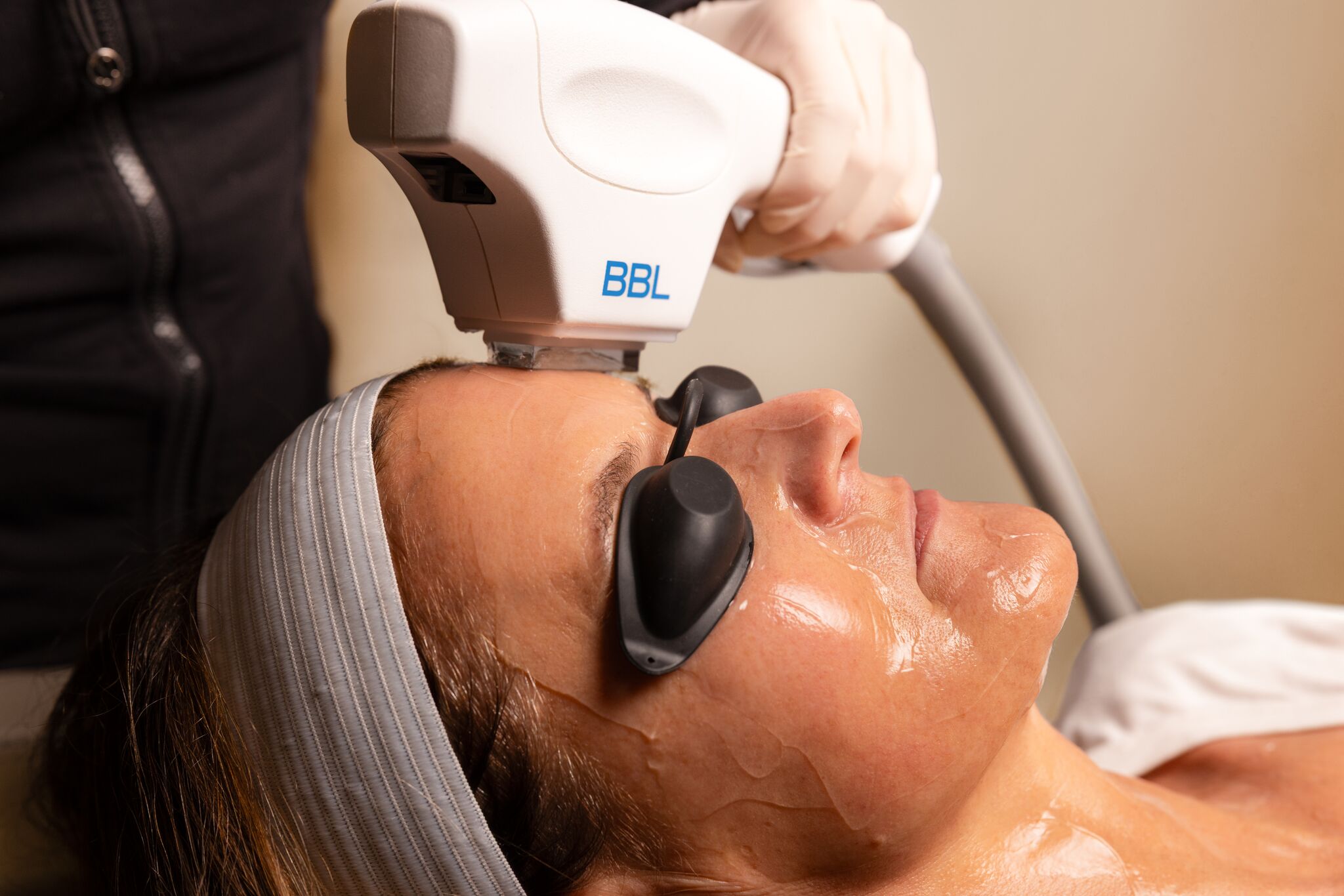
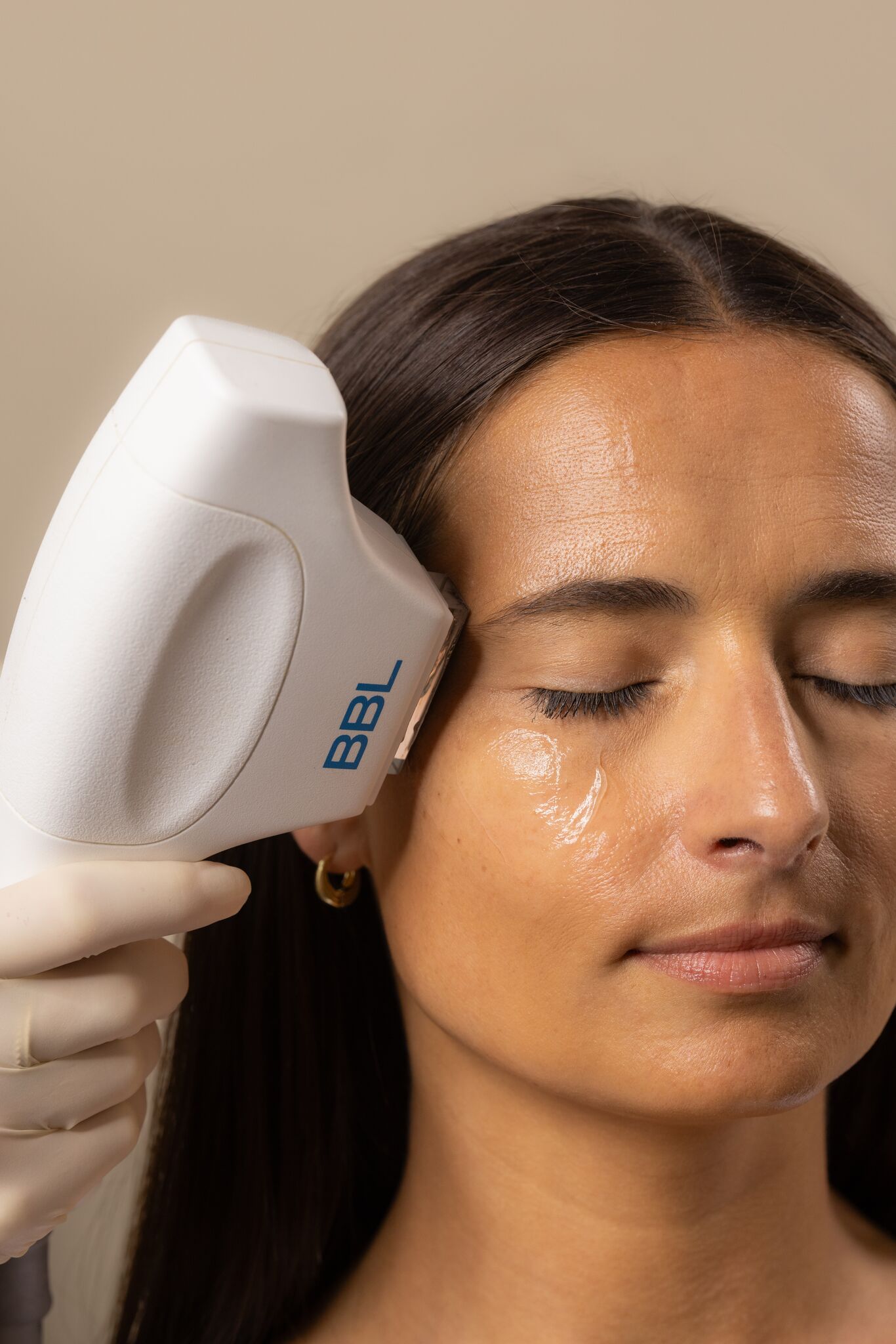
BBL® photofacial: For sun damage and tone — pause Night 1 exfoliation around treatment
For a broader context on which treatments address what concerns, see the OVME guide to the best skin treatments at OVME.
Ready to Build a Skin Cycling Routine That Actually Works?
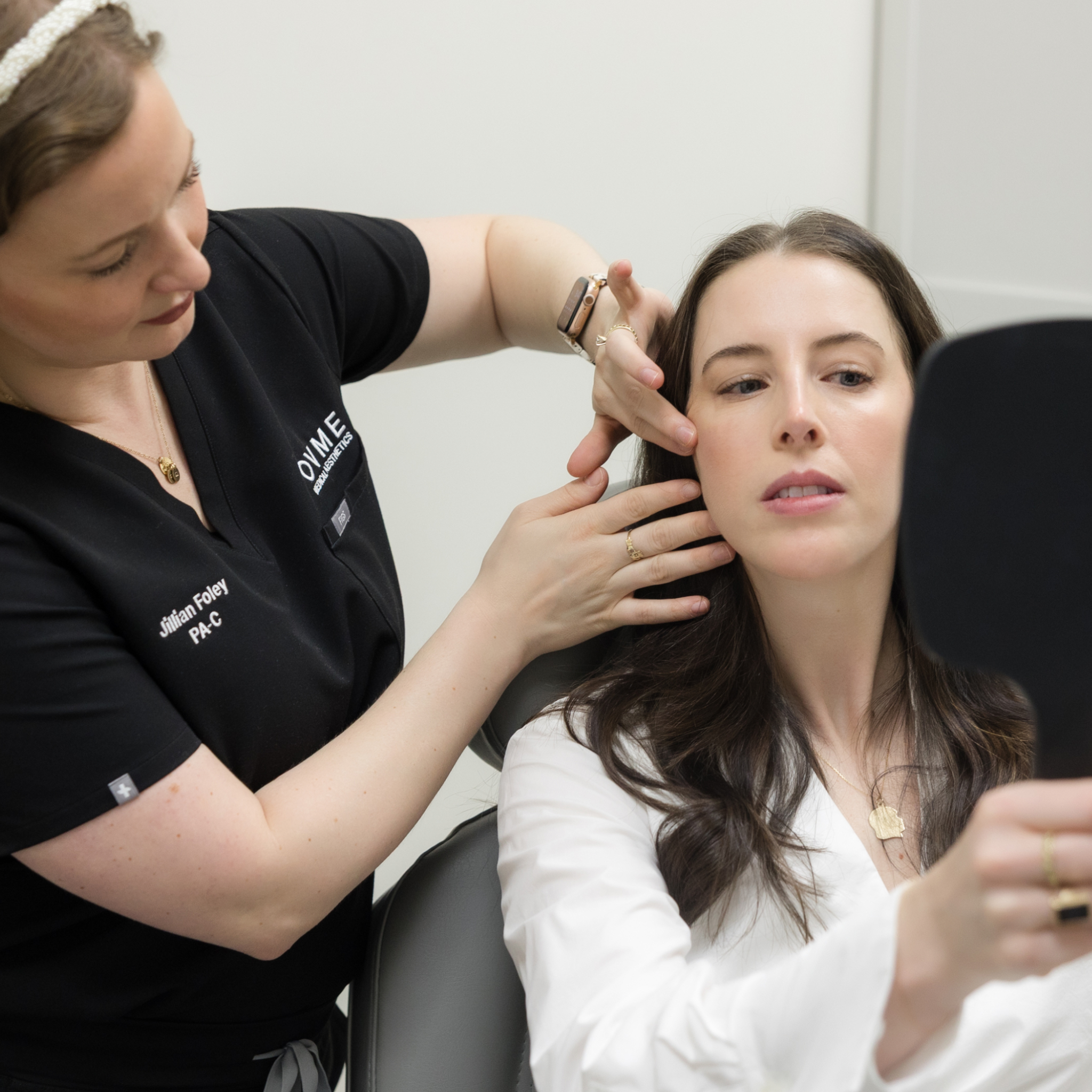
If you’ve been guessing at your routine and not seeing the results you want, a complimentary consultation gives you a structured starting point — VISIA® skin analysis data, provider-recommended products, and a clear plan for where in-studio treatments fit in. Consultations are with a licensed registered nurse, nurse practitioner, or physician assistant — all supervised by medical directors who are board-certified plastic surgeons.
Book through the OVME app or find a studio location near you. For a broader context on healthy skin habits, see the OVME tips for healthy skin guide.
Frequently Asked Questions
Is skin cycling actually effective?
For most people using retinoids and exfoliating acids, yes — skin cycling tends to be more sustainable than daily active use because it lets the skin recover between treatments, which helps prevent the barrier damage and inflammation that often derail at-home active routines. The framework was popularized by board-certified dermatologist Dr. Whitney Bowe and is widely recommended by dermatology and skincare sources as a sensible approach. That said, “effective” depends on what you’re trying to achieve: for structural concerns like deep acne scars, enlarged pores, or significant volume loss, skin cycling alone won’t deliver what professional treatments can. It’s a smart routine for ongoing skin health, not a substitute for in-studio care.
Is skin cycling 3 or 4 days?
The classic Dr. Whitney Bowe framework is a 4-night cycle: Night 1 is exfoliation (an AHA or BHA), Night 2 is retinoid, Nights 3 and 4 are recovery (gentle moisturizing only). Some variations use a 3-night cycle (exfoliation, retinoid, recovery) for skin that needs less recovery time, and others extend to 5 nights for sensitive skin or beginners. The classic 4-night version is the most commonly recommended. The key principle isn’t the exact number — it’s that actives are spaced out and recovery nights are built in.
What exactly is skin cycling?
Skin cycling is a 4-night rotating skincare routine popularized by board-certified dermatologist Dr. Whitney Bowe. The cycle works like this: Night 1 = exfoliation (AHA or BHA toner or serum); Night 2 = retinoid (retinol, retinaldehyde, or prescription tretinoin); Nights 3 and 4 = recovery (gentle moisturizing only, no actives). The routine then repeats. The structure gives your skin barrier time to recover between active treatments, which can help reduce the irritation, redness, and barrier damage that often happen with daily active use.
What are the risks of skin cycling?
Skin cycling itself is low-risk — it’s a more conservative way to use actives than nightly stacking. The main risks come from getting the products or sequence wrong: using too high a concentration for your skin’s tolerance, skipping the recovery nights, layering vitamin C or other active treatments on top, or starting too aggressively without giving your skin time to build tolerance. Patients with rosacea, eczema, or active skin conditions should consult a provider before starting any active-based routine — including skin cycling. If your skin becomes red, stinging, or persistently dry after starting the routine, scale back the concentration or frequency.
When will I see results from skin cycling?
For most people, early improvements — smoother texture, brighter tone, fewer breakouts — tend to appear within the first few weeks of consistent cycling, with more noticeable changes often visible by the 6 to 8 week mark. More significant improvements (fading hyperpigmentation, fine line softening, sustained skin health) typically take 3 to 6 months because cell turnover and collagen response are gradual processes. Skin cycling is a long-term routine, not a quick fix. Patients who stick with it consistently see compounding benefits over time.
Keep on reading