MOXI vs BBL Photofacial: Color, Texture, and Which You Need First
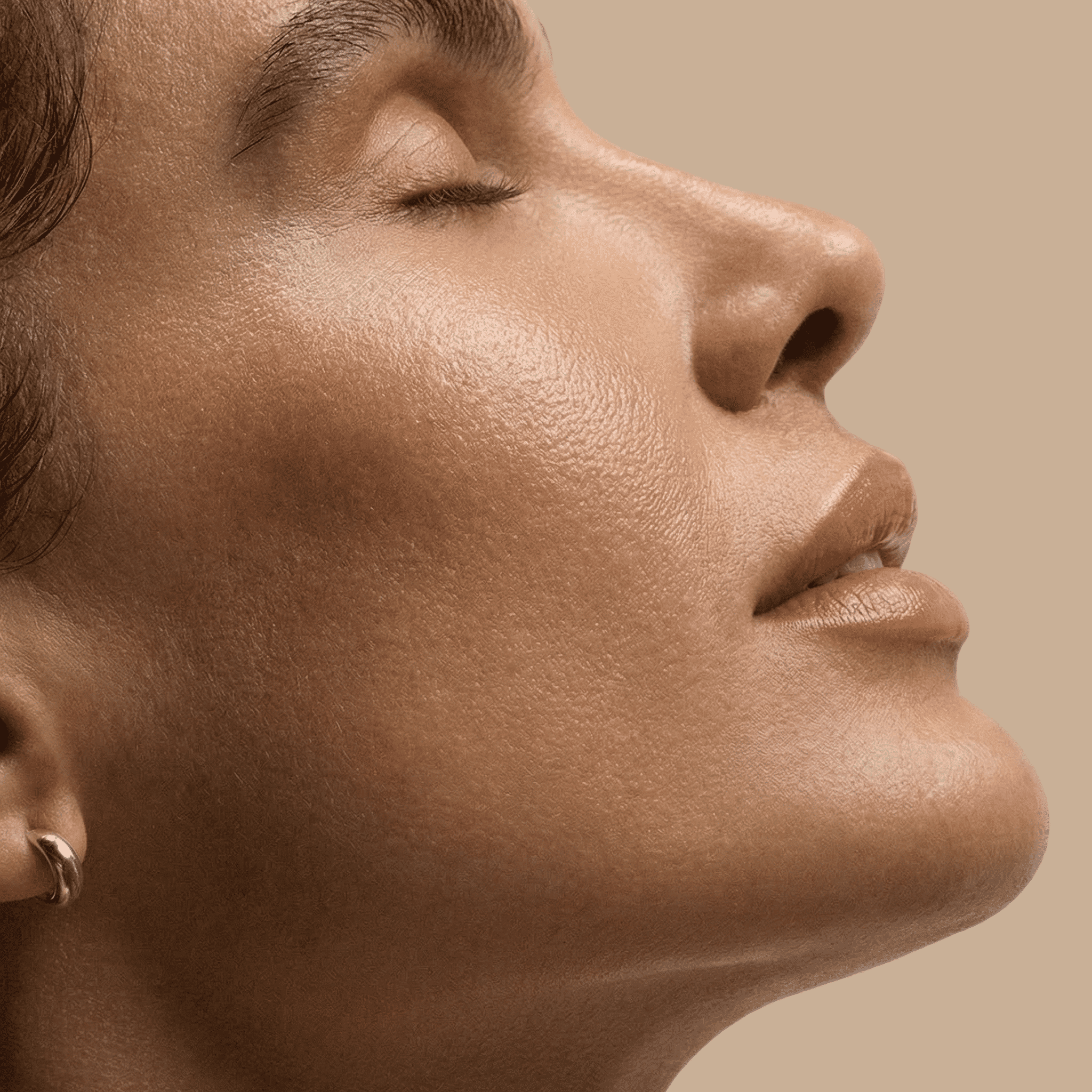
Stand close to a mirror in natural light, and most sun-damaged skin reveals two things at once. There’s pigment: brown patches, a flush across the cheeks, a fine red thread near the nose. And there’s surface quality: roughness you can feel more than see, pores that seem larger than they used to, a dullness that makeup just sits on top of.
BBL® photofacial and MOXI® do different jobs. One corrects pigment. The other refines texture. Once you know which one your skin is asking for, the decision mostly makes itself.
Pigment or Texture? Start There
Start by sorting what you see into one of two groups.
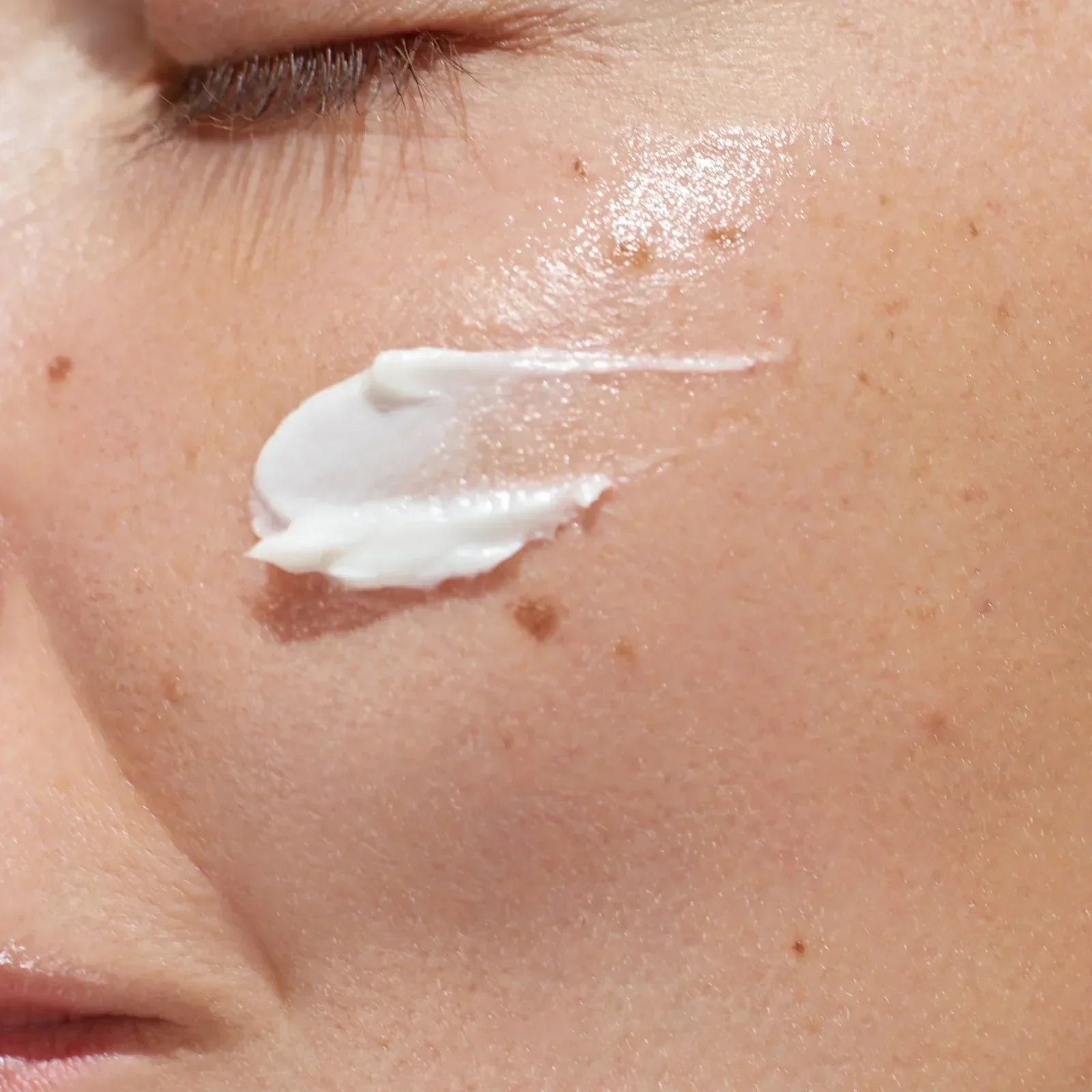
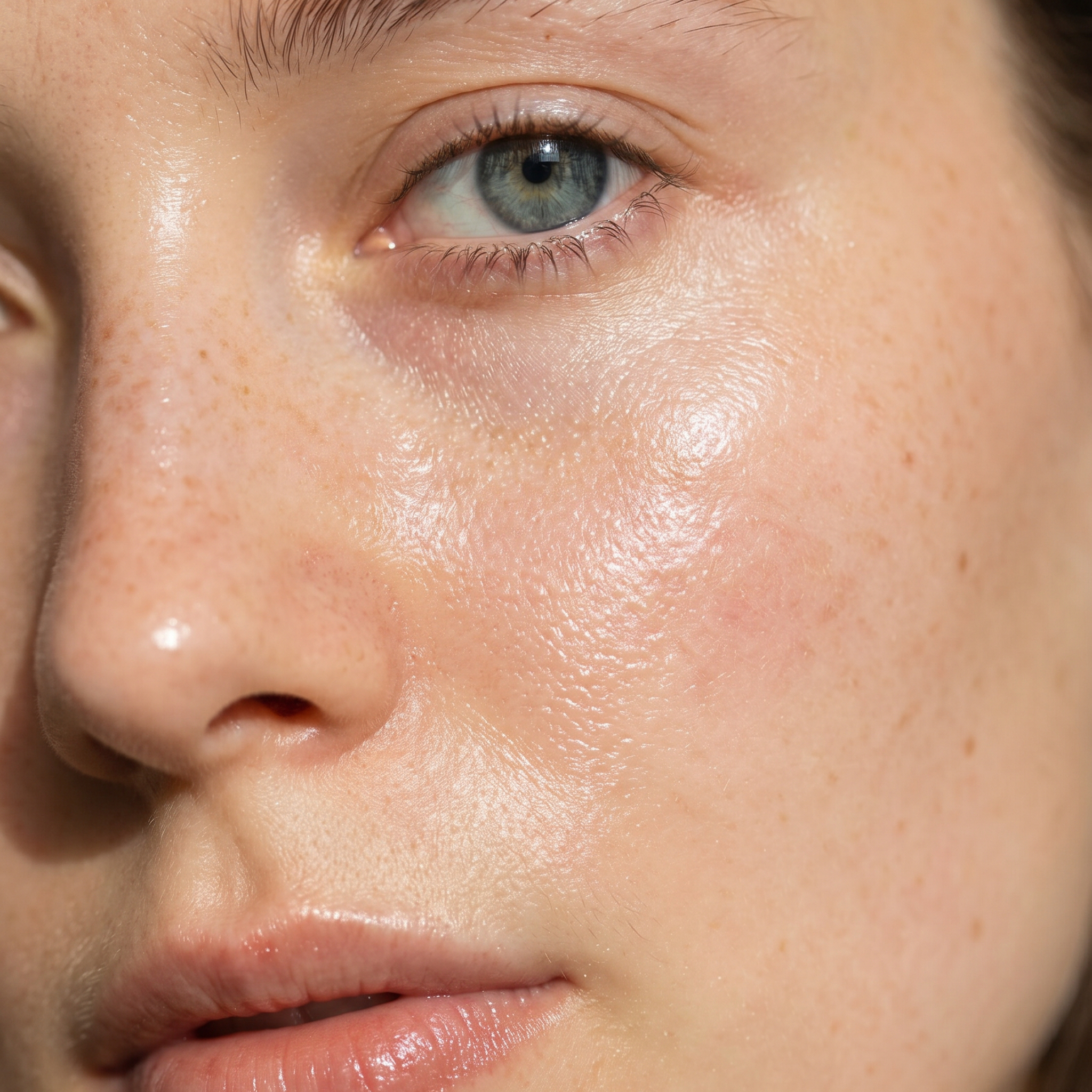
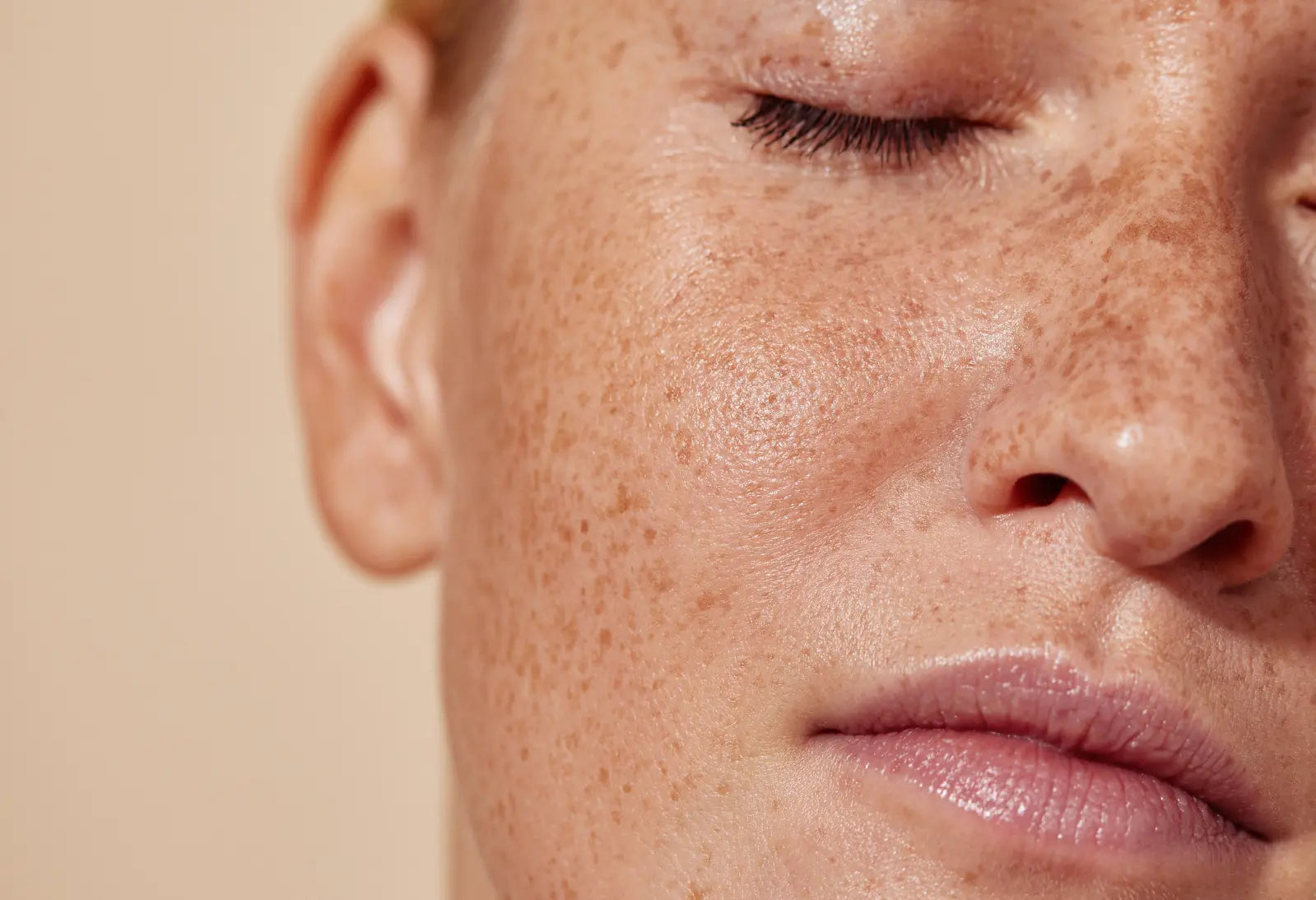
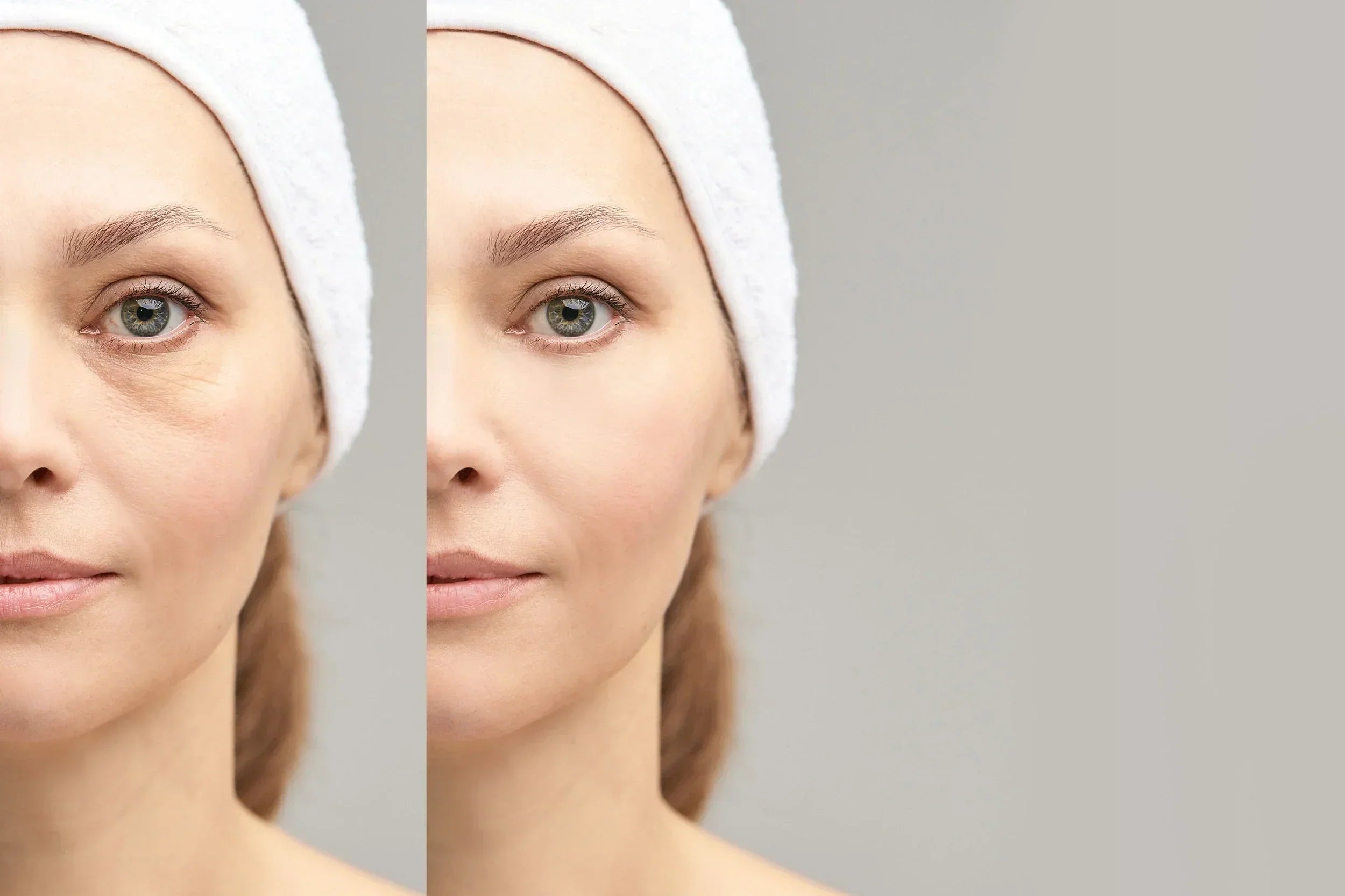
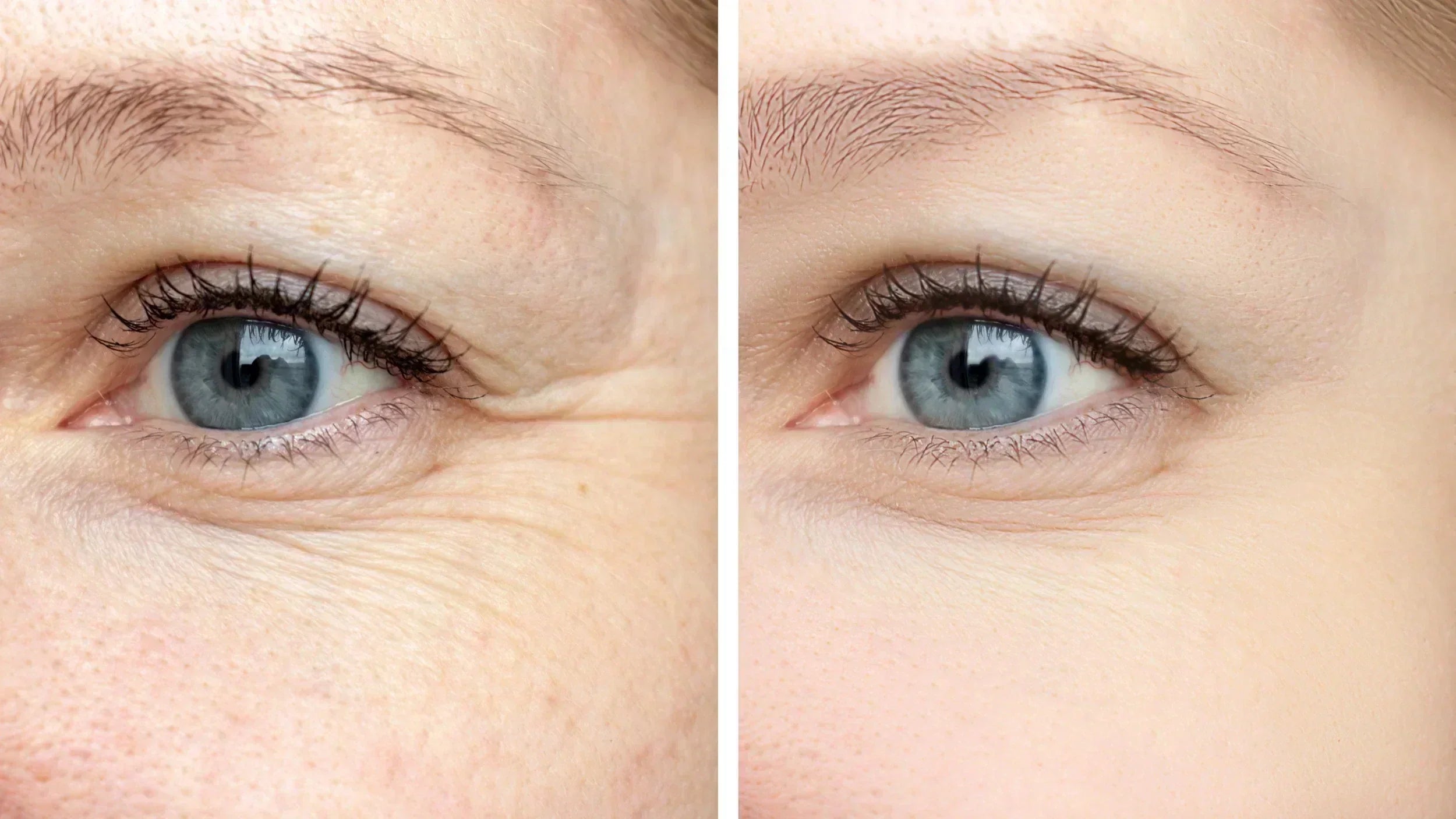
Pigment concerns are the ones a photo filter would even out. They include brown spots and patches, freckling that has spread, diffuse redness across the cheeks or nose, and small visible vessels. These sit in the skin as pigment and blood.
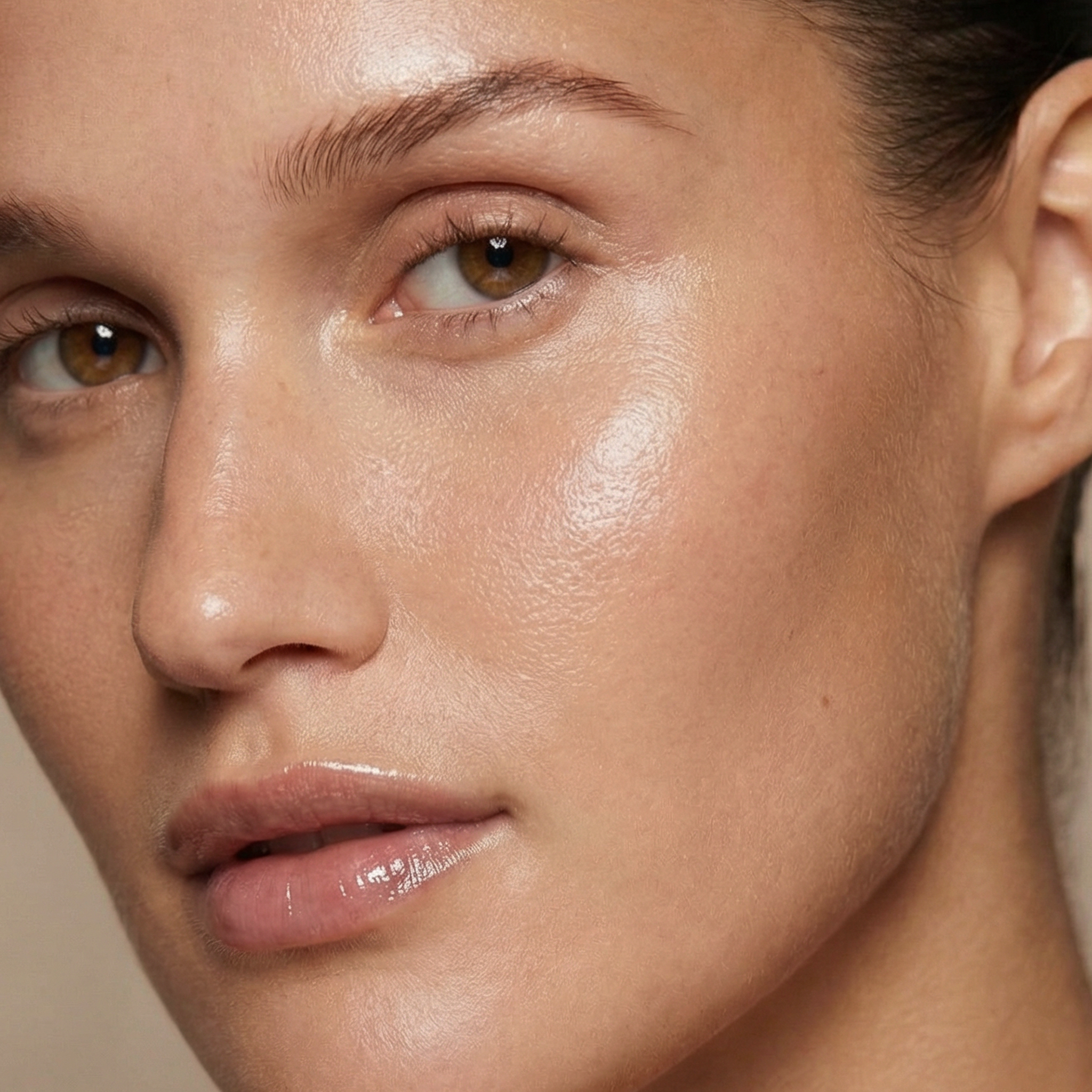
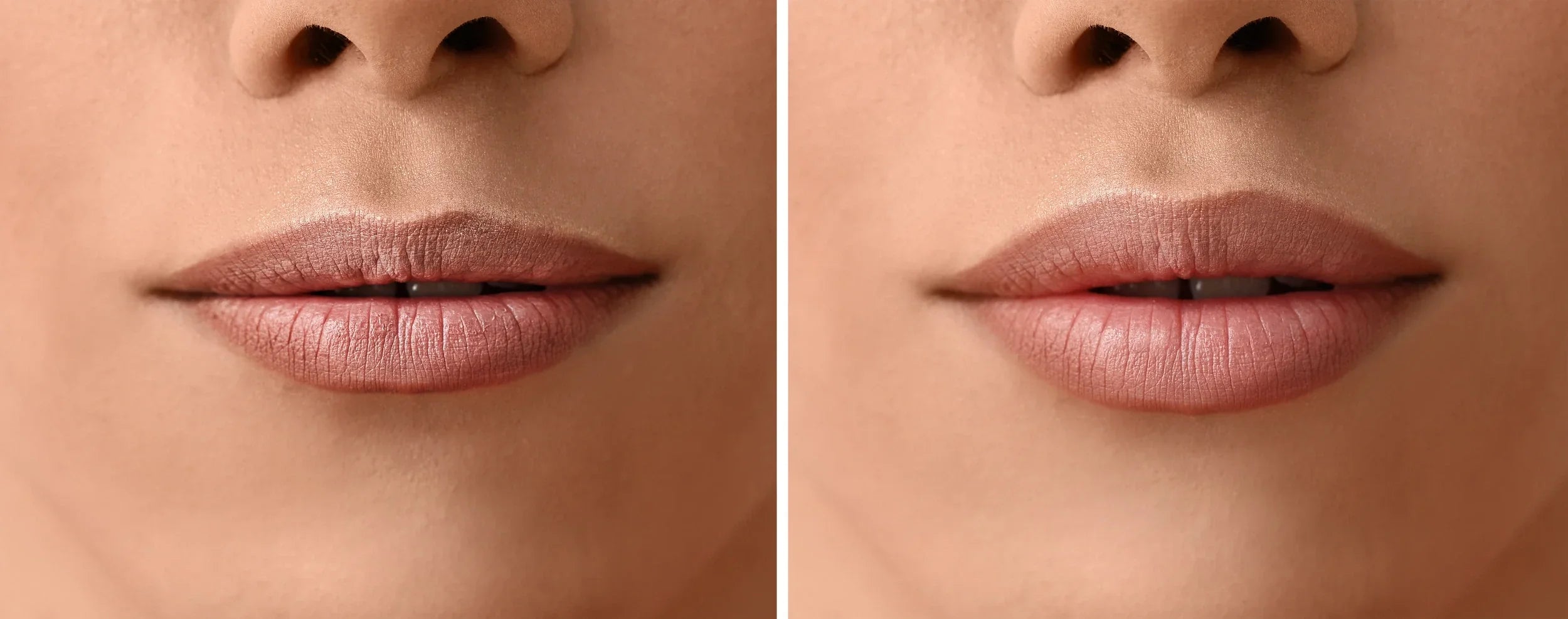
Texture concerns are the ones you notice with your fingertips or in raking light. They include roughness, enlarged-looking pores, a lack of light reflection, and fine surface irregularity.
Sun damage that has built up over years usually shows up as both at once. Almost everyone has one that bothers them more, and that’s the one worth treating first.
What Each Treatment Targets
The real difference is what in your skin absorbs the light.
BBL Photofacial Targets Pigment
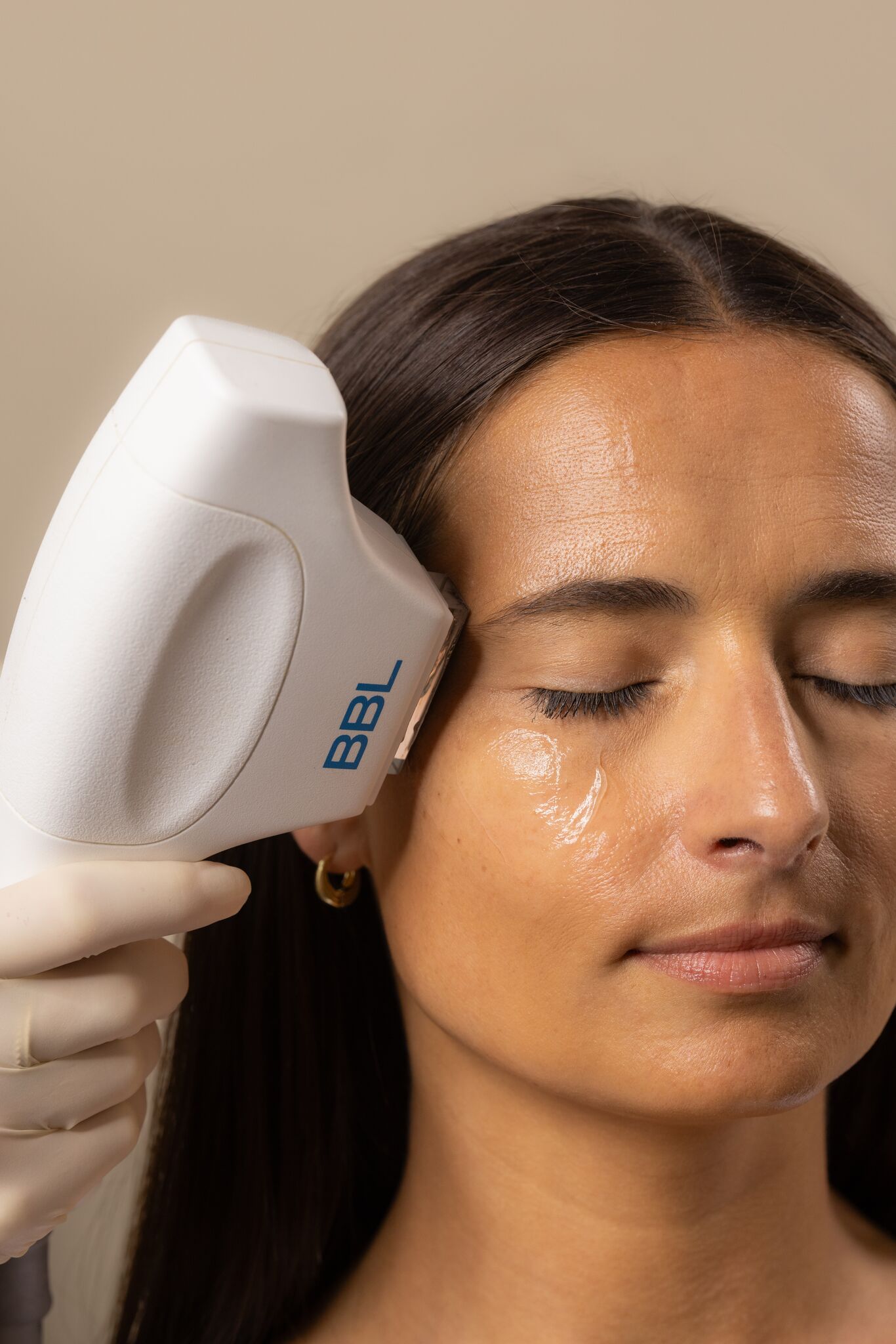
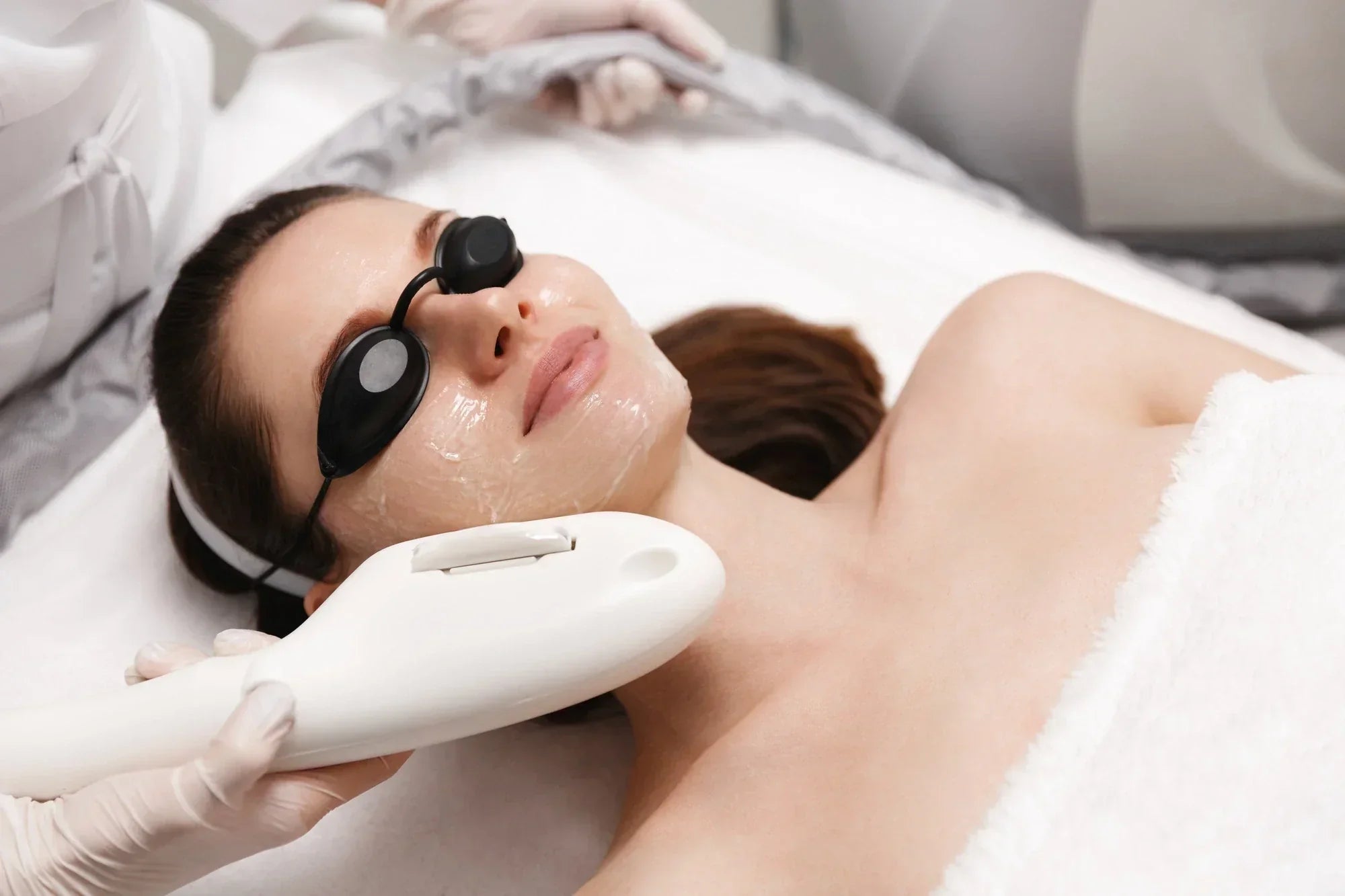
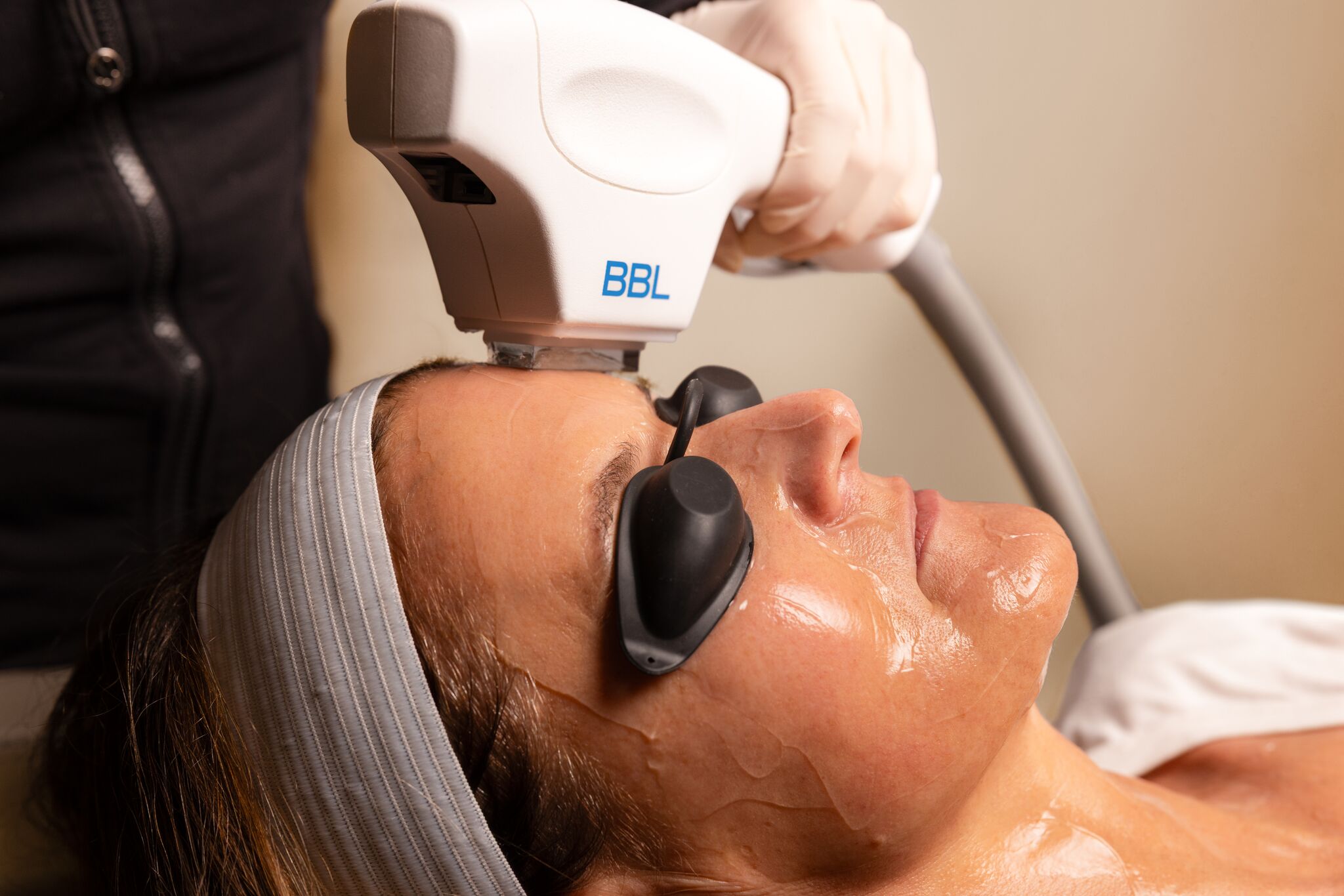
BBL® photofacial uses BroadBand Light, a wide band of light that gets split through six different filters. That’s what lets a provider treat one concern at a time: settings that stay nearer the surface lift brown spots, while deeper ones reach the redness and visible vessels underneath. The handpiece cools your skin against a sapphire tip throughout, so the surface stays protected while the light does its work.
BBL® targets melanin and hemoglobin, the pigment and blood that carry discoloration.
MOXI Targets Texture
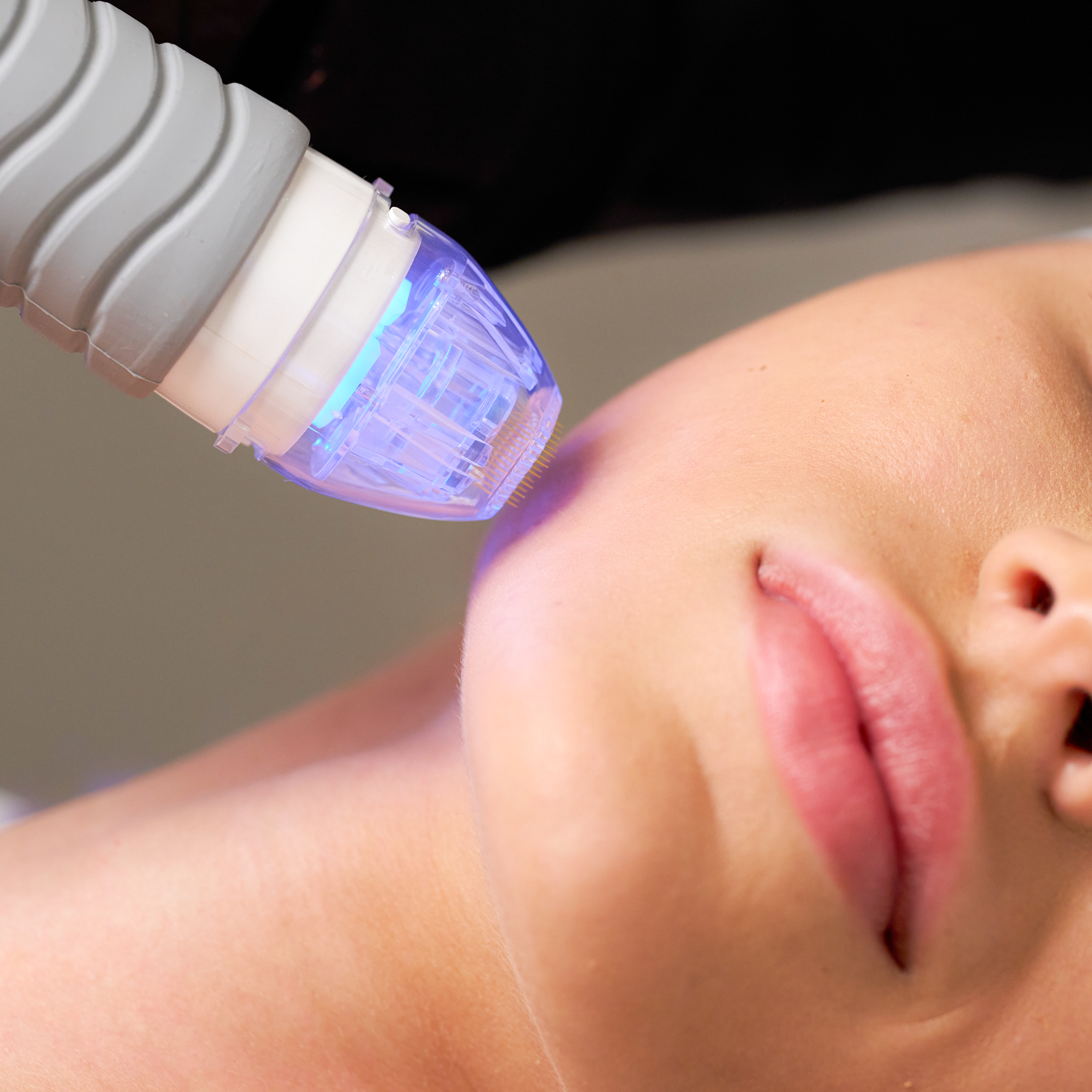
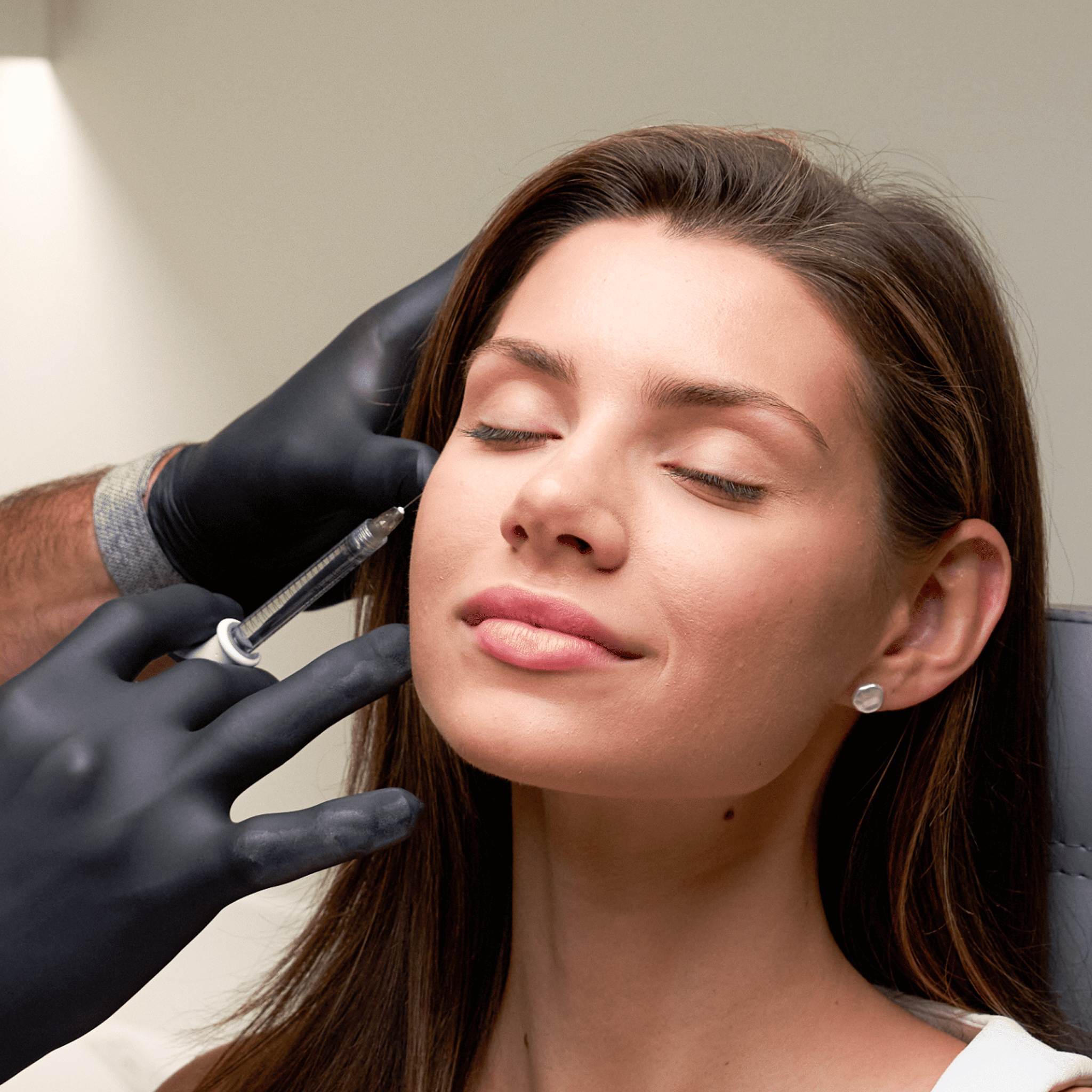
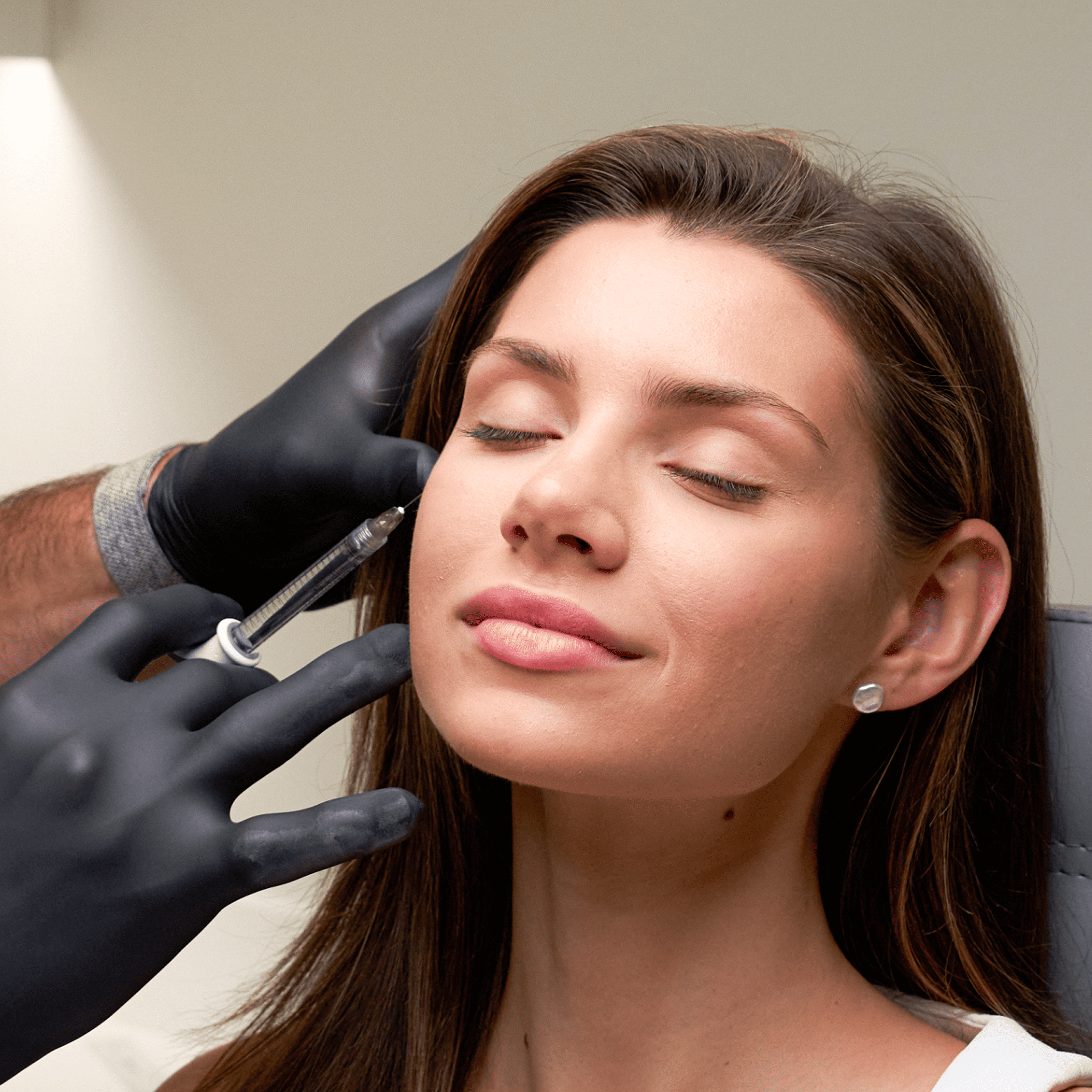
MOXI® is a fractional laser that works just beneath the surface, about as deep as two sheets of paper stacked together. It targets the water in your skin, creating a pattern of tiny treated zones that prompt your skin to renew itself. Because it never removes surface tissue, it refines texture and tone without the recovery that resurfacing brings.
Why That Difference Matters
The two treatments are absorbed by different targets, so they do different work in the skin. BBL® clears discoloration. MOXI® refines the surface. Using both addresses two separate concerns rather than treating the same one twice.
Reading Your Own Skin: Which Signs Point Where
Translating that into a decision:
Point toward BBL® photofacial if what bothers you is brown spots that have darkened over the years, freckling that spread after a heavy-sun summer, a persistent flush across the cheeks, or small visible vessels around the nose. These are pigment and vascular concerns, and light-based treatment addresses them directly.
Point toward MOXI® if what bothers you is texture: skin that feels rougher than it used to, pores that read larger, a dullness that no amount of exfoliation resolves, or early signs you would rather stay ahead of than address later.
Point toward both if you recognized yourself in each of those two paragraphs. Skin that has accumulated pigment and textural change together is common, and each concern needs the treatment built for it.
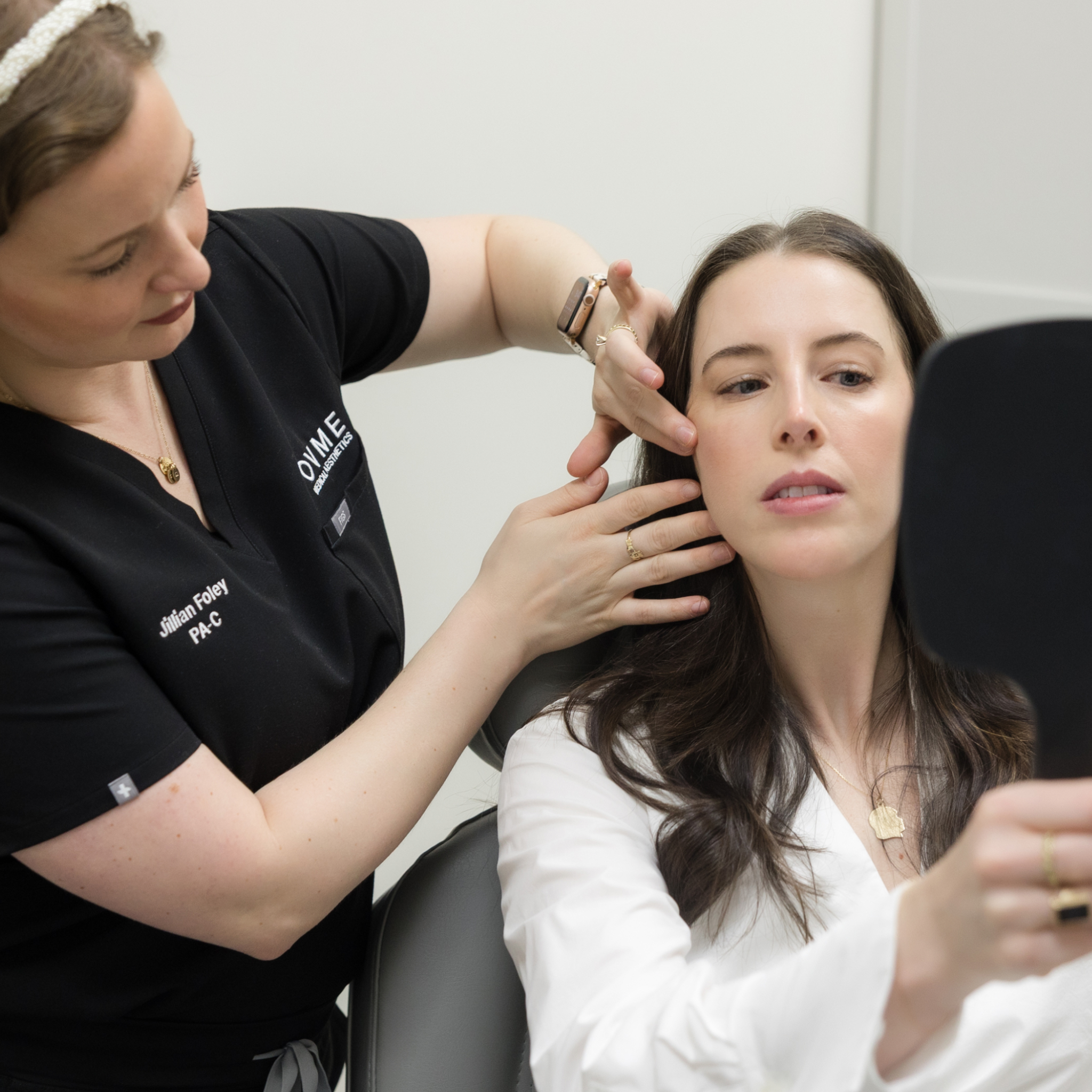
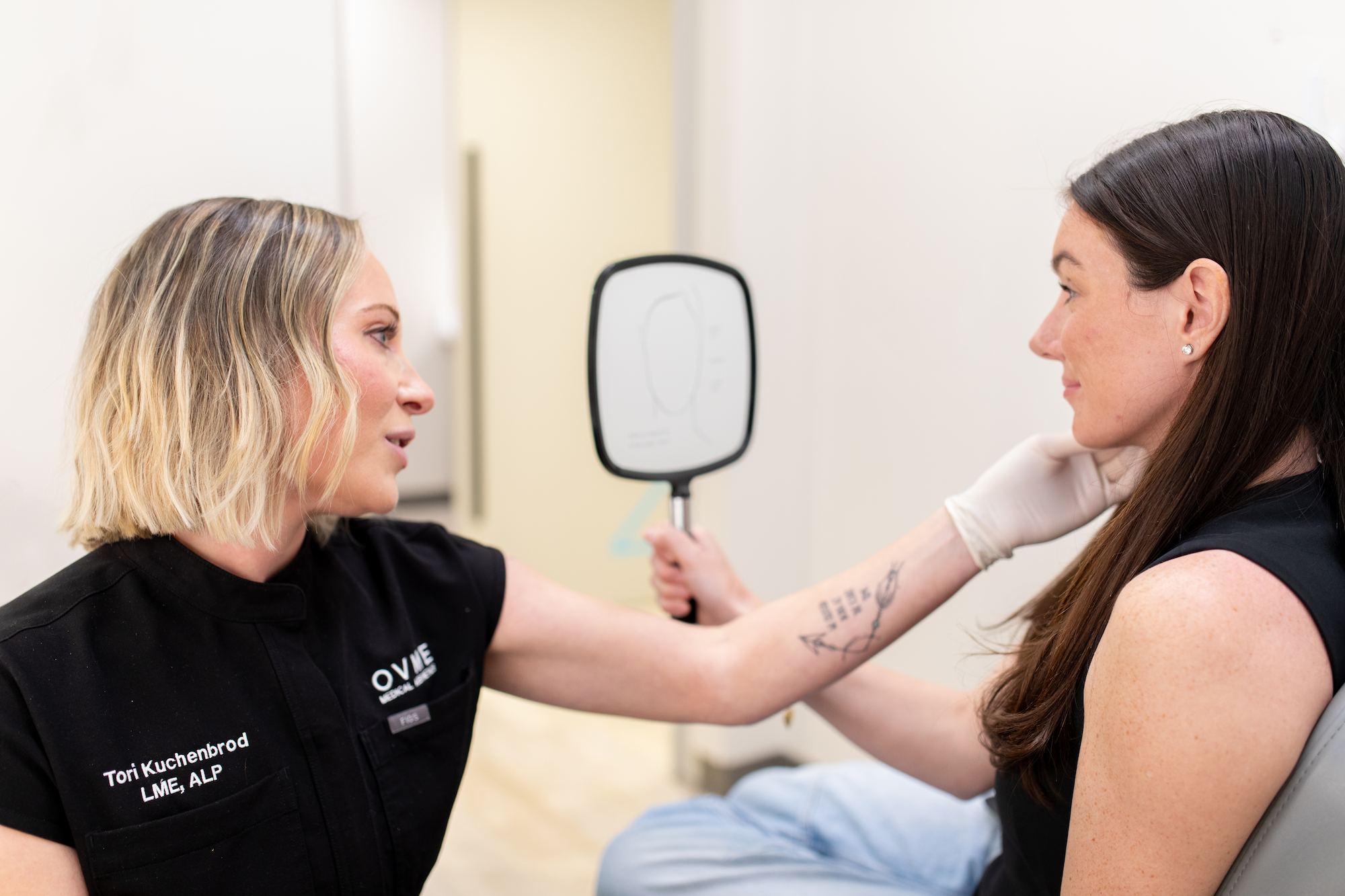
Self-assessment in a mirror only goes so far, because some sun damage sits below the surface and hasn’t yet become visible. VISIA® imaging measures how much of what you see is pigment sitting in the skin and how much is surface quality. It is part of every in-studio OVME skin consultation, and that split is what the choice between these two treatments turns on.
Why Providers Usually Sequence These Instead of Choosing
BBL® and MOXI® address separate concerns. Treating pigment with one and texture with the other covers both. That is why providers usually plan them as a pair rather than choosing between them.
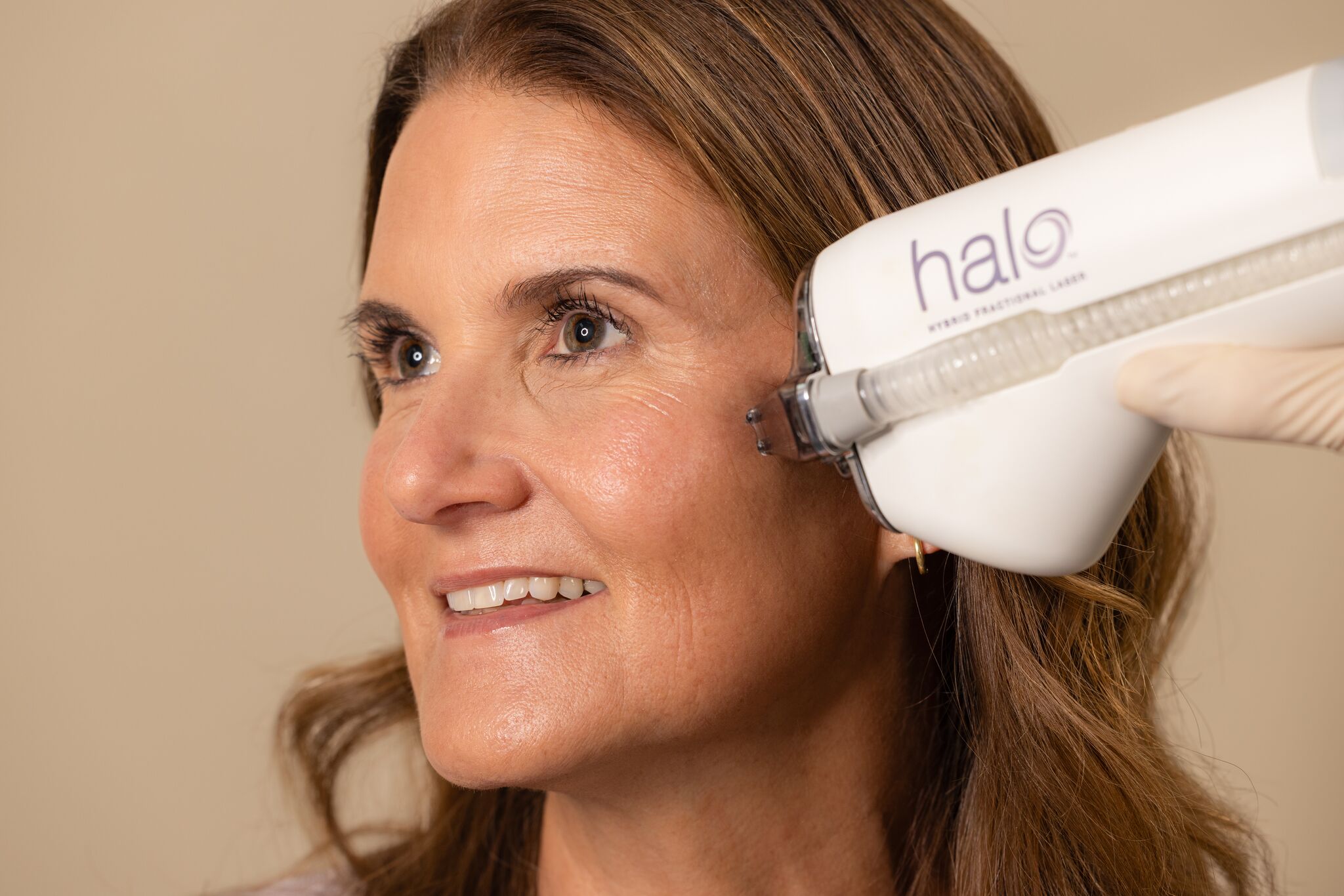
At OVME, the established same-session combination is BBL® paired with HALO® for patients evaluated as candidates. HALO® resurfaces and rebuilds collagen at depth while BBL® clears pigment, redness, and vessels. One visit addresses both the structure and the pigment of sun damage.
Combination protocols are an active area of clinical study. A protocol at UT Southwestern’s Department of Plastic Surgery is currently evaluating combined BBL®, MOXI®, and HALO® treatment, with second treatments scheduled four to eight weeks after the first and assessments at one and three months. No results have been published, so it indicates where the field is heading rather than a particular outcome.
How MOXI® and BBL® are sequenced across visits is a clinical decision. It depends on your skin and on how much recovery you can absorb at once. Your provider sets that sequence at your consultation.
How They Address Sun Damage
Established sun damage usually involves two concerns at once, which is why this pairing comes up so often.
The discoloration half is pigment and blood: brown patches, freckling that has spread, diffuse redness, and the fine vessels that surface over time. BBL® is built to target that. The textural half is the roughness, dullness, and surface irregularity that developed over the same years, and MOXI® is built to refine that.
Both halves are worth treating. Skin that shows both usually needs both addressed, in whatever order your provider judges is right to start with.
What Recovery Looks Like for Each
Both sit at the manageable end of the spectrum, and they look different in the days afterward.
BBL® photofacial. Treated areas look flushed immediately after. Over the next day or two, pigmented spots darken, often described as looking like coffee grounds scattered across the treated area. That darkening is the expected response, and it means the pigment is being brought to the surface. Those spots then flake away over roughly five to seven days, taking the discoloration with them.
Most people work through it comfortably once they know to expect the darkening phase, which is why your provider walks you through the timeline beforehand. BBL pre and post care covers the specifics.
MOXI®. Redness and mild swelling largely settle within 12 to 24 hours. A light pink cast lasts a day or two, and fine MENDS (microscopic epidermal necrotic debris) give a subtle sandpaper texture for several days. MOXI pre and post care has the full timeline.
For both, a supportive recovery routine matters, and your provider can recommend post-treatment care suited to the treatment you have had.
Ideal Treatment Timing
Timing is where the two treatments diverge.
BBL® targets melanin, so your natural skin tone is part of the clinical picture. An active tan or recent significant sun exposure can change the treatment, mean postponing it to another time, or make you ineligible. Treating pigment while your skin is at its natural tone, not tan, lets a provider match the settings to the pigment being treated. That’s why BBL® demand concentrates in fall and winter.
MOXI® works differently. Because it targets water rather than pigment, it suits a broad range of skin types and is often used year-round. Candidacy still depends on your skin and your provider’s assessment.
Sun protection after treatment matters for both. Daily sunscreen is what helps keep cleared pigment from re-accumulating over the following summer.
What a Combined Treatment Plan Costs
Both treatments are usually recommended as a series rather than a single appointment, so cost is best understood as the cost of a plan. MOXI® is commonly two to four sessions. BBL® is usually a course with periodic maintenance afterward.
Treatment area affects cost too. A full face, a face and neck, and a face, neck, and chest are different treatments.
OVME provides transparent pricing at a complimentary consultation before treatment, once a provider has assessed your skin and built a specific plan. You can also review OVME’s treatment pricing.
Ready to Match the Treatment to the Concern
If you’ve been going back and forth between these two, the next step is a measurement of what is happening in your skin. Knowing whether your primary concern is pigment or texture, and how much of each sits below the surface, resolves the question quickly.
Book a complimentary consultation at one of OVME’s 28+ studios, in-studio or virtually, through the OVME app or your nearest studio. In-studio consultations begin with VISIA® imaging. Treatments are performed by registered nurses, nurse practitioners, physician assistants, and licensed aestheticians, all supervised by medical directors who are board-certified plastic surgeons.
Frequently Asked Questions
Which is right for sun damage, BBL or MOXI?
It depends on which side of sun damage bothers you more. BBL® targets melanin and hemoglobin, so it is the match for discoloration: brown spots, diffuse redness, and visible vessels. MOXI® targets water in the skin, so it is the match for texture and tone. Most established sun damage involves both, which is why the two are frequently used together.
Can you get BBL and MOXI together?
They belong in the same treatment plan, and at OVME they are sequenced across separate visits. The established same-session pairing at OVME is BBL® with HALO®, for patients evaluated as candidates. Your provider decides the order and the spacing based on your skin and your recovery window.
How much does a BBL photofacial and MOXI treatment cost?
Two things move the number most: how many areas you are treating, and whether the two treatments are combined into one plan or kept separate. Because each is a series rather than a single visit, ask for the plan total rather than a per-session figure. OVME confirms pricing at a complimentary consultation before treatment.
When is MOXI the right choice on its own?
MOXI® on its own suits early photodamage, general dullness, and maintaining skin you are already happy with, usually across a series of two to four sessions. If brown pigment is the first thing you notice in the mirror, a treatment built to target pigment directly is the more natural starting point. Your provider can confirm which one fits your skin.
When is the best time of year for a BBL photofacial?
Fall and winter are generally the better window for BBL®, since it targets melanin. An active tan can change the treatment, mean postponing it to another time, or make you ineligible, so treatment is planned for when you are at your natural skin tone, not tan. MOXI® is designed for a broad range of skin types and is often used year-round, so it is less tied to the calendar. Daily sunscreen afterward helps protect either result.
Where can I get a BBL photofacial or MOXI in the US?
Both are offered across OVME’s 28 boutique studios in Georgia, Texas, Tennessee, North Carolina, Illinois, Colorado, Minnesota, Virginia, Washington D.C., South Carolina, and Florida. Device availability varies by studio, so checking your nearest location is the quickest way to confirm both. You can find it and book a complimentary consultation through the OVME locations page or the OVME app.
Keep on reading