Microneedling with PRP: What It Really Delivers
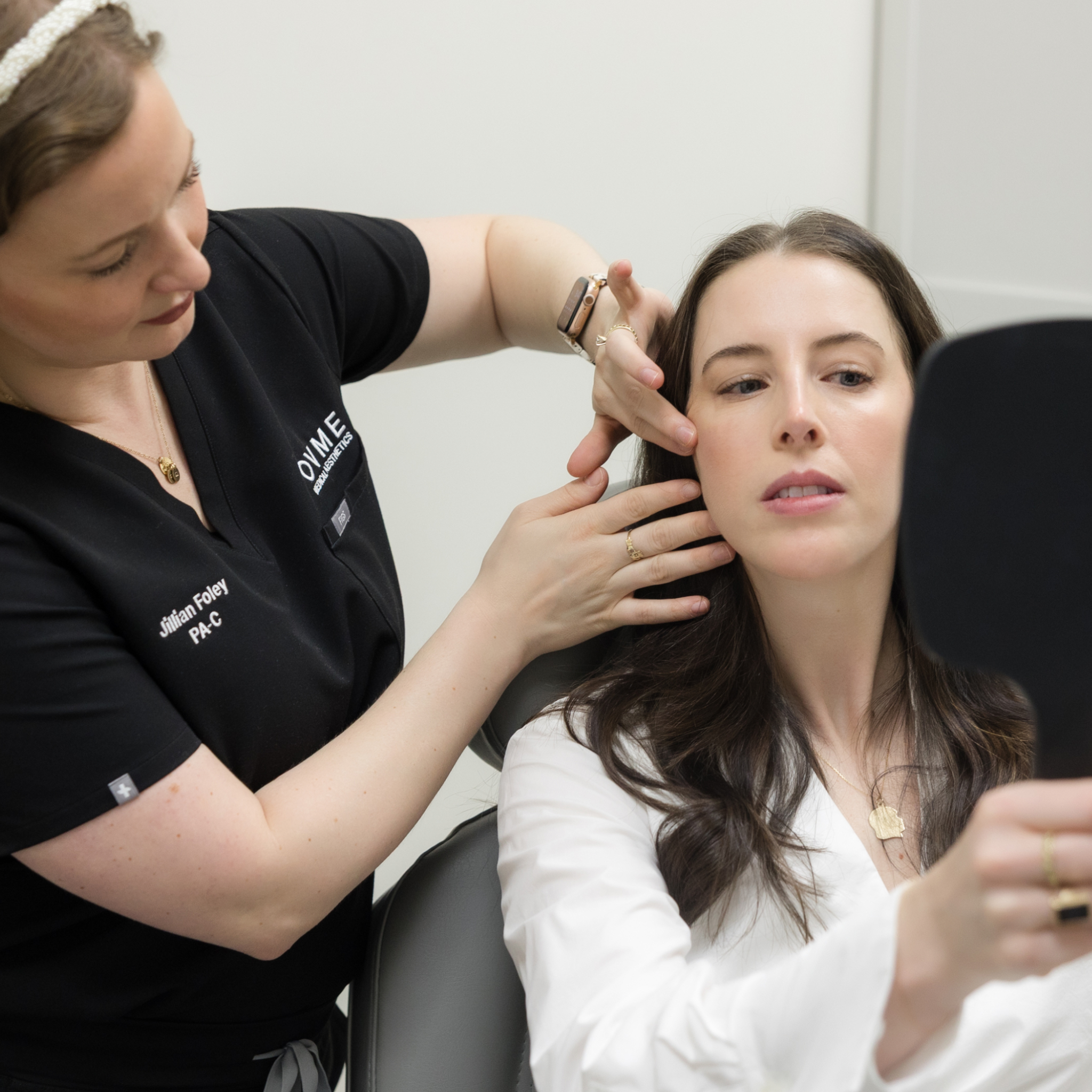
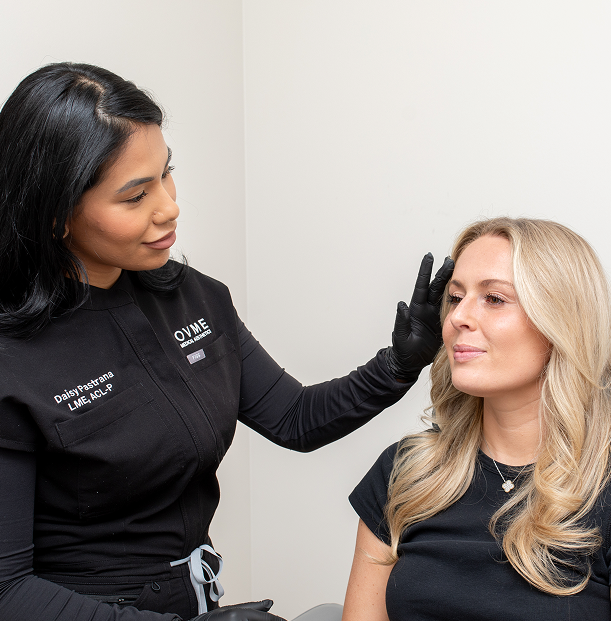
Microneedling with PRP brings two treatments together in one appointment. The microneedling triggers your skin’s own collagen production. The PRP, or platelet-rich plasma, is drawn from your own blood and delivers growth factors into the channels the needles create, which support healing and add to the post-treatment glow.
How Standard Microneedling Works
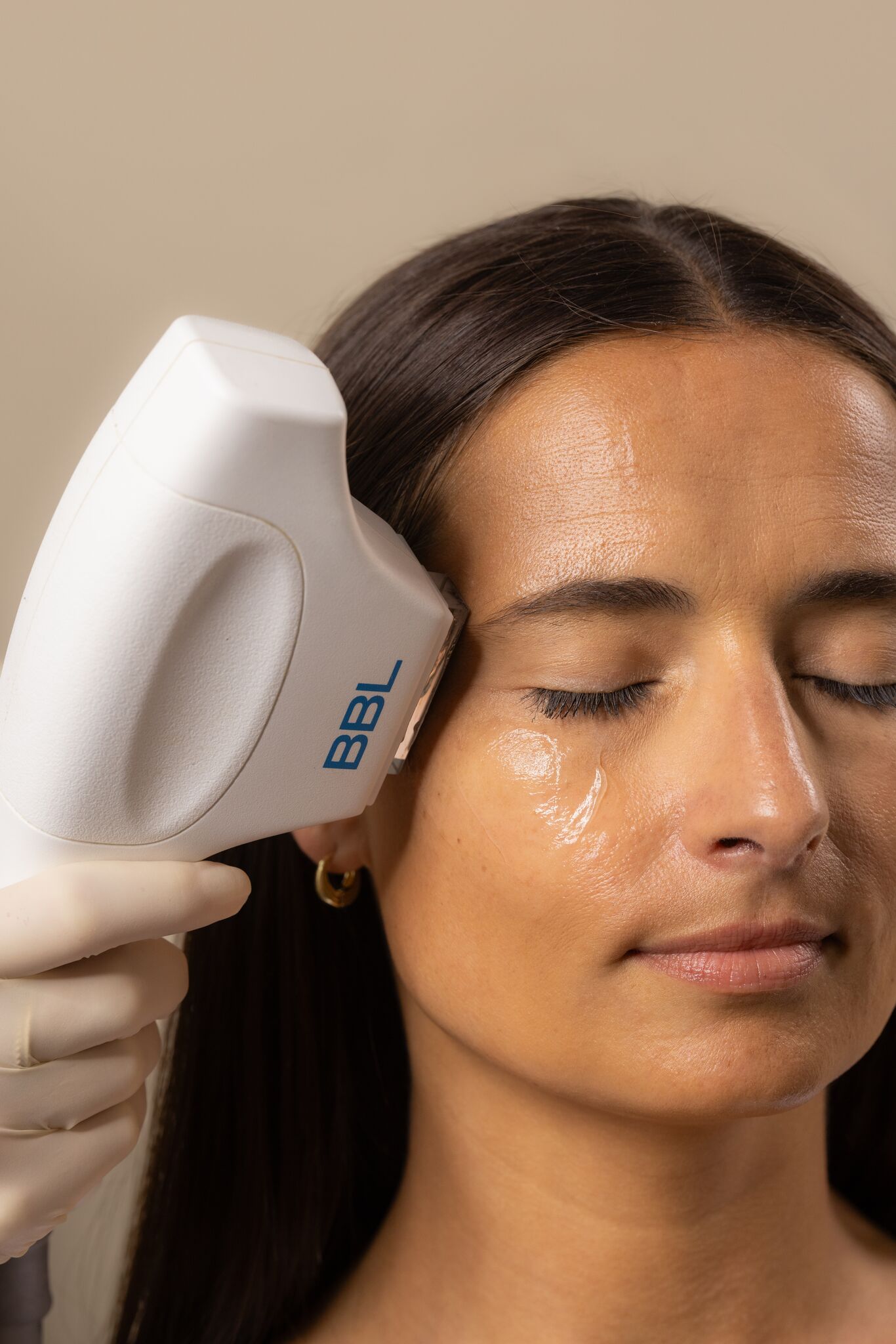
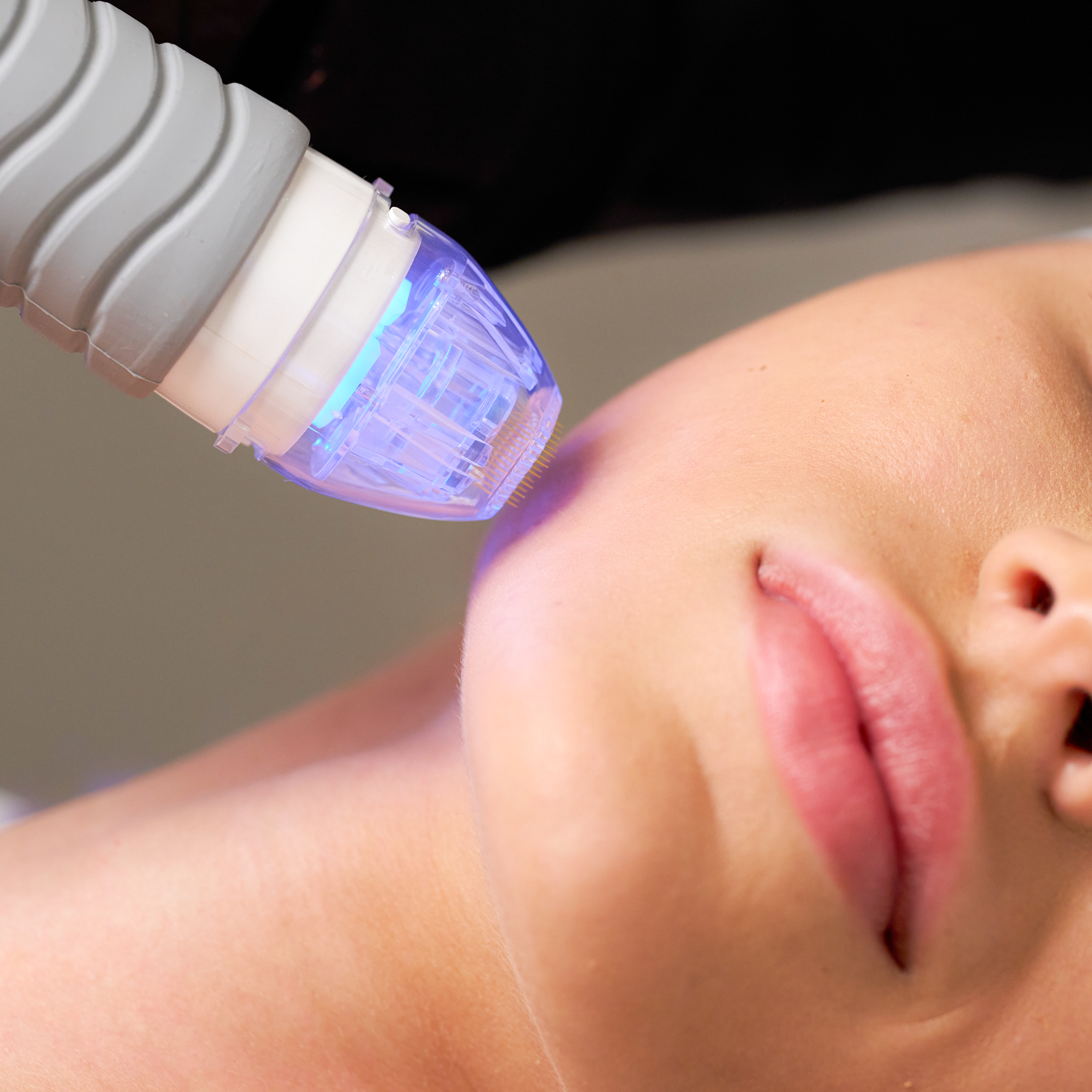
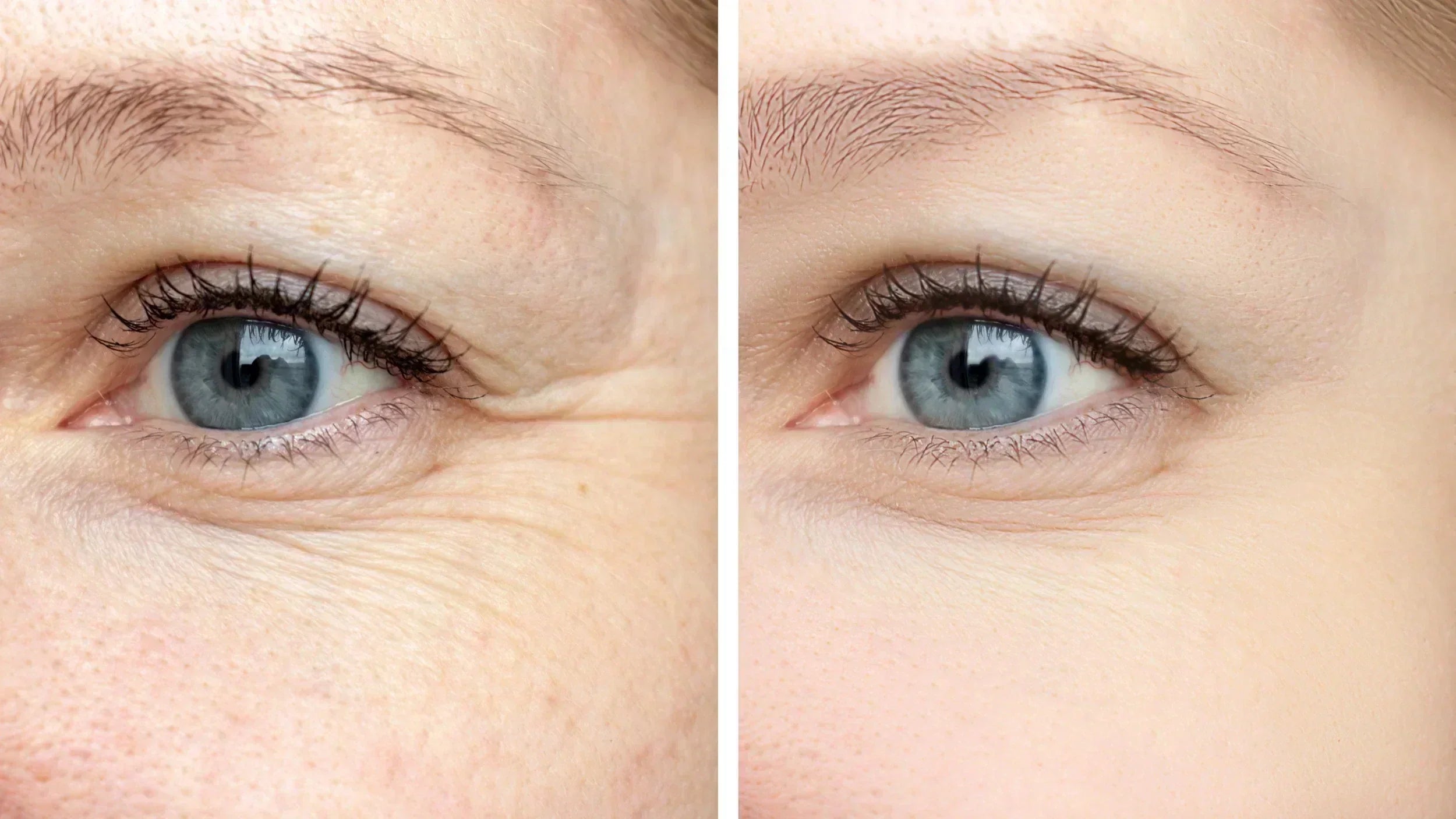
Microneedling uses fine, sterile needles to create controlled micro-injuries in the skin. They’re small and superficial, but deep enough to trigger your skin’s natural wound-healing response and start building new collagen. Over the weeks and months that follow, new collagen forms, gradually thickening the dermis and softening textural concerns like acne scars, enlarged pores, and fine lines.
OVME offers two microneedling options: RF microneedling, which adds radiofrequency energy in the deeper dermis to support collagen remodeling and skin tightening, and traditional SkinPen® microneedling. Both are performed as a series, with results building over months as collagen matures.
What PRP Is and How It’s Used
PRP, or platelet-rich plasma, comes from your own blood. Your provider draws your blood, then spins the tube in a centrifuge to separate the components, which concentrates the platelets and their growth factors into a plasma. They’re the same growth factors your body uses in its natural healing response, and they’ve been studied across a range of medical applications, from orthopedic injuries to dermatologic procedures.
In aesthetic medicine, PRP is used in two primary ways:
-
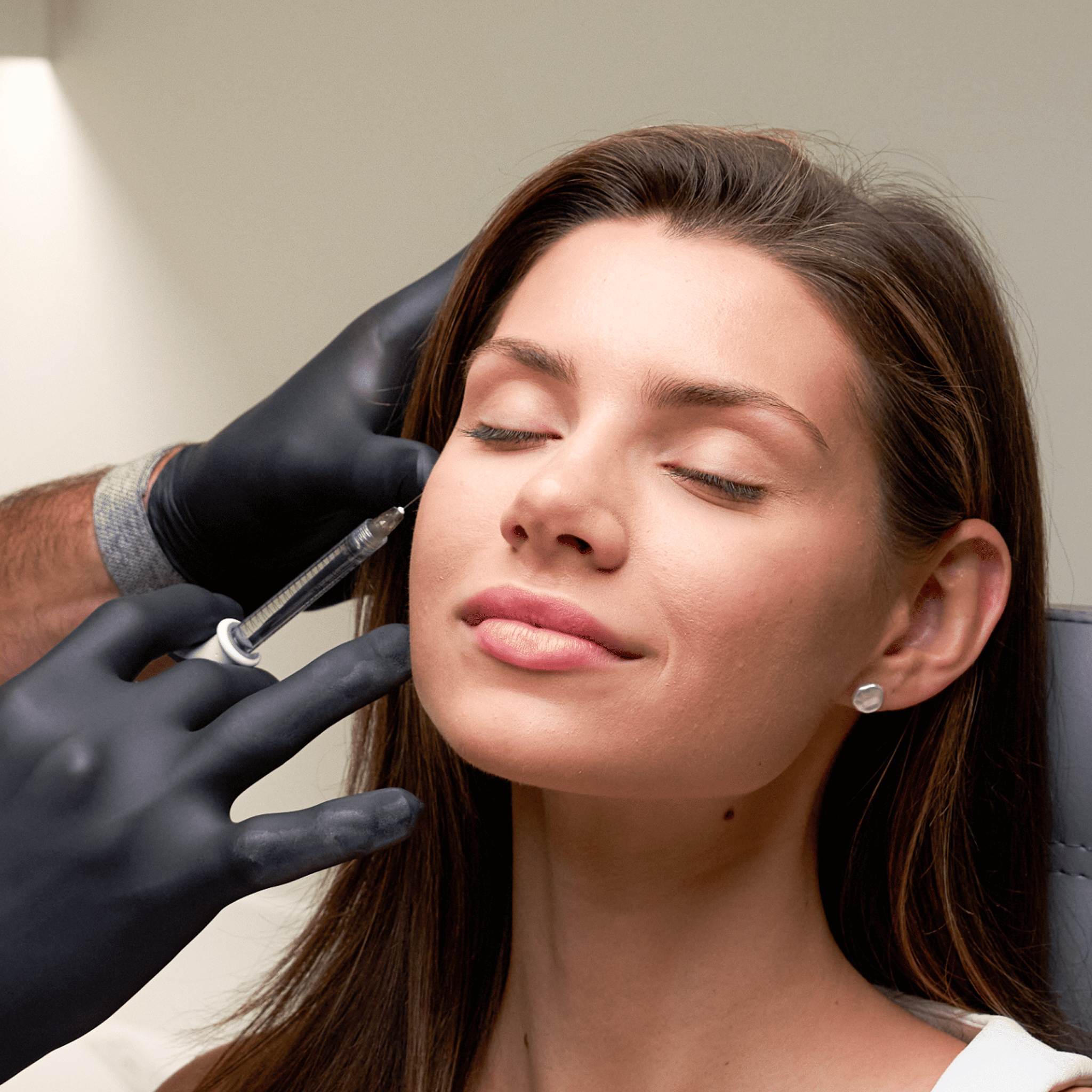
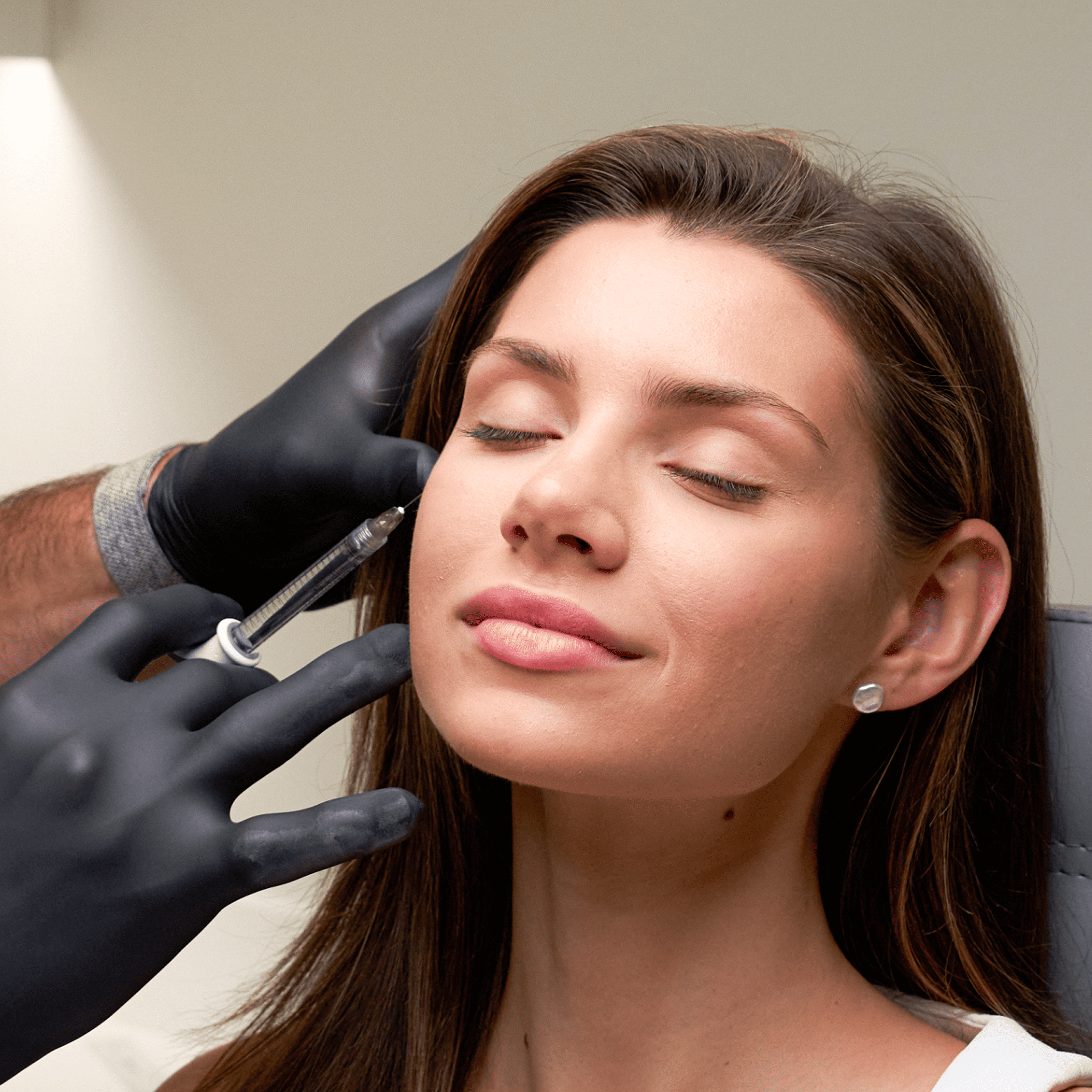
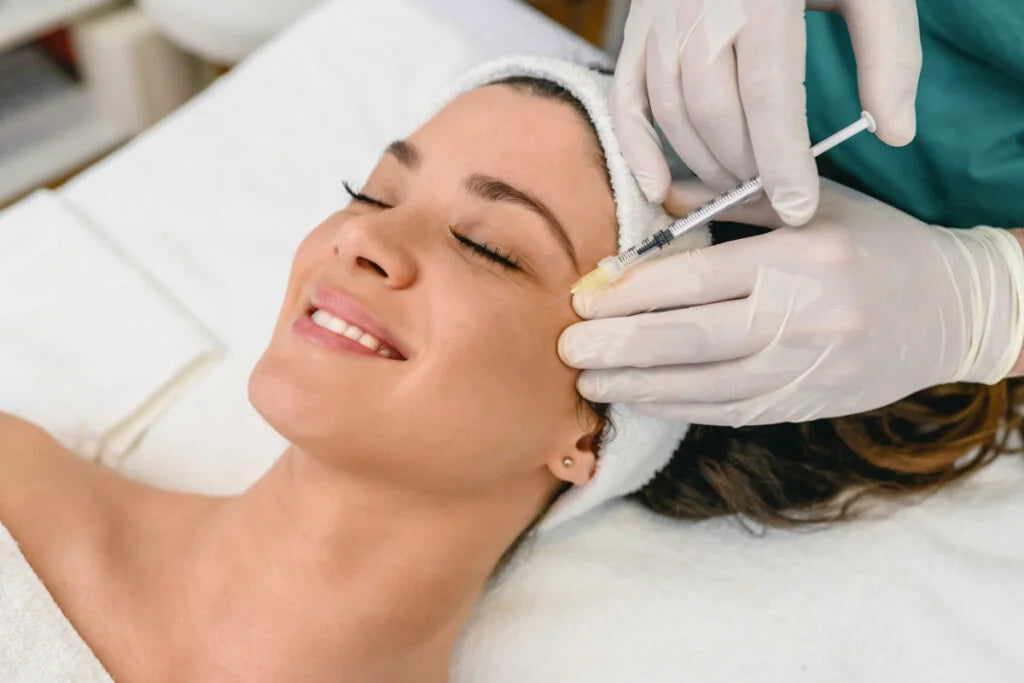
Injected directly into specific areas, commonly under the eyes for the tear trough region
-
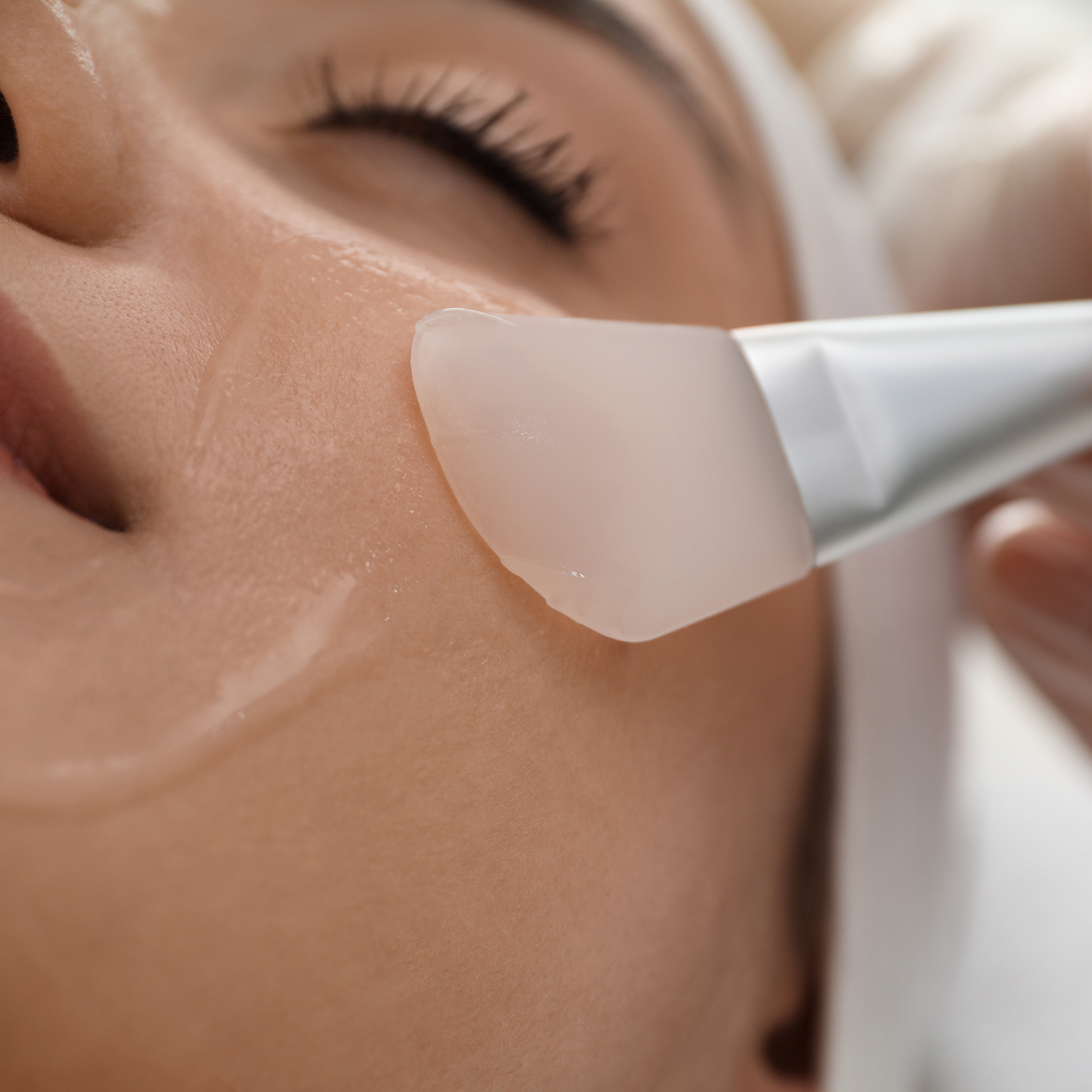
Applied topically during a microneedling session, where the channels created by the needles allow the PRP to be absorbed into the deeper layers of skin
Apply PRP topically during microneedling, and you’ve got what people call the “vampire facial.”
The Benefits: What Adding PRP to Microneedling Does
Microneedling creates the channels and prompts your skin’s collagen response. The PRP adds growth factors from your own blood that may support that response.
Here’s what patients and providers report most consistently:
-
Faster post-treatment healing: redness and downtime tend to resolve more quickly
-
Enhanced post-treatment glow that develops in the first week
-
Progressive texture and tone improvement as collagen builds over the following months
-
Layered benefit that combines collagen induction with growth-factor support
The Evidence Behind Microneedling with PRP
Microneedling is well studied as a collagen-stimulating treatment. A 2024 review of microneedling research found it well supported for texture improvement and acne scarring, and noted that combined approaches may add further benefit.
PRP layers on top of that. Platelet-rich plasma contains a concentrated mix of growth factors, the naturally occurring proteins your body uses to direct healing, build new tissue, and stimulate collagen. When they’re applied during microneedling, they absorb through the tiny channels the needles create, supporting the skin’s collagen response and overall repair.
Microneedling drives the collagen change, and that builds over months. PRP supports healing and adds to the early glow.
Who Is and Isn’t a Good Candidate
You’re likely a strong candidate if you have:
-
Mild to moderate textural concerns (acne scars, surface roughness, enlarged pores)
-
Fine lines and early signs of aging
-
Realistic expectations around a multi-session series
-
Healthy platelet function and no contraindications to blood draw
It’s usually not the right fit if you have:
-
Active inflammatory acne flares in the treatment area, since microneedling over actively inflamed acne is generally avoided
-
Active rosacea flares or skin infections
-
Bleeding or clotting disorders, or use of anticoagulant or blood-thinning medications
-
Recent isotretinoin (Accutane) use, where your provider will advise on timing
-
Pregnancy or breastfeeding, which is typically deferred while safety data are limited
-
Expectations of a one-session transformation
If you’re not sure where you fall, we’ll walk through it with you in-studio.
What a Microneedling-with-PRP Session Looks Like
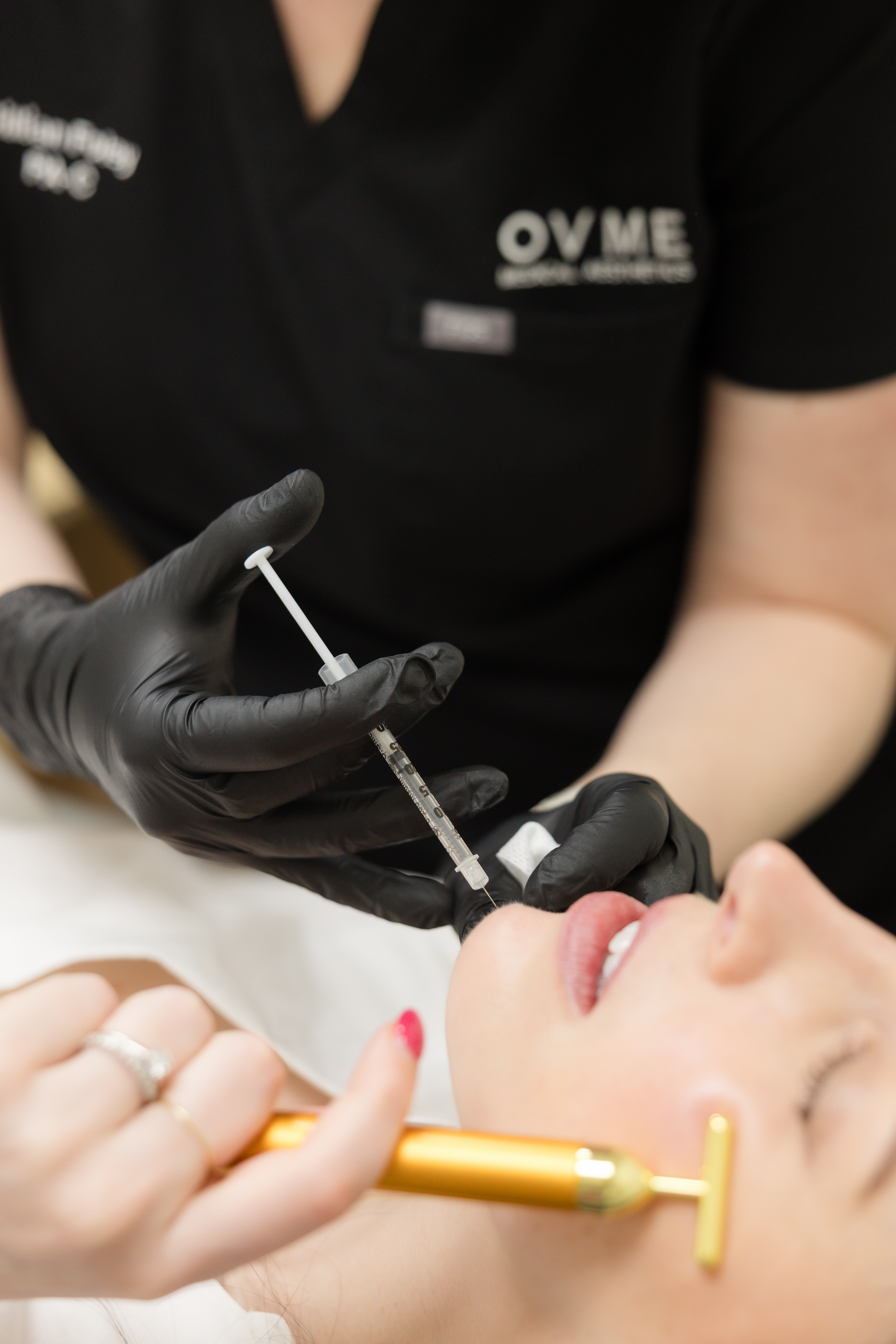
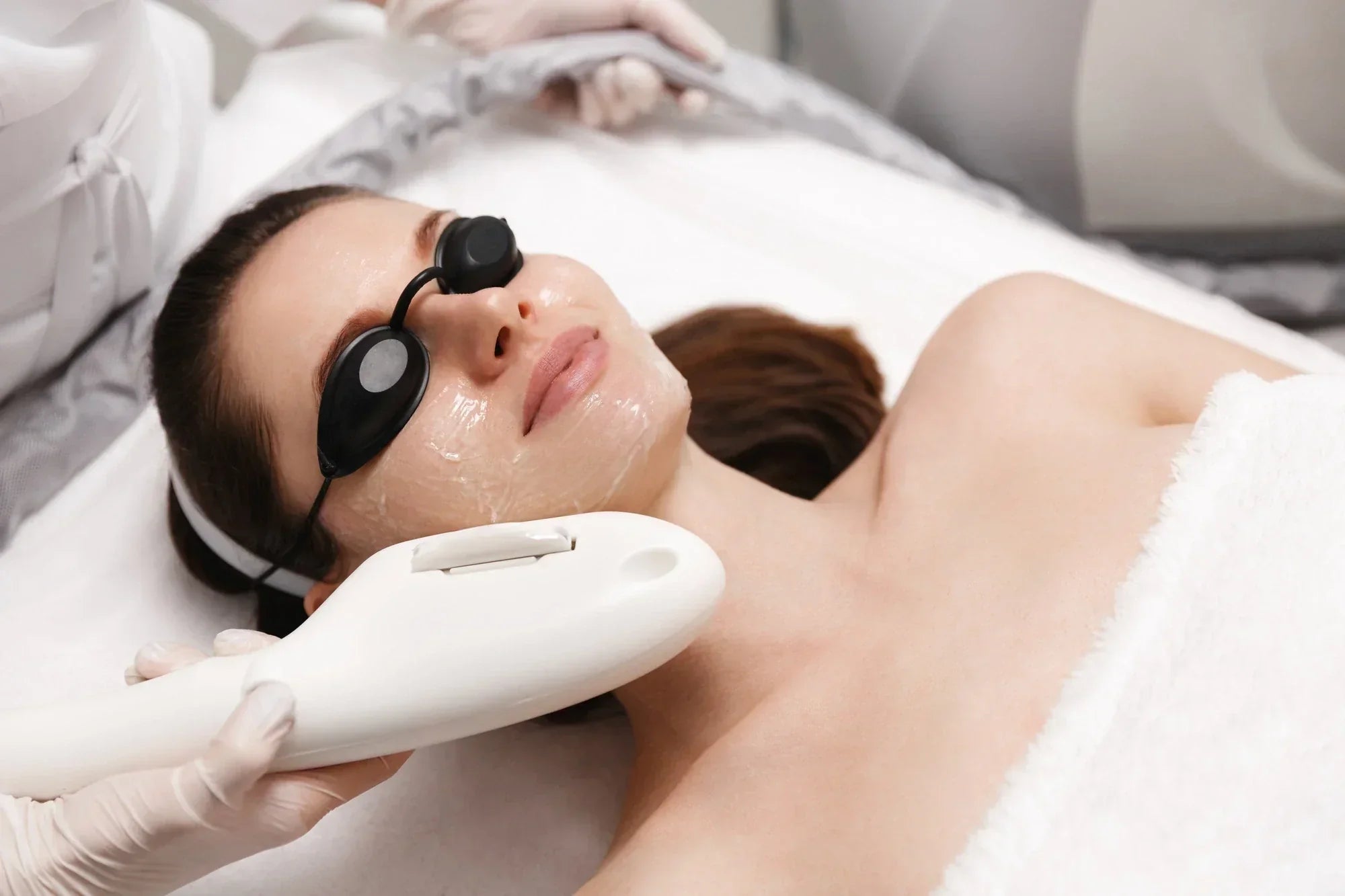
Day of treatment: - We’ll draw a small blood sample, similar to a routine blood test, and process it for PRP - Topical numbing cream is applied and given time to take effect - Microneedling is performed across the treatment area, with PRP applied topically immediately after - Plan for a longer appointment than standalone microneedling, since the blood draw and processing happen first
Days 1 to 3, recovery: - Redness similar to a sunburn - Mild swelling that usually settles within the first couple of days - Possible pinpoint scabbing that flakes off over the following days - Tightness and mild dryness, so gentle skincare and mineral sunscreen are recommended
Week 1: - Most redness clears within a few days - A subtle initial glow may be visible by the end of the week - Once the skin barrier has closed, your provider will tell you when it’s fine to go back to makeup
Collagen development: - New collagen forms progressively in the weeks after treatment - Texture change builds gradually rather than arriving all at once
Treatment plan: - Most plans run as a short series of sessions spaced a few weeks apart - Your provider sets the number, the spacing, and the maintenance cadence for your skin
Plan for the full series rather than a single visit. Most of the change builds gradually as collagen matures.
What Microneedling with PRP Costs
Adding PRP costs more than microneedling on its own, since it involves a blood draw and time to process the plasma. Microneedling with PRP is priced as a series plus periodic maintenance rather than as a single visit.
OVME pricing is confirmed at a complimentary consultation, before treatment, once your provider has built the plan. You can also review OVME’s treatment pricing.
Your provider can tell you at the consultation whether PRP is worth adding for your concern.
Choosing a Provider
Your provider’s expertise drives the outcome here. Here’s what to look for:
-
Licensed medical providers performing the treatment, working under appropriate medical supervision
-
A thorough in-person skin assessment before the first session
-
A personalized plan with the reasoning behind every recommendation, and the willingness to recommend a different treatment when it’s a better fit for your concern
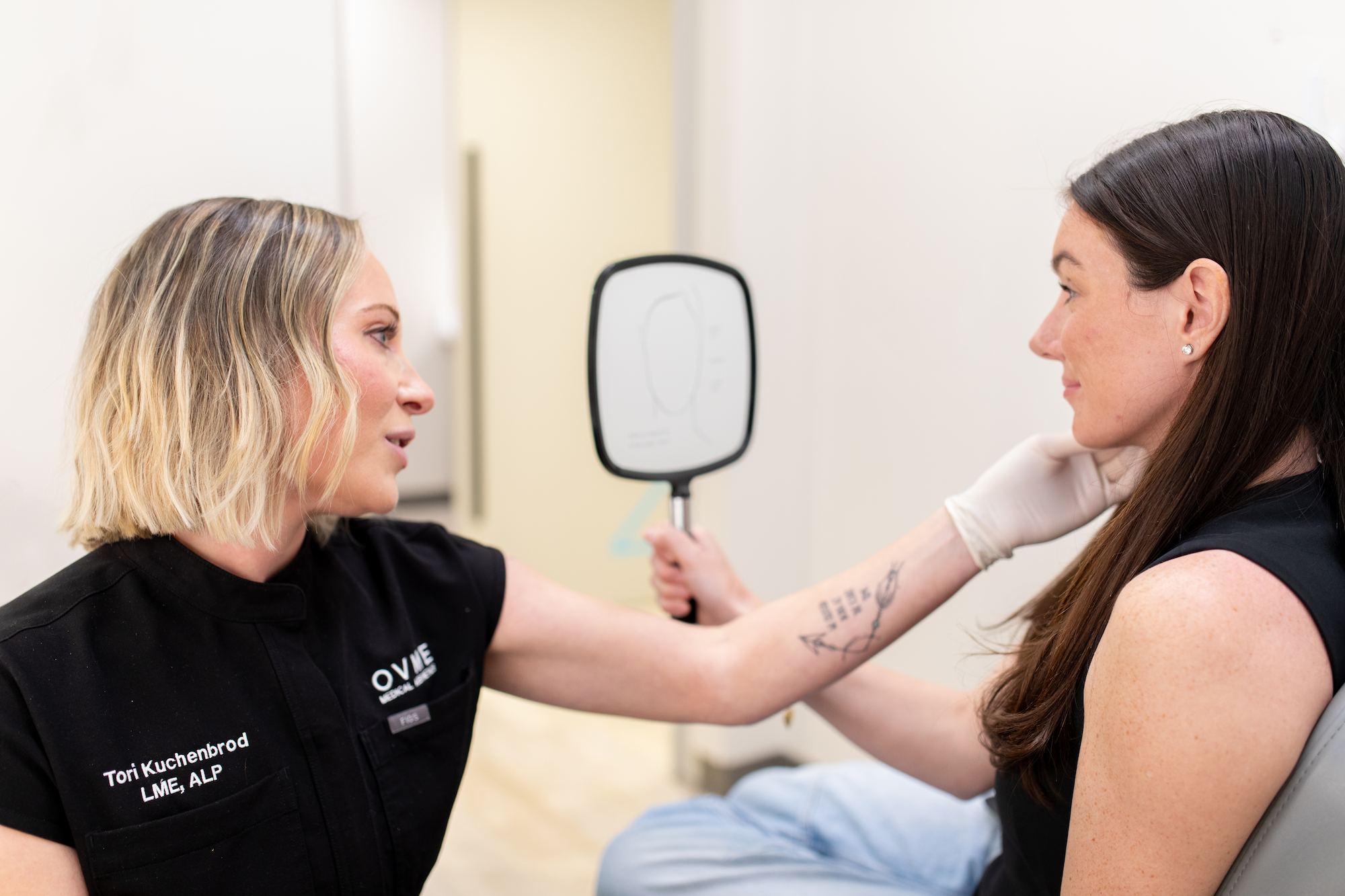
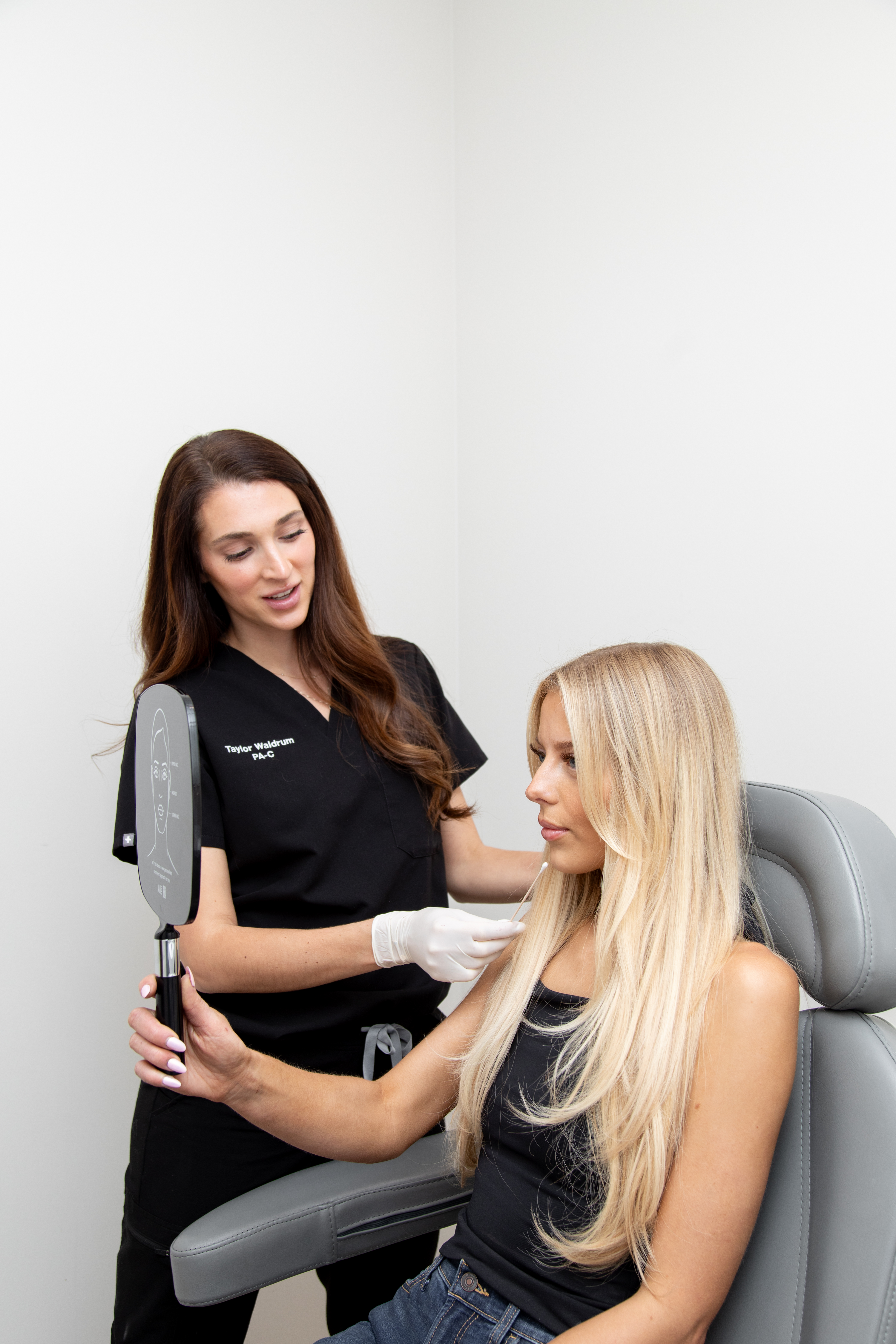
At OVME, an in-studio consultation starts with VISIA® imaging and a conversation about your goals. Treatments are performed by registered nurses, nurse practitioners, and physician assistants, all supervised by medical directors who are board-certified plastic surgeons. Your provider then builds a sequenced plan with transparent pricing.
Ready to Talk to a Provider About PRP and Microneedling?
If you’ve been weighing microneedling with PRP against other texture treatments, start with a complimentary consultation. Book in-studio and your provider will take VISIA® imaging, your goals, and your medical history into account, then build a personalized plan with transparent pricing.
For texture, scarring, and collagen-stimulating goals, OVME’s menu includes microneedling, RF microneedling, PRFM Gel, and Under Eye PRP. Your provider will recommend which of these fits your skin and sequence them over time.
Find a studio location near you. For broader context on how OVME approaches texture-related treatment planning, see the guides to the best treatment for skin texture and the best skin treatments for acne scars.
Frequently Asked Questions
Does microneedling with PRP actually work?
Microneedling is well studied for texture and acne scarring, and in practice the change is gradual. The microneedling prompts your skin’s own collagen response, and the PRP adds growth factors from your own blood that may support healing. Most people notice texture and glow building across a series rather than after one appointment, so photos taken at week 1 rarely show what the treatment is designed to deliver.
How long does microneedling with PRP last?
PRP mostly supports healing and the early glow. How long your result holds depends on your age, skin condition, sun exposure, and ongoing skincare. Maintenance is usually a single session rather than a repeat of the full series, and your provider sets the cadence for your skin.
Is microneedling with PRP better than regular microneedling?
They do different things, so it depends on your goal. The structural change comes from the microneedling, and the PRP may support healing and add to the early glow on top of that. If acne scarring or surface roughness is your main concern, PRP is an addition rather than the thing doing the work.
How many sessions of microneedling with PRP do you need?
Most plans run as a short series spaced a few weeks apart, with your provider setting the number for your skin. The spacing matters as much as the count, because each session builds on the collagen response from the one before. Going more quickly doesn’t speed up the result. Your provider maps the schedule at your consultation.
What’s the difference between PRP and PRFM?
PRP, or platelet-rich plasma, is a concentrated form of your own plasma containing growth factors, prepared by drawing a small amount of blood and processing it in a centrifuge. The “vampire facial” is the marketing name for microneedling with PRP applied topically during the procedure. PRFM, or platelet-rich fibrin matrix, is a newer preparation that adds a calcium-based activator to form a fibrin matrix, which clinical sources describe as supporting a more gradual release of growth factors. At OVME, PRFM Gel and Under Eye PRP are injectable treatments and microneedling is its own service.
Keep on reading