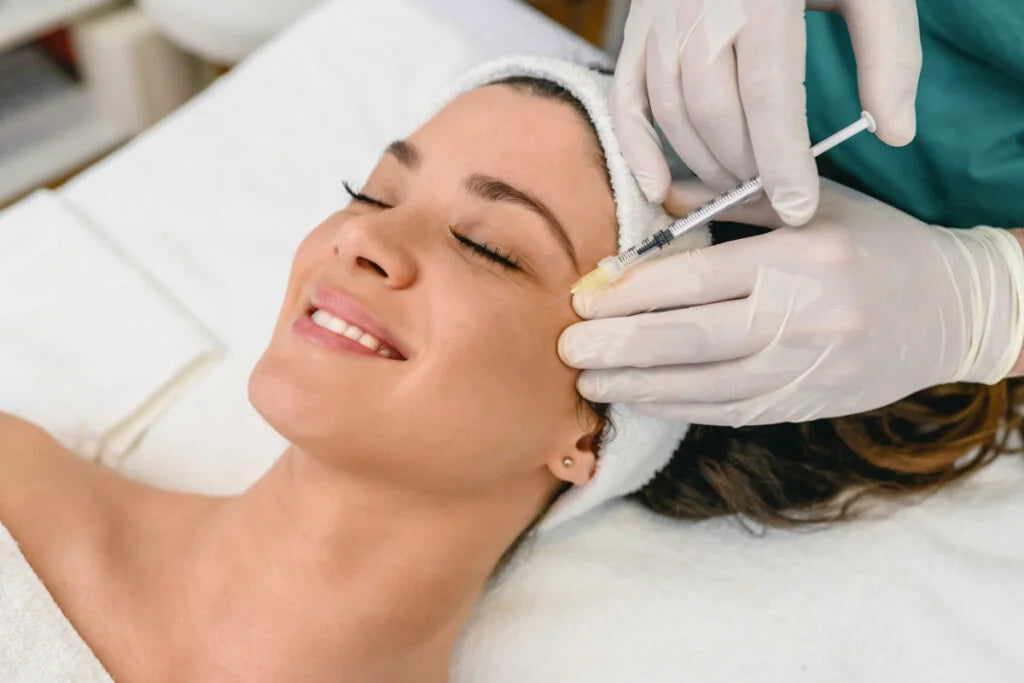
What Is Facial Balancing: How Fillers Create Natural Harmony

Facial balancing is the practice of enhancing multiple areas of the face to bring a natural, more balanced look. This article walks through what facial balancing is, which areas can be treated, how dermal fillers and neuromodulators work together, and what to expect from the consultation process.
What Is Facial Balancing?
Facial balancing is an injectable treatment approach that evaluates the face as a whole — assessing how zones like the cheeks, chin, jawline, temples, and lips relate to each other — and uses strategically placed dermal fillers, sometimes combined with neuromodulators, to create better harmony across all features. Instead of treating one feature in isolation, it builds a plan around how your features look together.
That distinction matters. A facial balancing assessment looks at the lip relative to the chin, the chin relative to the jaw, and the jaw relative to the cheek. Often, the feature you focus on isn’t where the imbalance actually lives.
Some injectors reference the golden ratio (approximately 1.618) as a loose framework for thinking about facial thirds and feature relationships. It’s a flexible guide, not a rigid template — assessment is always individualized by anatomy, gender, and ethnicity. The goal is to enhance the proportions you already have, not impose a formula on them.
Why Facial Harmony Matters: The Anatomy of Proportion
Looking at yourself and wondering what’s changed is a common experience, and it’s often hard to name what you’re seeing because facial features are deeply interconnected. The brain reads the face as a system, and when one zone is slightly out of proportion with the rest, it can subtly pull focus.
A recessed chin can make the nose appear more prominent than it actually is. Flat or volume-depleted cheeks can make the midface look drawn, which makes the under-eye area look more hollow than it would otherwise. A jawline without definition can soften the whole lower face, even if every individual feature is fine in isolation. These relationships only become visible when the face is assessed as a whole.
Natural asymmetry is universal. Facial balancing isn’t about symmetry perfection — it’s about better proportion, so your features read as harmonious together rather than competing for attention.
How Facial Balancing Works: The Multi-Zone Approach
What separates a balancing plan from a quick fix is the assessment that comes before any product is injected. A trained provider studies the whole face first, identifies which zones are contributing to imbalance, and plans treatment across multiple zones — sometimes in one session, sometimes phased over a few.
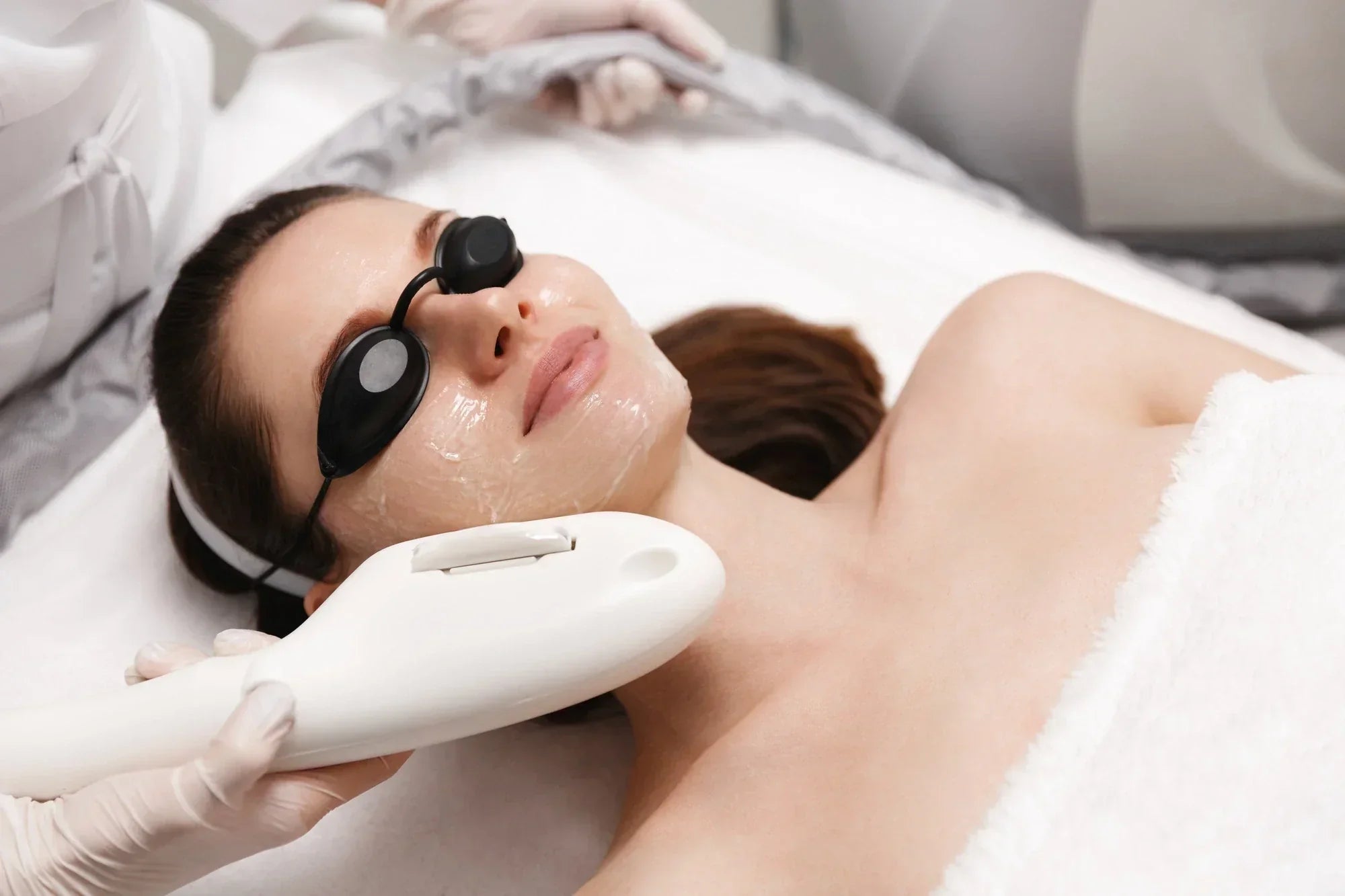
That assessment is exactly where OVME’s process starts. Every facial balancing consultation begins with VISIA Skin Analysis — a data-driven imaging system that captures skin texture, pigmentation, sun damage, pore quality, and surface symmetry to create a documented baseline before any treatment decision is made. That baseline informs which zones get prioritized and why.
From there, treatment planning works across the zones that typically contribute to facial proportion:
-
Cheeks — midface volume and projection
-
Chin — lower-face proportion and projection
-
Jawline — definition and contour
-
Temples — upper-face framing and volume
-
Tear troughs — under-eye volume and transition
-
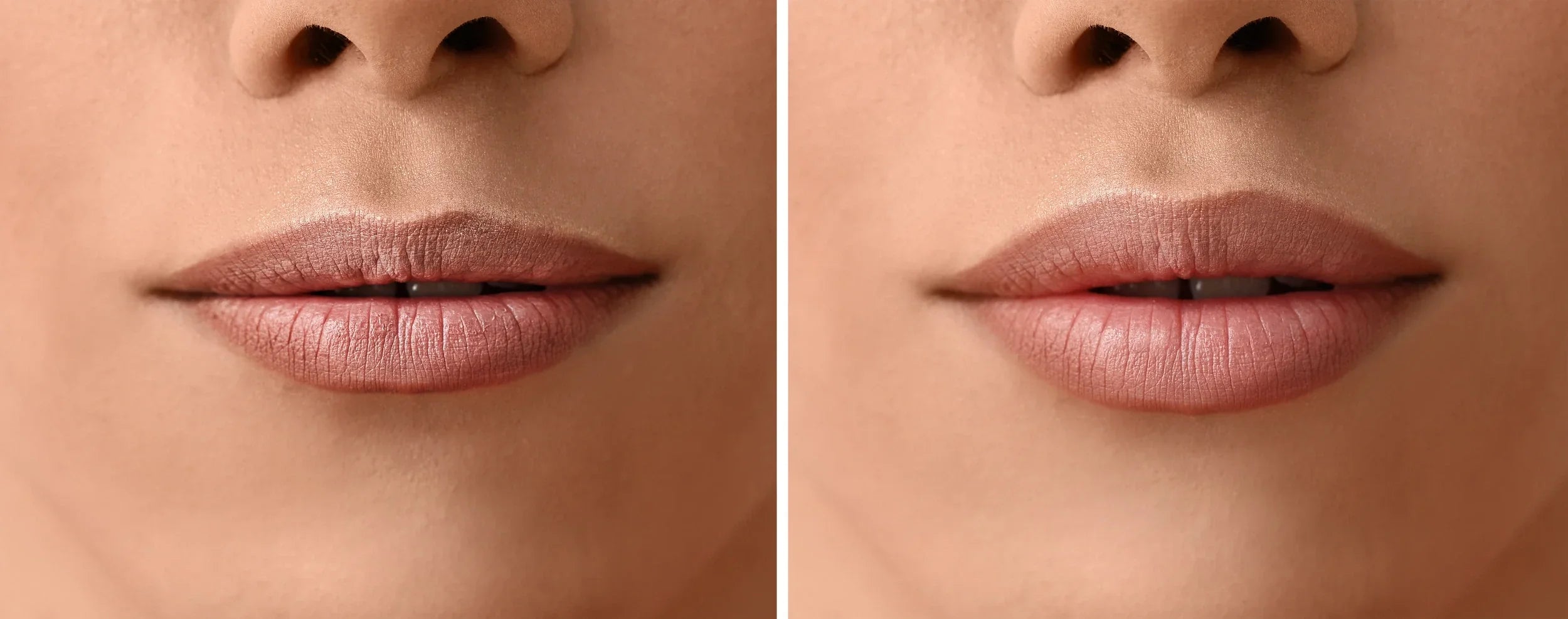
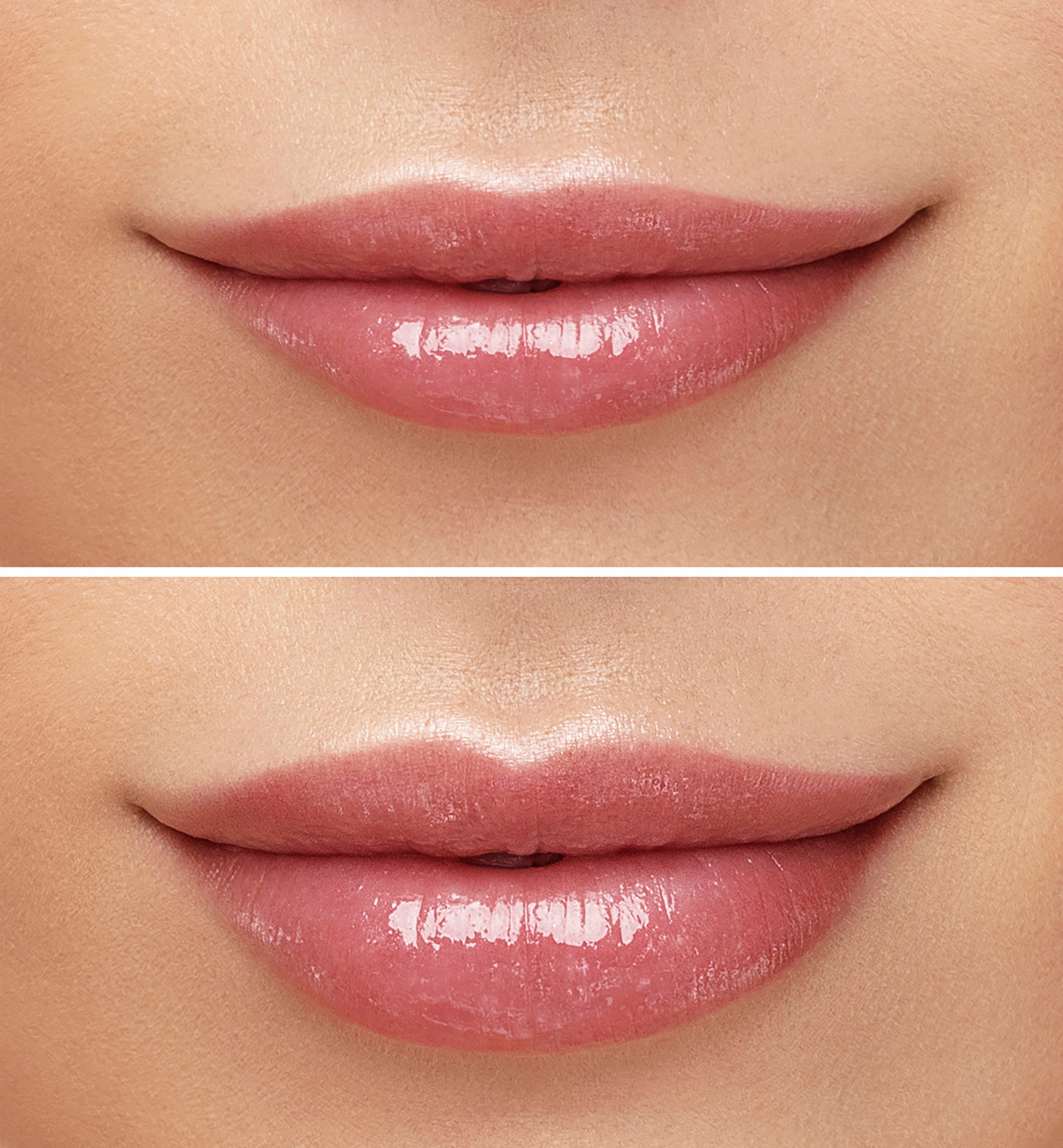
Lips — proportion within the lower face
Not every zone is treated in every plan. The strength of the multi-zone approach is that the provider chooses which combination — sometimes two, sometimes four — will create the most harmonious overall result for your specific anatomy.
Which Treatments Are Used in Facial Balancing
Facial balancing is primarily a dermal filler approach, with neuromodulators used in a complementary role and collagen biostimulators available as a separate, longer-term option for the right patient.
HA Dermal Fillers — The Primary Tool
Hyaluronic acid (HA) dermal fillers are the structural workhorse of facial balancing. They restore volume, refine contours, and improve proportion in the cheeks, chin, jawline, temples, tear troughs, and lips. Results are visible immediately. They are a very safe product family for facial balancing — their key clinical advantage is reversibility.
Dermal fillers at OVME include the two leading HA families: Juvederm® and Restylane®. What differentiates these products clinically is their rheology — the gel consistency, structure, and way the product interacts with tissue. Different rheologies suit different zones, and your provider chooses the right product based on your anatomy and the area being treated. For a deeper look at how OVME selects between these families, see the guide to the best injectable filler brands, and for more on how HA fillers work, see the benefits of dermal fillers overview.
Neuromodulators — The Complementary Tool
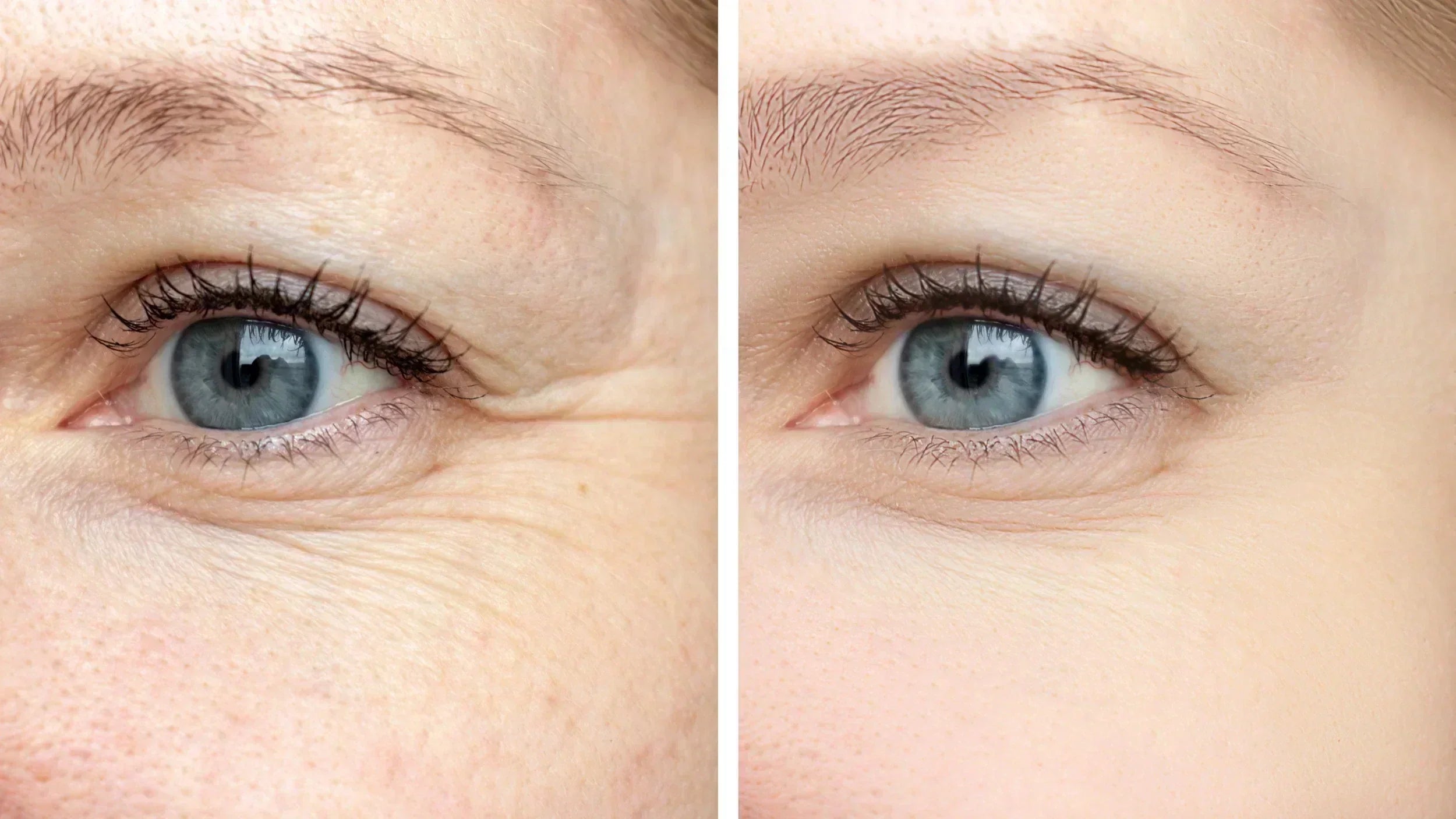
Botox® and Dysport® play a supporting role in many facial balancing plans. The most common applications in a balancing context are masseter reduction — relaxing the muscles along the jawline to soften and slim the lower face — and dynamic line relaxation that complements the structural work fillers are doing. Brow positioning is another use case in select patients. For more on how OVME approaches the differences between the two neuromodulators, see Dysport® vs Botox®: making the right choice for your needs.
Neuromodulators don’t add volume; they modify muscle behavior. Used alongside filler, they refine motion and shape. Your provider determines the appropriate dose and product based on your anatomy and goals.
Sculptra® — A Separate, Collagen-Stimulating Option
Sculptra® is sometimes mentioned alongside facial balancing, but it is its own category. Sculptra® is a collagen biostimulator — it works by gradually stimulating your body’s collagen production over months, not by adding immediate volume. It is not an HA filler and is not a facial balancing product in the structural sense.
For patients with broader collagen loss or significant overall volume depletion, Sculptra® can complement an HA filler plan as a longer-term foundation — but the placement, mechanism, and timeline are distinct from the immediate-volume work facial balancing involves. For a broader context on how multiple injectables can be planned together, see OVME’s overview of full-face injectable planning.
What to Expect: From Assessment to Final Result
The patient experience for facial balancing follows a predictable arc. Knowing the rhythm makes the whole process less abstract.
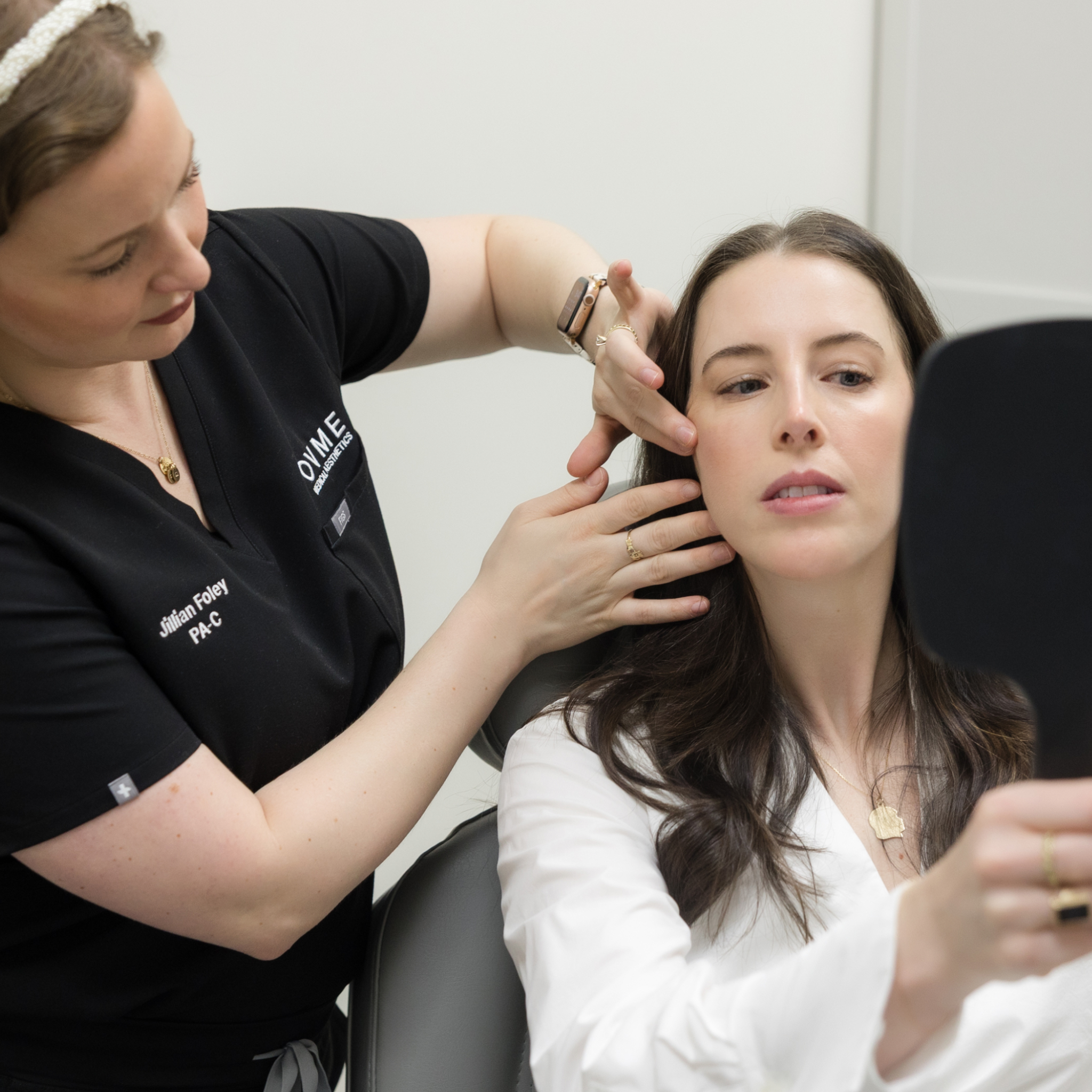
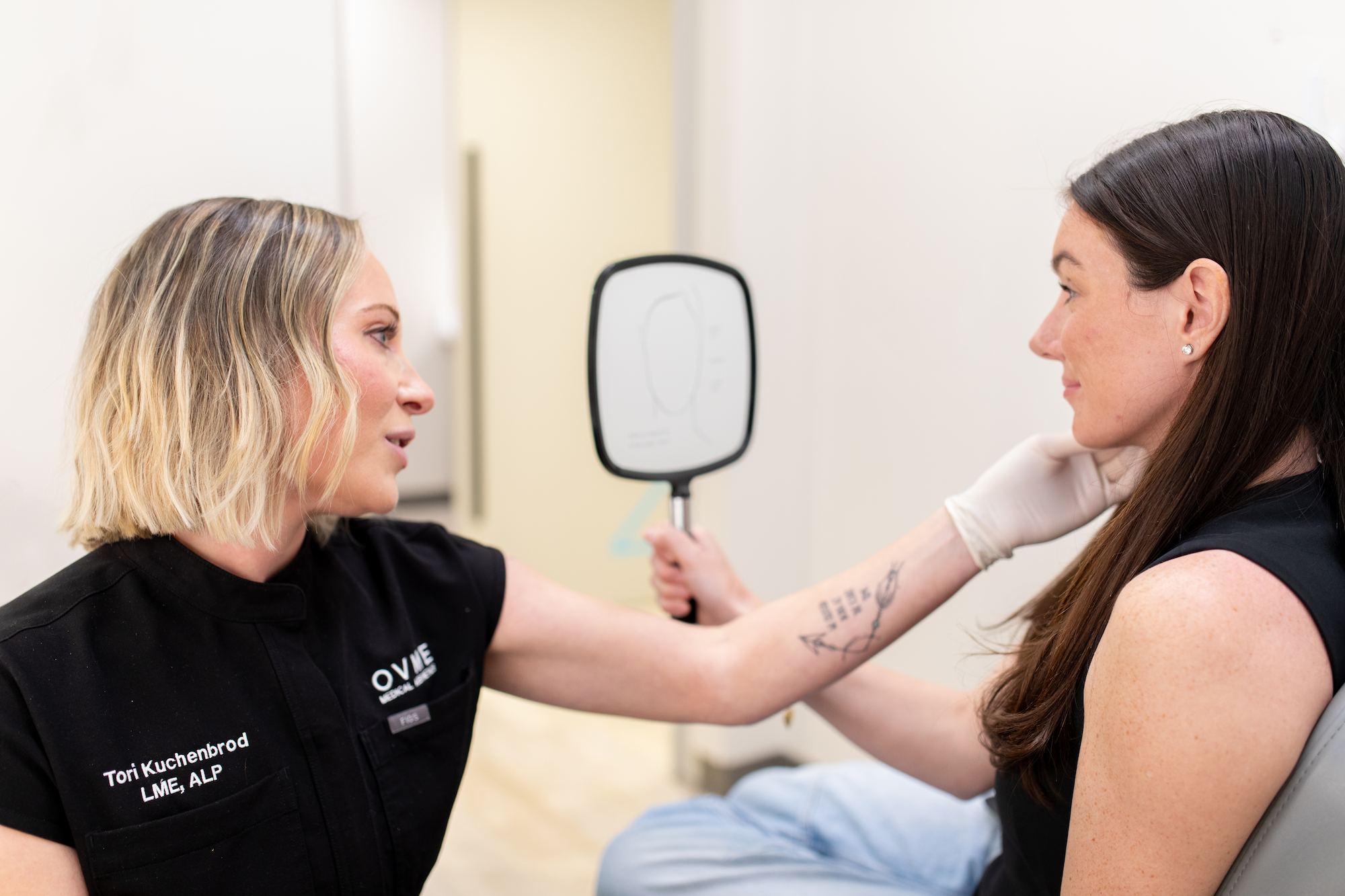
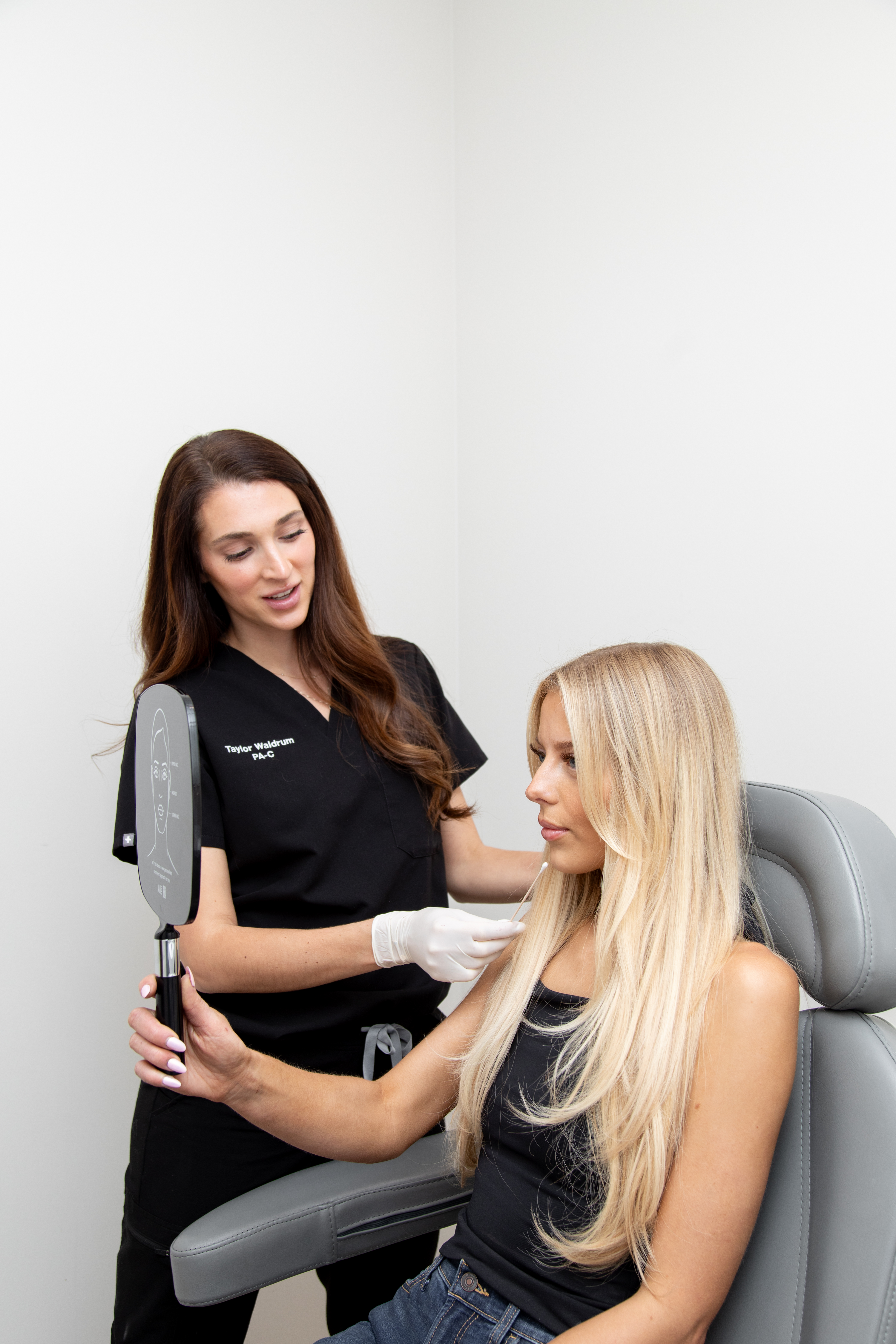
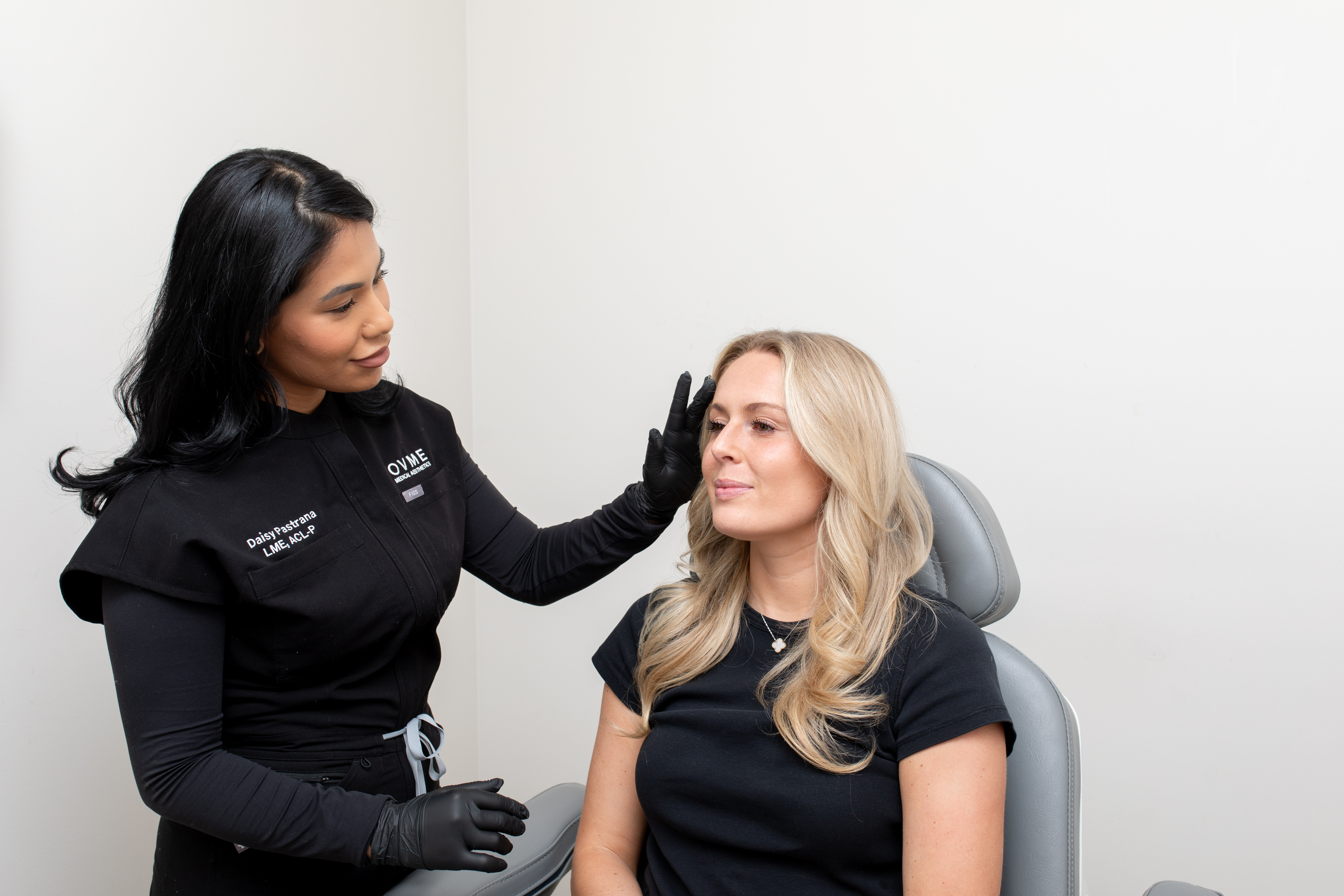
Consultation. Your provider listens to your goals first — what feels different, what you want to enhance, what you’re hoping to avoid. A whole-face assessment follows (with VISIA imaging where available), and the provider walks you through a personalized plan with the reasoning behind each zone.
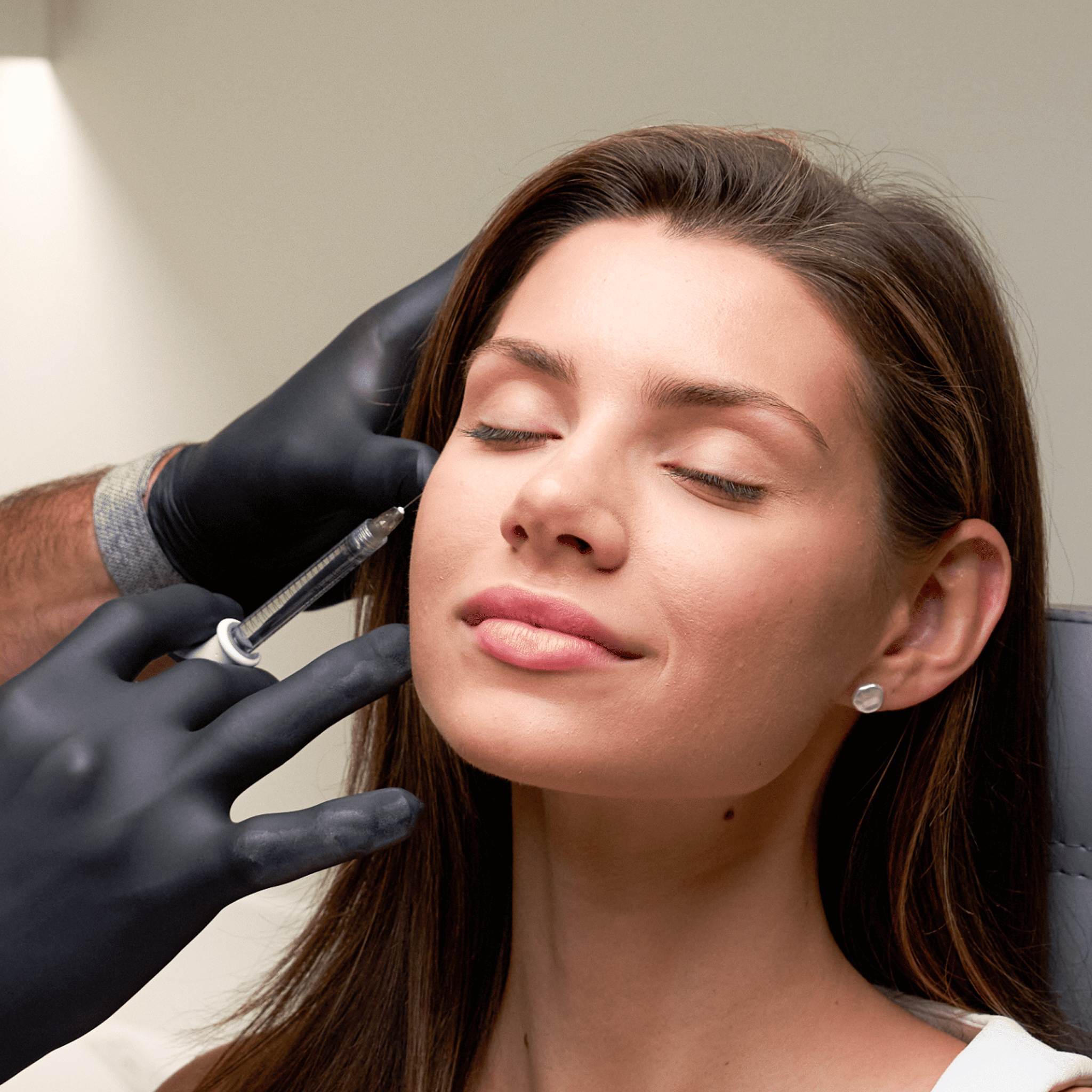
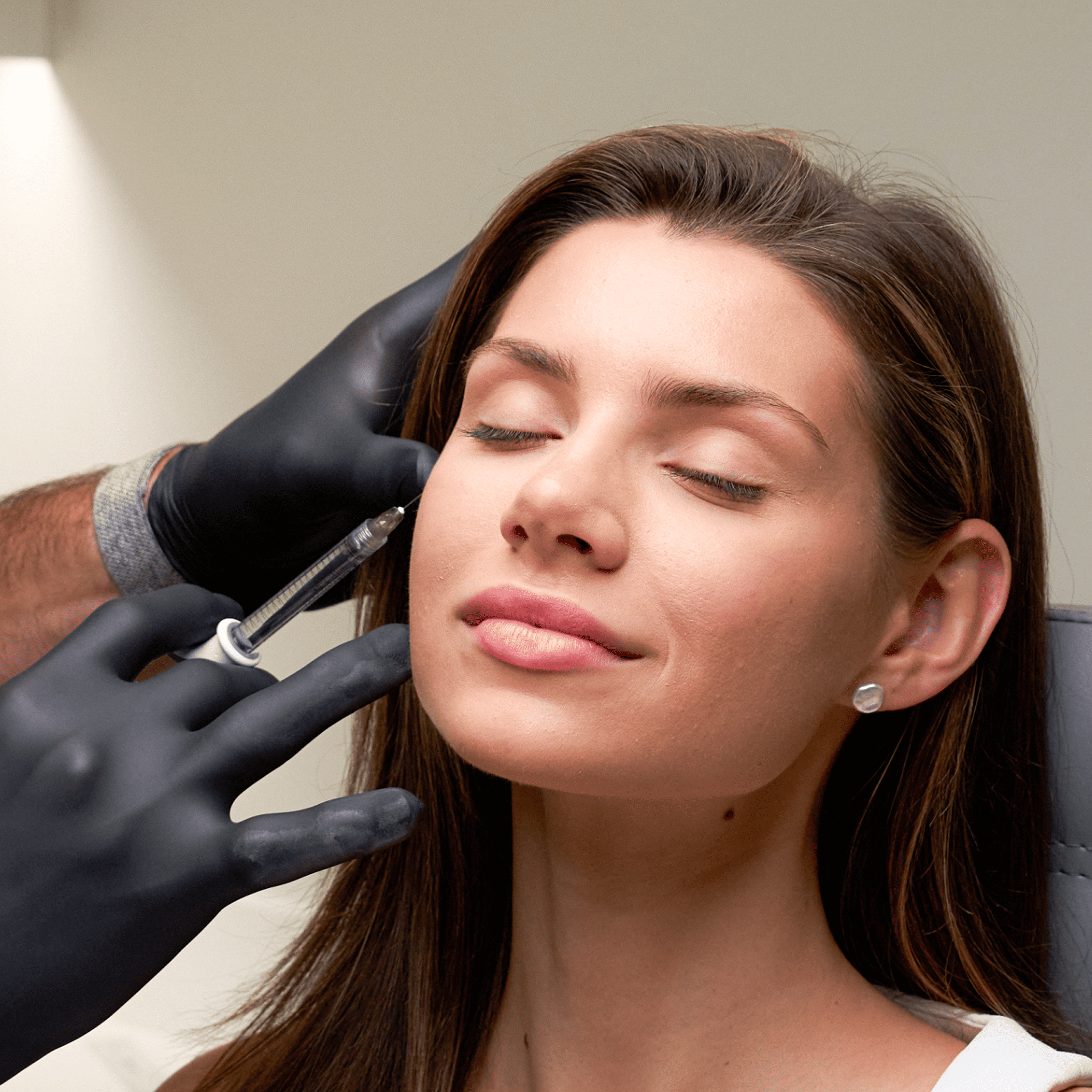
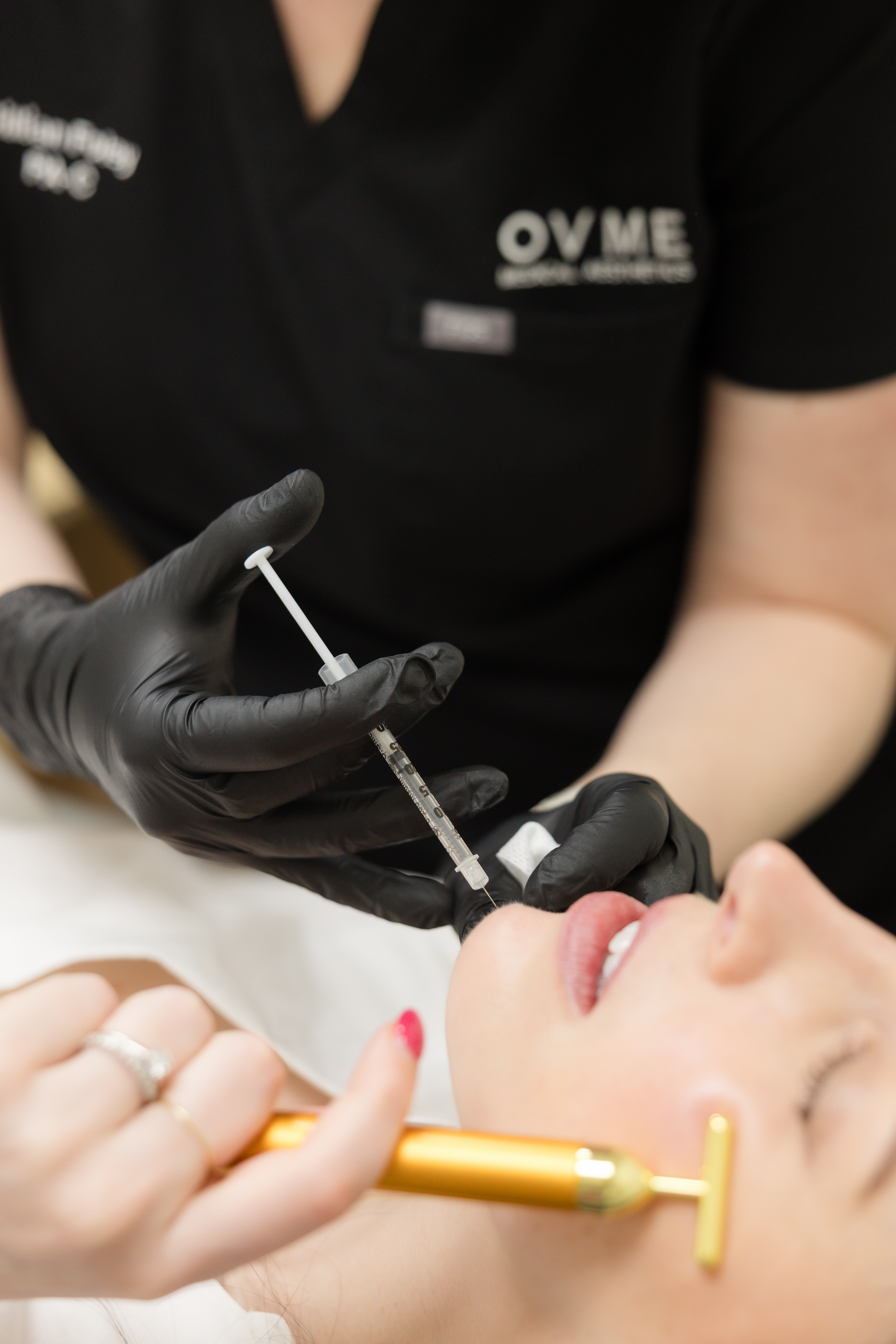
Treatment session. Most sessions run 30 to 60 minutes, depending on how many zones are treated. A topical numbing cream is applied first, and most patients describe the injections as manageable pressure rather than sharp pain.
Recovery. Mild swelling and redness at the injection sites are standard immediately after, with most people returning to normal activity the same day. Swelling and bruising typically resolve in 3 to 5 days but can take up to 2 weeks. Final results become fully visible at 2 to 4 weeks as the product settles into the tissue — the settled result is typically more refined than what you see walking out of the studio.
Longevity. Results from HA fillers typically last 6 to 18 months. Structural zones like the chin and jawline tend to metabolize filler slower than higher-movement areas like the lips. Your provider will recommend a maintenance cadence based on your plan, and transparent treatment pricing makes it easy to plan.
Who Is a Good Candidate for Facial Balancing?
Candidacy for facial balancing is determined by an in-person assessment, not by a checklist. The best indicator that facial balancing might fit your goals is the desire for a whole-face plan rather than a single-area quick fix — and a preference for natural-looking results that enhance the proportions you already have.
The only way to know for certain whether facial balancing is right for you is an in-person assessment with a licensed provider. Anatomy varies enormously across individuals, and the consultation is where candidacy gets confirmed and the plan gets built.
Facial balancing is increasingly common for male patients as well — jawline definition, chin projection, and midface support are frequent goals, typically planned with proportions that suit a masculine facial structure.
The OVME Approach to Facial Balancing
A whole-face assessment only works if the provider has the necessary training, the tools to assess it objectively, and a full enough injectable menu to treat it precisely. That combination shapes how OVME approaches facial balancing.
VISIA Skin Analysis is the starting point. Every facial balancing consultation begins with VISIA imaging — capturing texture, pigmentation, sun damage, pore quality, and structural symmetry as an objective baseline. Both you and the provider look at documented imaging that supports the plan, not just visual judgment across the consultation table.
A complete injectable menu. Multi-zone planning requires more than one tool. OVME offers HA fillers (Juvederm® and Restylane®), Botox® and Dysport®, and Sculptra® — so your provider can use the right modality for each zone rather than forcing one product into every role.
Listening-first consultation. The assessment starts with your goals and expectations — what feels different, what you want to enhance, what you specifically don’t want. Product recommendations come second, with reasoning explained for each zone. Consultations are complimentary, in-studio or virtual, and bookable through the OVME app or your local studio page.
Provider model. OVME treatments are performed by registered nurses, nurse practitioners, and physician assistants, all supervised by medical directors who are board-certified plastic surgeons.
Start With the Whole Picture
Facial balancing works because it depends on someone with a trained eye looking at all your features together and identifying where small, strategic adjustments will create the biggest improvement in how the whole face reads. If you’ve had the sense that something feels different but couldn’t name what, the assessment is what answers that question.
The clearest next step is a complimentary consultation with a licensed provider — in-studio or virtually — where your specific anatomy and goals shape the plan. Find an OVME studio near you or book through the OVME app.
Frequently Asked Questions
What is facial balancing?
Facial balancing is an injectable treatment approach that evaluates the face as a whole — assessing how zones like the cheeks, chin, jawline, temples, tear troughs, and lips relate to each other — and uses strategically placed dermal fillers, sometimes combined with neuromodulators, to create better harmony across all features. Instead of treating one area in isolation, facial balancing looks at how your features interact and builds a plan from there.
Does facial balancing actually work?
For the right candidate, facial balancing with HA fillers can meaningfully improve facial symmetry, proportion, and contour. Results are temporary — as with all injectable treatments — and vary based on anatomy, treatment scope, and provider skill. The most consistent outcomes typically come from a thorough in-person assessment rather than a one-size-fits-all approach.
What areas of the face are treated with facial balancing?
Common treatment zones include the cheeks, chin, jawline, temples, tear troughs, and lips. A provider trained in facial balancing assesses which of these zones — and in what combination — will create the most harmonious overall result for your specific anatomy. Not every zone is treated in every session.
How long does facial balancing last?
Results typically last 6 to 18 months, though this varies by treatment zone. Structural areas like the chin and jawline tend to metabolize filler slower than higher-movement areas like the lips. Your provider will recommend a maintenance schedule based on your treatment plan and anatomy.
Where can I find facial balancing treatments near me?
OVME offers facial balancing consultations and treatments across 27+ studio locations in the United States — including Atlanta, Dallas, Chicago, Charlotte, Nashville, Denver, and Washington D.C. Consultations are complimentary and available in-studio or virtually through the OVME app and website.
Individual results may vary. Consult with a licensed provider to determine if these treatments are right for you.
Keep on reading