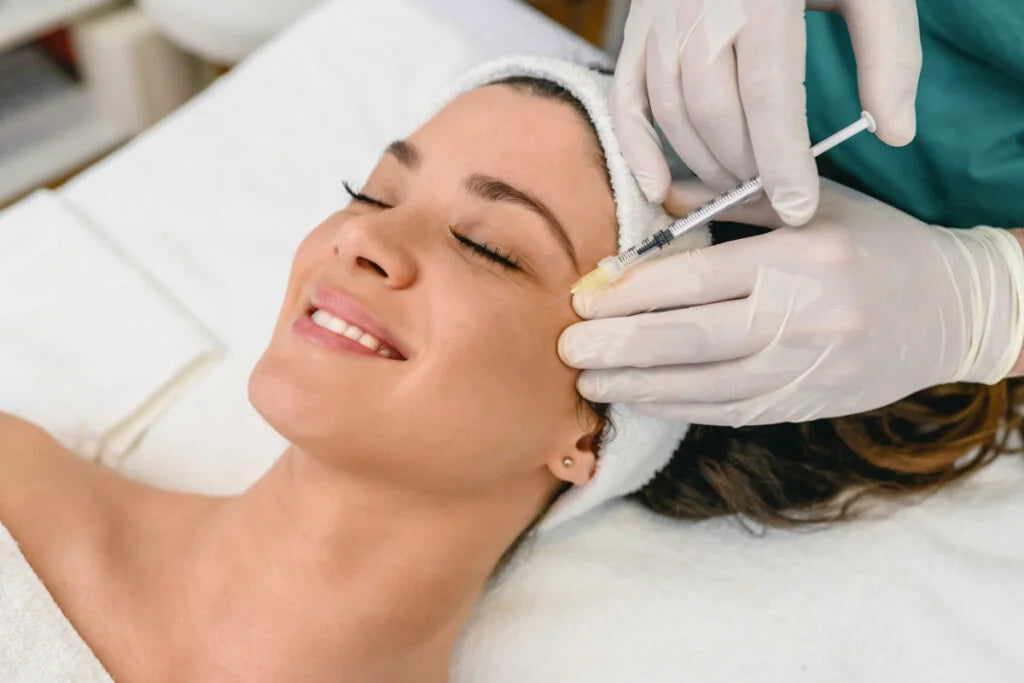
What Are the Best Injectables for Full-Face Rejuvenation?
There’s no single injectable that does everything. The best facial rejuvenation results come from treatments that work together.
That’s the shift happening in aesthetics right now. With over 9 million neuromodulator procedures performed globally in 2024 and 3.6 million dermal filler treatments in the US alone, injectables are more popular than ever. But the most significant trend is how providers use existing treatments in personalized, full-face plans that look natural and last longer.
That’s why providers at OVME, a medical aesthetics company with 27+ locations nationwide, build treatment plans that include neuromodulators, dermal fillers, biostimulators, and skin boosters. All treatments are performed by licensed medical professionals, and every plan starts with a complimentary consultation.
This guide covers how those injectable categories work together, what a full-face treatment plan actually looks like, and how to build one that helps you achieve younger looking skin while still looking like you.
How Injectable Categories Work Together for Full-Face Results
When it comes to the best skin rejuvenation treatments, holistic treatment plans outperform single-product approaches for a straightforward reason: different injectables address different causes of facial aging. Lines caused by muscle movement won’t respond to the same treatment as volume loss in the cheeks, and skin that’s lost its elasticity has different needs than skin that’s lost structural support.
When these treatments work together, each one enhances the results of the others.
Neuromodulators: The Movement Layer
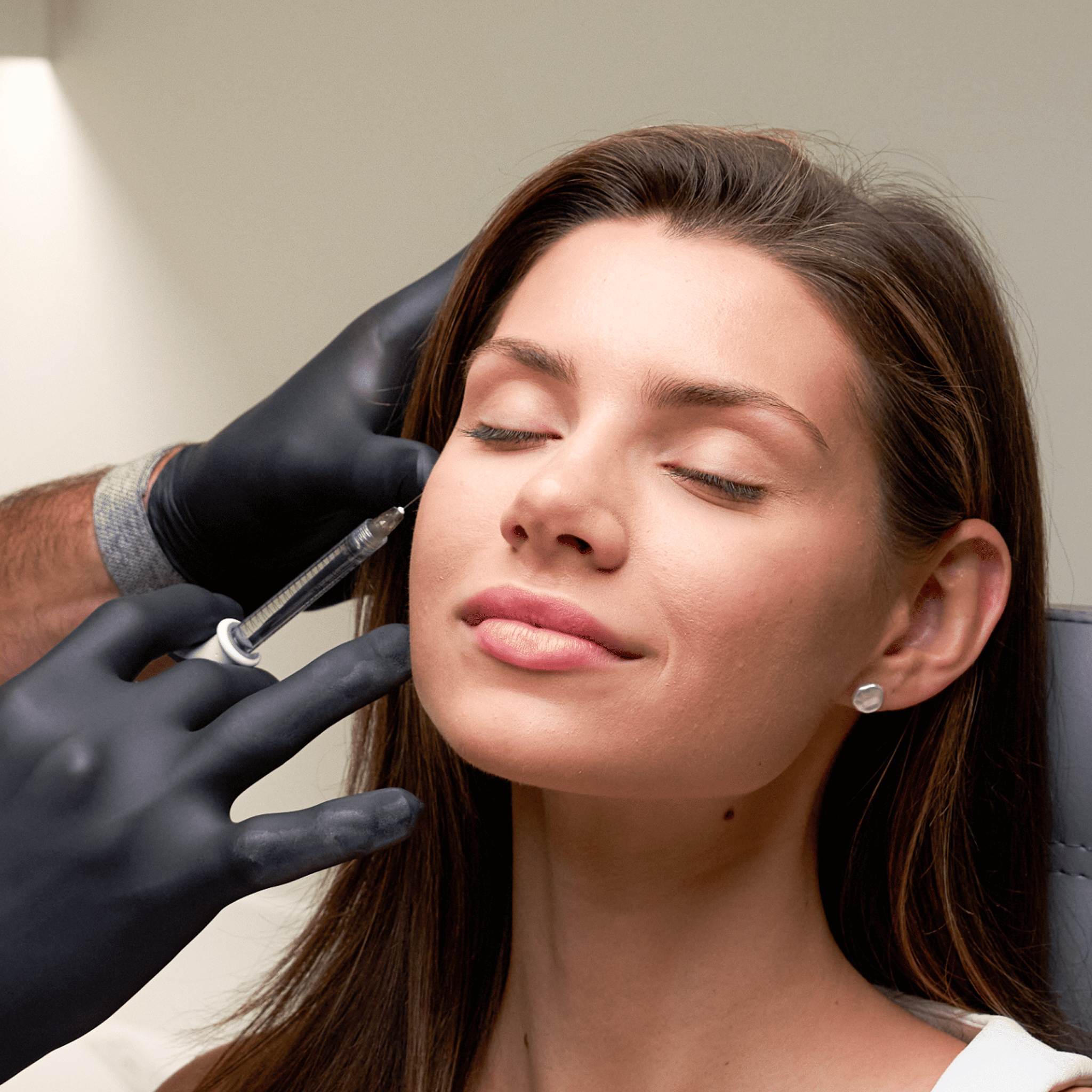
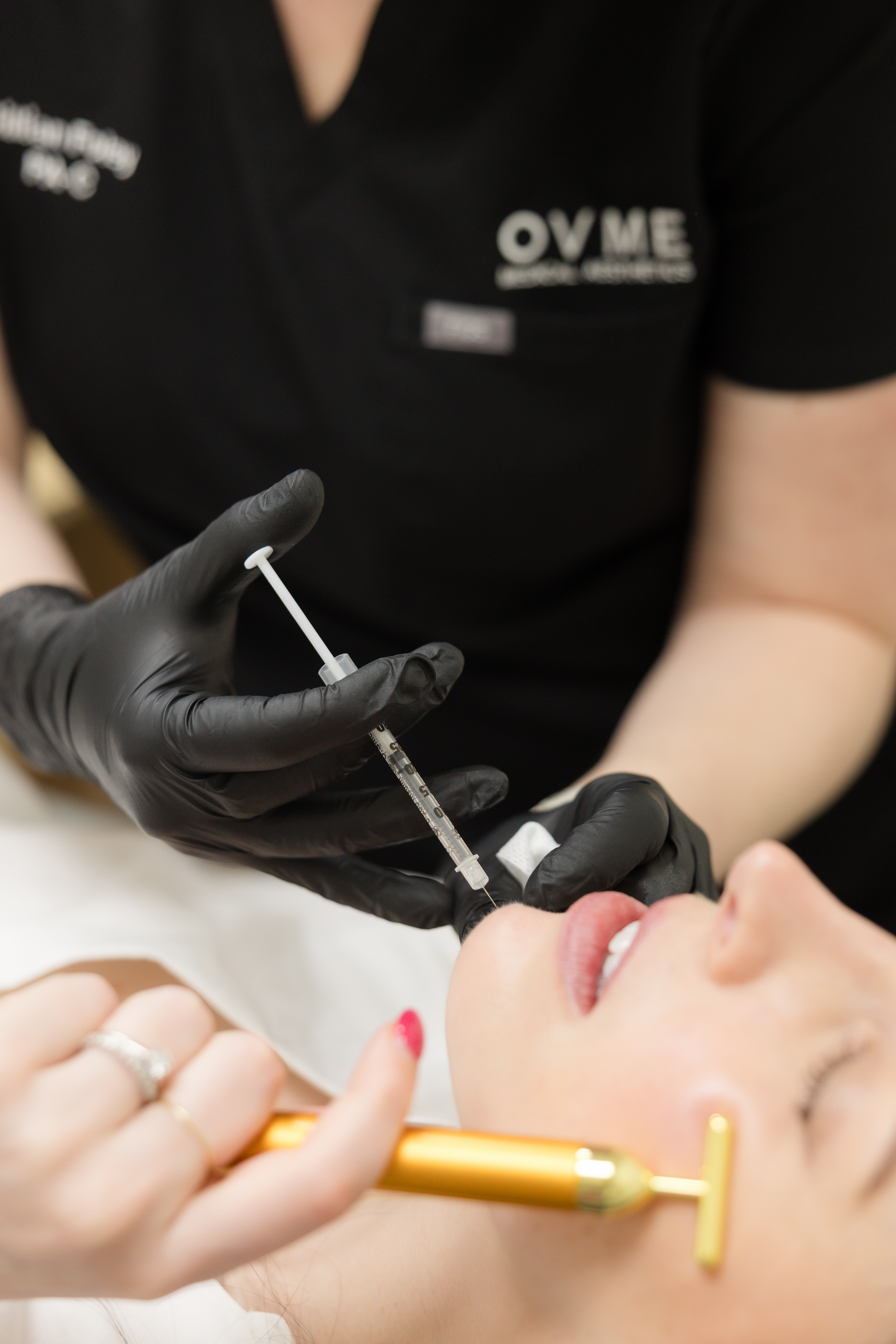
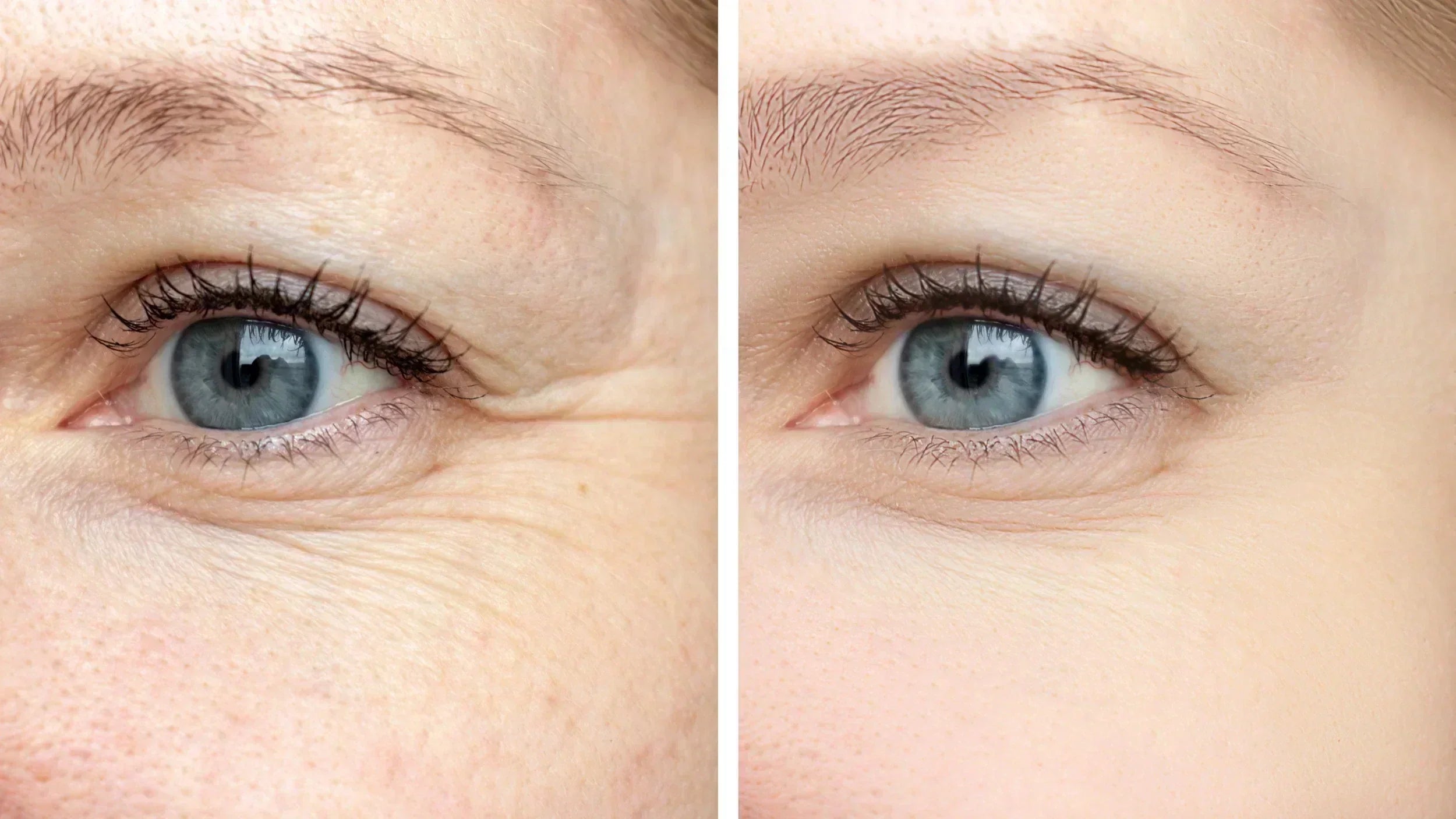
Neuromodulators like Botox® and Dysport® temporarily relax the facial muscles that cause expression lines: the kind that appear when you squint, frown, or raise your eyebrows. They smooth dynamic wrinkles directly and also help improve the appearance of early static wrinkles by reducing the repetitive muscle movement that deepens them over time.
Results typically appear within 3 to 7 days but take 2 full weeks to settle. Retreatment occurs between 3 to 4 months. Neuromodulators are usually the first treatment placed and the most frequently maintained.
Dermal Fillers: The Volume and Contour Layer
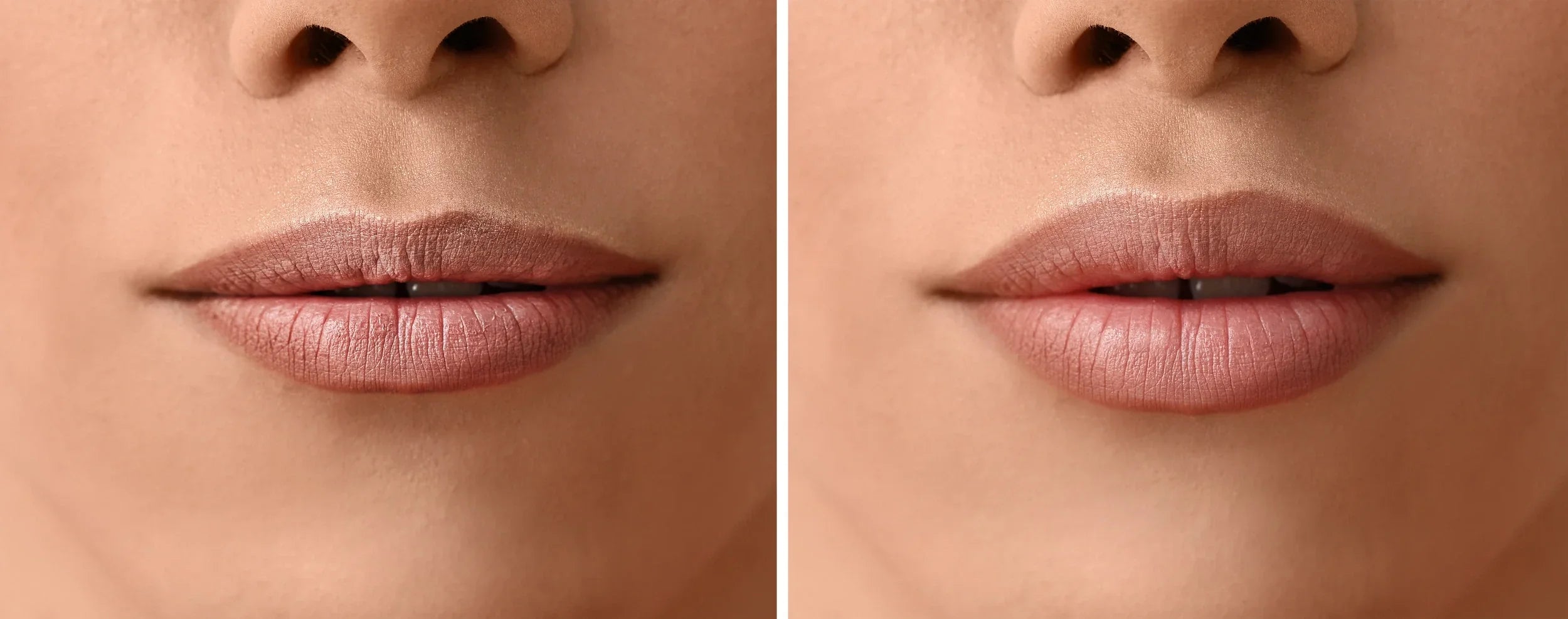
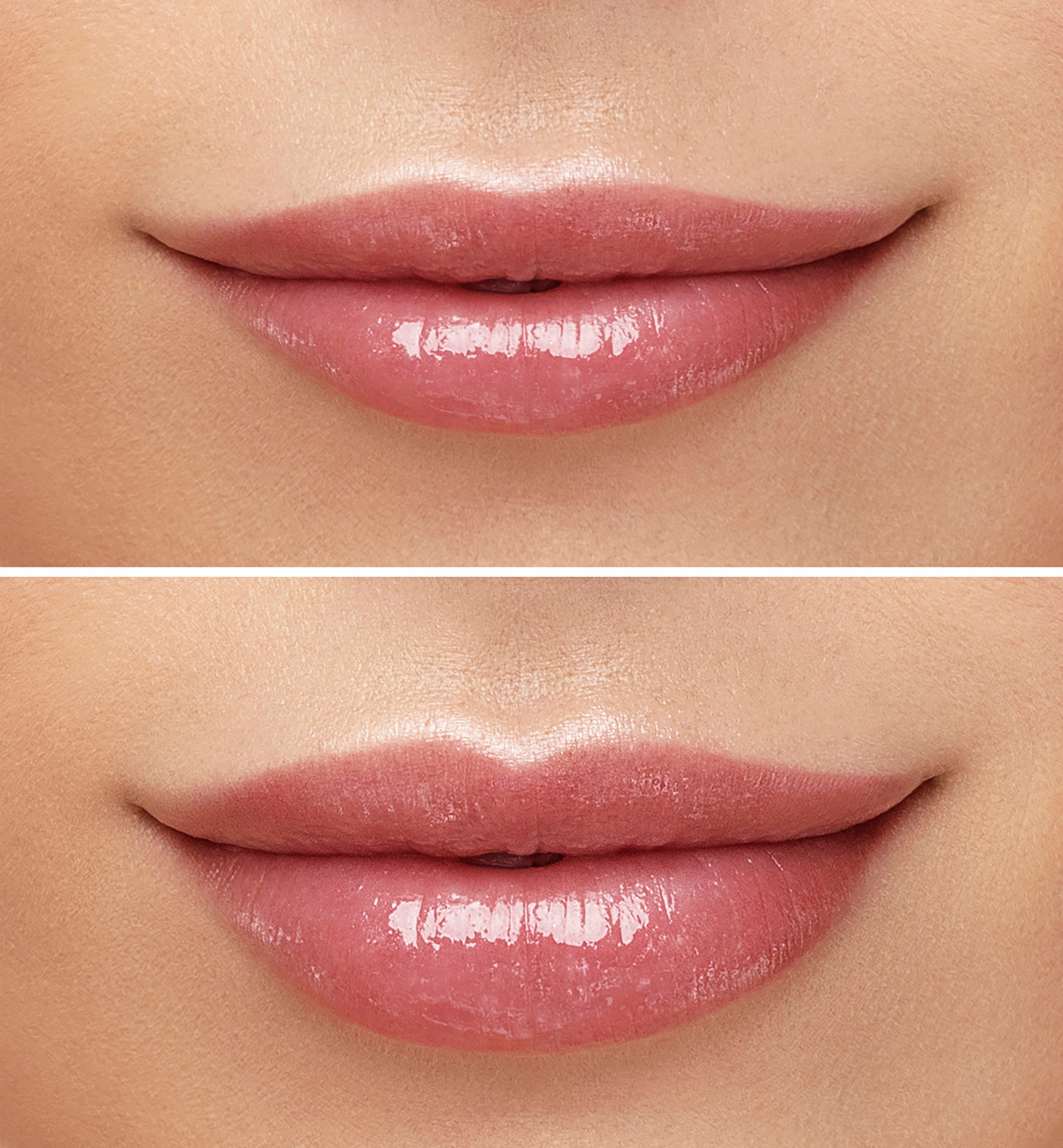
Hyaluronic acid dermal fillers restore volume that’s been lost over time, adding fullness back to areas like the cheeks, temples, and under-eyes. They also sculpt and define contours like lips, jawline, and chin.
Depending on the treatment area and product, fillers typically last 6 to 18 months.
Biostimulators: The Collagen Rebuilding Layer
Sculptra® is a biostimulator, not a filler. Rather than adding volume directly, it stimulates your body’s own collagen production gradually over several months. This makes it a powerful complement to the immediate results of fillers and neuromodulators: while those treatments provide visible improvement right away, Sculptra works beneath the surface to rebuild your skin’s structural support over time.
Most Sculptra treatment plans involve 2 to 3 sessions spaced 4 to 6 weeks apart, with results developing over 3 to 6 months and lasting up to 2 years or more. It’s particularly valuable in areas where gradual, natural-looking restoration is the goal.
Skin Boosters: The Skin Quality Layer
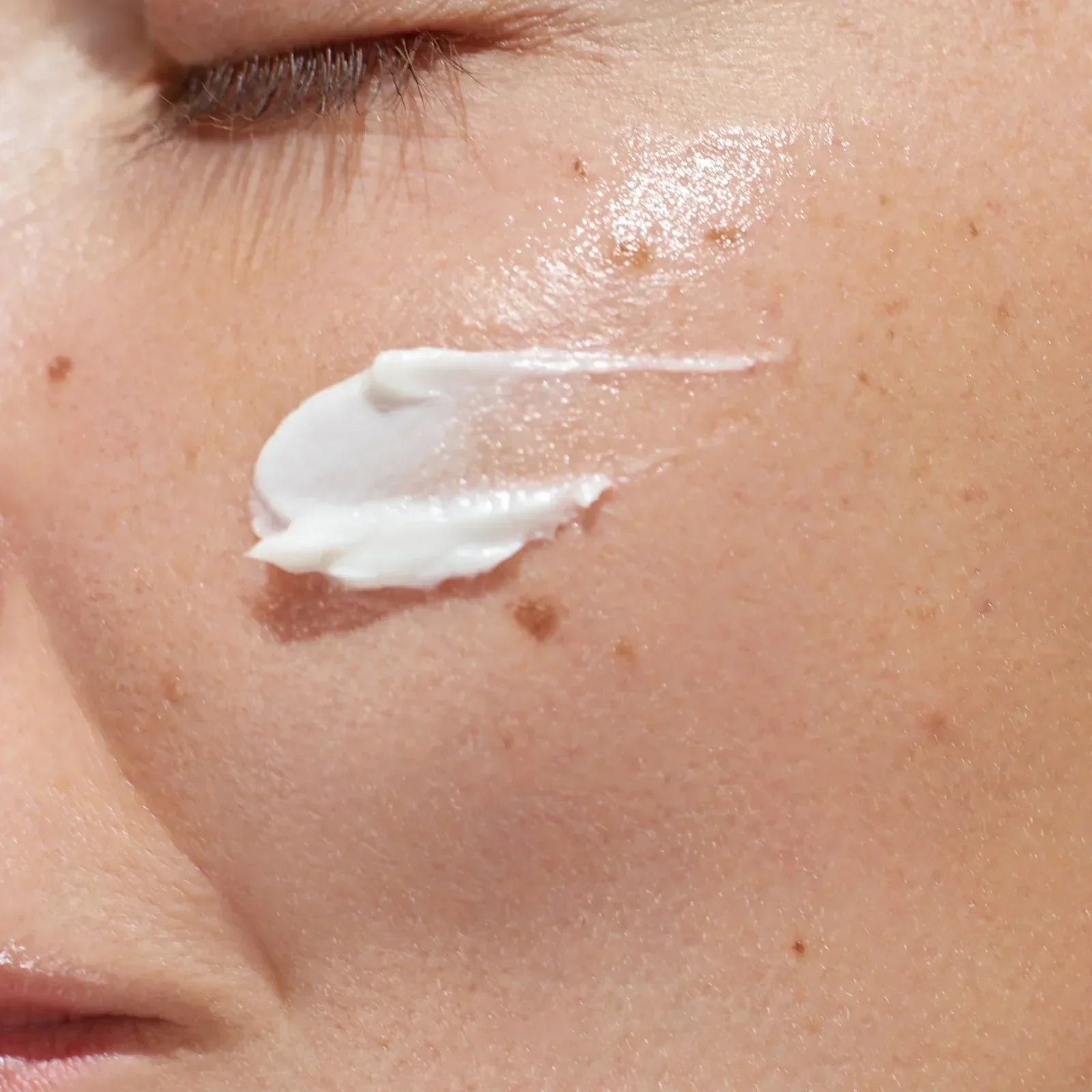
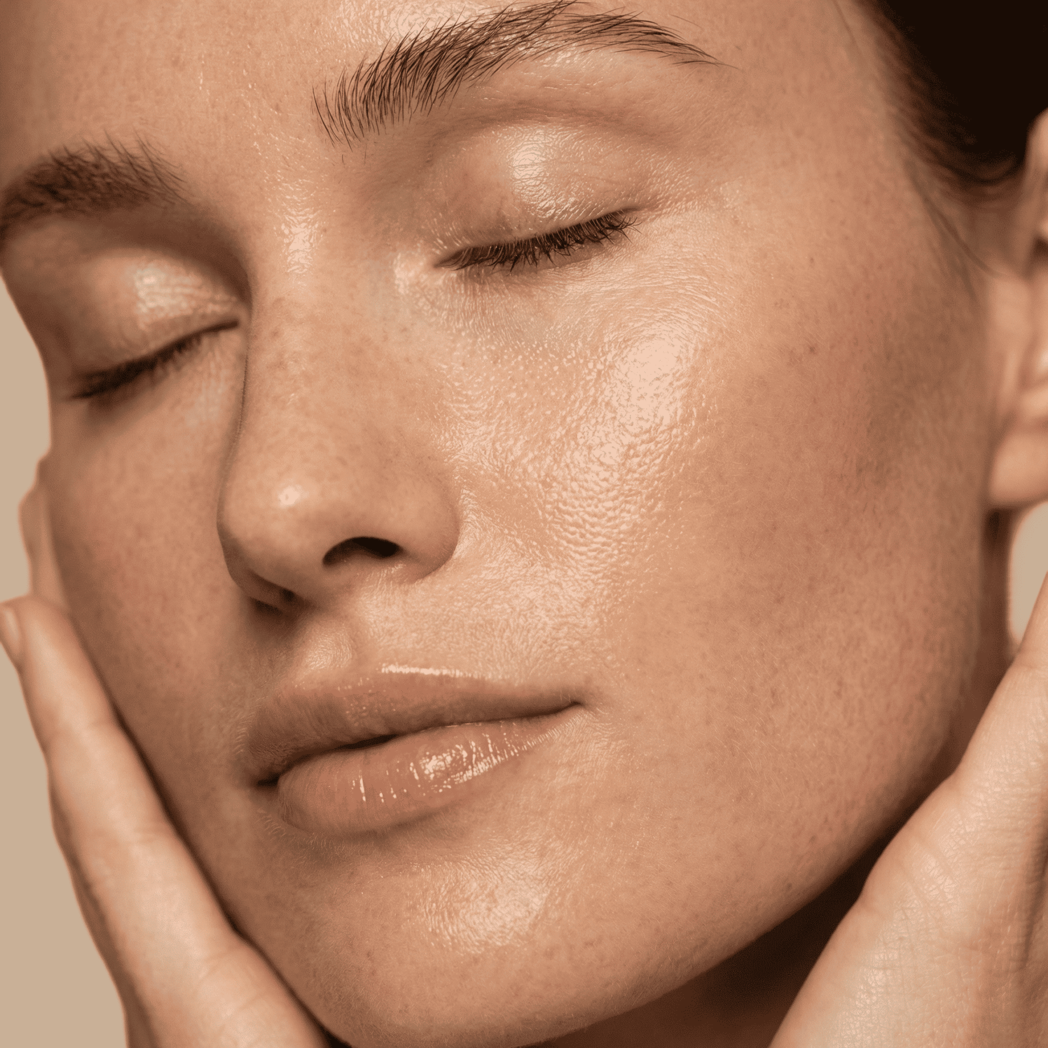
Skinvive®, the first and only FDA-approved hyaluronic acid skin booster, addresses something the other categories don’t: overall skin quality. It improves hydration, texture, and glow from within by delivering hyaluronic acid microdroplets directly into the dermis.
Think of this layer as the finishing touch. Once movement lines, volume, and collagen are addressed, skin boosters make sure the skin itself looks healthy and luminous.
Regenerative Treatments
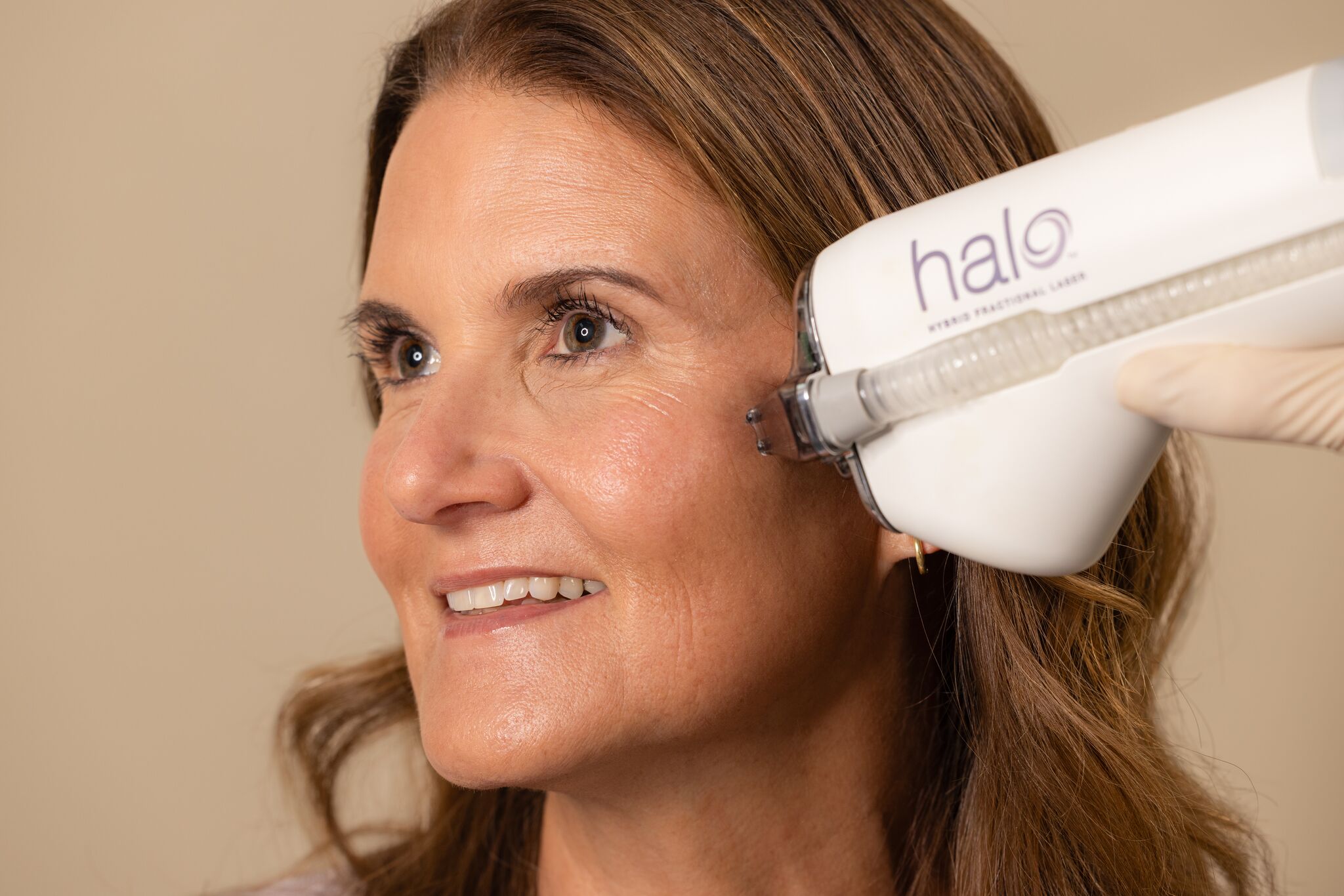
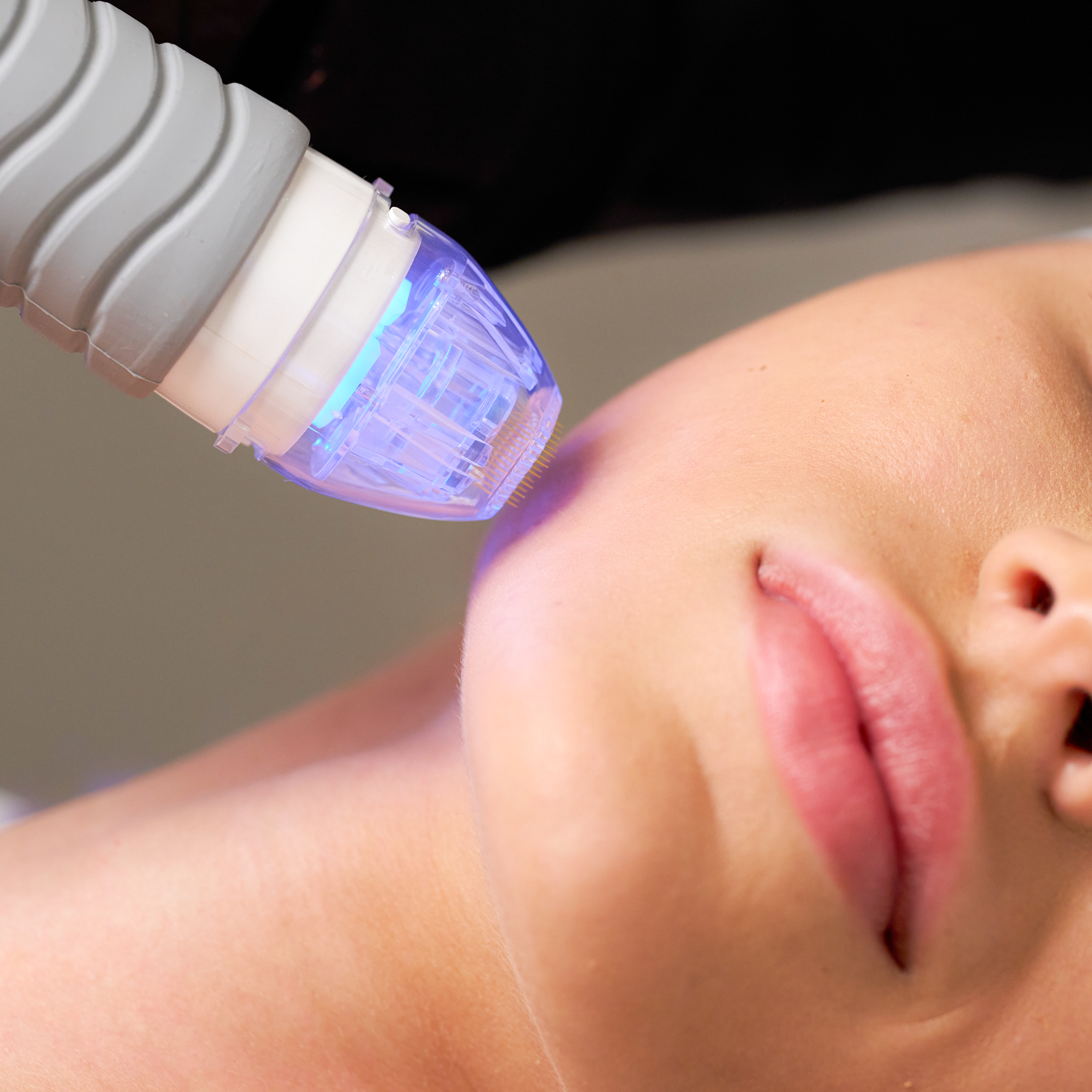
Regenerative treatments like PRFM Gel and under eye PRP use your body’s own growth factors to support skin renewal. They sit in their own category, distinct from skin boosters, and are often incorporated into a full-face plan to improve texture, tone, and elasticity in targeted areas.
A Zone-by-Zone Approach to Full-Face Rejuvenation
Understanding how injectables work together is one piece. The other is knowing how they apply to different areas of the face. Each zone has its own aging patterns and responds to different treatments.
Upper Face: Forehead, Brow, and Crow’s Feet
The upper face is where dynamic wrinkles show up first: horizontal forehead lines, the “11s” between the brows, and crow’s feet at the outer corners of the eyes. These are primarily caused by muscle movement, which makes neuromodulators the lead treatment for this zone.
A skilled provider can use neuromodulators to soften these lines while preserving your natural expressions. The goal is looking refreshed, not frozen. Upper face treatment is typically the first step in any holistic treatment plan and sets the tone for the results in other zones.
Mid-Face: Cheeks, Under-Eyes, and Temples
The mid-face is where volume loss becomes most visible. As we age, the cheeks flatten, temples hollow, and under-eye area can develop shadows or a tired appearance.
This zone typically benefits from a layered approach: dermal fillers to restore volume and lift in the cheeks and temples, biostimulators for gradual collagen rebuilding that adds natural-looking fullness over time, and under eye PRP to improve skin quality and reduce the appearance of dark circles and hollows.
The mid-face is often called the “anchor” of facial rejuvenation because restoring volume here can lift and improve the appearance of the lower face as well.
Lower Face: Nasolabial Folds, Lips, Chin, and Jawline
The lower face covers deepening nasolabial folds, thinning lips and a less defined jawline. Dermal fillers are the primary tool here, with different formulations designed for each area’s specific needs.
Neuromodulators can also play a role in the lower face, addressing concerns like lip lines and chin dimpling. When the mid-face has been addressed first, lower face treatments often need less product because the foundational volume above provides support.
Full-Face Skin Quality
Regardless of which zones you’re addressing with volume and muscle relaxation, the overall quality of your skin matters. Skin boosters like Skinvive improve hydration at the dermal level, while regenerative treatments like PRFM Gel support texture, tone, and elasticity through your body’s own growth factors.
These treatments complement every other category and can be incorporated at any point in your plan. For patients asking how to make skin look younger without targeting one specific wrinkle, this is where to start.
Building Your Injectable Treatment Plan: A Phased Approach
Among the best anti-aging treatments for skin, the most natural-looking results come from a phased approach rather than trying to address everything at once.
Phase 1: Foundation (Months 1-2)
The first phase focuses on establishing the structural base. This typically includes neuromodulators to address dynamic wrinkles and strategic filler placement to restore volume in the areas that will have the most impact.
Starting with the foundation means your provider can see how your face responds before adding refinement layers. It also means results look natural from the start rather than arriving all at once.
Phase 2: Refinement (Months 3-6)
Once the foundation has settled, the refinement phase layers in additional treatments. This might include targeted filler in areas like the lips or temples, the beginning of a biostimulator series for long-term collagen rebuilding, and skin-quality treatments like Skinvive.
This is where a multi-category approach really differentiates from a one-visit treatment. Each addition builds on what’s already been placed, and your provider adjusts the plan based on how your face has responded to the foundation phase.
Phase 3: Maintenance (Ongoing)
Once the initial plan is complete, maintenance keeps results looking fresh and natural. A typical maintenance schedule looks something like this:
-
Neuromodulators: Every 3 to 4 months
-
Dermal fillers: Every 6 to 18 months, depending on area
-
Biostimulators: 1 to 2 sessions per year
-
Skin boosters: 1 to 2 times per year for sustained skin quality
Most patients settle into a rhythm of 3 to 4 provider visits per year, enough to maintain results without over-treating. Your provider adjusts timing based on how your body metabolizes each treatment.
What to Expect at Your OVME Consultation
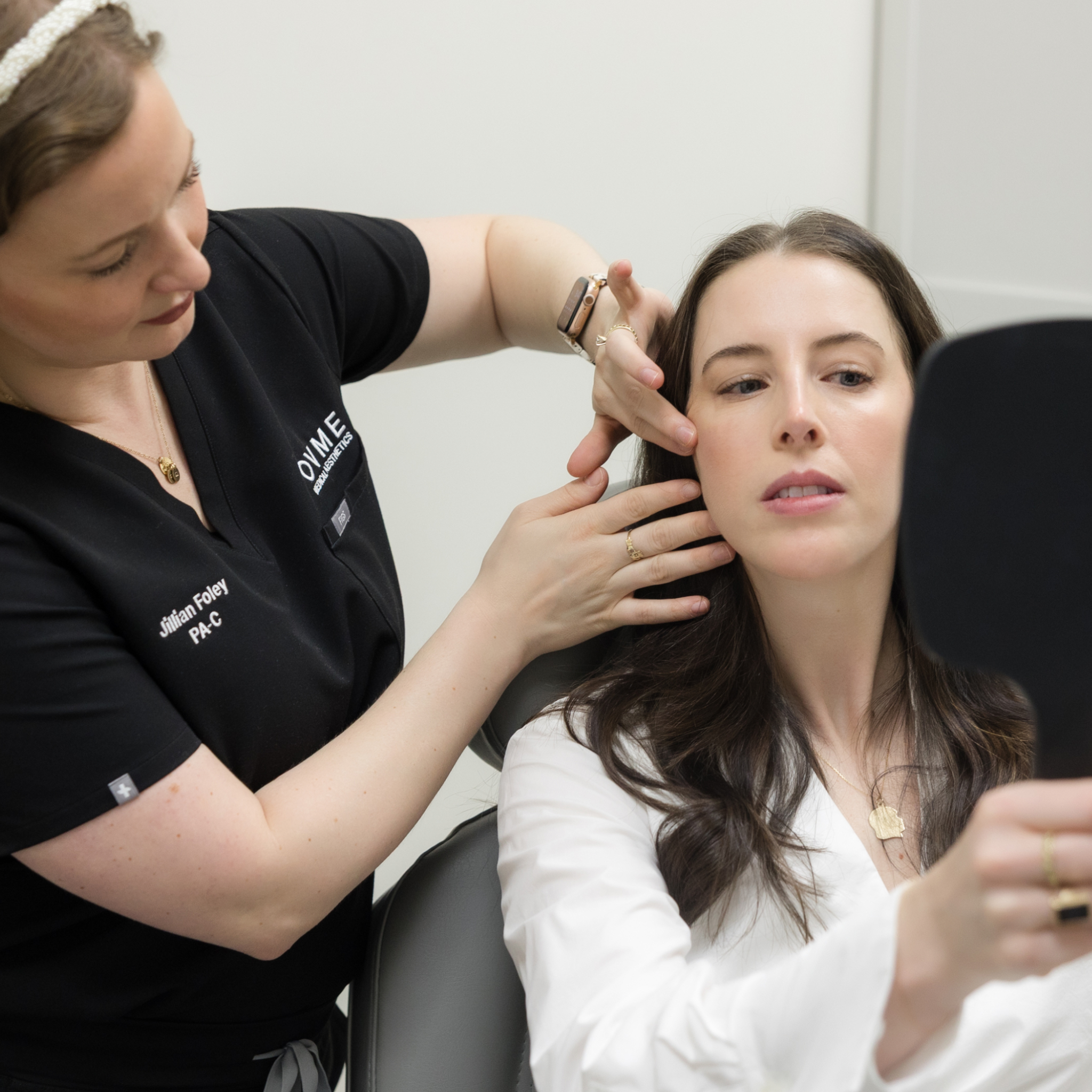
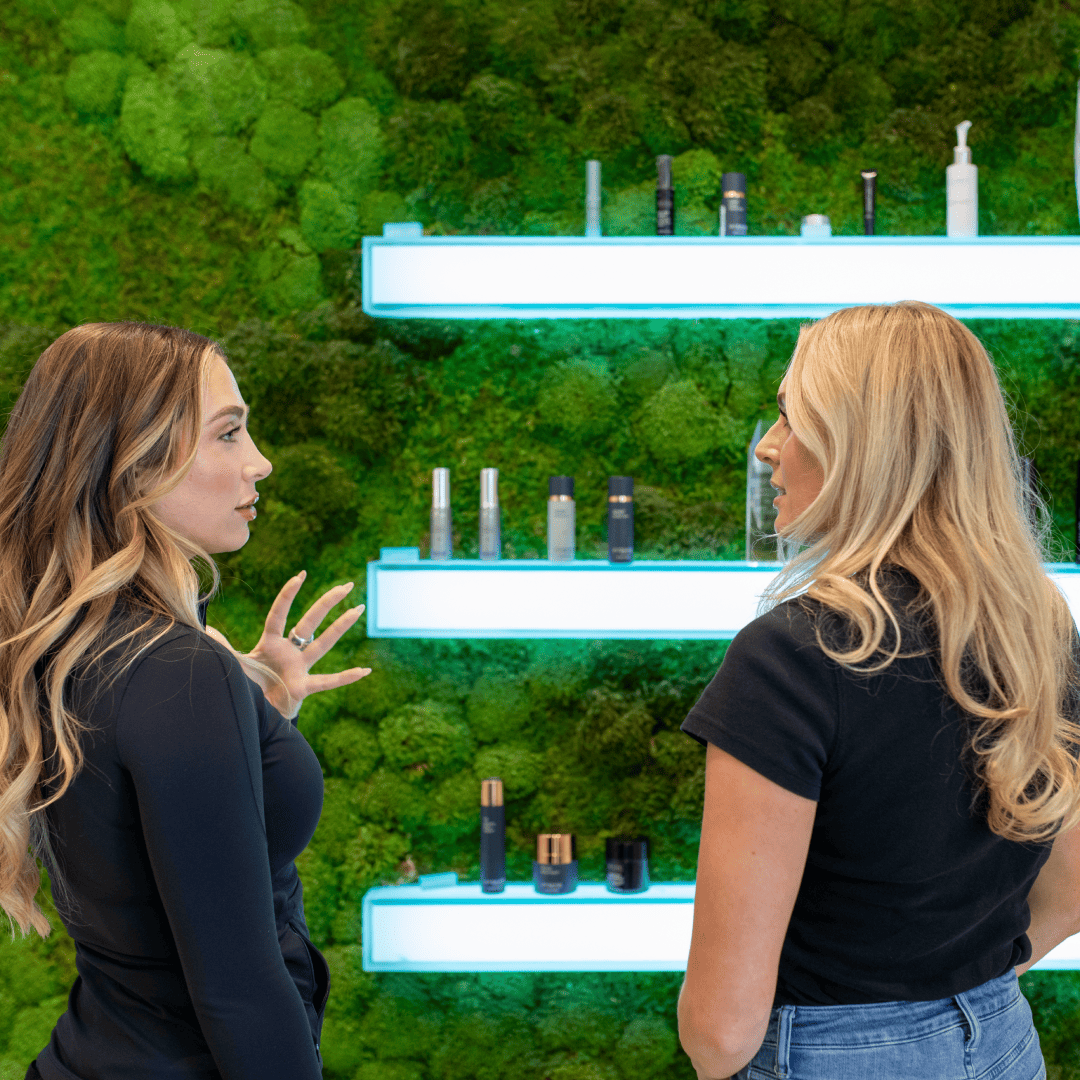
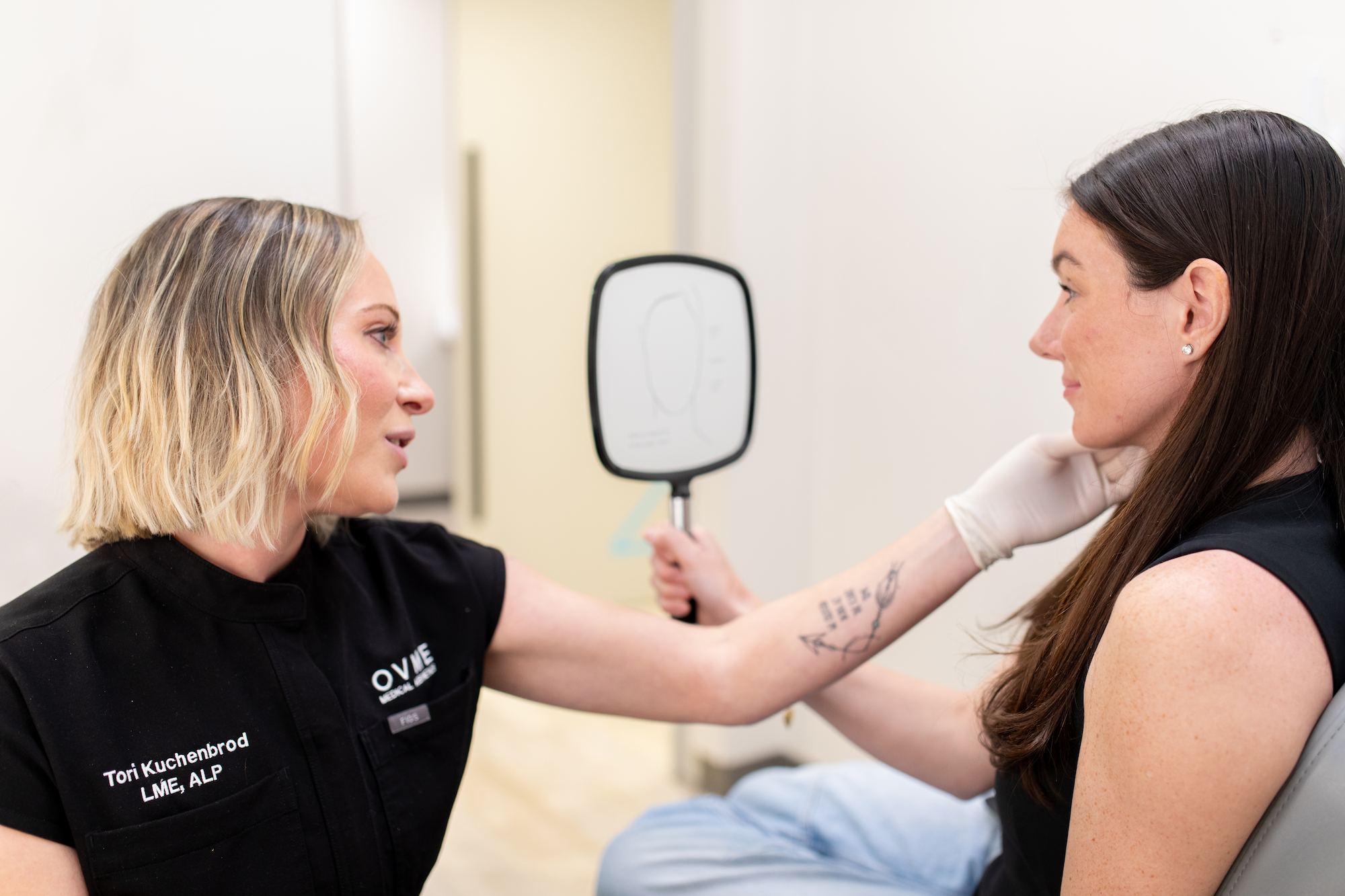
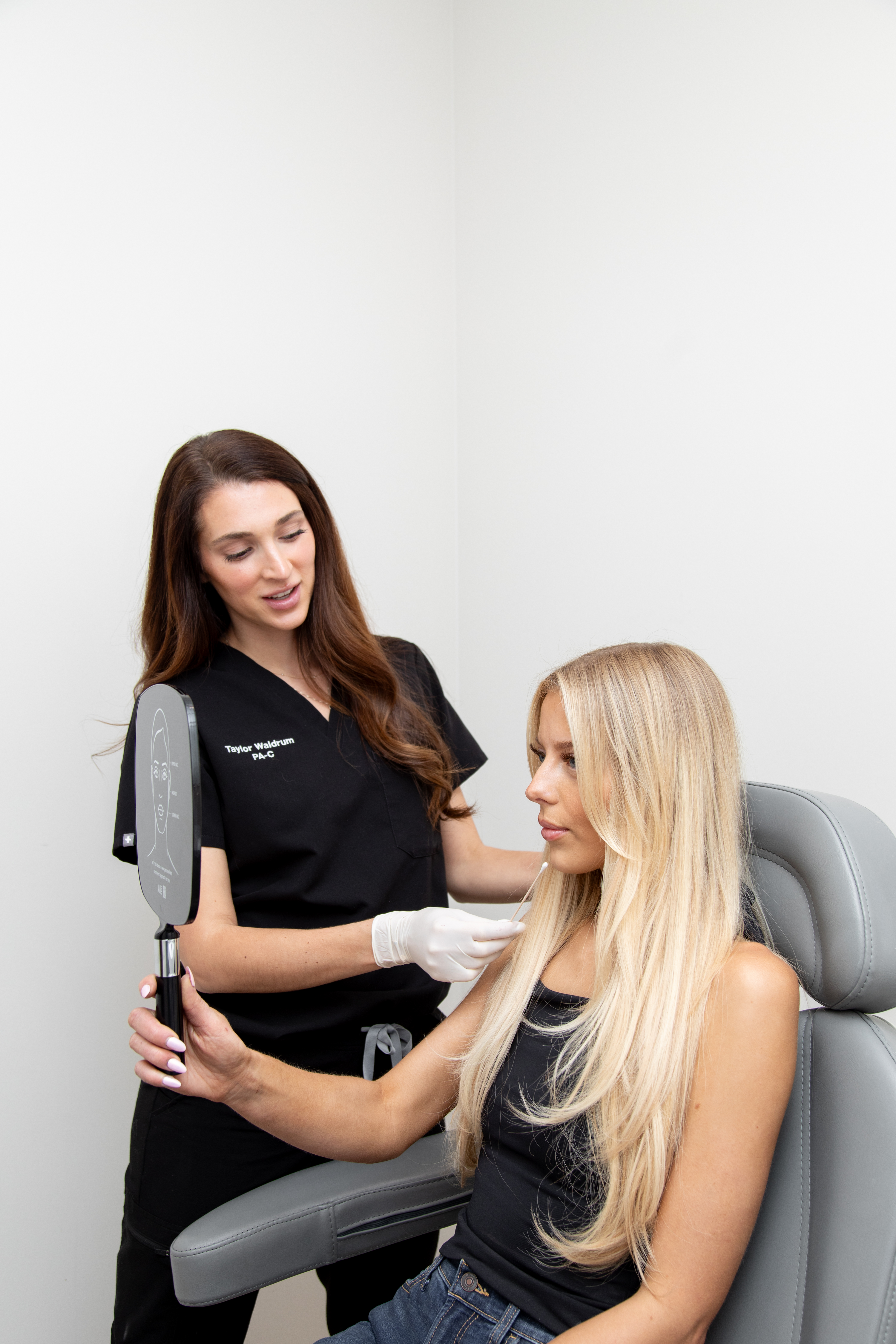
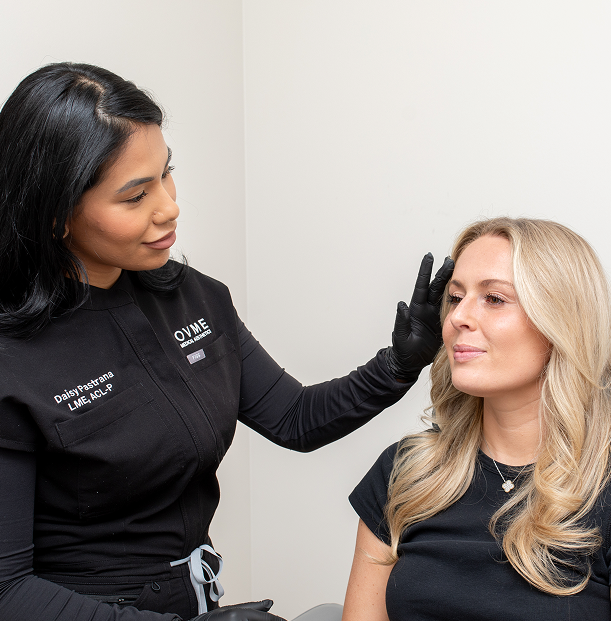
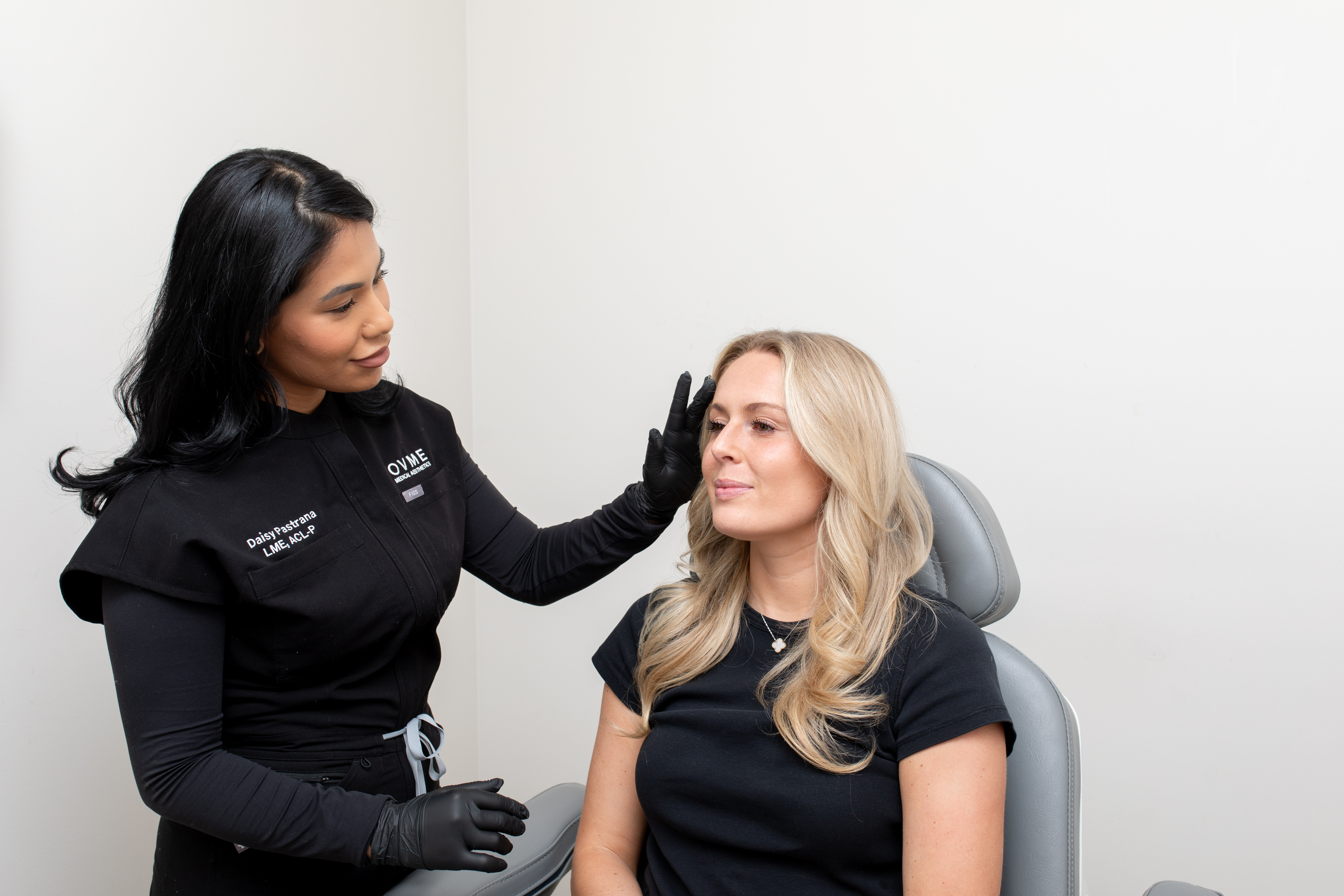
Your treatment plan starts with a conversation. At OVME, every complimentary consultation begins with your provider listening to your goals: what concerns you, what you like about your face, and what kind of results you’re hoping for.
From there, your provider assesses your facial anatomy, skin quality, and the specific patterns of volume loss or muscle activity that are contributing to your concerns. The plan is designed around your unique face and timeline, not a one-size-fits-all protocol.
Because OVME studios carry neuromodulators, dermal fillers, biostimulators, and skin boosters, your provider can design the plan your face actually needs. And with the OVME mobile app, you can book appointments and manage your treatments on your schedule.
Full-face rejuvenation is a strategy, not a single treatment. When neuromodulators, dermal fillers, biostimulators, and skin boosters work together in a personalized plan, the results deliver youthful skin that looks natural, lasts longer, and evolves with you over time. Your aesthetic goals are personal. Your treatment plan should be, too.
If you’re exploring how individual injectable categories work, OVME’s guide to wrinkle reduction treatments covers non-injectable options in more depth, and the full treatment menu details what’s available.
Individual results may vary. Consult with a licensed provider to determine if these treatments are right for you.
Frequently Asked Questions
What are the best injectable options for facial rejuvenation?
The most effective approach combines multiple injectable categories rather than relying on a single product. Neuromodulators like Botox® and Dysport® address dynamic wrinkles, hyaluronic acid dermal fillers restore lost volume and contour, biostimulators like Sculptra® gradually rebuild collagen, and skin boosters like Skinvive® improve overall skin quality. A licensed provider can design a personalized plan tailored to your goals and anatomy.
Can injectables alone rejuvenate the face effectively?
Injectables can produce significant facial rejuvenation without surgery. In clinical studies, patients who received multi-category injectable treatments appeared 7 to 9 years younger by self-assessment and 6 to 8 years younger by dermatologist evaluation. However, injectables cannot replicate the structural lifting of surgical procedures, and results are temporary, requiring maintenance every 3 to 18 months depending on the treatment type. A consultation with a licensed provider can help determine what’s realistic for your goals.
What injectable treatments make you look refreshed without looking overdone?
Natural-looking results come from a conservative, layered approach. This means using neuromodulators to soften expression lines while preserving natural facial movement, restoring volume gradually over multiple sessions rather than all at once, and choosing biostimulators that work with your body’s own collagen production. Starting with a foundation phase and refining over several months is the most reliable way to enhance your appearance without the overdone look.
How often do you need injectables to maintain facial rejuvenation results?
Maintenance frequency depends on the treatment type. Neuromodulators typically need refreshing every 3 to 4 months. Hyaluronic acid fillers last 6 to 18 months depending on the treatment area. Biostimulators like Sculptra typically involve 1 to 2 sessions per year after the initial series. Most patients settle into 3 to 4 provider visits per year once the initial plan is built.
What’s the difference between a liquid facelift and a treatment plan?
A liquid facelift typically refers to a single-session use of neuromodulators and fillers for immediate full-face improvement. A phased treatment plan takes a more strategic, gradual approach, starting with foundational volume and neuromodulators, then layering in biostimulators and skin-quality treatments over several months. The phased approach often produces more natural-looking, longer-lasting results because each treatment has time to settle before the next layer is added.
Medically reviewed by: Iman Shamloul, Senior Director, Clinical Talent Development
Last medically reviewed: April 28, 2025
Keep on reading