Dysport vs. Botox: How a Provider Decides Which One Is Right for You
Both Dysport® and Botox® temporarily relax facial muscles. Both are FDA-approved. Both last about 3–4 months. So why does the question of which one is better keep coming up?
Because there are real, clinically meaningful differences — in how fast they work, how they spread through tissue, and how they perform in specific treatment areas. For most patients, the right answer isn’t found in a product comparison chart. It emerges from a conversation with an experienced provider who knows your anatomy and your goals.
At OVME — a medical aesthetics company with 27+ boutique studio locations across the United States — both Botox and Dysport are available at every location. That’s worth noting because it means the recommendation a provider makes isn’t shaped by what’s in stock. It’s shaped by what’s right for you.
Here’s what the research actually says, and how that shapes the decision.
What Are Botox and Dysport?
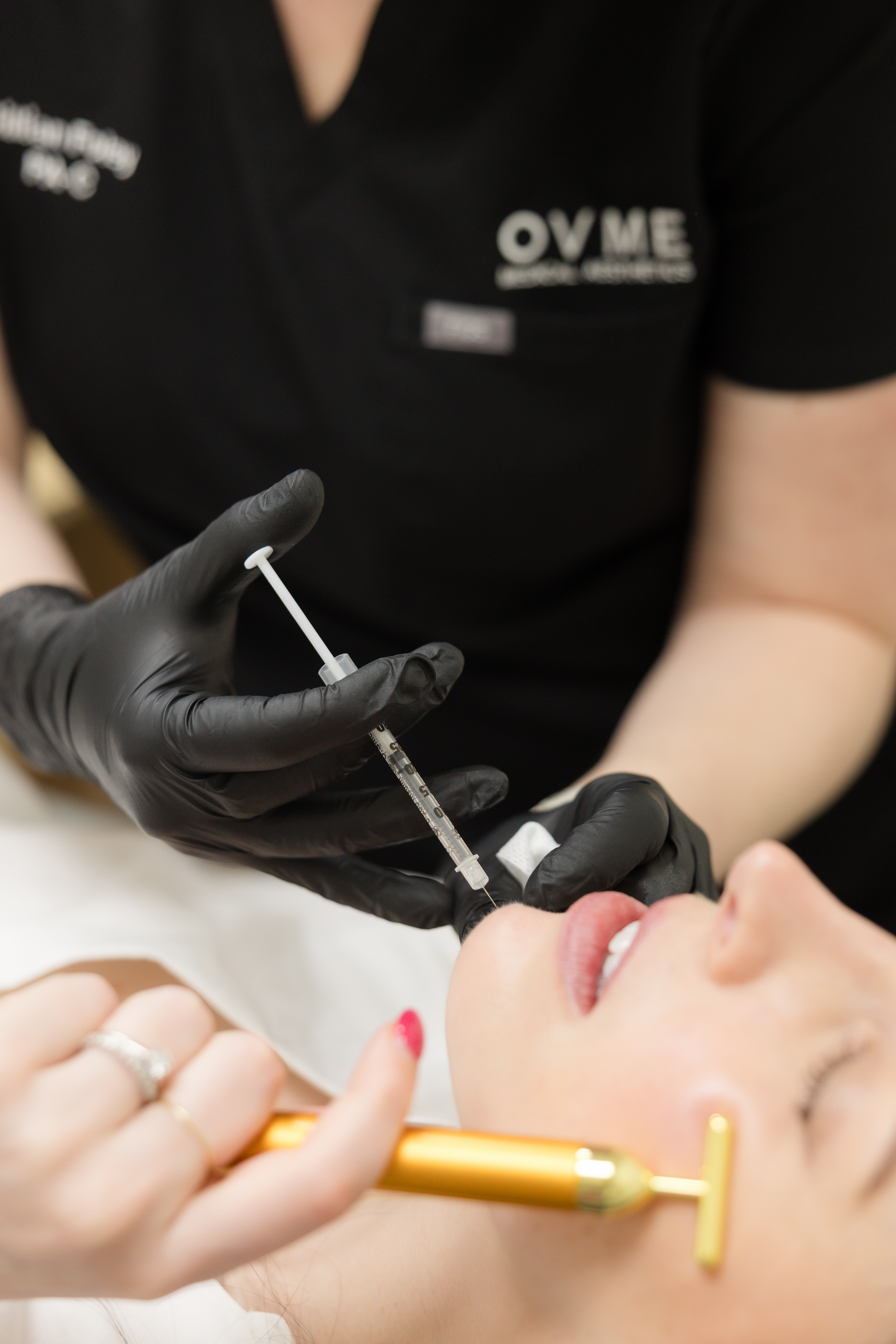
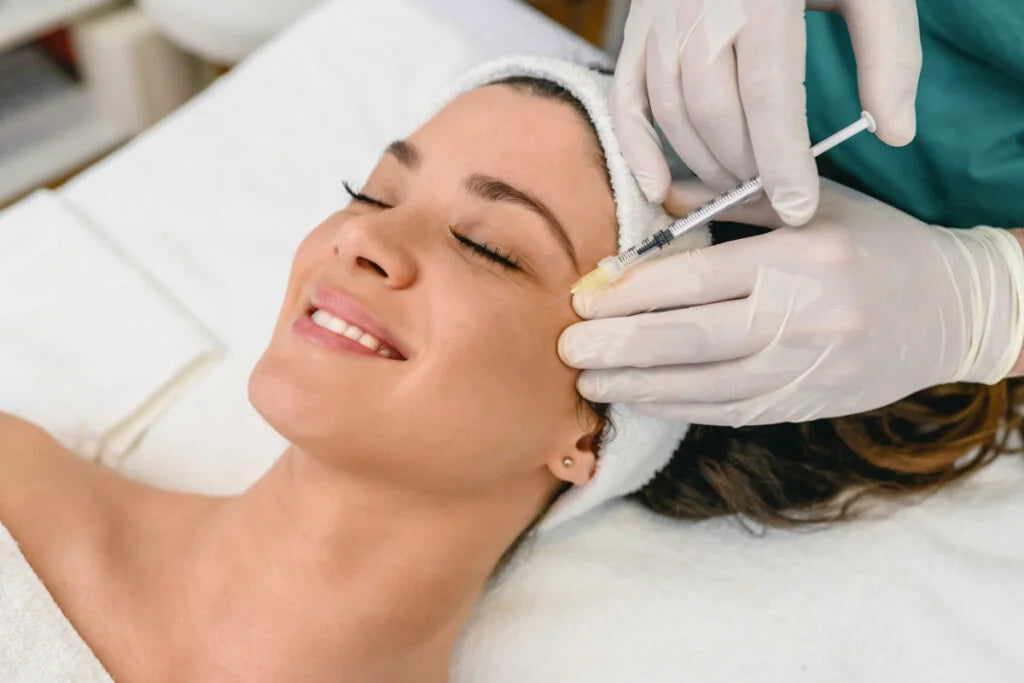
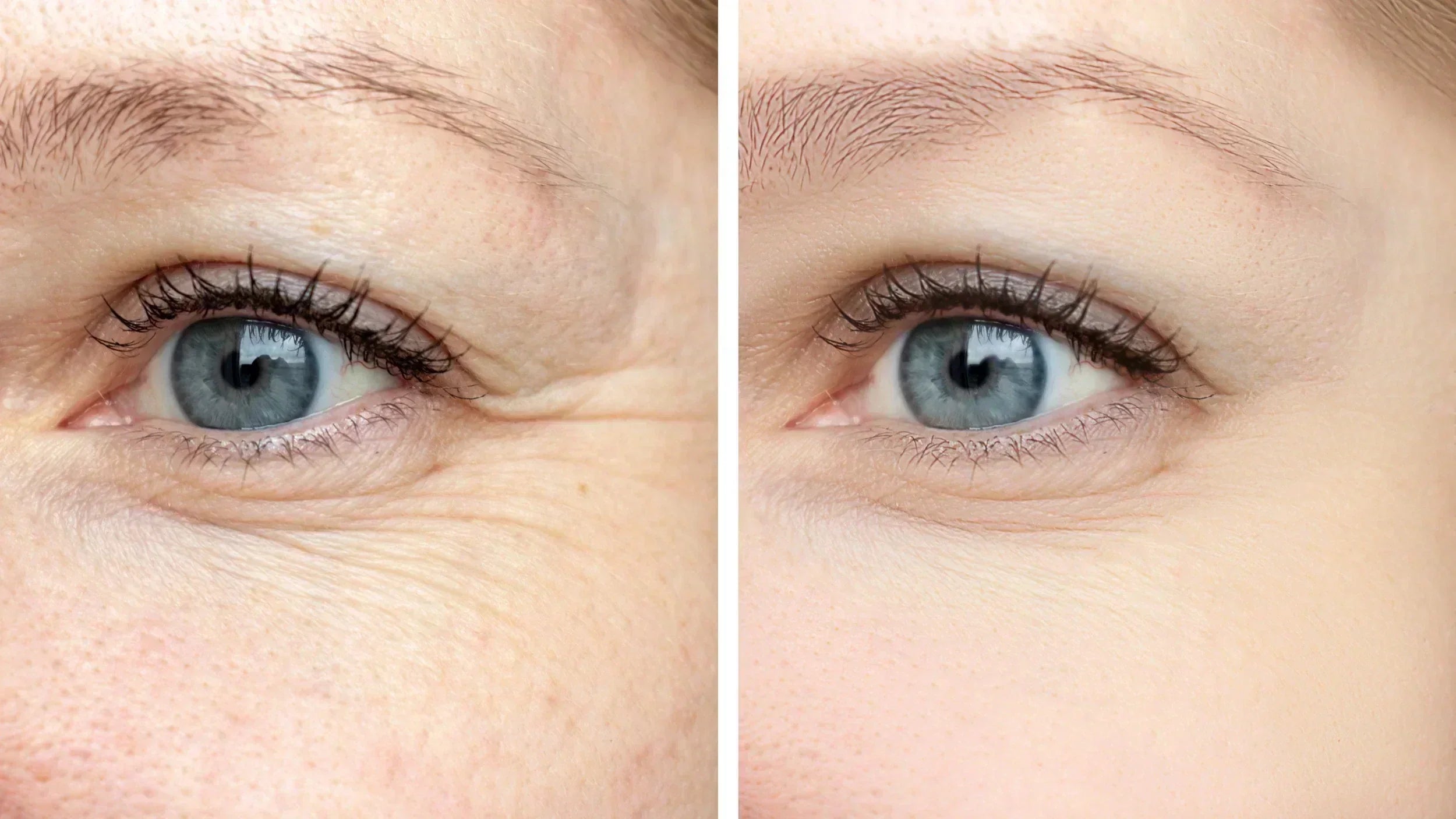
Botox® (onabotulinumtoxinA) and Dysport® (abobotulinumtoxinA) are both FDA-approved botulinum toxin type A treatments. They work the same way: injected into a targeted facial muscle, they temporarily block the nerve signals that cause that muscle to contract — stopping dynamic wrinkles and softening static lines that form when you move your face.
The difference is in formulation and FDA-approved scope. Botox is approved to treat glabellar lines (frown lines between the brows), forehead lines, and crow’s feet. Dysport is FDA-approved for glabellar lines. Both are used by experienced providers in additional facial areas.
Both are minimally invasive, require no surgery, and are performed in an OVME studio. Neither produces permanent results — that’s not a limitation, it’s how they’re designed to work, with maintenance treatments typically every 3–4 months.
The Real Differences Between Dysport and Botox
Onset Speed
Dysport starts to take affect within 2-3 days of treatment. Botox generally takes 5–7 days. Both reach full effect within 2 weeks. Individual results may vary.
The practical implication: if you’re treating ahead of an event and want to see results quickly, Dysport’s faster onset may be the more practical choice.
How They Diffuse
Dysport is clinically associated with a wider diffusion pattern — it tends to spread slightly more once injected. For larger muscles like the forehead, that broader coverage can be an advantage, requiring fewer injection points to achieve optimal outcome. For smaller or more precise zones, Botox’s more localized effect may be preferred.
Effectiveness and Results
Clinical studies show both treatments deliver comparable outcomes for most patients — with some area-specific nuances worth knowing. A published head-to-head trial found Dysport showed statistically significant greater improvement in crow’s feet at days 4 and 6 post-treatment, with two-thirds of participants preferring Dysport for that area. For glabellar lines, a pooled analysis of four Phase 3 clinical trials published in Dermatologic Surgery (2022) found that patients treated with Botox reported high satisfaction and improved psychological well-being sustained for up to six months.
What the data consistently shows: technique and provider expertise are the primary drivers of outcome quality, regardless of which product is used. Individual results may vary.
How Much Does Dysport Cost Compared to Botox?
At OVME, we take the guess work out of the reconstitution equation and simplify it for our clients and this is why it’s priced the same. Both Botox and Dysport start at $9 per unit, making the cost comparable across either product. See OVME’s current pricing to understand what treatment plans typically include.
Cost shouldn’t be the deciding factor between these two treatments. The right product is the right product, and a complimentary consultation is the right place to figure out which one that is.
Side Effects and What to Know Before Treatment
Botox and Dysport share a similar safety profile. Common, temporary effects include redness, swelling, or bruising at the injection site and, occasionally, a mild headache. In fewer than 1% of cases, effects such as temporary eyelid drooping (ptosis) can occur and typically resolve on their own within a few weeks.
One important distinction: Dysport contains cow’s milk proteins. It should not be used by anyone with a known milk allergy or sensitivity. Botox® does not carry this contraindication and is an appropriate alternative for patients with this concern.
If you have any known allergies, disclose them to your provider before your appointment.
Both treatments are FDA-approved and considered safe when administered by a licensed medical professional. Individual results may vary. Consult with a licensed provider to determine if this treatment is right for you.
Can You Switch from Botox to Dysport?
Yes — switching between the two is considered safe. There’s no required waiting period, though most providers recommend waiting until the effects of your current treatment have fully worn off before trying the other product. This gives you a clear baseline to assess how the new formulation works for you.
Some patients find they prefer one product for specific areas — Dysport for the forehead, Botox for the glabella, for example. Your response to each treatment is the most useful guide, and that knowledge builds over time with a consistent provider relationship.
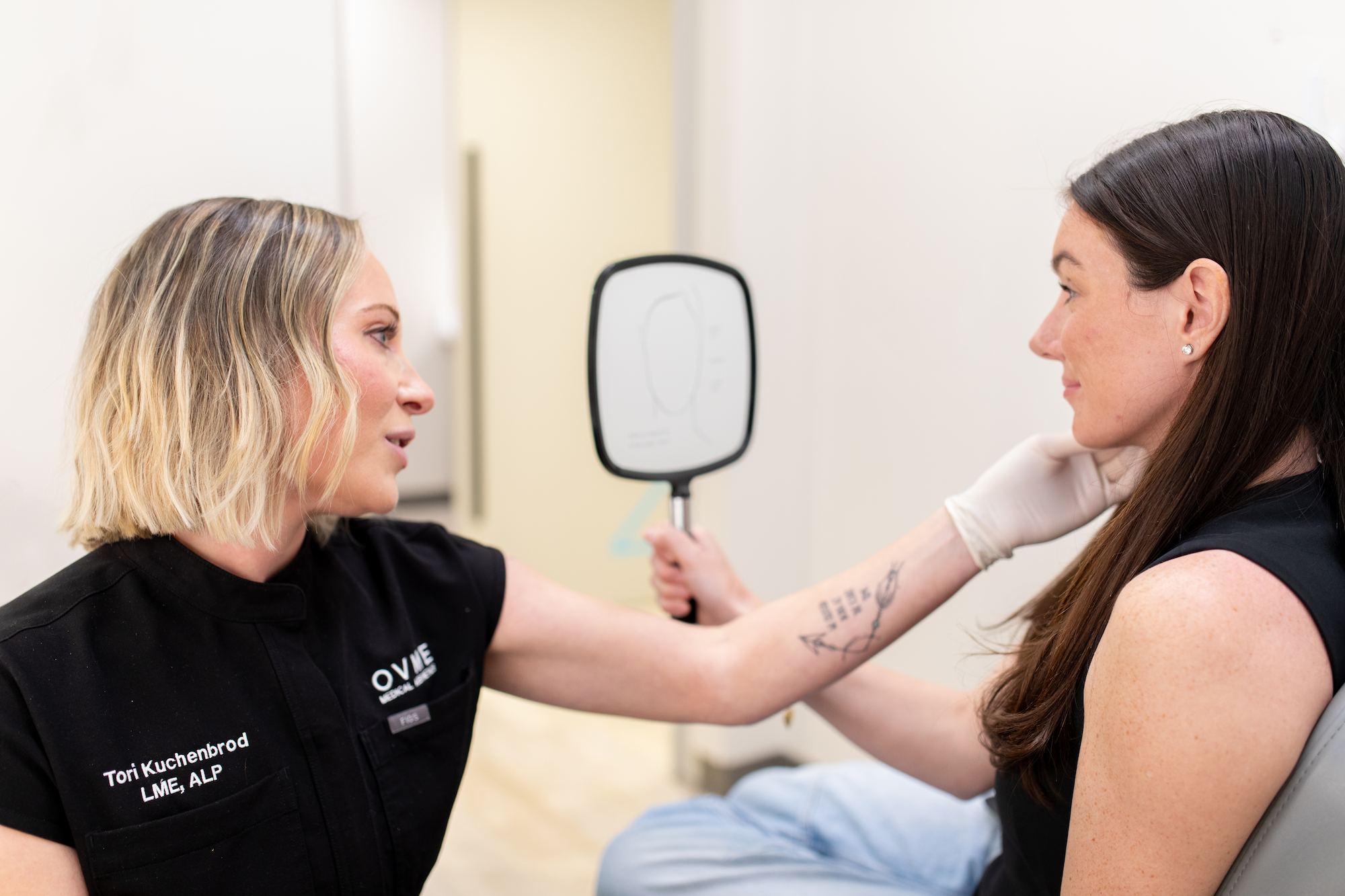
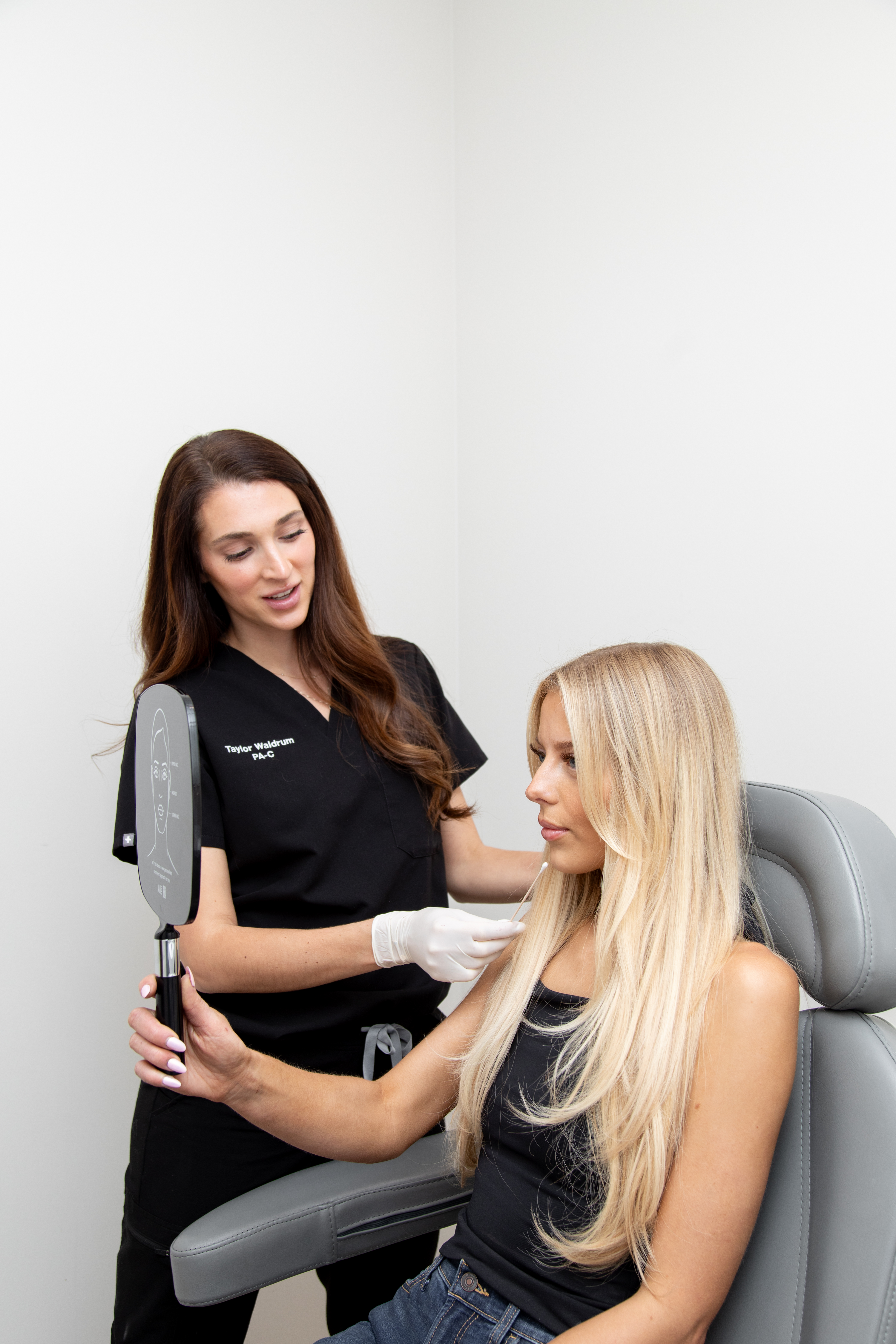
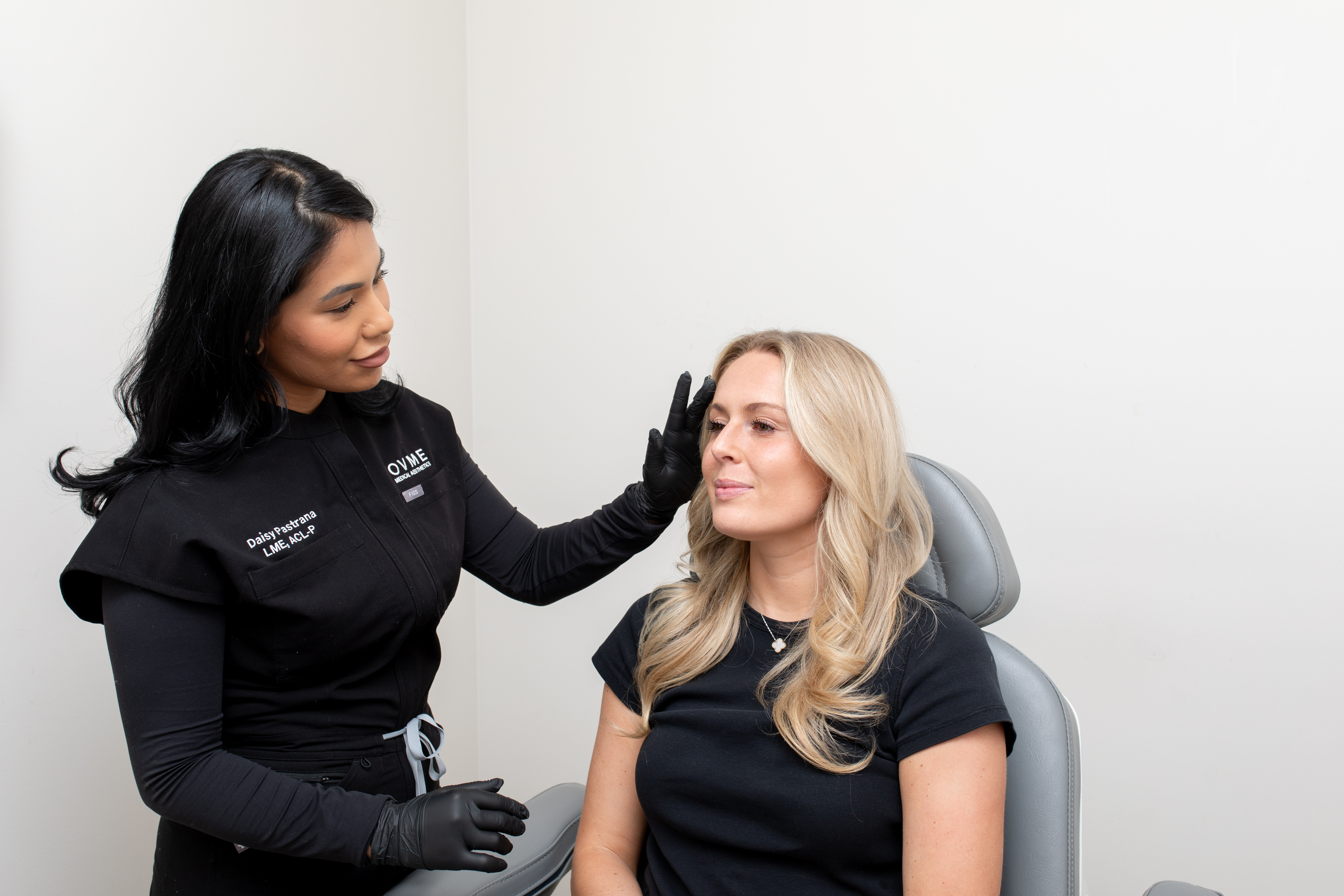
How OVME Providers Approach the Botox vs. Dysport Decision
This is the question most comparison articles don’t answer. And it’s the one that actually matters.
There’s no algorithm. An experienced provider weighs several factors together:
Muscle anatomy and movement. Stronger muscles and more dynamic movement patterns affect both the product and the dose. Two patients treating the same area may get different recommendations based on individual anatomy.
Onset preference. Dysport’s 2–3 day onset matters if you have an event coming up. If timing is flexible, onset is a lower-priority factor.
Previous treatment history. Your past response to either product is meaningful data. A provider who knows your history can refine the approach over time.
Allergies and contraindications. Dysport’s milk protein content is assessed before any recommendation is made.
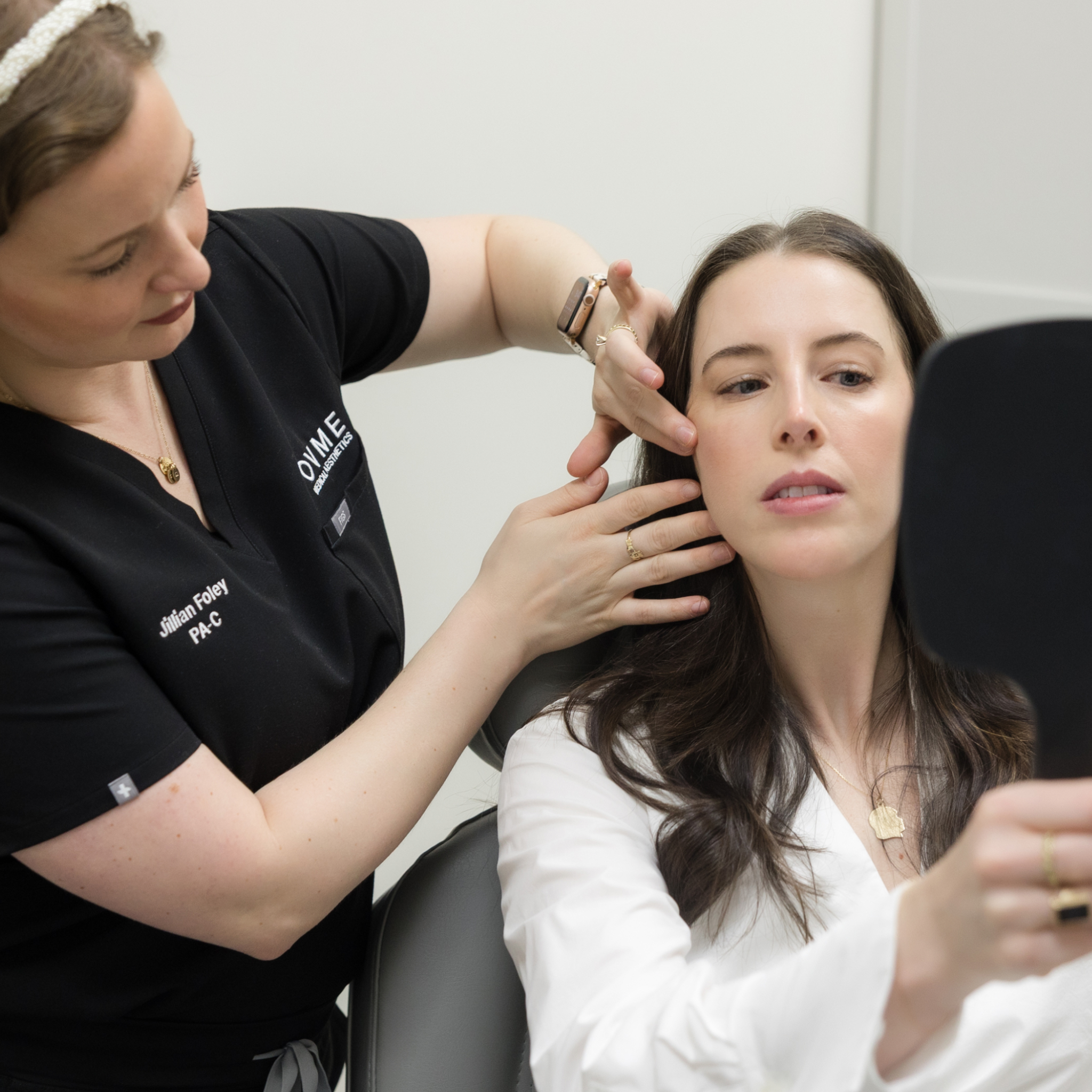
"When deciding between Botox and Dysport, I always start with the patient's anatomy, muscle strength, treatment goals, and how quickly they'd like to see results. Dysport tends to diffuse a bit more and can be great for larger treatment areas like the forehead, while Botox may offer more precision in smaller, targeted areas, so the decision is always personalized during the consultation." — Connie Meinken, MSN, APRN, NP-C
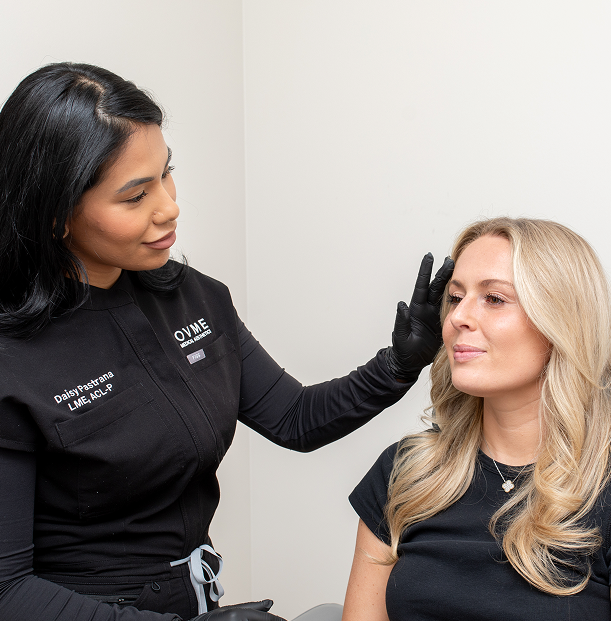
OVME is a technology-enabled medical aesthetics company founded in 2017 by Dr. S. Mark McKenna, with 27+ boutique studio locations across the United States. Both Botox and Dysport are available at every OVME studio — which means the recommendation is made based entirely on what works for your anatomy and goals. You can explore Botox and Dysport at OVME, or use the OVME app to choose a specific provider before your visit.
The Right Product Starts With the Right Conversation
Dysport and Botox are closely matched treatments with real, clinically meaningful differences. Dysport works faster. Botox may be more precise for certain areas. Dysport may have a slight edge for crow’s feet. Botox may outperform for glabellar lines. And for many patients, the difference comes down to individual anatomy, history, and goals — not a product spec sheet.
If you’re weighing your options, a complimentary consultation with an OVME provider is the most direct path to an answer. Both Botox and Dysport are available at every OVME studio. Find a location near you and book your complimentary consultation to get started.

Frequently Asked Questions
What is the difference between Dysport and Botox?
Both Botox® and Dysport® are FDA-approved botulinum toxin type A treatments that temporarily relax facial muscles to reduce dynamic wrinkles. The key practical differences: Dysport typically shows results in 2–3 days (Botox takes 5–7) and Dysport diffuses slightly more widely. Neither is universally superior; the right choice depends on the treatment area and your provider’s assessment. Individual results may vary.
How many units of Dysport vs Botox do I need?
Your provider will discuss your goals and skin concerns to determine the correct dose based on your muscle anatomy, treatment area, and goals.
Does Dysport work faster than Botox?
Typically yes. Dysport shows visible results within 2–3 days of treatment; Botox generally takes 5–7 days. Both reach their full effect within 2 weeks. Individual results may vary.
Medically reviewed by: Iman Shamloul, Senior Director, Clinical Talent Development
Last medically reviewed: March 27, 2026
Keep on reading