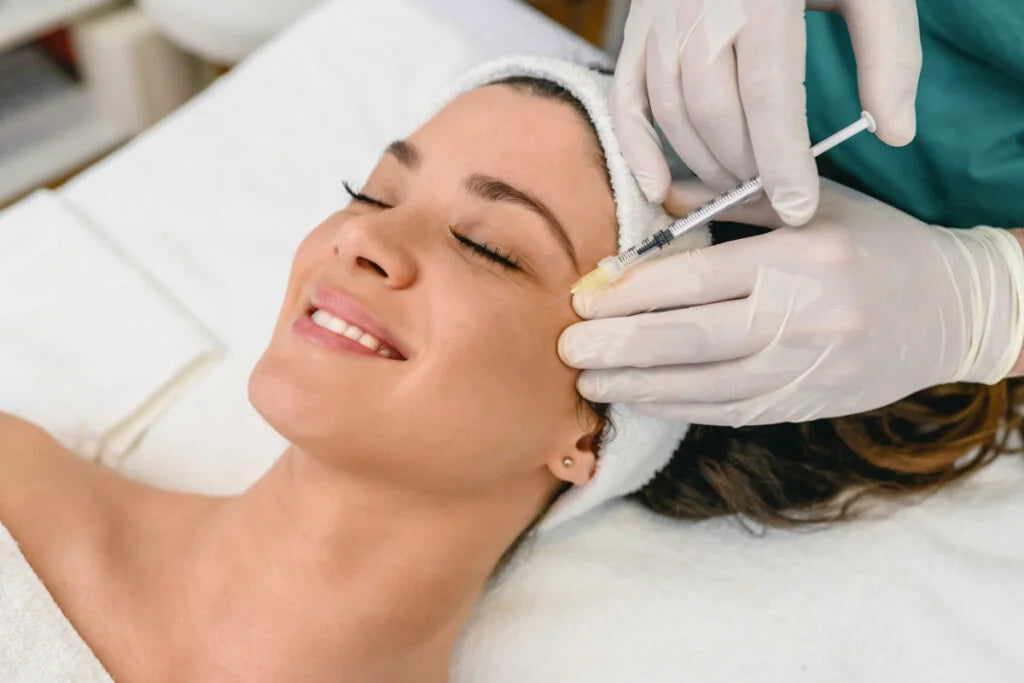
What You Should Know About Skin Tightening

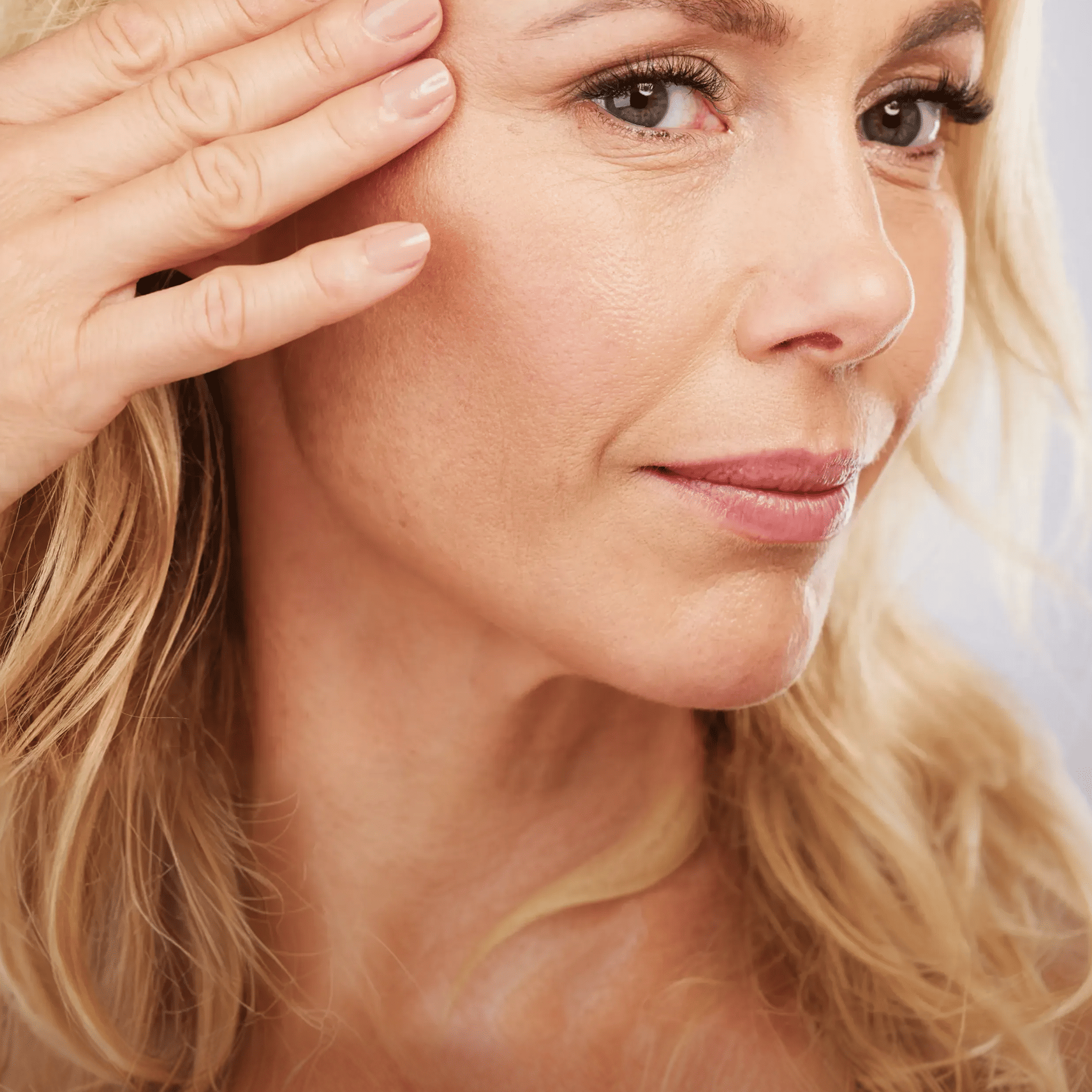
If you’ve looked in the mirror and noticed your skin isn’t quite bouncing back the way it used to, OVME is here to help. Skin laxity is one of the most common concerns people bring into aesthetic consultations, and it’s distinct from fine lines or wrinkles. This isn’t about expression creases. It’s about the firmness and structure of the skin itself: the jawline that’s less sharp, the neck that feels looser, the cheeks that have lost some of their lift.
The good news is that non-surgical skin tightening treatments have meaningful clinical evidence behind them. The confusing part is figuring out which ones actually work, who they work for, and what realistic results look like. Studios like OVME, which offers RF microneedling, laser resurfacing, Sculptra®, and Skinvive® across 27+ locations, see this question come up in consultations every day.
This guide covers what causes skin to lose firmness, which treatments are supported by evidence, and how to determine the right approach for your specific concerns.
Skin Tightening at a Glance
-
Popular treatments: RF microneedling, HALO laser resurfacing, Sculptra® (collagen biostimulator), Skinvive® (skin booster)
-
Costs: Vary depending on treatment type, number of sessions, and geographic location. See OVME pricing for current rates.
-
Recovery: Ranges from same-day to 5 to 7 days. RF microneedling typically involves 1 to 3 days of redness.
-
Results: Gradual. Most patients see peak improvement 3 to 6 months after a treatment series as new collagen develops. Maintenance sessions extend results.
-
Side effects: Common temporary effects include redness, swelling, and mild tenderness at the treatment site. Your provider will review what to expect for your specific treatment plan.
Why Skin Loses Firmness Over Time
Skin stays firm because of two structural proteins working together: collagen and elastin. Collagen provides the scaffolding (it makes up roughly 80% of your skin's structure), while elastin gives skin its ability to stretch and snap back. When both are plentiful, skin feels firm, resilient, and smooth.
With age, the body’s collagen production declines progressively, and elastin production slows as well. Over time, the balance shifts: your skin breaks down structural proteins faster than it replaces them.
Several factors accelerate this process:
-
UV exposure is the single largest external contributor. Ultraviolet light penetrates into the dermis, generating free radicals and activating matrix metalloproteinases that damage collagen and elastin fibers.
-
Smoking impairs collagen synthesis in the skin and contributes to premature wrinkling.
-
Weight Changes stretch the skin’s structural framework, and rapid changes don’t always allow the skin time to adapt.
-
Gravity is constant and cumulative. Over decades, it pulls on skin that has progressively less structural support.
This isn’t something that happens overnight, and it doesn’t happen the same way for everyone. Genetics, lifestyle, and sun exposure history all influence the timeline. Understanding the underlying mechanism matters because it shapes which treatments are most effective: the goal is to support the structural processes that maintain firmness.
Does Skin Tightening Actually Work?
This is the right question to ask, because the marketing around skin tightening can be hard to parse. Here’s what the clinical evidence shows.
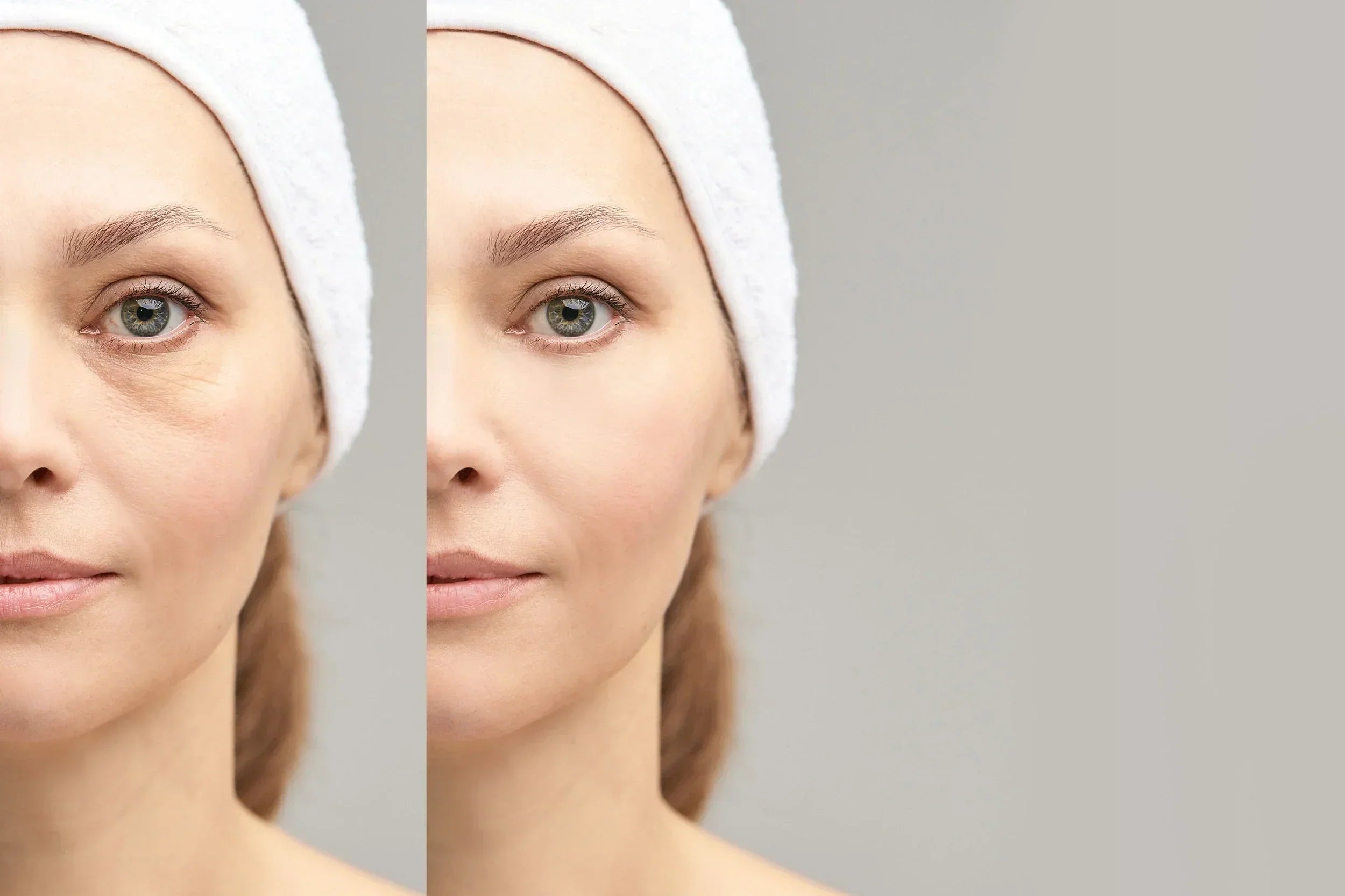
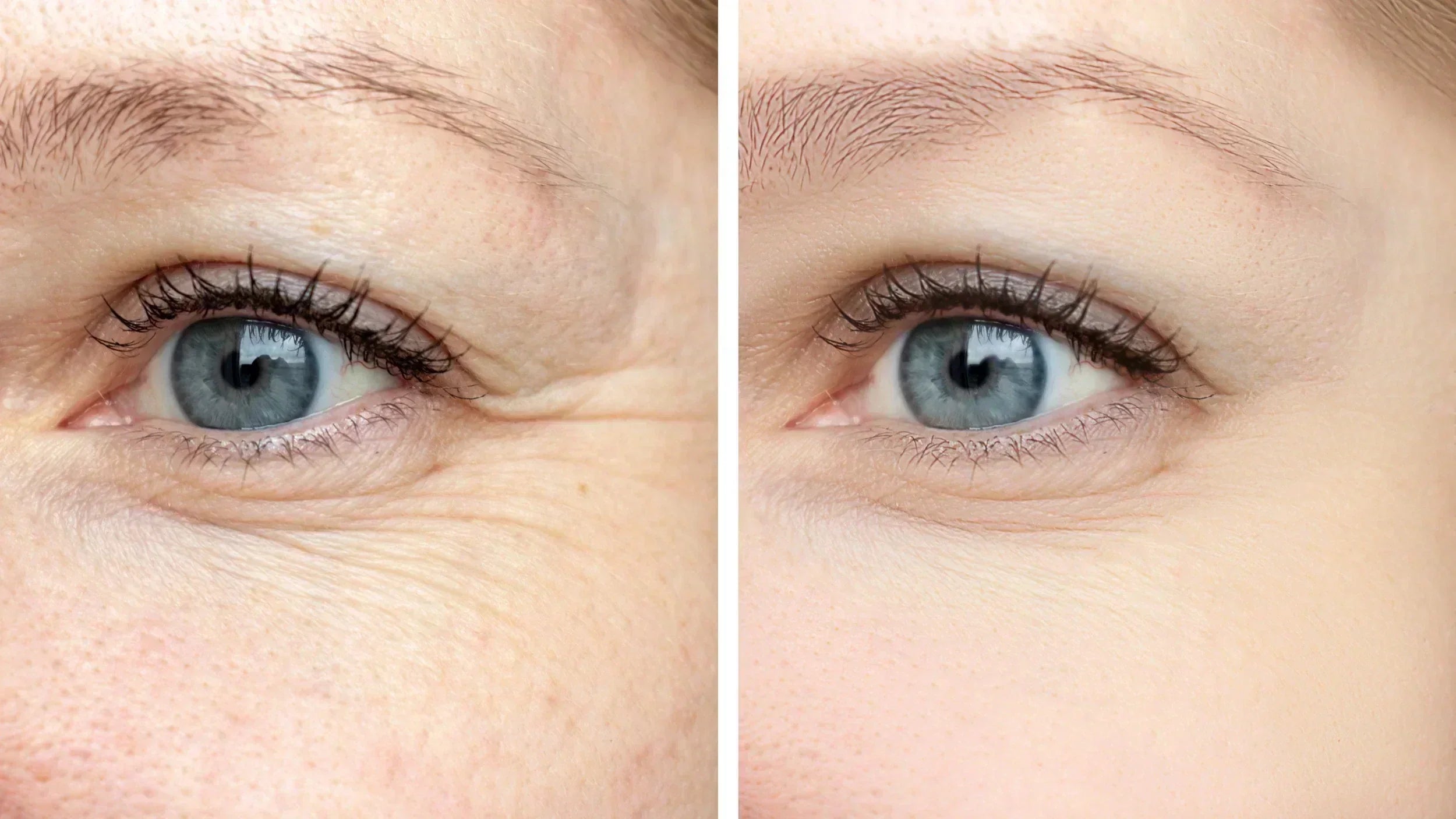
Non-surgical skin tightening treatments are effective for mild to moderate skin laxity. Published research shows the majority of patients experience visible improvement, and studies on radiofrequency microneedling have confirmed increased collagen and elastin production after treatment.
There are important caveats:
-
Results are gradual, not instant. Most treatments stimulate your body’s own collagen production, which takes weeks to months to become visible. Peak improvement typically occurs 3 to 6 months after treatment.
-
The degree of improvement depends on your starting point. Mild to moderate laxity responds well to non-surgical approaches.
-
Maintenance matters. Because the underlying process of collagen decline continues, periodic maintenance treatments help sustain results over time.
The patients who tend to be most satisfied are those who come in with realistic expectations: meaningful improvement in skin firmness and structure, not a surgical-level transformation. A complimentary consultation is the right starting point for understanding where your skin falls on that spectrum.
Non-Surgical Skin Tightening Treatments
The most effective non-surgical skin tightening options work through a shared principle: stimulating your skin’s own collagen and elastin production. They differ in how they deliver that stimulation, what depths they reach, and what kind of results you can expect.
If you’re also concerned about fine lines and expression wrinkles (which are a different category of concern), OVME’s wrinkle reduction guide covers those treatments in detail.
RF Microneedling
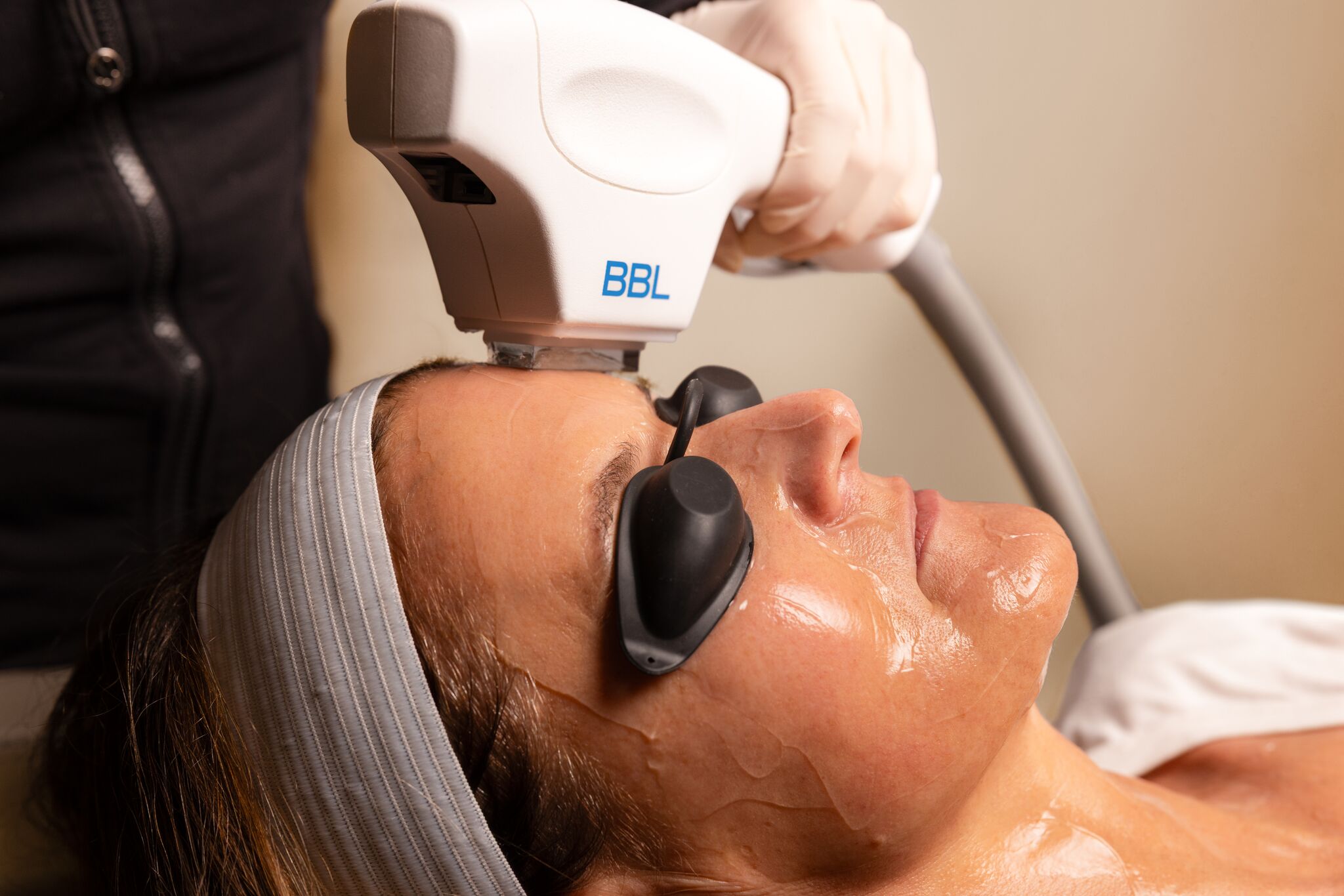
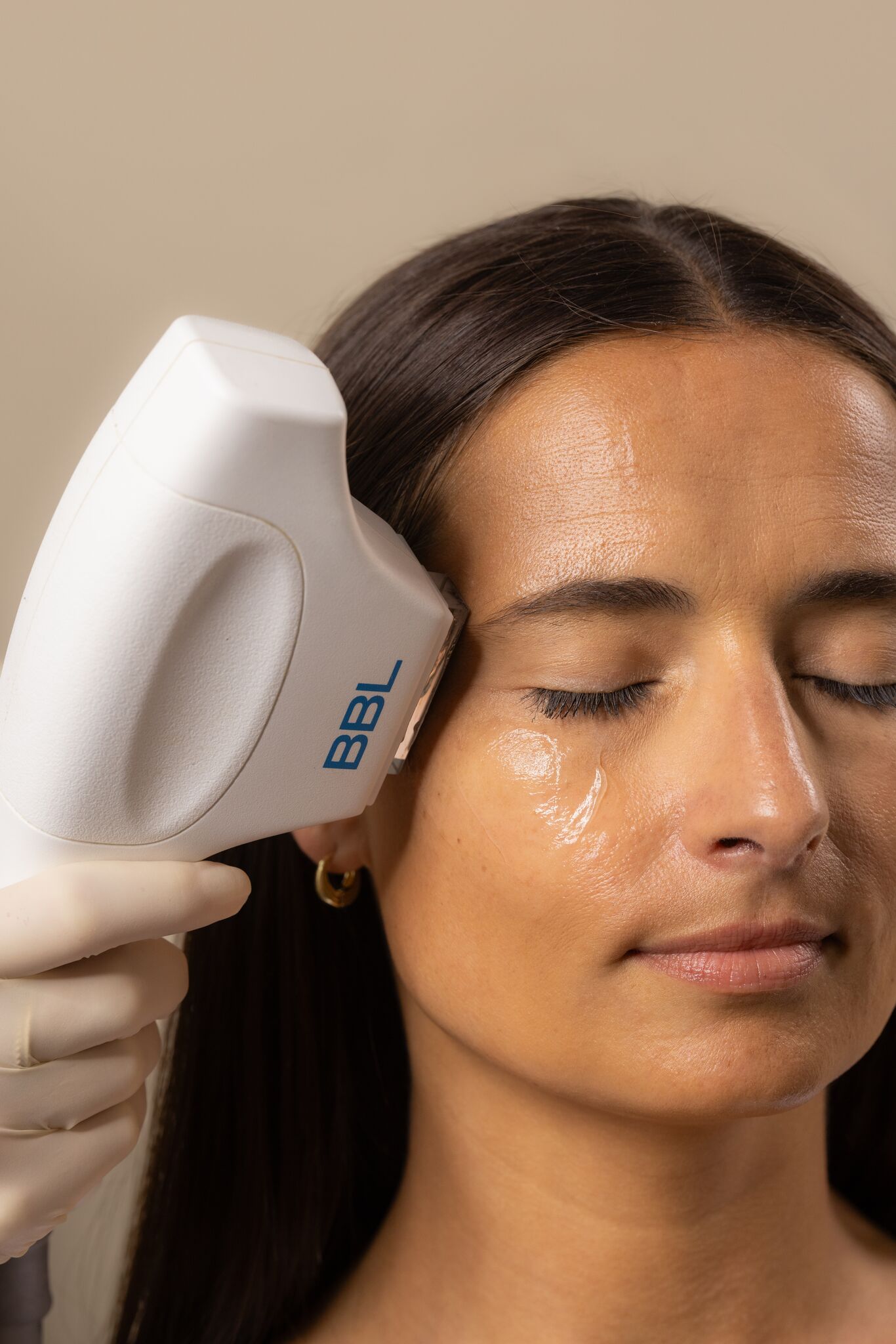
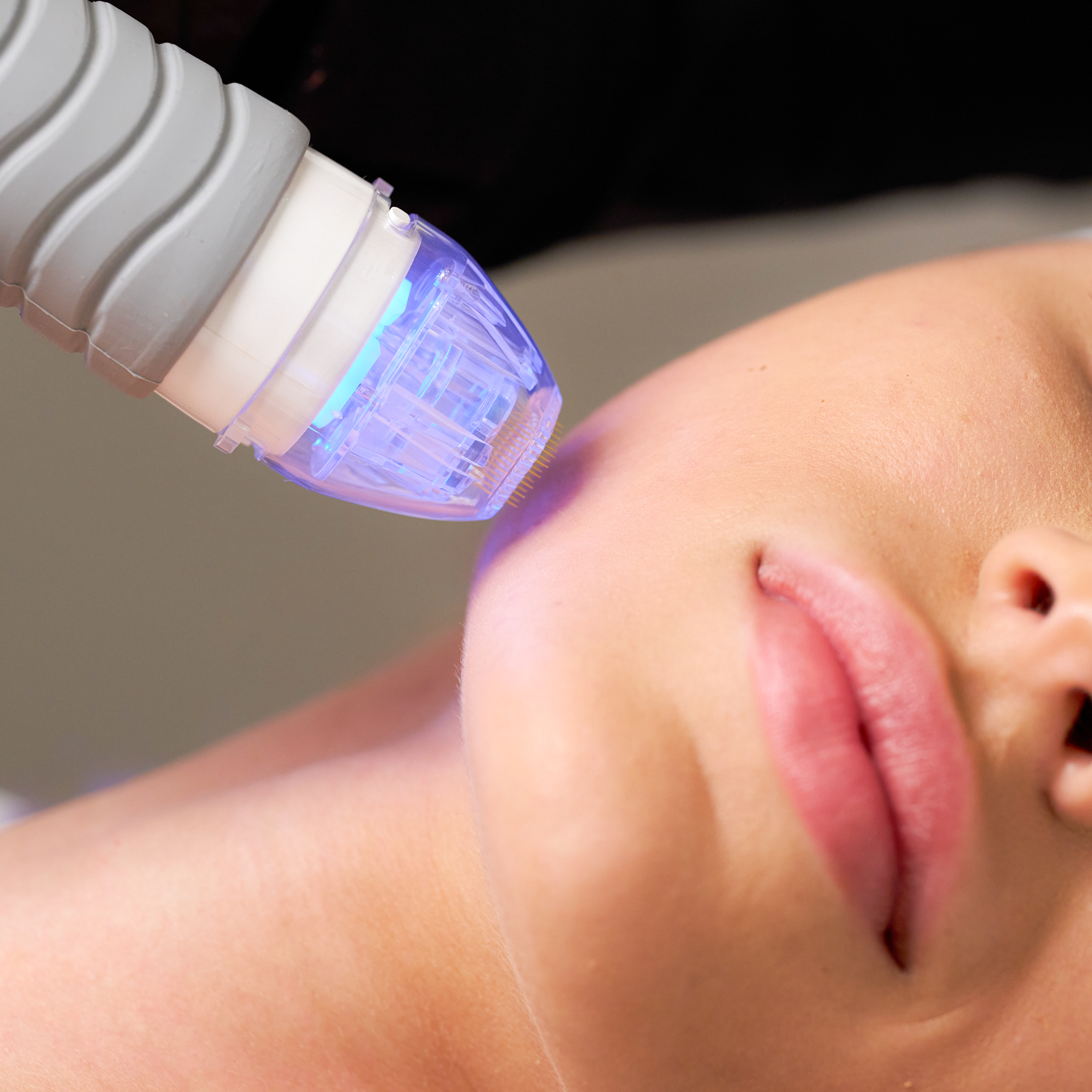
RF microneedling combines two mechanisms: insulated microneedles create controlled micro-injuries in the dermis while radiofrequency energy delivers targeted heat at precise depths. That dual signal triggers the skin’s wound-healing response, stimulating new collagen and elastin production from within.
For skin tightening specifically, the clinical evidence is strong. Peer-reviewed studies on bipolar and fractional RF microneedling for lower face and neck laxity have reported statistically significant improvements in laxity scores and high patient satisfaction rates. Histological analysis in clinical research has documented meaningful post-treatment increases in both collagen and elastin fiber density.
What to expect: A typical treatment plan ranges from 3 to 4 sessions spaced several weeks apart. Initial firming effects can appear within 3 to 4 weeks, with peak improvement typically emerging 3 to 6 months after the final session. Results commonly last 12 months or longer, and maintenance sessions can extend those improvements. Downtime is typically 1 to 3 days of mild redness.
Explore RF microneedling at OVME for details on what a treatment series involves.
HALO Laser Resurfacing
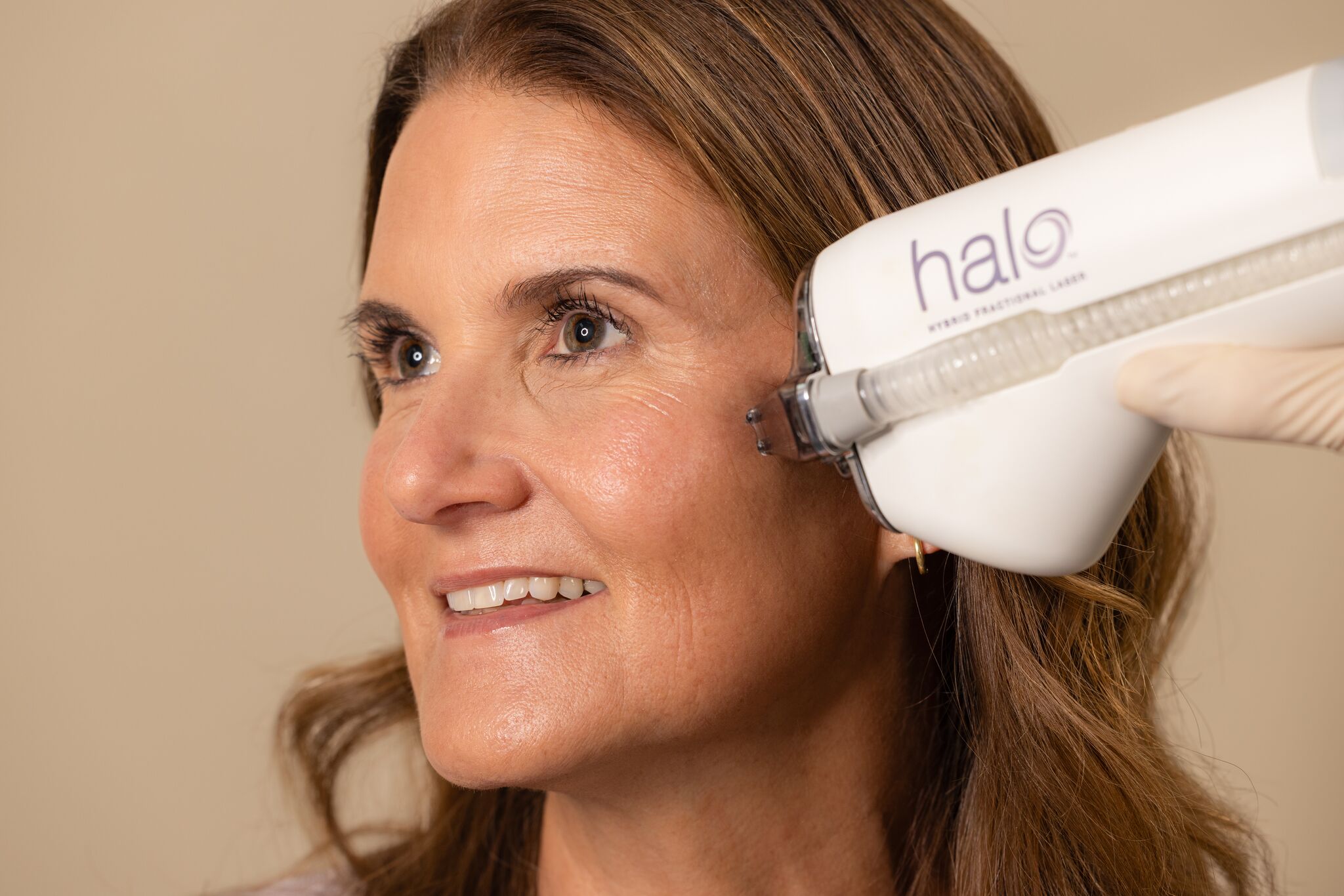
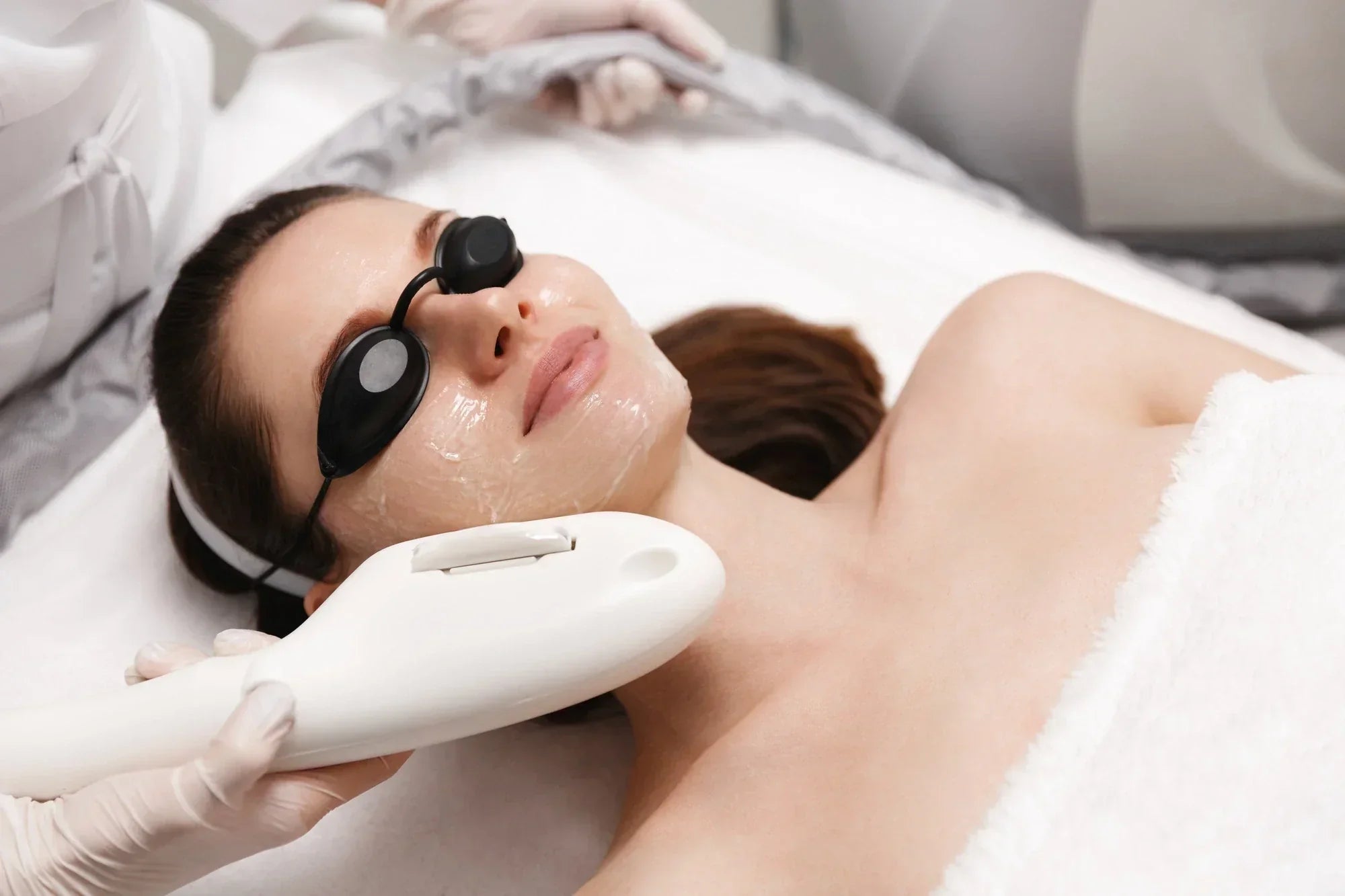
Laser resurfacing is the more intensive non-surgical option, and for moderate laxity combined with surface texture concerns, it can deliver the most significant single-session improvement. At OVME, this is the HALO hybrid laser, which combines ablative and non-ablative wavelengths to resurface the skin and stimulate collagen remodeling simultaneously.
The ablative wavelength (2940 nm) targets the epidermis to address surface-level damage. The non-ablative wavelength (1470 nm) penetrates deeper into the dermis to trigger structural collagen production. The result is both an immediate surface improvement and a longer-term firming effect as new collagen develops.
Peer-reviewed clinical data on the HALO hybrid fractional laser has documented significant skin improvement in the majority of treated patients, with effects that build over several months of collagen remodeling.
What to expect: Recovery involves approximately 5 to 7 days of redness and flaking per Sciton’s official post-care guidance. That’s a meaningful but temporary trade-off, and your provider will walk you through exactly what to expect based on your skin and the treatment settings selected.
See laser resurfacing at OVME for more on the treatment experience.
Sculptra®
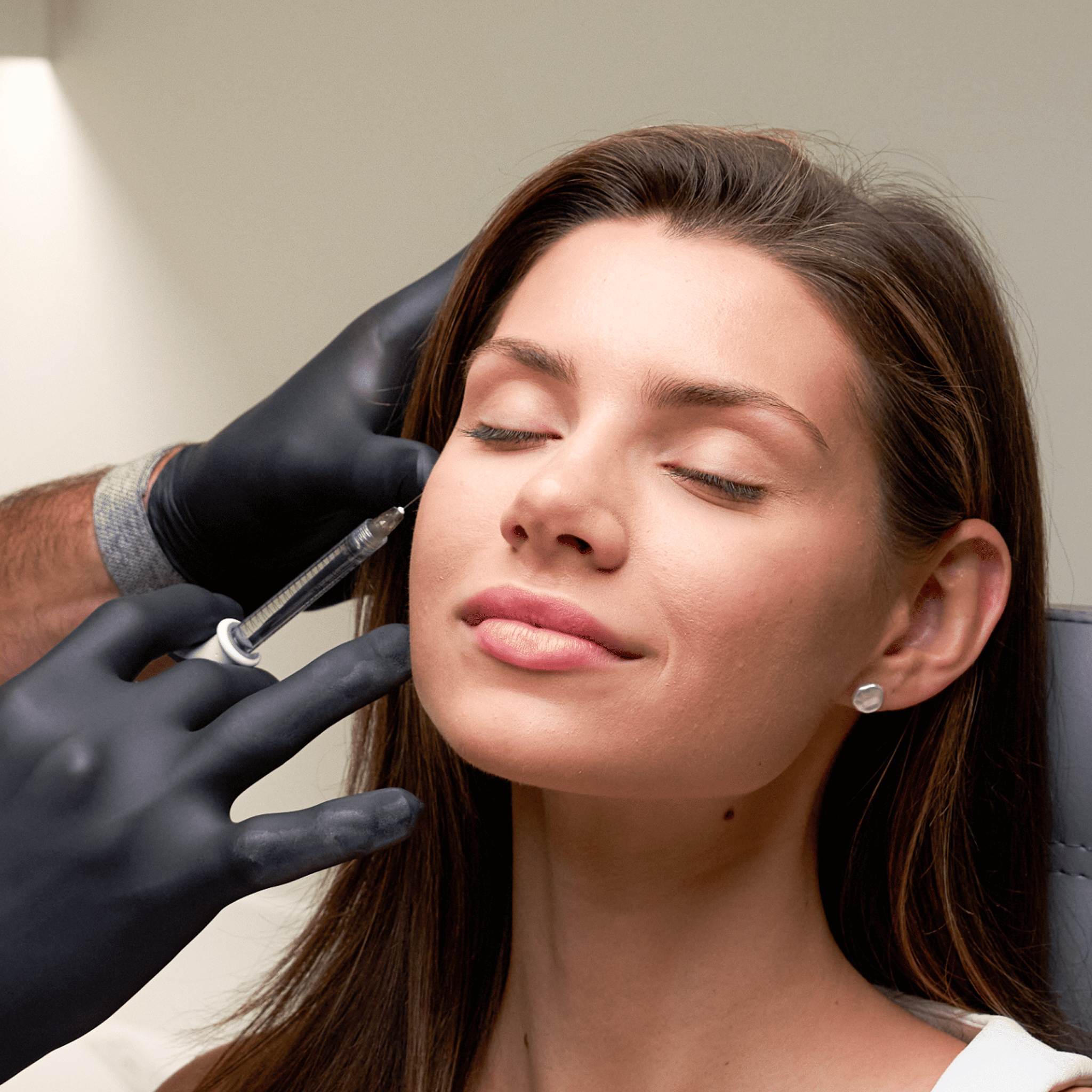
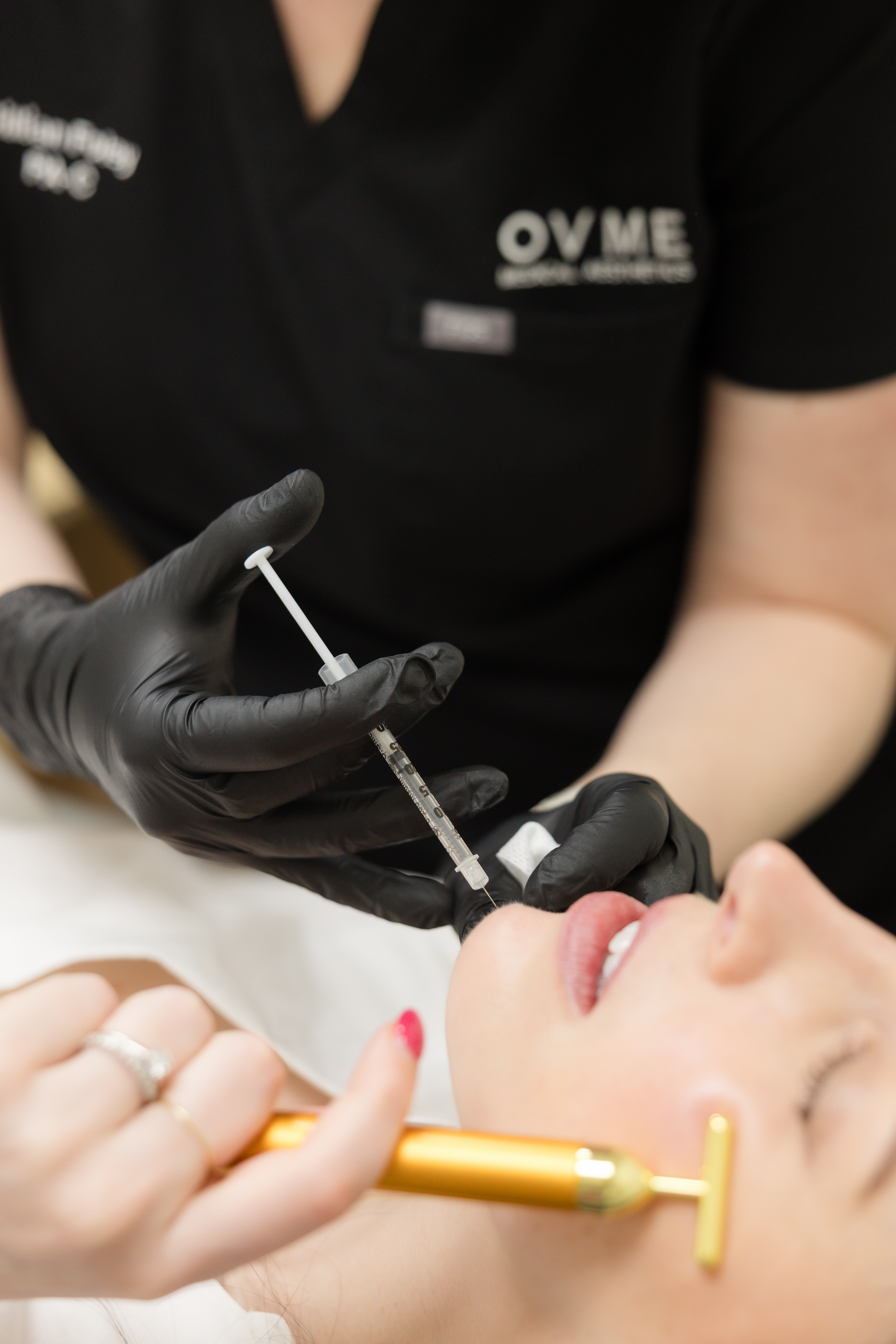
Sculptra is a collagen biostimulator, not a filler. This is an important distinction. While hyaluronic acid fillers add volume by physically filling space beneath the skin, Sculptra® works by stimulating your body’s own collagen production using poly-L-lactic acid (PLLA). Over time, your skin rebuilds its structural foundation from within.
For skin tightening, this means Sculptra addresses laxity at the source: the gradual loss of collagen that causes skin to loosen. In Galderma-sponsored clinical studies of Sculptra® injected into the cheek region, treating investigators reported improvements in skin radiance and jawline contour that remained measurable over extended follow-up periods.
What to expect: A typical course involves 3 treatment sessions spaced 4-6 weeks apart. Results appear gradually (as early as 1 month) and continue building as new collagen forms. The structural improvements can last up to 2 years. Your provider will recommend the right number of sessions based on your skin and goals. Maintenance treatments are recommended 1-2 times per year.
Learn more about Sculptra at OVME.
SkinVive®
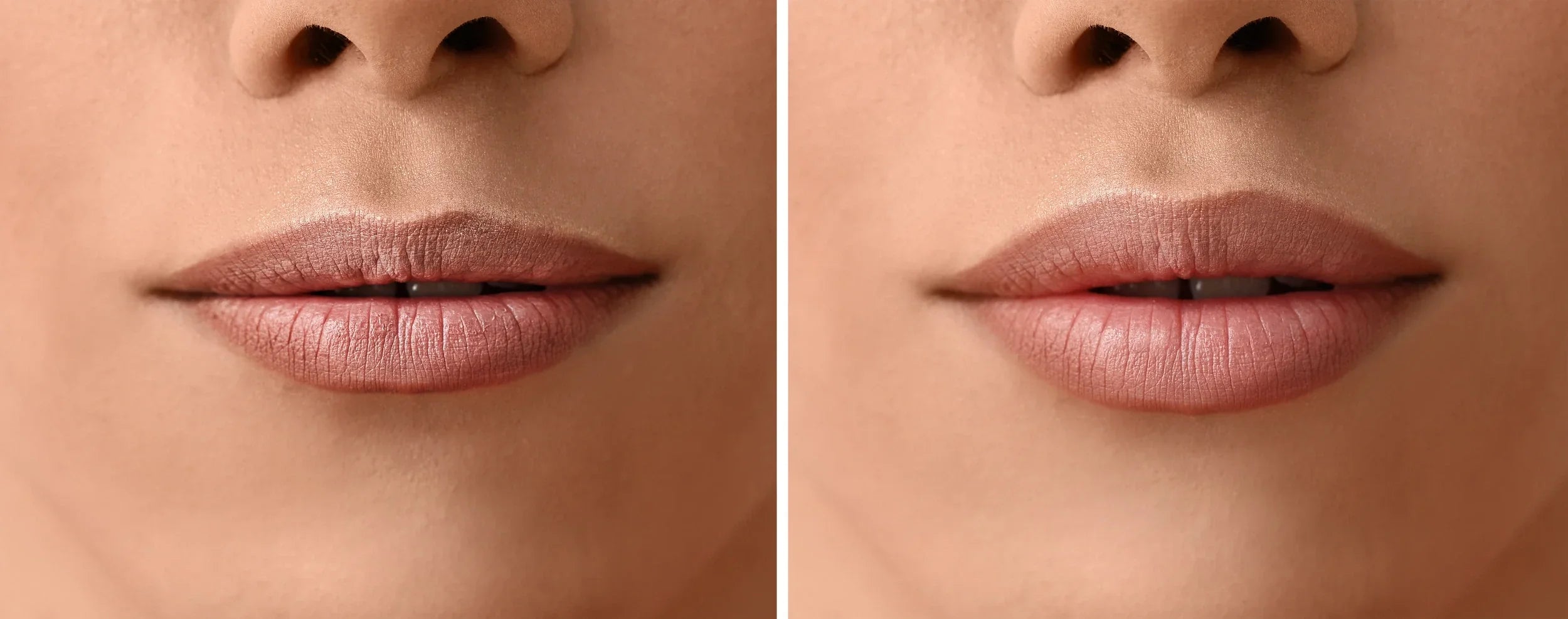
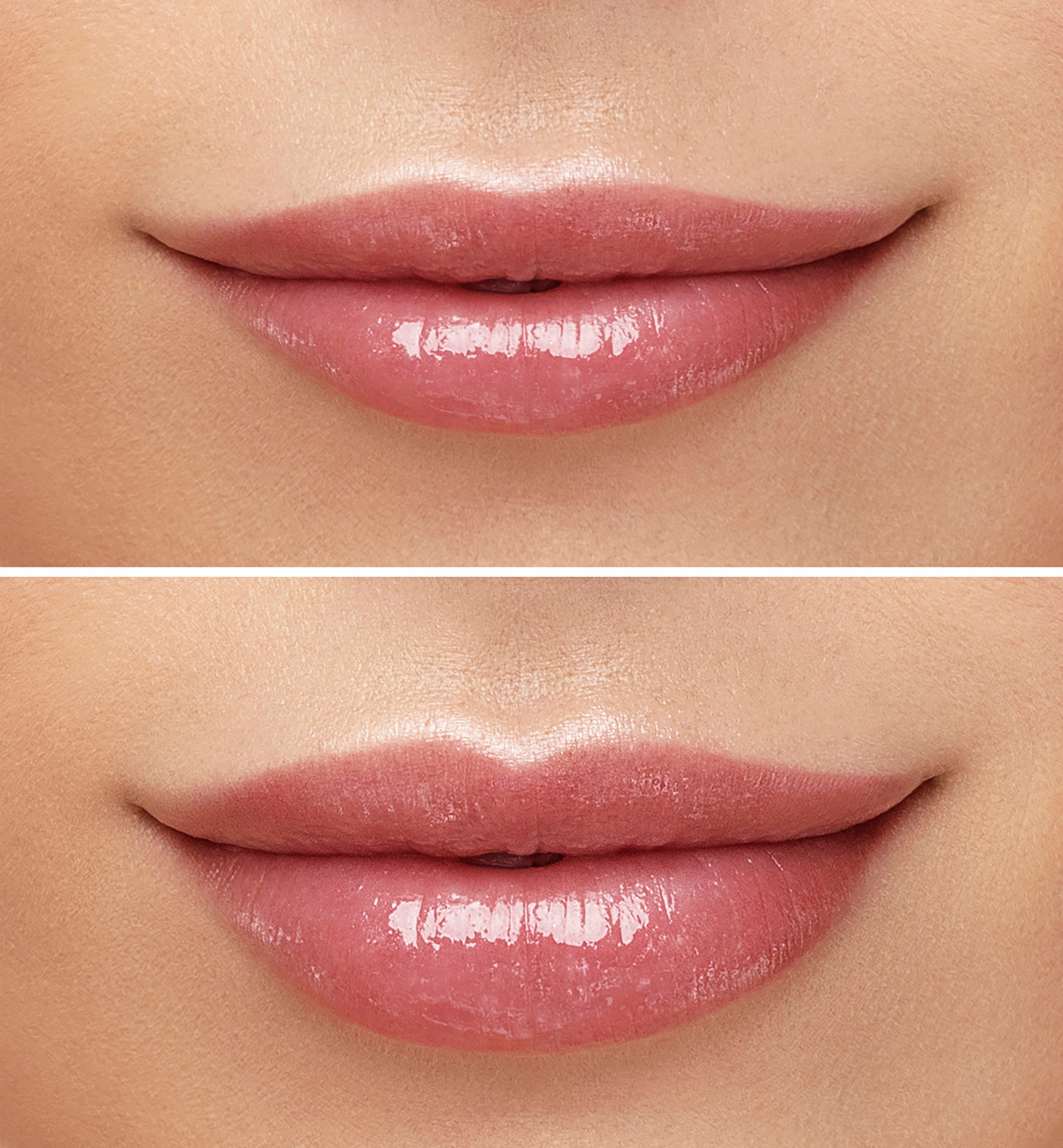
SkinVive® by JUVEDERM is the first and only FDA-approved hyaluronic acid microdroplet injection, indicated for improving skin smoothness in the cheeks. While it doesn’t tighten skin in the structural sense that RF microneedling or Sculptra do, it addresses an important complementary concern: overall skin quality, hydration, and smoothness.
Microdroplets of hyaluronic acid are injected just beneath the skin’s surface to improve hydration from within. In the pivotal clinical study, 83% of patients were satisfied with the health of their facial skin at 6 months (versus 38% before treatment), and 72% reported satisfaction with hydration (versus 24% before treatment).
What to expect: Results are visible as early as 1 month, with benefits lasting up to 6 months per the product’s official labeling. Many patients pursuing skin tightening treatments find that Skinvive complements structural treatments by improving the skin’s overall quality and radiance.
Explore Skinvive at OVME for more details.
Skin Tightening vs. Facials: What’s the Difference?
This is a common question, and it makes sense. Both skin tightening treatments and facials promise better-looking skin, but they work at fundamentally different levels.
Facials primarily address the skin’s surface. Treatments like chemical peels, HydraFacials, and dermaplaning improve tone, texture, hydration, and the outermost layer of skin. They’re valuable for maintaining skin health, promoting cell turnover, and keeping your complexion looking refreshed.
Skin tightening treatments work at the structural level. RF microneedling, laser resurfacing, and Sculptra target the dermis, where collagen and elastin live. They stimulate the production of new structural proteins that physically firm and lift the skin over time.
If your primary concern is firmness, lift, or definition (especially along the jawline, neck, or cheeks), skin tightening treatments address that concern at its structural root. Facials are a useful complement that keeps the surface of your skin healthy while tightening treatments rebuild what’s underneath.
The two approaches work well together. They’re not interchangeable.
What to Expect at OVME
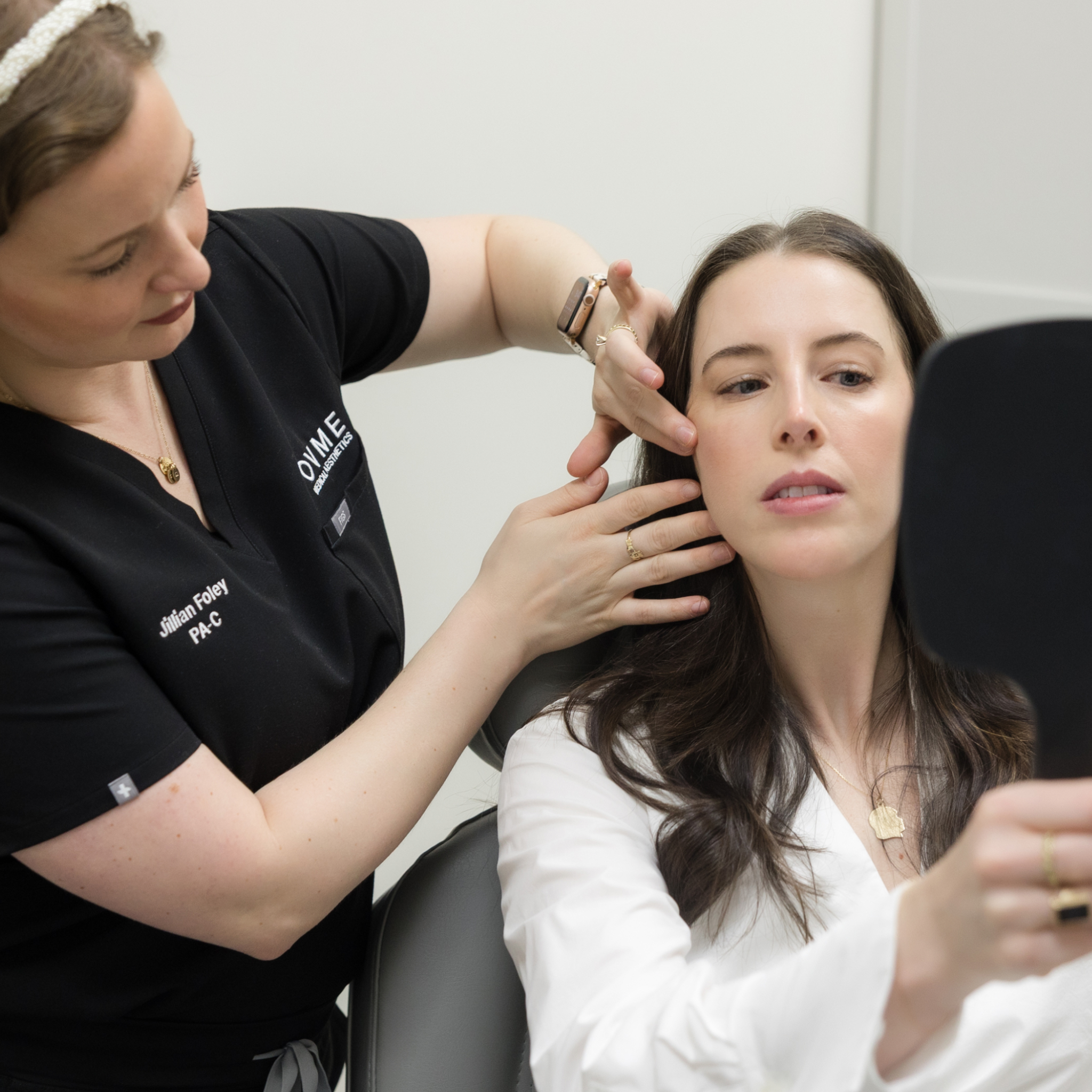
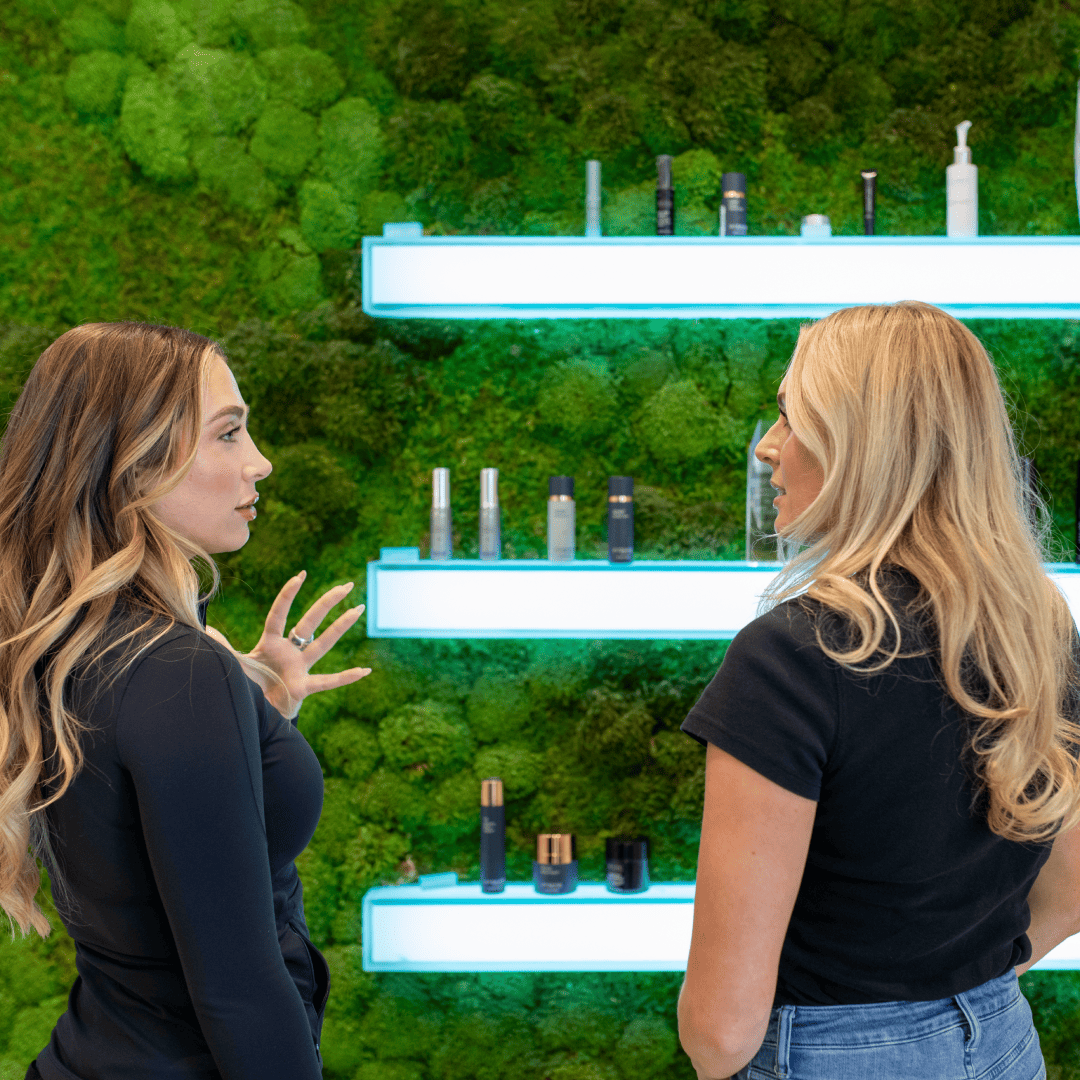
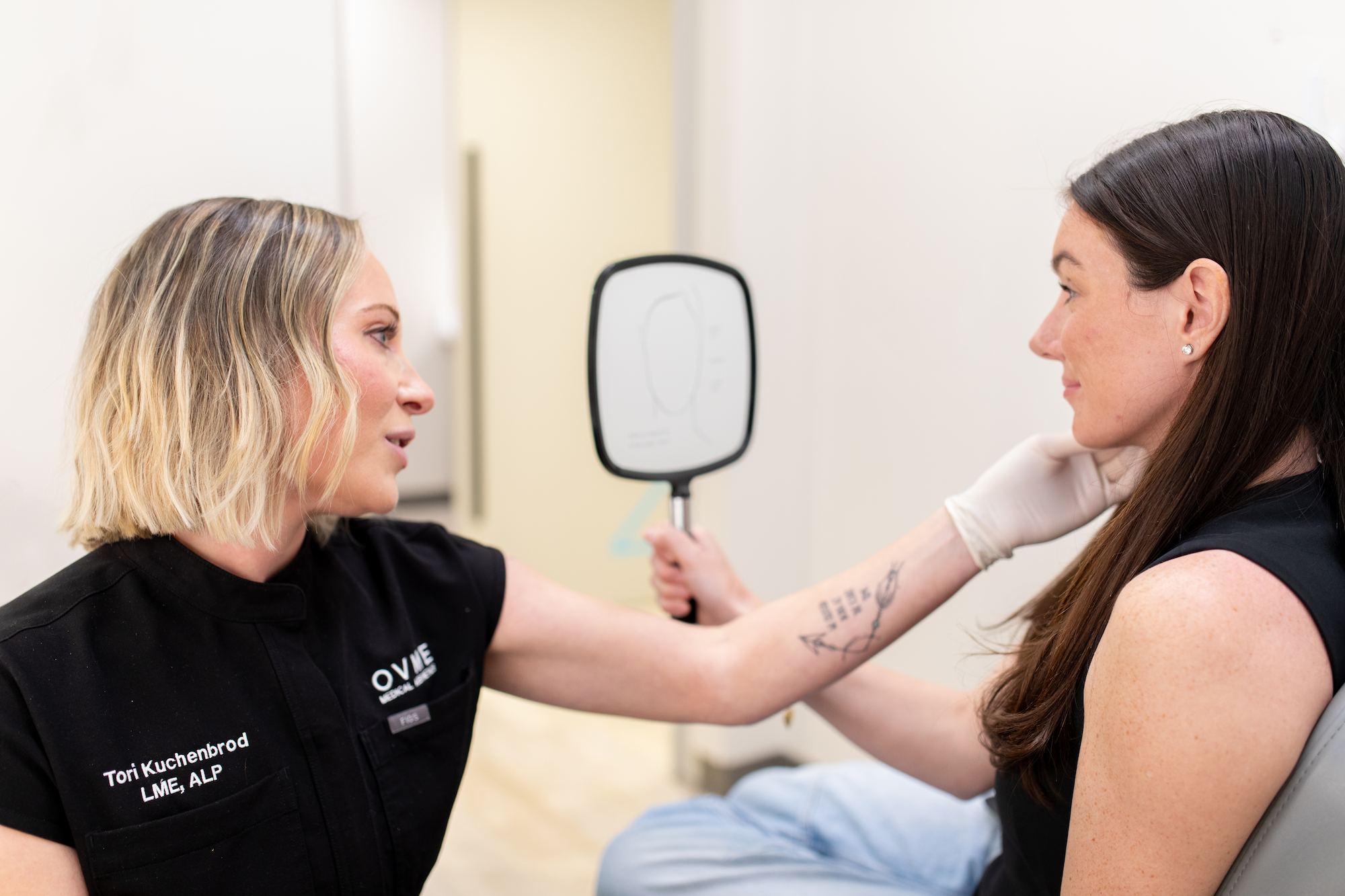
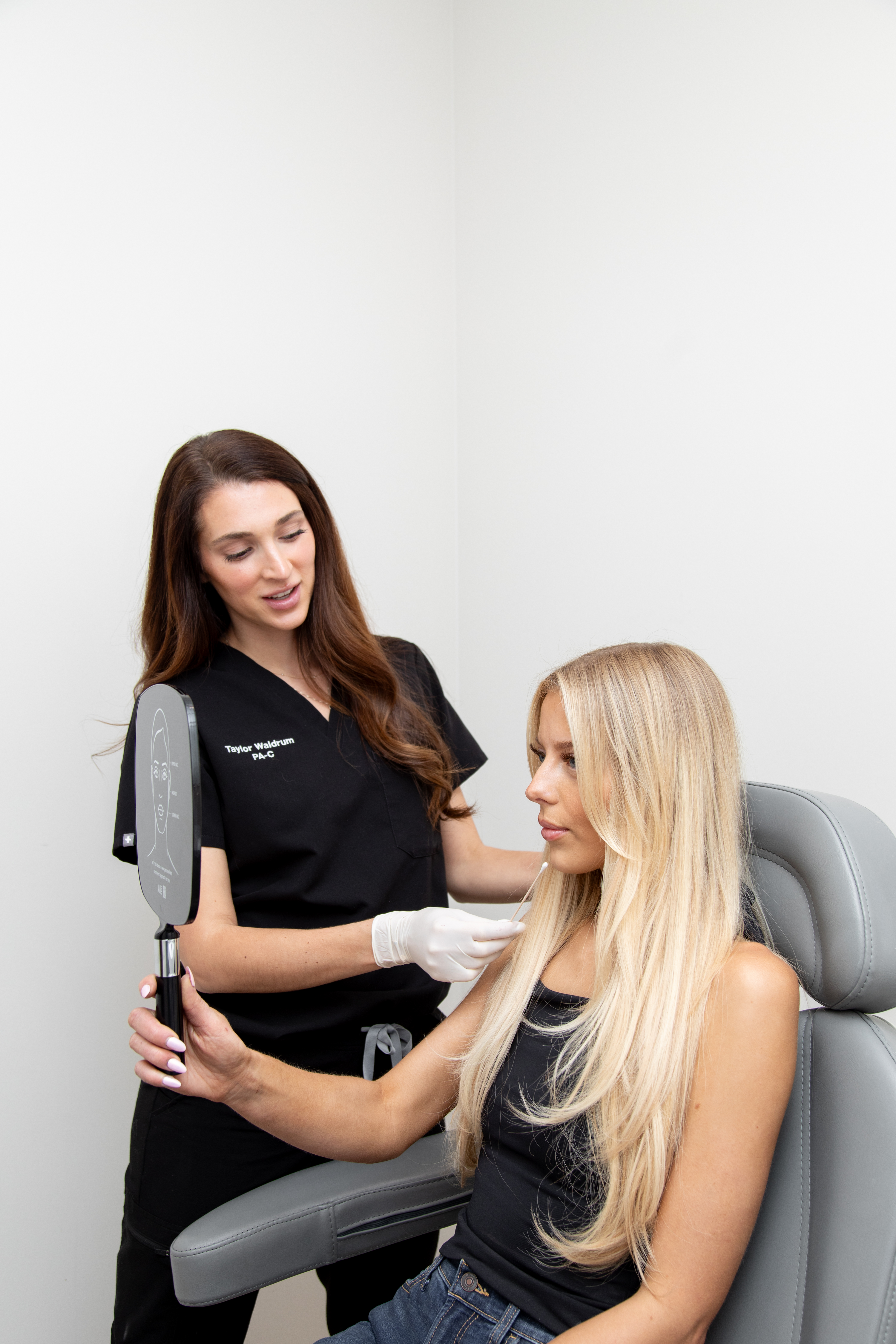
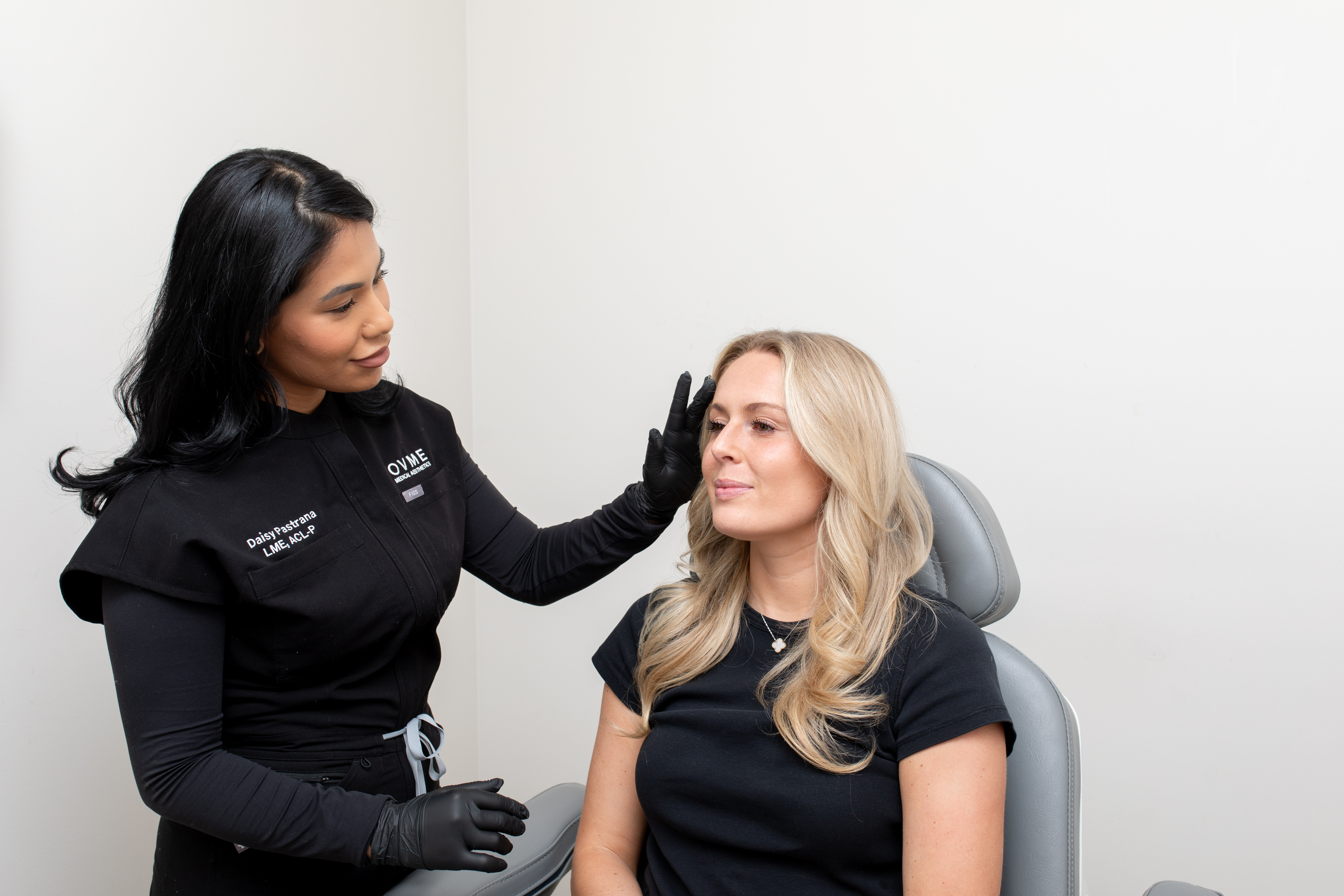
Every skin tightening conversation starts with a complimentary consultation where your provider assesses your skin, listens to your concerns, and recommends a plan tailored to your specific goals.
Because OVME offers multiple skin tightening modalities (RF microneedling, HALO laser resurfacing, Sculptra, Skinvive, and others), your provider can match the right treatment to your skin rather than being limited to a single device. That’s a meaningful difference: the recommendation is based on what your skin needs, not on what a studio happens to have available.
All treatments are performed by licensed medical professionals, including registered nurses, nurse practitioners, and physician assistants, all supervised by medical directors who are board-certified plastic surgeons.
To explore current pricing, visit the pricing page. Ready to have the conversation? Find an OVME studio near you or book through the OVME app.
Your Skin, Your Timeline
Skin tightening is not a single treatment or a one-time event. It’s a gradual process of supporting the structural proteins that keep your skin firm. Whether that means a series of RF microneedling sessions, a Sculptra treatment plan that builds collagen over months, or a combination approach that addresses both structure and surface quality, the path forward starts with understanding your skin.
The most effective approach is the one designed around your specific concerns, your skin’s starting point, and your goals. That conversation happens in person, with a provider who has the training and the full menu of options to guide you.
Frequently Asked Questions
What actually causes skin to sag as you get older?
Collagen production in the skin declines progressively with age, and the structural proteins that keep skin firm (collagen and elastin) break down faster than they’re replaced. UV exposure, smoking, and weight fluctuations accelerate this process. The result is skin that gradually loses its ability to bounce back, showing up as sagging along the jawline, neck, and cheeks. Individual factors like genetics and sun exposure history influence how quickly laxity becomes visible.
Does skin tightening really work or is it just marketing?
Non-surgical skin tightening is supported by clinical evidence for mild to moderate laxity. Published research shows the majority of patients experience visible improvement, and RF microneedling studies confirm increased collagen and elastin production. That said, results are gradual (developing over weeks to months), not dramatic overnight changes.
My skin is starting to lose firmness. What are my non-surgical options?
The three leading non-surgical approaches target firmness through different mechanisms. RF microneedling delivers radiofrequency energy into the dermis to stimulate collagen and elastin production. Laser resurfacing triggers structural remodeling through controlled thermal energy. Sculptra®, a collagen biostimulator, rebuilds your skin’s collagen foundation over several months. Many providers recommend combining treatments for the most comprehensive improvement. A complimentary consultation helps determine which approach fits your specific skin.
Is skin tightening better than anti-aging facials for long-term results?
They serve different purposes. Skin tightening treatments work at the structural level, stimulating new collagen and elastin production in the dermis. Facials primarily address the skin’s surface through hydration, exfoliation, and tone improvement. For firmness and laxity concerns, energy-based tightening treatments deliver longer-lasting structural change. Facials are a valuable complement to skin tightening, but they don’t replace the deeper structural work.
Where can I get treatments for skin tightening?
Skin tightening treatments are available at medical aesthetics studios and dermatology practices that offer energy-based devices and injectable biostimulators. OVME operates 27+ boutique studios across the United States, offering RF microneedling, HALO laser resurfacing, Sculptra, and Skinvive. All treatments are performed by licensed medical professionals, including registered nurses, nurse practitioners, and physician assistants supervised by board-certified plastic surgeon medical directors.
Does OVME offer skin tightening treatments and how many sessions would I need to see results?
Yes. OVME offers multiple skin tightening modalities, including RF microneedling, HALO laser resurfacing, Sculptra®, and Skinvive®. The number of sessions depends on your specific skin, the treatment selected, and your goals. RF microneedling typically involves a series of 3 to 4 treatments with results building over 3 to 6 months. Sculptra usually involves multiple sessions spaced weeks apart, with improvement continuing over several months. Your provider will recommend a personalized plan during a complimentary consultation. Individual results may vary.
Written by: Iman Shamloul
Medically reviewed by: Iman Shamloul, Senior Director, Clinical Talent Development
Last medically reviewed: April 28, 2026
Keep on reading