Does Microneedling Hurt? Here’s What It Actually Feels Like
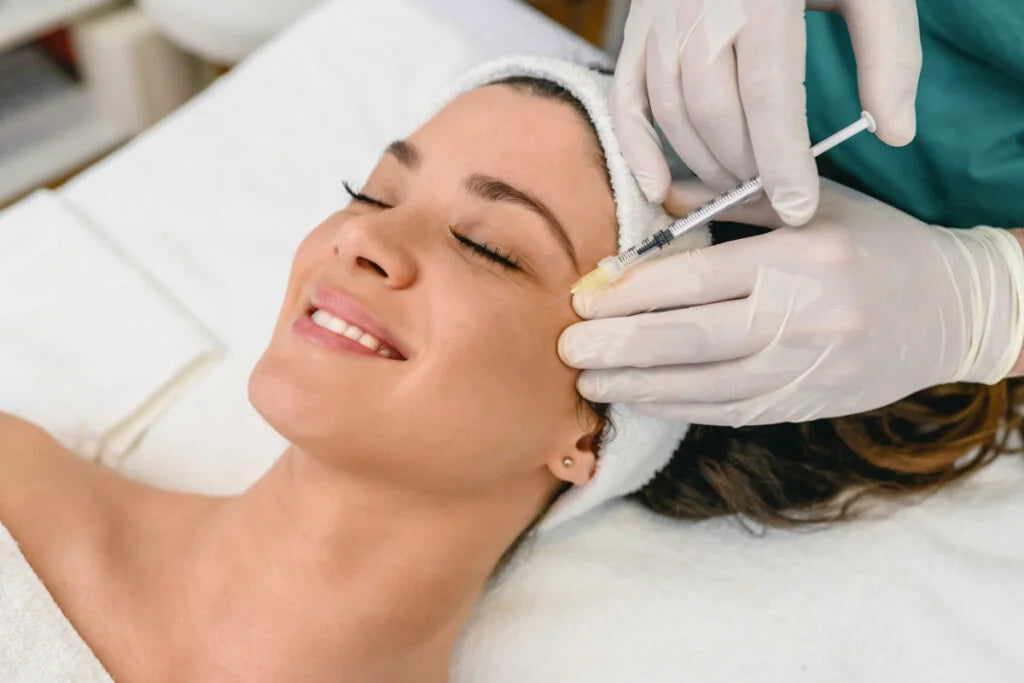
The honest answer: you’ll feel something. SkinPen® microneedling uses fine needles to create controlled micro-injuries in the skin, and no amount of marketing language can change the fact that needles into the skin produce sensation. The reassuring part: the discomfort is well-managed, brief, and far less than what most people picture when they see treatment videos online.
This article gives you the realistic pain expectation before you book. What it actually feels like, how numbing changes the experience, how it compares to Botox® and other treatments you may have done, and what you can do to make it more comfortable.
What Does Microneedling Feel Like?
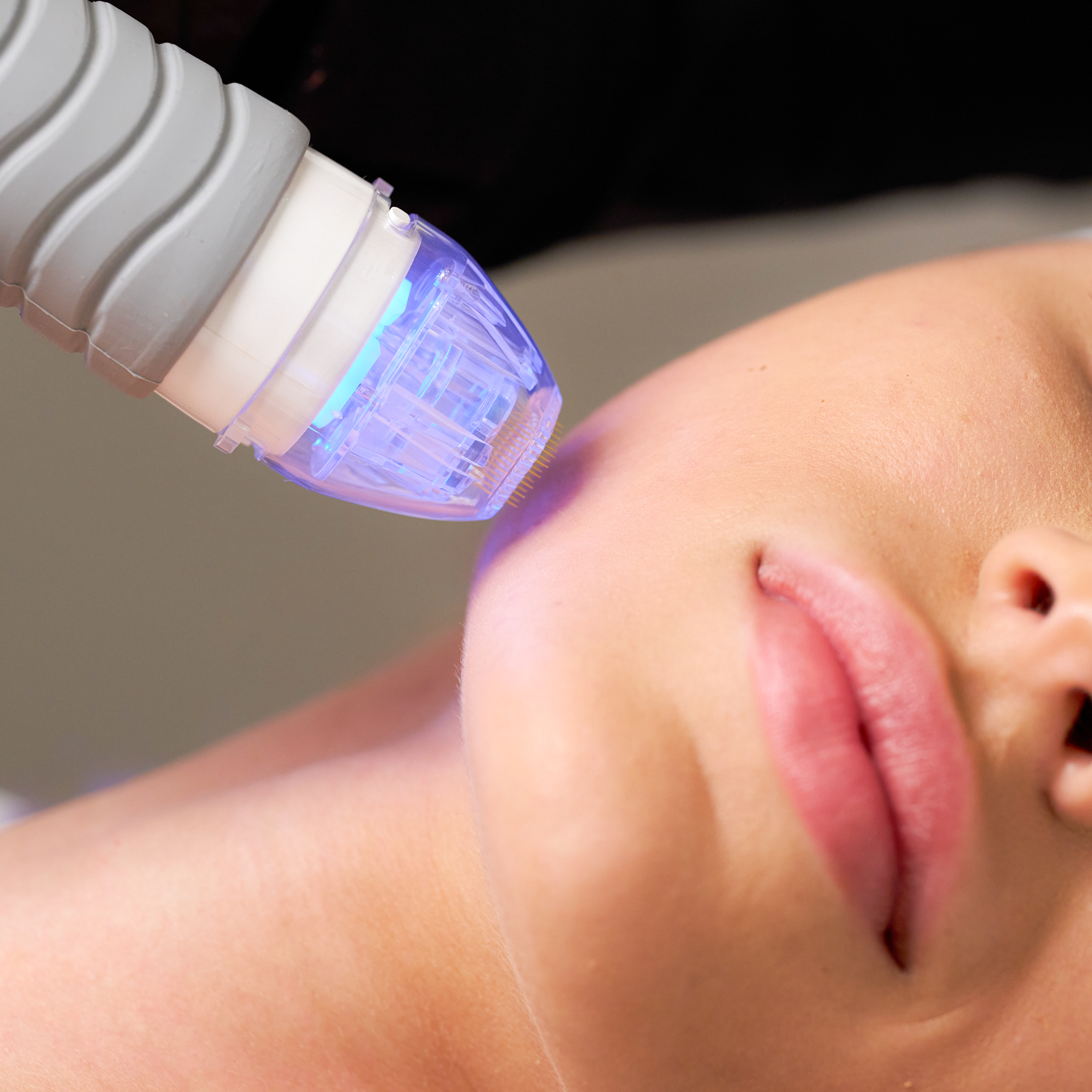
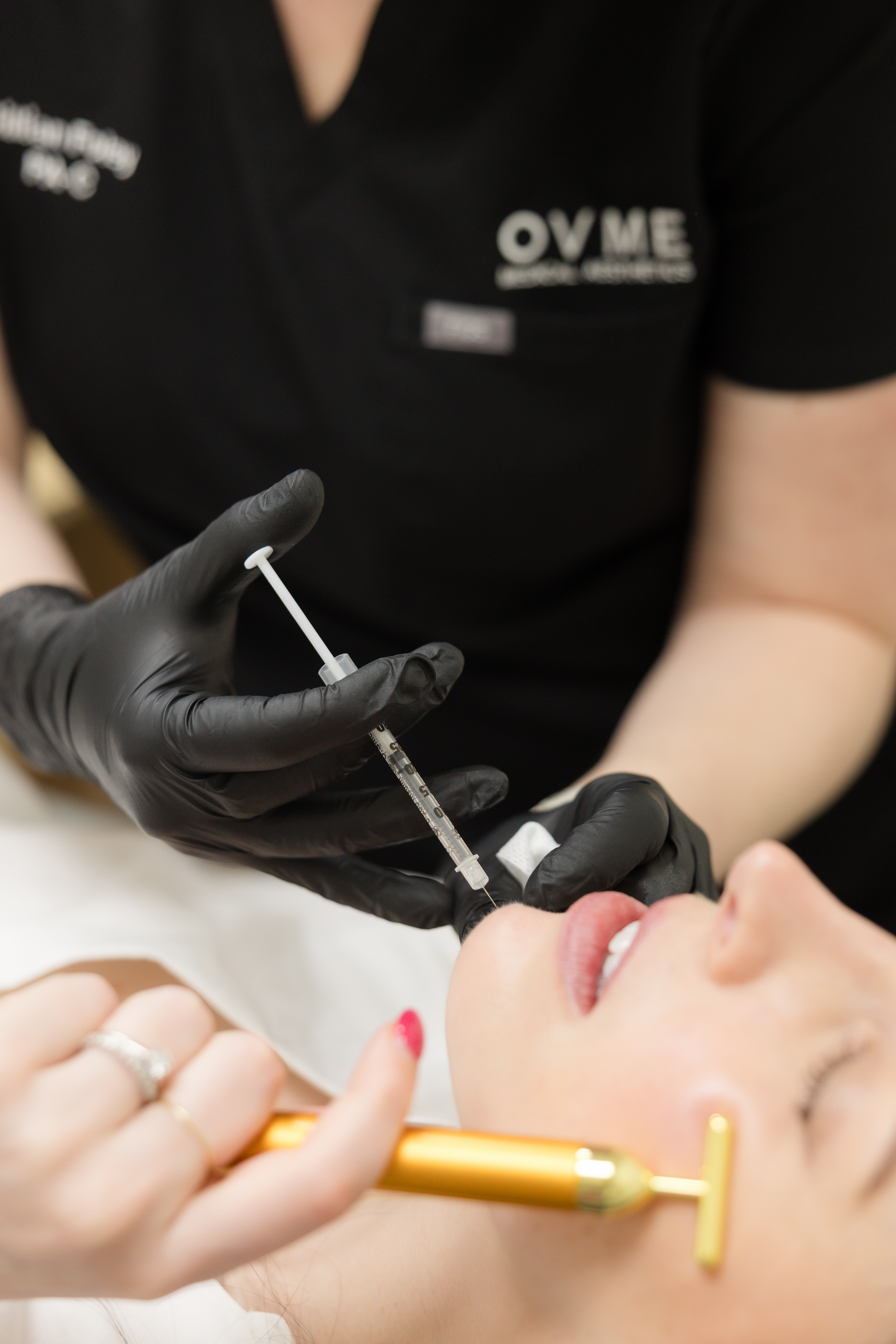
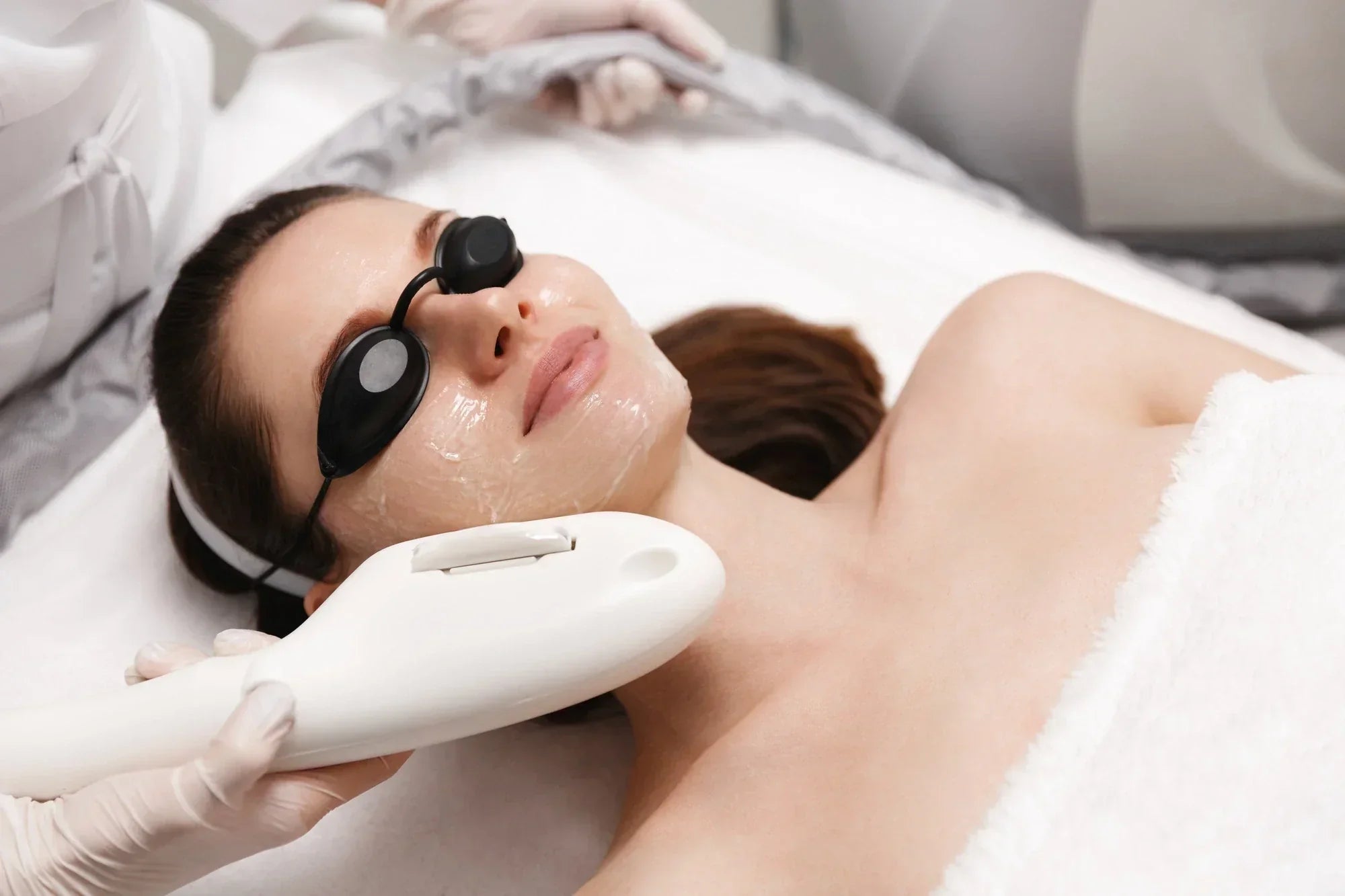
SkinPen microneedling uses a device with tiny, sterile needles to make small, controlled punctures across the skin’s surface. Those tiny “injuries” prompt the skin’s natural repair response, which builds new collagen over the weeks that follow. The needles are short and stay within the upper layers of the skin.
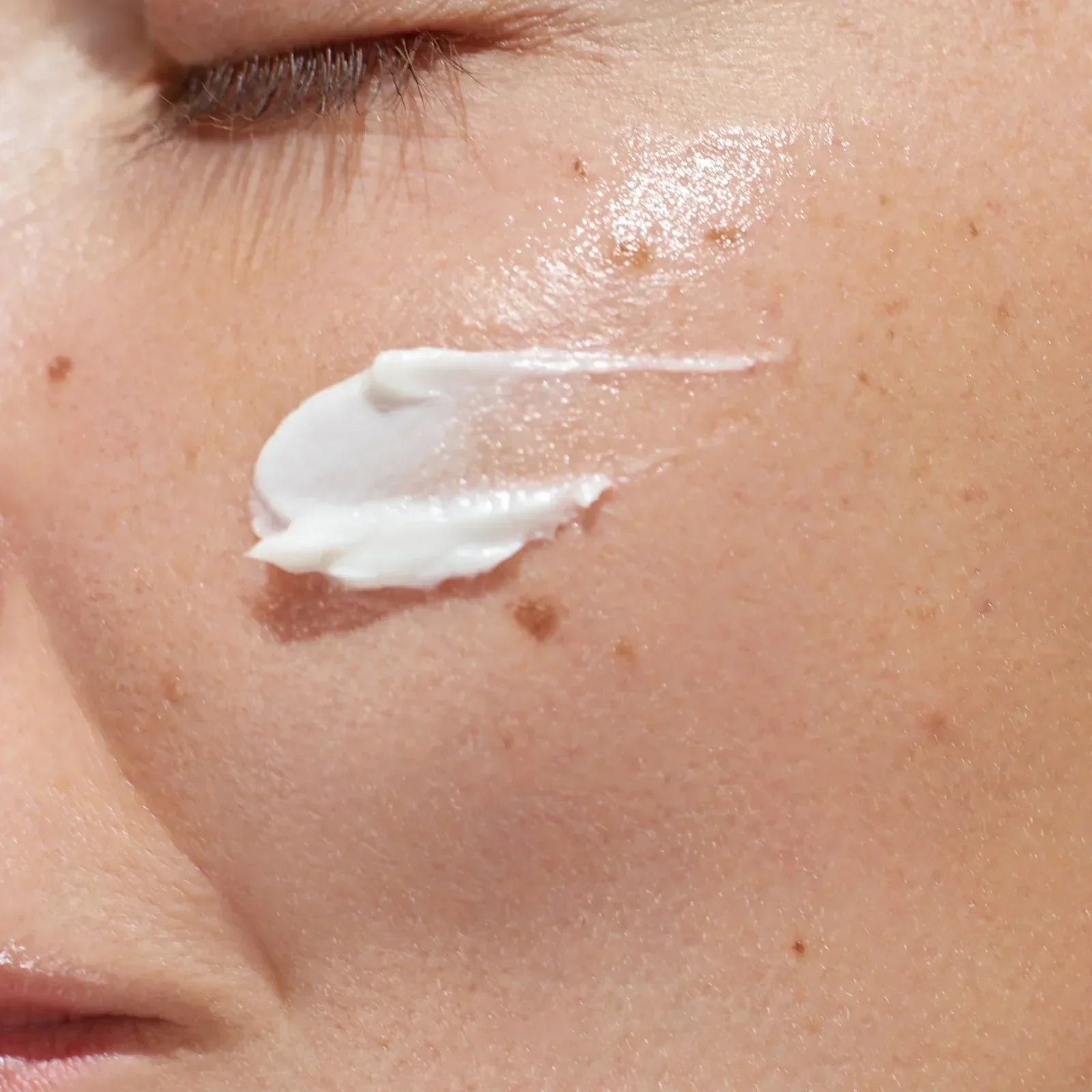
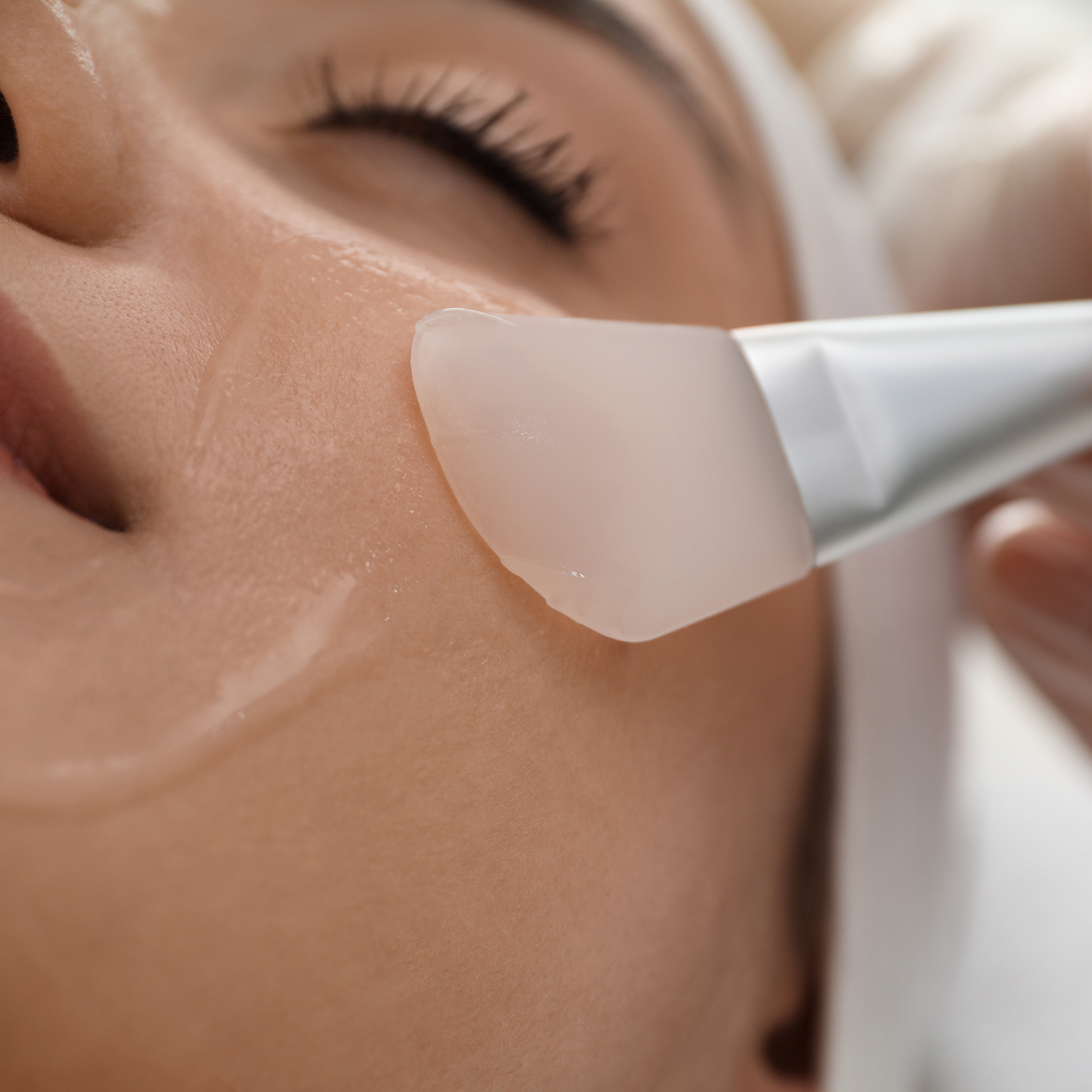
Without numbing, the sensation is sharp and uncomfortable — sustained over the active treatment portion of a session, which typically takes about 30 to 45 minutes (sometimes longer for larger treatment areas). At OVME, we apply a topical numbing cream before the procedure starts, which meaningfully reduces the discomfort. Most patients describe it as:
-
A vibrating or buzzing sensation
-
Pressure rather than sharpness
-
Warmth, sometimes mild prickling
-
More intense over bony areas (forehead, around the nose) than fleshier zones (cheeks)
One of the most common comparisons we hear from new patients is “does it feel like a tattoo?” — and the honest answer is no. Tattoo needles work significantly deeper and run continuously for hours, producing sharp, persistent pain. Microneedling under proper numbing is more like a steady vibration with mild prickling than the sharpness of a tattoo session.
Pinpoint bleeding can occur, particularly at deeper needle settings, but it’s typically minor and stops shortly after treatment. Whether bleeding appears depends on the depth your provider selects for your specific concern, and effective treatment doesn’t depend on visible bleeding.
The Pain Scale: How Patients Actually Describe It
If you scroll Reddit threads on r/SkincareAddiction or r/30PlusSkinCare for honest patient reports, the consensus is reassuring. Common patient quotes:
-
“About a 1 or 2 out of 10 on the pain scale with proper numbing”
-
“Pressure, definitely felt it, but not pain”
-
“The build-up anxiety was way worse than the actual treatment”
-
“Less painful than my last filler appointment”
-
“Around the nose and forehead were the worst spots, but still manageable”
Pain perception is individual — patients with high needle anxiety often rate it higher initially, and those who’ve had other injectable treatments often rate it lower. The most consistent theme across patient reports is that the anticipated discomfort is worse than the experience.
Microneedling vs Other Treatments — How Pain Compares
For patients who’ve done other aesthetic treatments, here’s how microneedling typically compares:
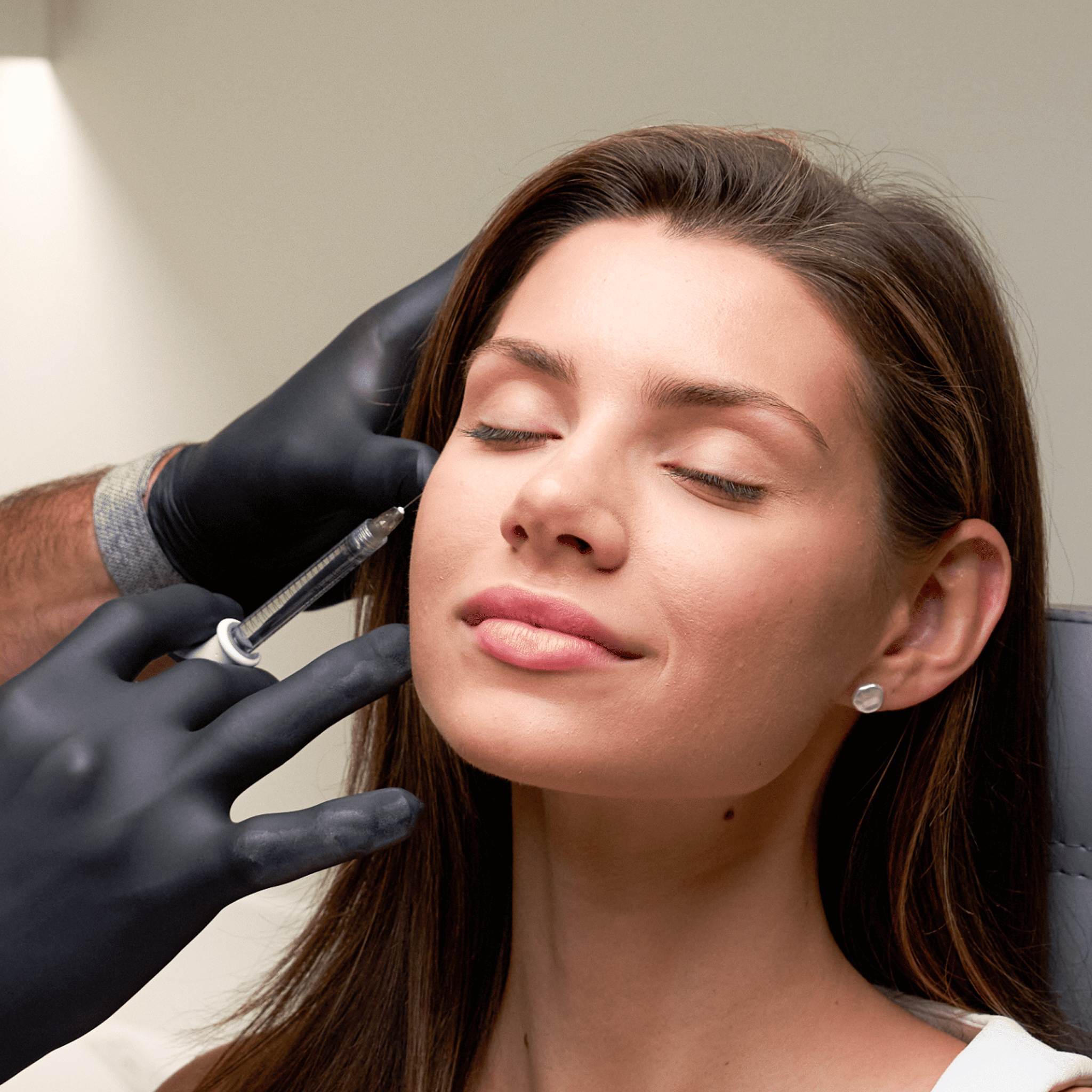
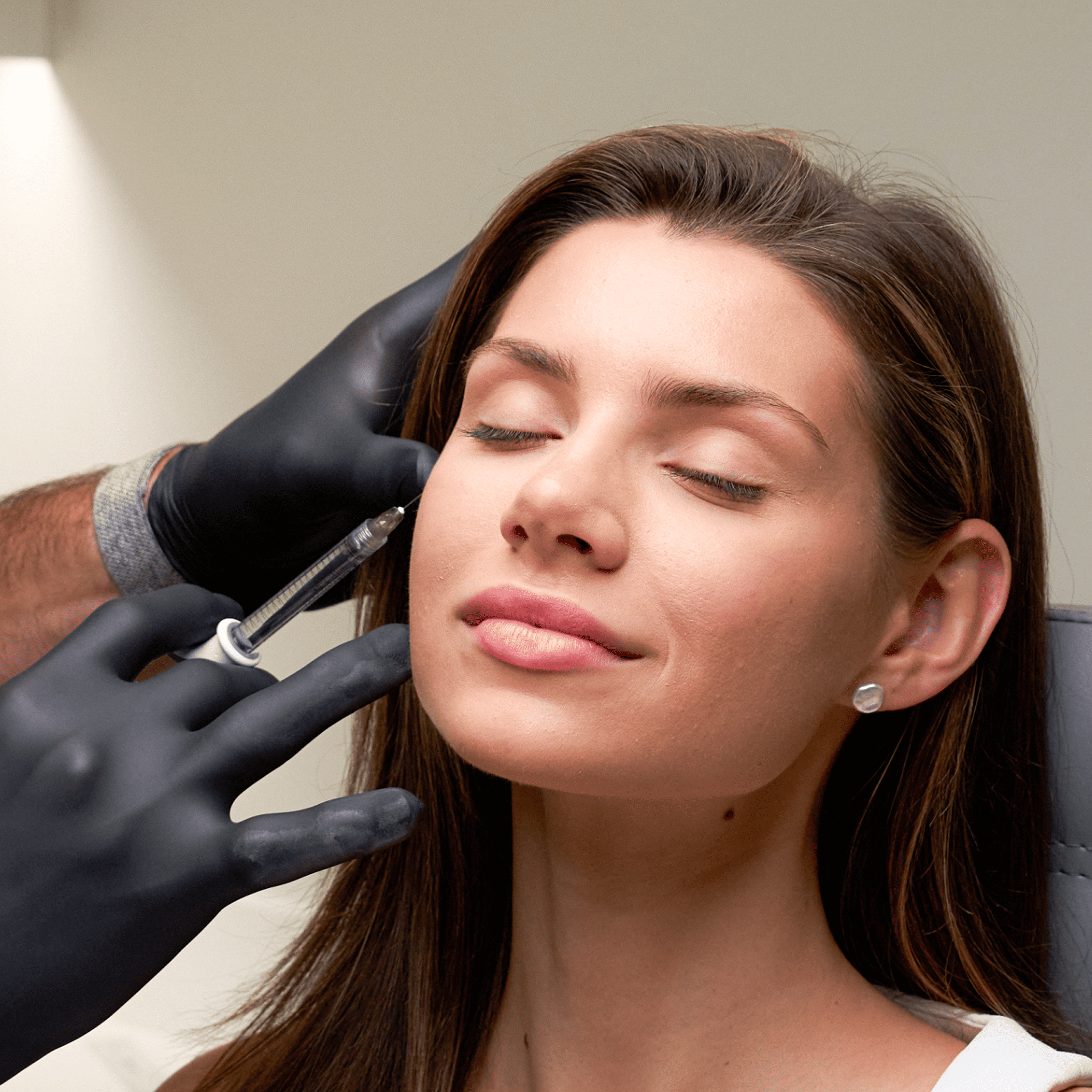
Microneedling vs Botox®: Botox® involves brief, sharp injections — usually a small number of needle pricks across the treatment area, each lasting a second or two. Microneedling covers a larger surface area, and the active treatment portion typically takes 30 to 45 minutes. Botox® is sharper but briefer; microneedling is sustained but typically less sharp.
Microneedling vs dermal filler: Filler injections — especially in lips or around the mouth — are often reported as more intense per moment than microneedling, even with numbing. The trade-off: filler appointments are quicker and produce immediate results.
Microneedling vs laser: Modern laser treatments vary widely. Fractional CO2 and ablative lasers can be more intense than microneedling.
Microneedling vs chemical peel: Peels involve initial stinging or burning that builds over a few minutes, then a longer cool-down period. Patients with sensitive skin often describe peels as the most uncomfortable in-office treatment per minute, even though the entire procedure is short.
For the best treatment for skin texture, patients often choose based on a combination of comfort tolerance, downtime, and the specific concern being addressed.
After the Treatment: Discomfort During Recovery
What people sometimes mistake for microneedling pain after the treatment is actually post-treatment microneedling discomfort that resolves quickly. The most common experiences:
-
Day 1: Skin feels warm, tight, and looks like a moderate sunburn. Touching the skin may feel uncomfortable but not painful.
-
Days 2 to 3: Redness fades. Skin may feel dry, tight, or mildly itchy as healing progresses.
-
Days 4 to 7: Mild flaking as the skin barrier completes its repair. Sun protection is critical during this phase.
5 Factors That Affect Microneedling Comfort
Beyond the prep work you control, a few intrinsic factors shape how the actual sensation lands:
-
Skin type and thickness. Thicker skin tolerates microneedling more easily; thinner skin (particularly on the forehead, around the nose, and around the eyes) feels more intense.
-
Treatment area. Bony areas with less subcutaneous tissue feel sharper than fleshier zones like the cheeks. The orbital region is the most sensitive area on the face.
-
Needle depth. Deeper settings reach the layer where most of the collagen work happens — but they also produce more sensation. Our providers match the depth to your specific concerns instead of using one setting for everyone.
-
Individual pain sensitivity. Two patients with identical settings can have different experiences — pain perception varies person to person. Anyone with high needle anxiety often rates the experience higher, especially during a first session.
-
Hormonal cycle (for women). Pain sensitivity can run higher in the week or so before a period for some women, though effects vary. If timing is flexible, scheduling outside that window may feel more comfortable.
How to Make Microneedling Hurt Less
The most important variables are within your control:
-
Hydrate beforehand. Well-hydrated skin tolerates treatment better than dehydrated skin.
-
Ask your provider about pre-treatment medications and supplements — many clinicians recommend pausing NSAIDs, high-dose fish oil, and vitamin E for several days before microneedling to reduce bruising risk. Do this in consultation with your prescribing provider, not on your own.
-
Communicate during the treatment. A good provider adjusts depth and pace based on your real-time feedback. If something hurts, say so.
-
Some providers also suggest limiting caffeine or alcohol the day of treatment to reduce jitteriness or perceived sensitivity, though research on caffeine specifically is mixed.
The Bottom Line on Microneedling Pain
If pain anxiety has been the main thing keeping you from microneedling, a complimentary consultation at OVME is the right next step. Every session follows a standardized topical numbing protocol, providers adjust depth and pace based on your real-time feedback, and treatments are performed by licensed registered nurses, nurse practitioners, and physician assistants — supervised by medical directors who are board-certified plastic surgeons.
Book through the OVME app or find a studio location near you to discuss your specific concerns before booking a treatment.
Frequently Asked Questions
Does microneedling hurt more than Botox®?
For most patients, microneedling involves more total sensation than Botox® — the treatment covers a larger area, and the needles work through the skin for roughly 30 to 45 minutes (sometimes longer for larger areas) rather than the seconds-long quick injections of Botox®. That said, the type of sensation is different: Botox® is sharp and brief; microneedling is sustained pressure, tingling, and warmth under numbing cream. Many patients who tolerate Botox® easily also tolerate microneedling well — and vice versa. Your provider’s technique and the depth setting matter more than which treatment is “worse.”
What does your face look like 2 days after microneedling?
At 24 to 48 hours, most patients have mild to moderate redness similar to a sunburn, some swelling that’s already subsiding, and possibly tiny pinpoint scabs that flake off over the following days. The skin tends to feel tight and slightly dry. Many patients return to work within 24 to 48 hours; gentle skincare and mineral sunscreen are recommended, and makeup is typically delayed for 24 to 48 hours so the skin barrier can close cleanly.
Is microneedling worth the pain?
For patients with structural concerns like acne scars, enlarged pores, fine lines, or crepey texture, most providers and patients consider microneedling worth the temporary discomfort — the collagen-stimulating results address skin concerns that surface skincare and facials can’t reach. The discomfort itself is well-managed by numbing cream and is brief compared to the months of skin improvement that follow. Patients who book microneedling primarily for a “glow” may find the cost-and-discomfort math less favorable than for those with structural texture goals.
Does microneedling hurt with numbing cream?
Numbing cream significantly reduces the sensation but doesn’t eliminate it. Most patients describe microneedling under numbing cream as “pressure with mild tingling” or “a vibrating sensation” rather than sharp pain. Bony areas like the forehead and around the nose tend to feel more intense than fleshier zones like the cheeks. The most common patient feedback after their first session is that the experience was less painful than they had anticipated.
How long does the pain last after microneedling?
The pain ends as soon as the treatment ends — there’s no lingering pain afterward. What remains is tightness, mild dryness, and a sunburn-like sensation that typically resolves over a few days. Touching the skin can feel uncomfortable for the first day or two, but it isn’t typically painful. If significant pain persists beyond 24 hours, contact your provider.
Keep on reading