XERF Care Instructions

November 12, 2026
OVME Team
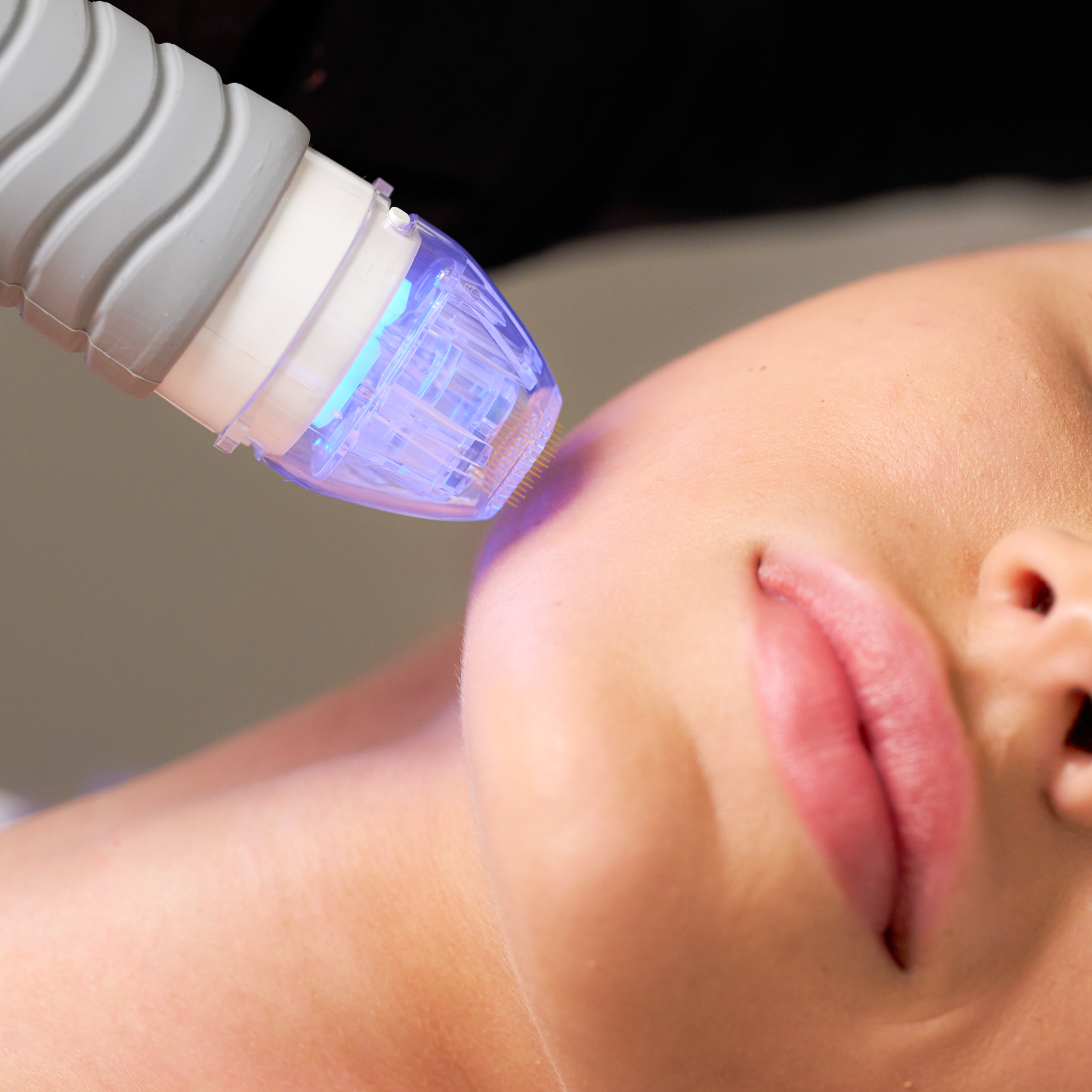
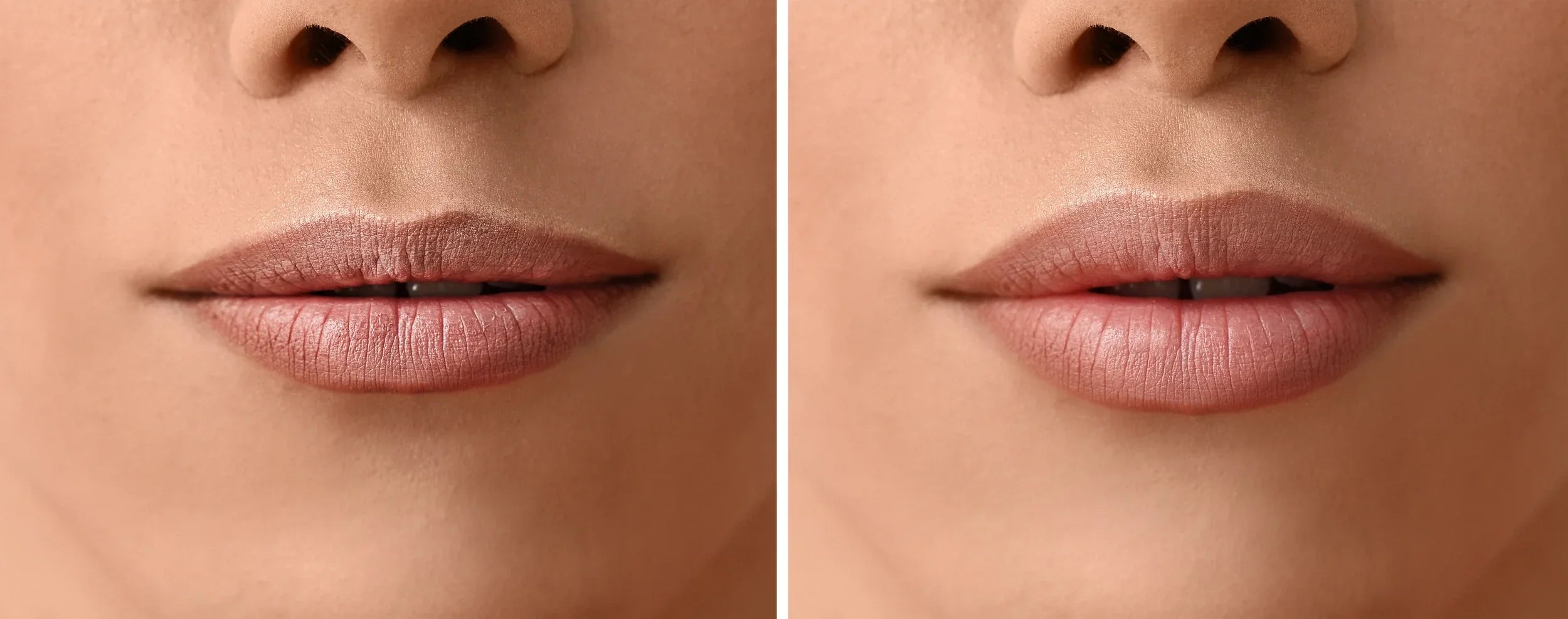
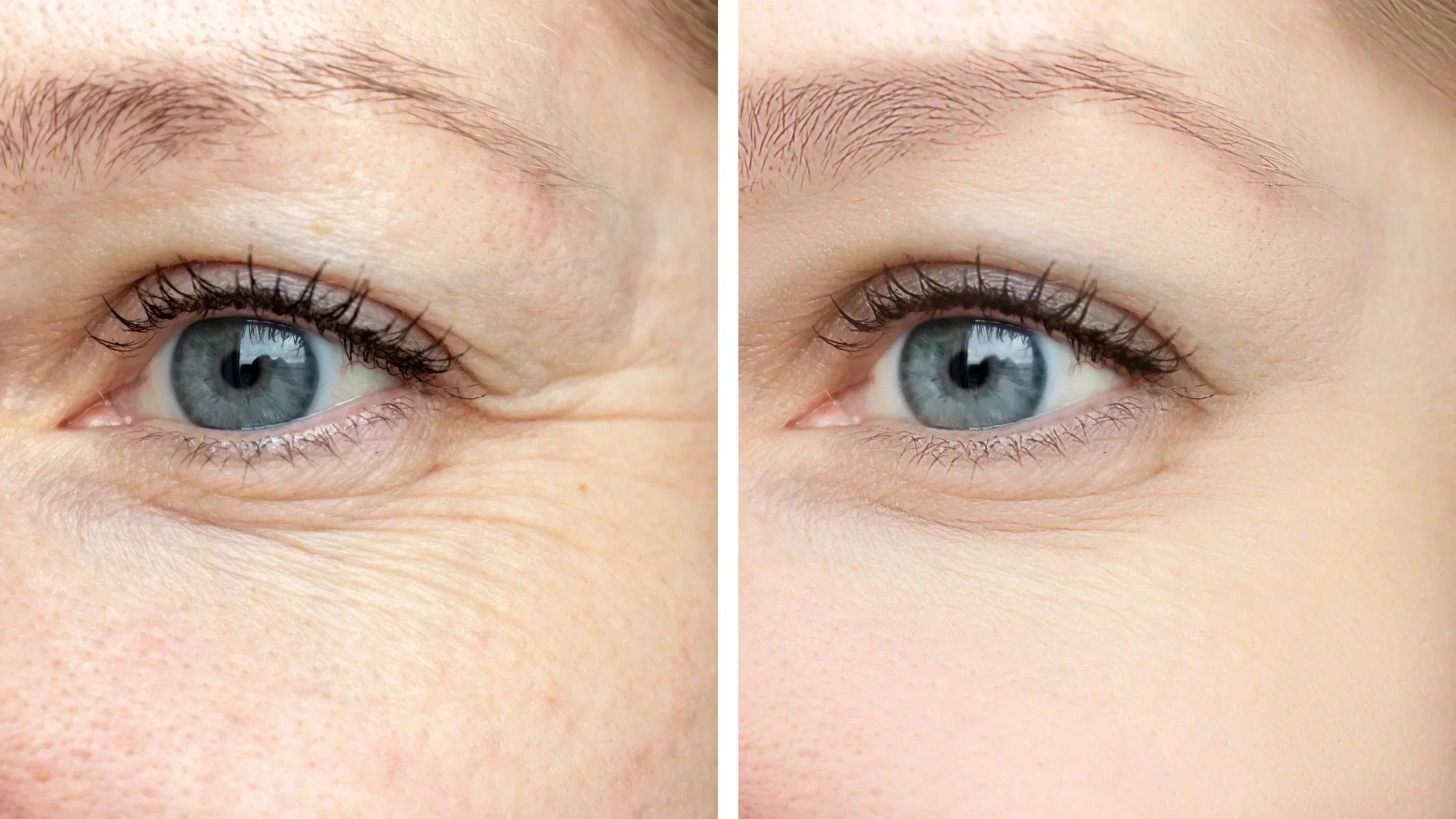
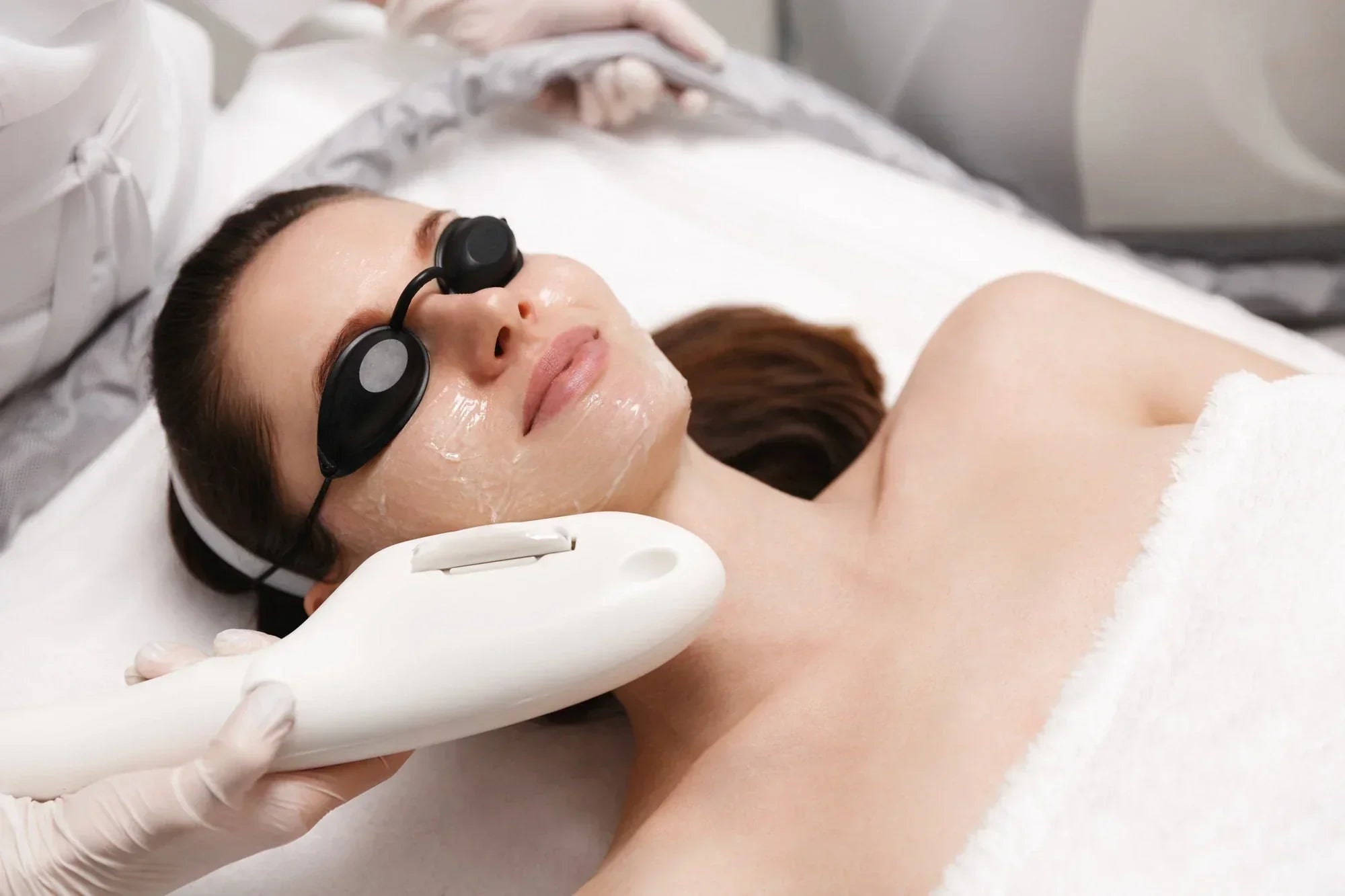
XERF is a needle-free radiofrequency treatment that uses two frequencies to gently warm multiple layers of skin, helping tighten and firm the face and neck with little to no downtime. You may notice a tighter feel right away, and collagen continues to rebuild over the next few months. Simple care before and after your session keeps your skin comfortable and helps you get the most from those results.
How to Prepare for a XERF Treatment
- Stay well hydrated in the 24–48 hours before your appointment. Follow any fluid restrictions given by your healthcare professional.
- Avoid alcohol and limit caffeine for 24 hours before treatment.
- Pause retinoids, retinol, and exfoliating acids (AHAs, BHAs) on the treatment area for 5–7 days.
- Avoid sun exposure, tanning beds, and self-tanner for at least 2–4 weeks before treatment. If you're sunburned, we'll need to reschedule.
- Avoid chemical peels, microdermabrasion, and waxing in the treatment area for 1–2 weeks before your appointment.
- Wait at least 4 weeks after neurotoxin or filler injections in the treatment area before your XERF session. Tell your provider about any filler, threads, biostimulators, facial implants, or previous procedures in the area.
- Arrive with clean skin, free of makeup, lotion, sunscreen, perfume, deodorant, and oils in the treatment area. Remove jewelry before treatment.
- If the treatment area has hair, shave it about 1–2 days before your appointment, following your provider’s instructions.
- XERF is not suitable for clients with a pacemaker, defibrillator, or other implanted electronic device. Tell your provider about any metal implants, permanent fillers, or facial implants before booking so they can assess whether treatment is appropriate.
- XERF is not performed during pregnancy or while breastfeeding. Tell your provider if you are pregnant, trying to conceive, or breastfeeding before scheduling.
- Disclose your full medical, medication, and treatment history, including autoimmune or connective tissue conditions, diabetes, multiple sclerosis, reduced sensation, cancer, blood disorders, and any medications that affect bleeding. Do not stop prescribed medication without guidance from the prescribing healthcare professional.
- Tell your provider about adhesive or ultrasound gel allergies, a history of keloid scarring, recent tattoos in the area, any facelift within the past 2 months, and fat or skin grafting in the area within the past 6 months.
- Tell your provider if you have a history of cold sores, since antiviral prophylaxis may be recommended.
- Tell your provider about isotretinoin (Accutane) use in the past 12 months.
- Reschedule if you have an active cold sore, infection, rash, sunburn, illness, or open skin in the treatment area.
Post XERF Treatment Care
The First 48 Hours
- Use only provider-approved products. A gentle, non-occlusive moisturizer may be applied to soothe the treated area. Moisturize daily.
- Cleanse gently with a mild cleanser and lukewarm water, then pat dry.
- Wait until any redness settles, usually within a few hours, before applying makeup.
- Skip ice packs and cooling tools on the area for 24 hours unless your provider recommends them.
- Avoid heat such as saunas, hot tubs, steam rooms, and hot yoga for 24–48 hours.
- Avoid strenuous exercise and alcohol for 24 hours.
- Pause retinoids, acids, and other actives for 2–3 days.
- Avoid facial massage, gua sha, and at-home devices like microcurrent for 48 hours.
The First 1–2 Weeks
- Apply broad-spectrum SPF 50 or higher every day throughout the treatment series. Avoid sun exposure and use shade, a hat, or other protective clothing when outdoors.
- Avoid cosmetics containing alcohol for at least 1 week after treatment.
- Reintroduce retinoids, acids, and vitamin C after 2–3 days, as tolerated.
- Avoid other energy-based or resurfacing treatments on the area (lasers, RF microneedling, chemical peels, microneedling) for 2 weeks unless your provider has planned them as part of your treatment.
- Hold neurotoxin and filler in the area for 2 weeks unless your provider says otherwise.
- Stay hydrated and keep your routine gentle and moisturizing.
- Results develop gradually and vary from person to person. Changes may become visible around 1 month and continue to develop for up to approximately 6 months. Your provider will discuss follow-up treatments and maintenance based on your goals.
What You May Notice After Treatment
- A warm feeling in the treated area for a few hours
- Mild redness and swelling that may last 1–3 days
- Symptoms should improve rather than become more painful or pronounced.
- Tenderness or tingling when you touch the area for a few days
- A tight or firm feeling as collagen contracts
- Tell your provider if redness or irritation develops where the return pad was placed, especially if it persists or worsens.
When to Contact Your Studio
Contact your treating studio promptly if you develop blisters, increasing or severe pain, unusual skin-color changes, significant or worsening swelling, persistent numbness, or signs of infection. Contact your provider with any questions or concerns.
Keep on reading