Skin Barrier 101: What It Is and How to Protect It
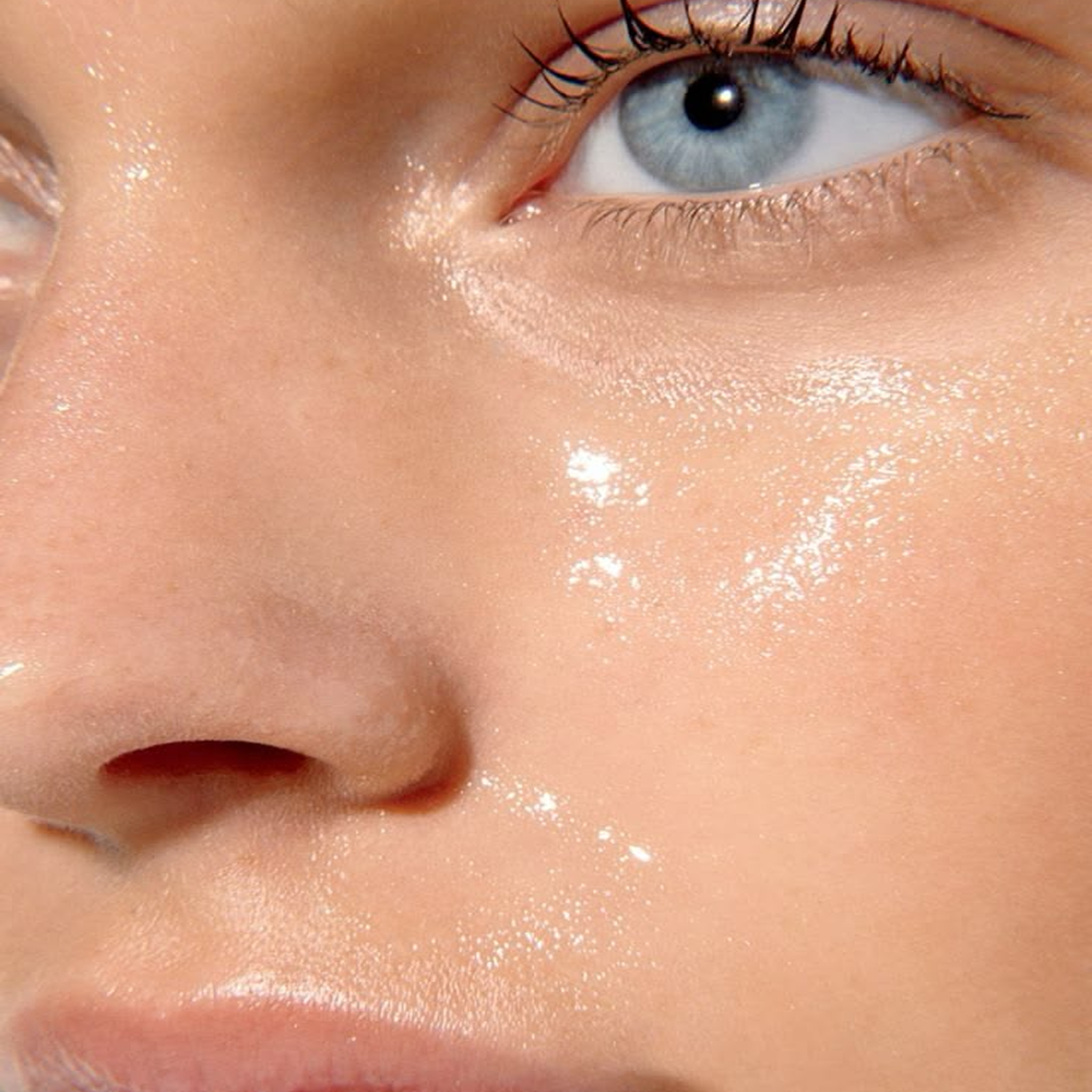
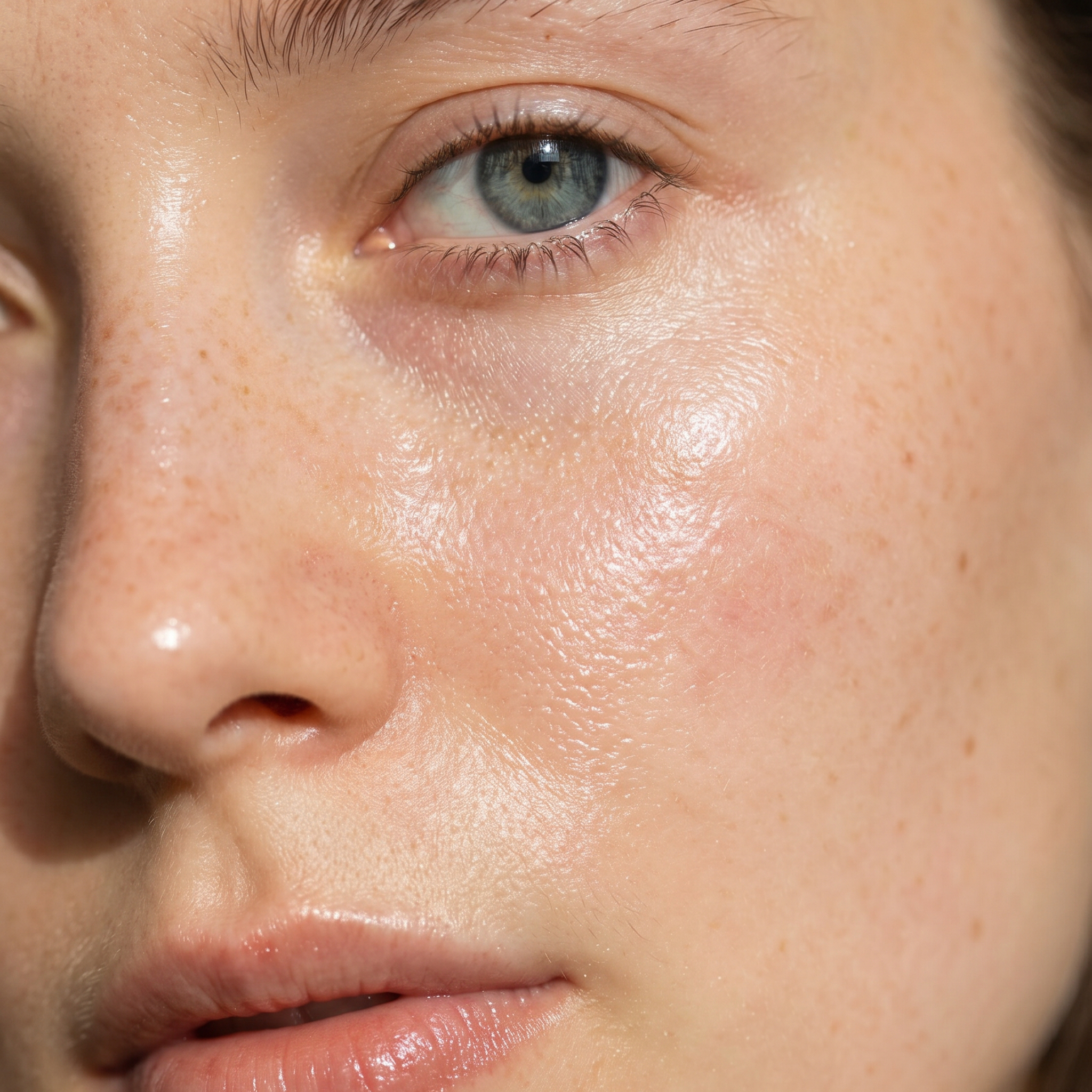
If your serums started stinging, your skin feels tight no matter how much you moisturize, and products you used to love are now causing redness, your skin barrier is probably damaged. This isn’t dramatic. It’s one of the most common things people experience after layering too many actives, over-exfoliating, or following skincare advice that wasn’t the right fit for their skin.
The good news: the skin barrier can be repaired. The protocol is straightforward — step back, rebuild, protect — and most people see meaningful improvement within a few weeks. This guide walks through what the barrier actually is, how to tell if yours is damaged, what causes the damage, and how to rebuild it (with notes on when at-home care isn’t enough).
What the Skin Barrier Actually Is
The skin barrier — also called the stratum corneum — is the outermost layer of your skin. It’s the part you can see and touch, and it’s the part doing the most work to keep your skin healthy. It works through a combination of physical, chemical, and antimicrobial defenses — keeping moisture in and irritants out.
Structurally, the barrier is often described as a “brick-and-mortar” wall:
-
The bricks: corneocytes — flattened, mature skin cells that form a tight, overlapping protective layer
-
The mortar: intercellular lipids — a matrix of ceramides, cholesterol, and free fatty acids that fill the spaces between corneocytes and create a waterproof seal
When this brick-and-mortar wall is healthy, your skin stays hydrated, tolerates skincare ingredients, and defends itself against irritants and pollutants. When the mortar breaks down — usually because of something you’re doing to your skin — water escapes from inside, and irritants get in. That’s barrier damage.
What the Skin Barrier Does
The barrier has three core jobs:
-
Retains water. A healthy barrier keeps moisture inside the skin and prevents transepidermal water loss. Dehydrated skin is often a barrier issue, not a hydration issue.
-
Excludes irritants and pathogens. Bacteria, pollutants, allergens, and harsh ingredients get blocked. A compromised barrier lets all of them in.
-
Maintains acidic pH. Healthy skin sits around pH 4.5–5.5 — the acid mantle. This pH supports the skin’s microbiome and barrier enzymes. Many barrier disruptions involve a pH shift toward alkalinity.
If your skin is doing all three jobs well, your barrier is healthy. If any of these jobs are slipping, that’s where the visible problems start.
Signs Your Skin Barrier Is Damaged
Common markers of a compromised barrier:
-
Persistent dryness or tightness that doesn’t resolve with moisturizing
-
Stinging or burning when applying products that previously didn’t sting — especially serums with active ingredients
-
Redness or visible irritation that has appeared in the last few weeks
-
New sensitivity to ingredients you used to tolerate fine
-
Flaky or rough texture on the cheeks, around the nose, or along the jawline
-
Increased breakouts or rosacea-like flares
-
Skin that “looks angry” — that’s the patient phrase that comes up over and over in Reddit threads and consultations
If three or more of these are happening at the same time, your barrier needs attention. The right move isn’t a stronger product — it’s pulling back to basics.
What Damages the Skin Barrier
Most barrier damage is self-inflicted, and the most common culprits are skincare ingredients applied incorrectly:
-
Over-exfoliation. Daily AHA, BHA, or scrubs strip the lipid mortar faster than the skin can rebuild it
-
Aggressive retinoid use. Starting too high a strength or applying too frequently
-
Active stacking. Layering multiple potent actives — retinoids, AHAs, vitamin C, scrubs — in the same routine without barrier-supportive products can increase the risk of irritation and barrier compromise
-
Harsh cleansers. Foaming sulfate-heavy cleansers strip natural oils
-
Hot water and over-washing. Long hot showers and double-cleansing dry/sensitive skin too aggressively
-
Environmental factors. Cold weather, low humidity, sun exposure, and urban pollution
-
Lifestyle factors. Chronic stress, sleep deprivation, dehydration, and high alcohol intake all affect barrier function
-
Underlying conditions. Eczema, rosacea, and certain forms of dermatitis are barrier disorders themselves — they aren’t caused by skincare but are aggravated by it
The damage from active stacking is the most common form OVME providers see at consultation. Patients have layered four to six products that, individually, are well-formulated — but the combination strips the barrier faster than the body can repair it.
The Repair: How to Fix Skin Barrier Damage Step by Step
How to fix skin barrier damage follows a clear sequence: step back, rebuild, protect. Trying to add a “barrier repair product” on top of the damaging routine doesn’t work — the damage has to stop first.
Step 1: Pause the actives. For at least 2 to 4 weeks, pause all of these: - Retinoids (tretinoin, retinol, retinaldehyde, adapalene) - AHA exfoliants (glycolic, lactic, mandelic) - BHA exfoliants (salicylic acid) - Vitamin C serums at high concentrations - Physical scrubs and exfoliating tools
Step 2: Simplify the cleanser. Switch to a fragrance-free, gentle, non-foaming cleanser. Lukewarm water only — no hot. Once a day if your skin tolerates it; twice a day only if you actually need it.
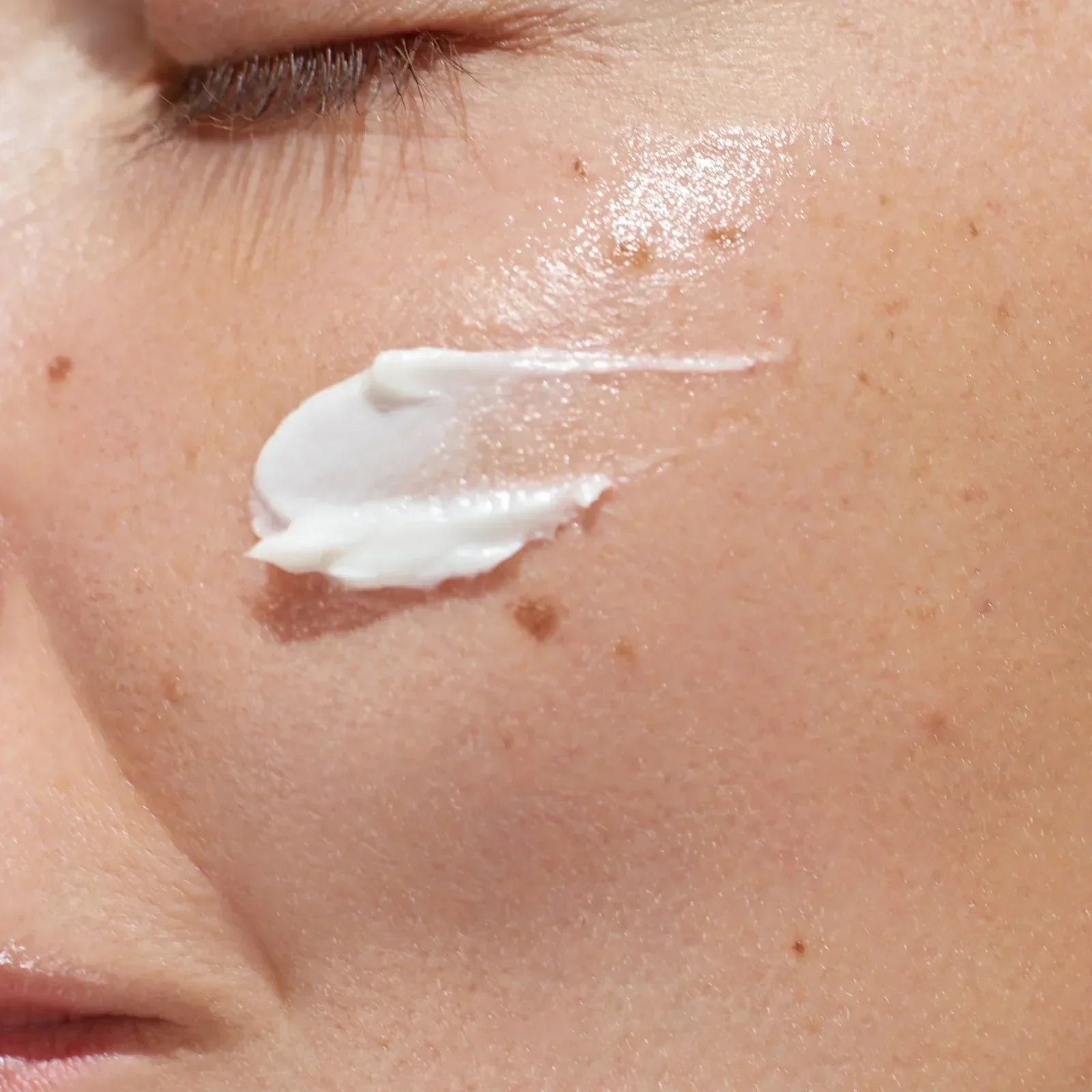
Step 3: Layer barrier-supportive moisturizers. Apply moisturizers containing ceramides, niacinamide, hyaluronic acid, panthenol (provitamin B5), or squalane two or three times daily — including immediately after cleansing, while skin is still slightly damp.
Step 4: Protect with mineral sunscreen. Broad-spectrum SPF 30+ daily. Sun exposure on a compromised barrier compounds damage and slows repair.
Step 5: Wait. The epidermis normally renews itself over the course of about a month or more in younger adults, and that turnover progressively slows with age. Recovery timelines vary widely with damage severity and individual factors — many people see noticeable improvement after a few weeks of consistent gentle care, while more significant compromise can take several weeks to months.
When the barrier feels stable again — no stinging, no tightness, no redness — you can carefully reintroduce one active at a time, starting at the lowest frequency and concentration. The goal isn’t to abandon actives forever; it’s to rebuild a barrier strong enough to tolerate them again.
Hero Ingredients for Barrier Repair
Five ingredient families do the most work for barrier rebuilding:
-
Ceramides — directly replenish the lipid mortar between skin cells. Among the most important at-home ingredients for barrier repair especially in formulations that also include cholesterol and fatty acids.
-
Niacinamide — supports the skin’s natural ceramide production and reduces inflammation. Pairs well with ceramides.
-
Hyaluronic acid — restores hydration to dehydrated skin without irritation. Commonly applied to slightly damp skin and followed with a moisturizer to help lock in hydration.
-
Panthenol (provitamin B5) — soothes, supports healing, and reduces redness.
-
Squalane — a non-irritating emollient that mimics the skin’s natural lipid composition; sits well even on inflamed skin.
For barrier-sensitive skin, OVME’s retail skincare lineup includes some of the most effective skin barrier products available: formulations from Revision Skincare, SkinMedica, skinbetter science®, and Plated™, medical-grade lines designed around skin barrier ceramides, niacinamide, and peptide complexes that support barrier repair.
When at-Home Repair Isn’t Enough
Many barrier issues improve meaningfully with the strip-back-and-rebuild routine over several weeks of consistent care. If symptoms aren’t improving — or are getting worse — the issue may be more than barrier damage:
-
Persistent redness, flushing, or visible vessels — could be rosacea
-
Itchy, flaky patches that respond to but don’t resolve with barrier care — could be eczema or seborrheic dermatitis
-
Recurring breakouts despite a simplified routine — could be perioral dermatitis or fungal acne
-
Worsening symptoms despite consistent gentle care — likely needs in-person evaluation
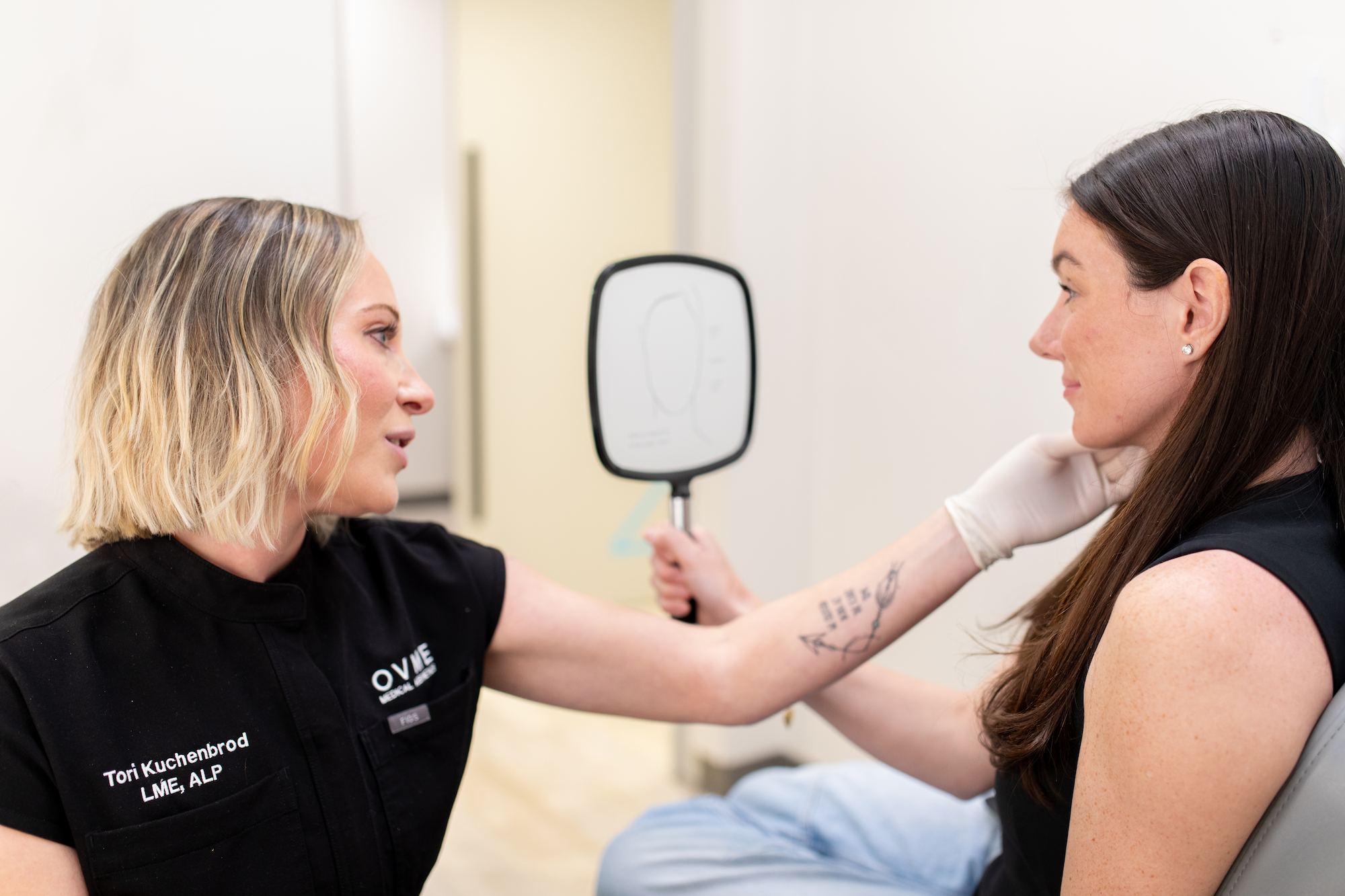
A consultation with a licensed provider can distinguish barrier damage from an underlying condition that needs different treatment. OVME consultations include VISIA® skin analysis, which captures texture, pigmentation, and subsurface skin health — useful data when determining what’s actually happening beneath the surface.
Ready to Get Personalized Help With Your Skin Barrier?
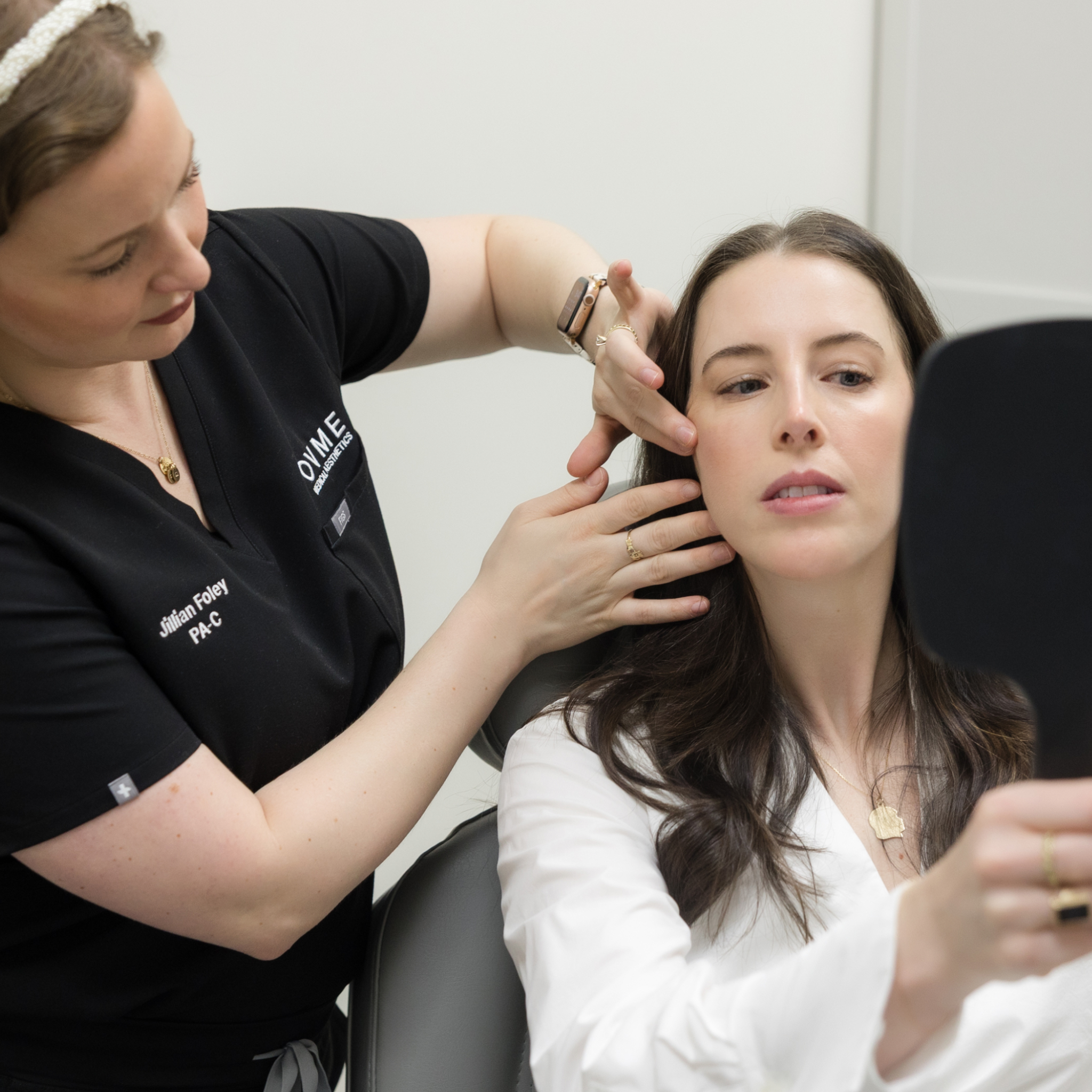
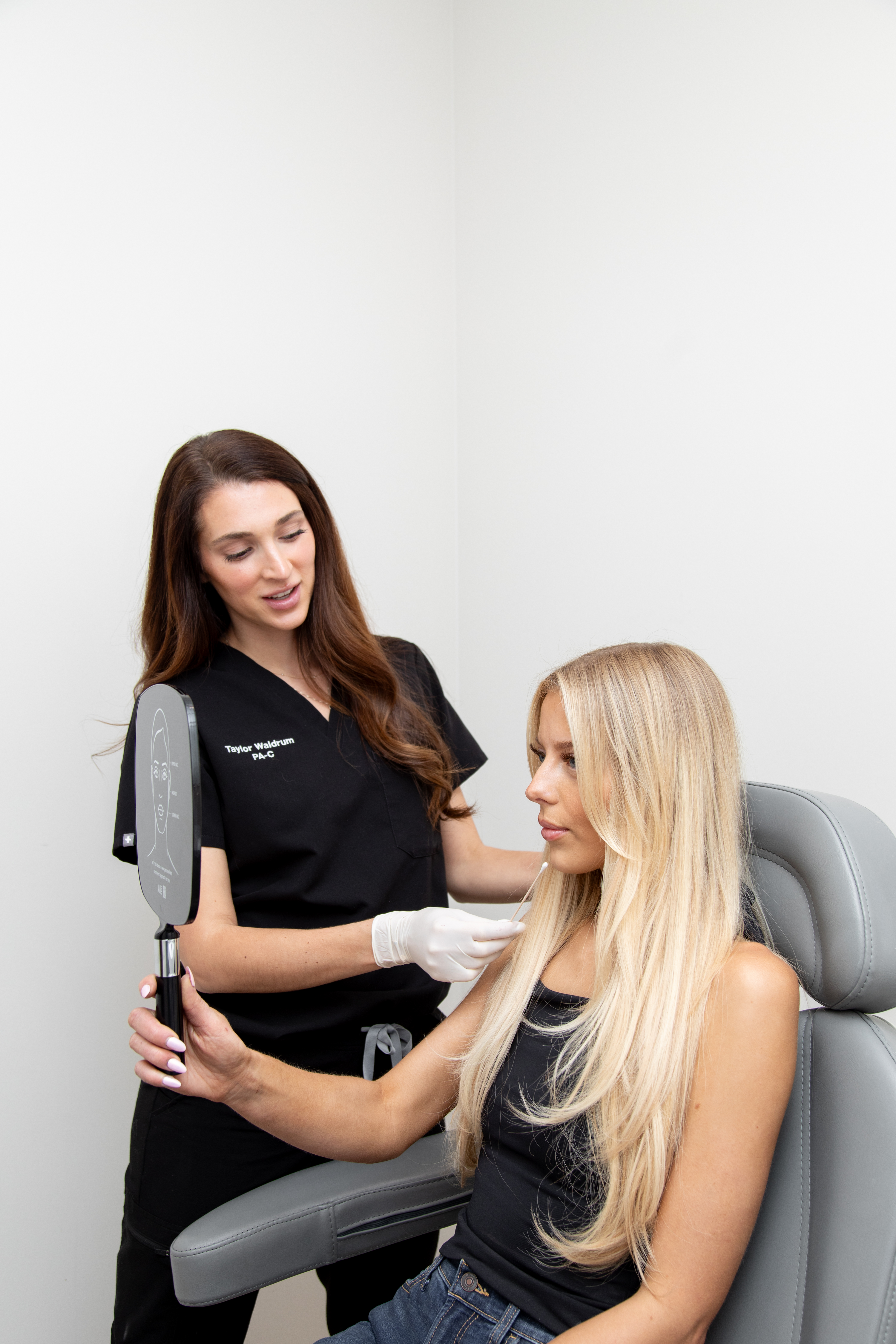
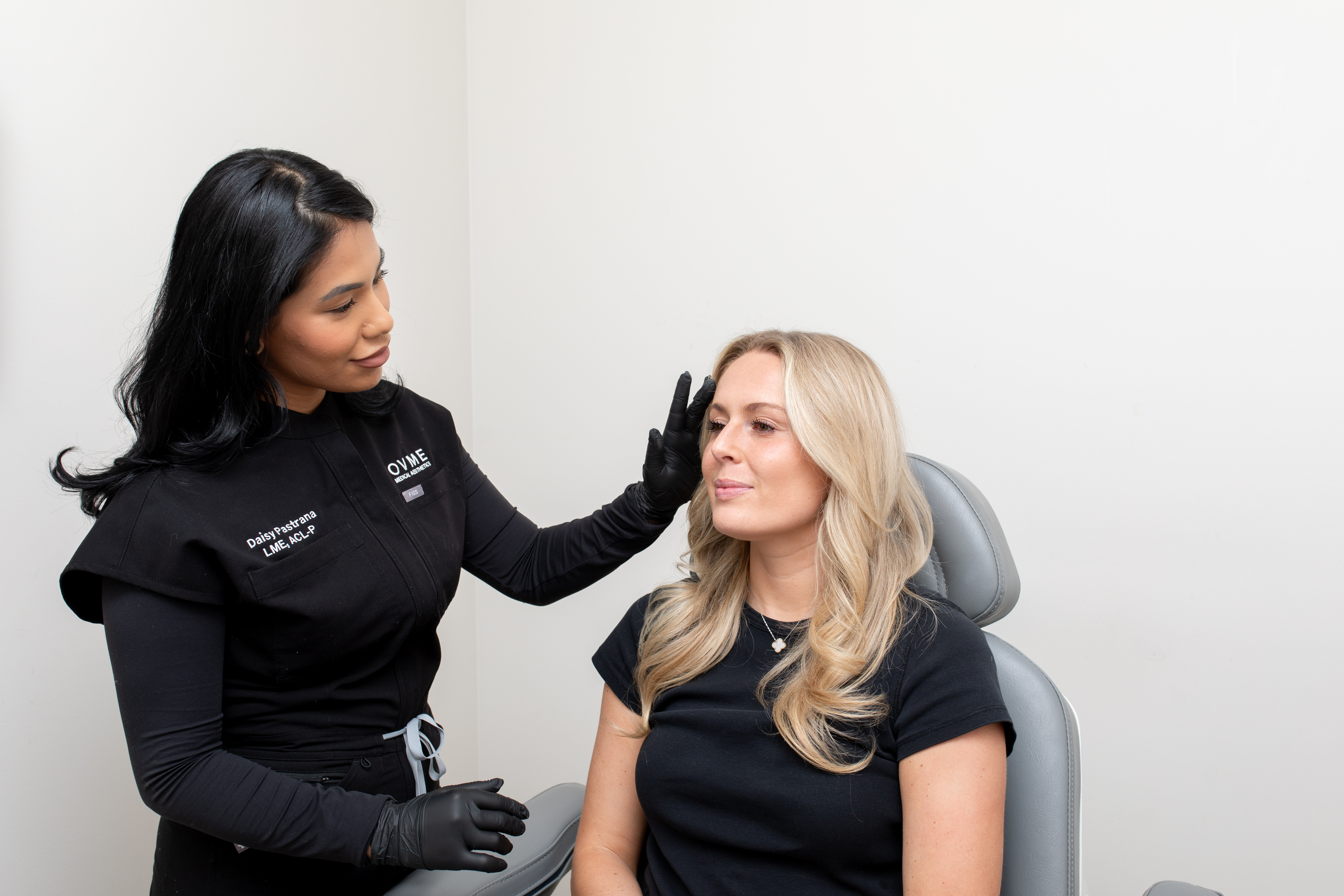
If you’ve been trying to fix your skin barrier alone for weeks without progress, a complimentary consultation is the right next step. Your provider — a licensed registered nurse, nurse practitioner, or physician assistant supervised by medical directors who are board-certified plastic surgeons — can assess whether what you’re experiencing is barrier damage, an underlying condition like rosacea or eczema, or both. The consultation includes VISIA® skin analysis to give both of you an objective view of what’s happening beneath the surface.
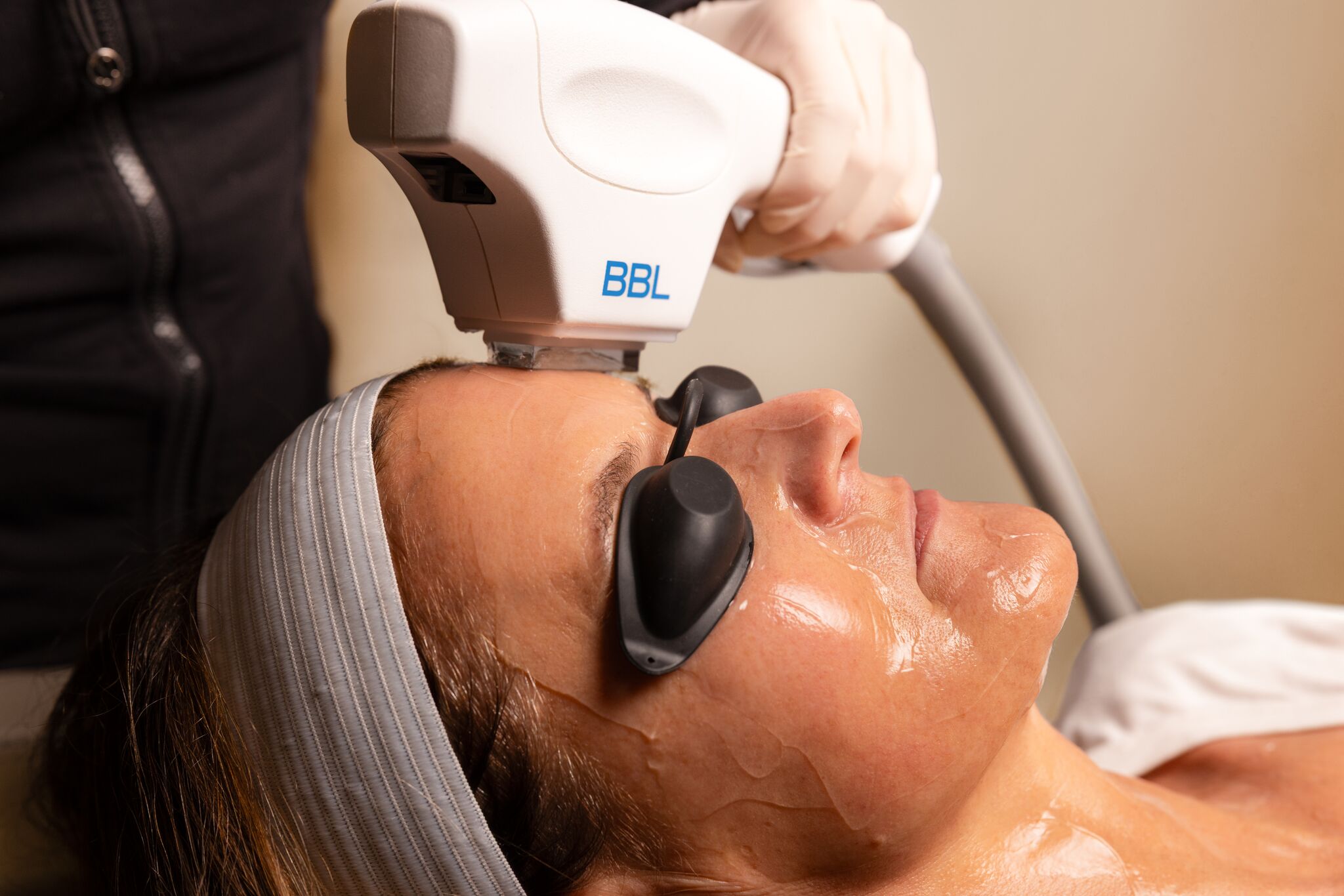
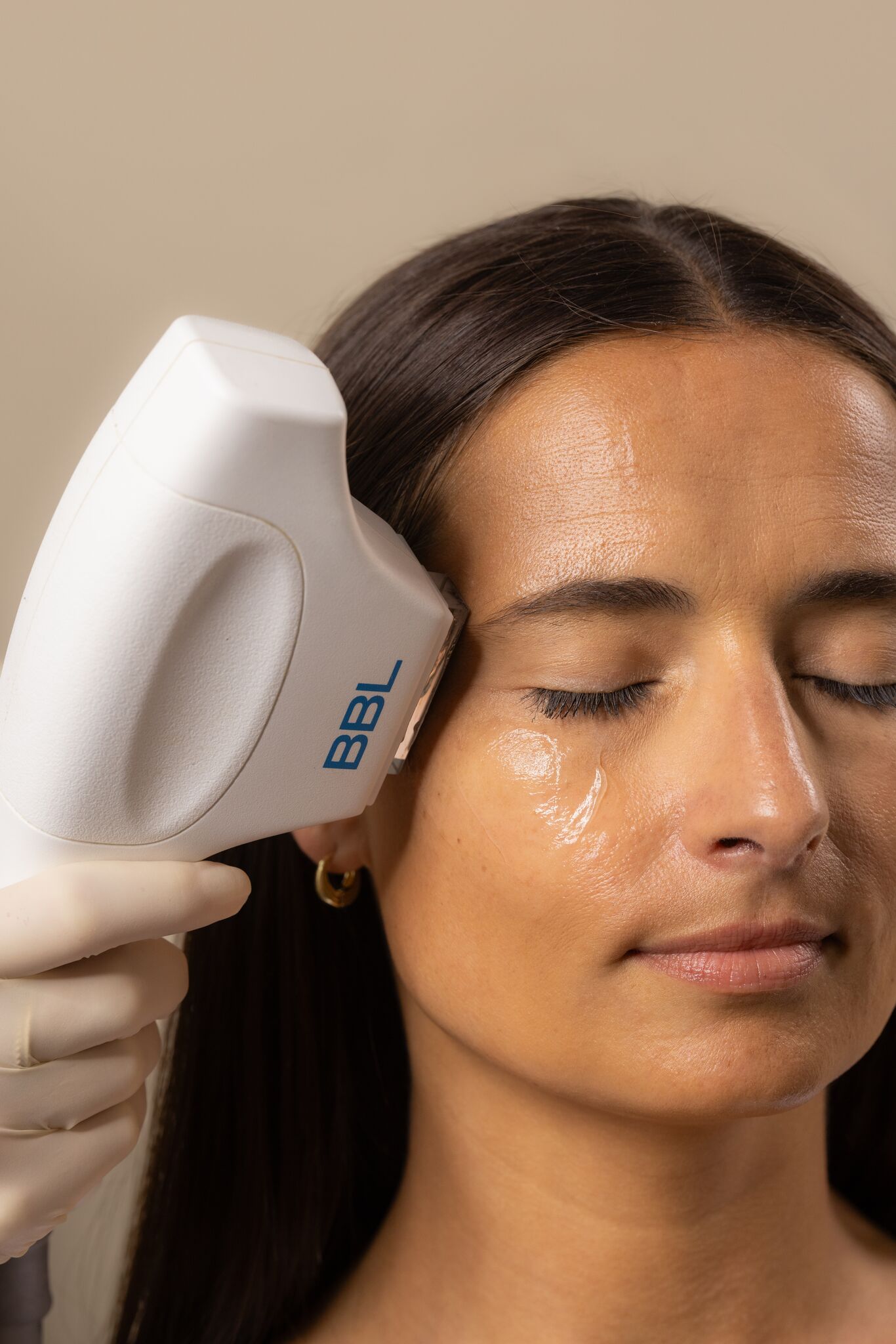
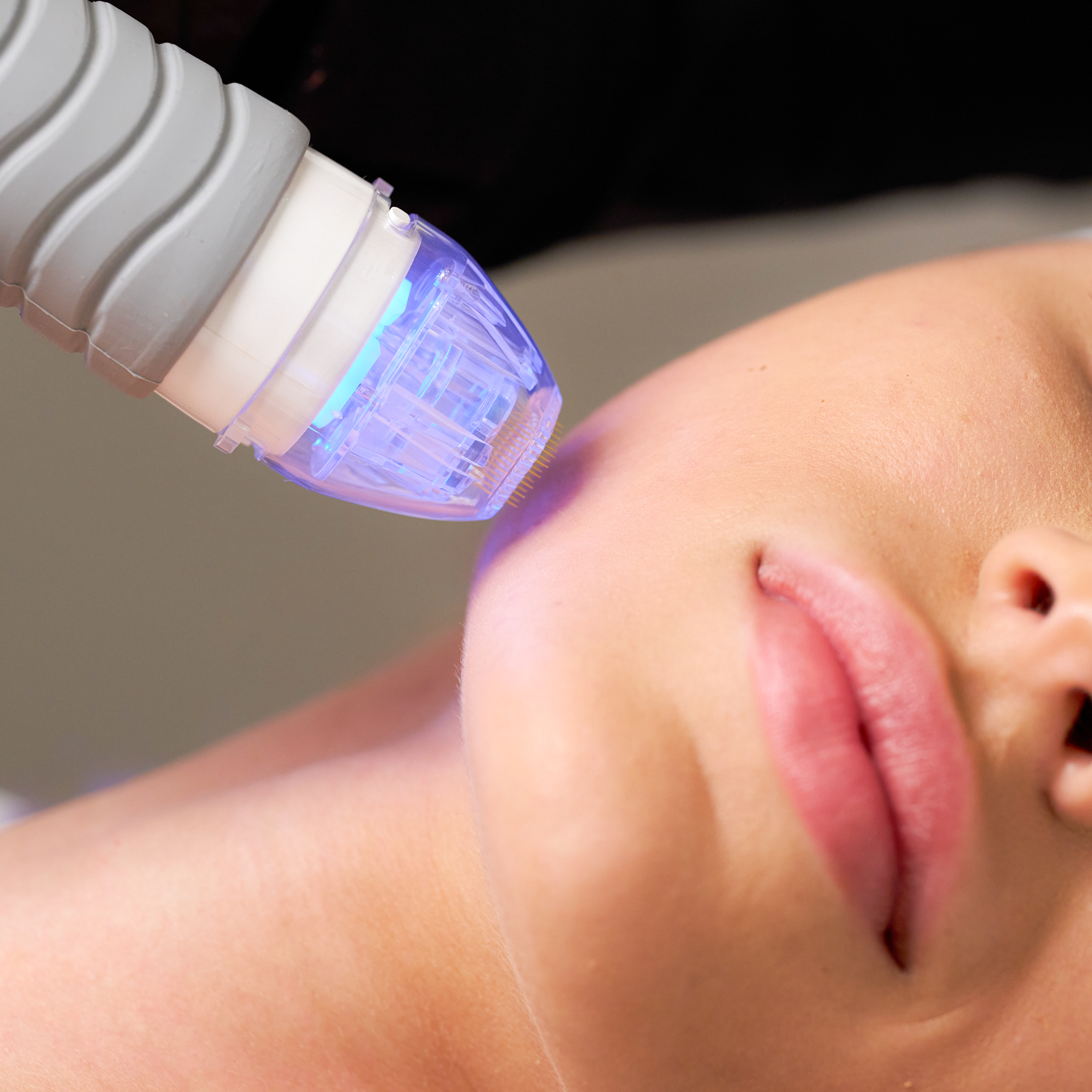
For barrier-sensitive patients, treatments are introduced slowly — gentler options like Hydrafacial® or Signature Facial first, with more intensive treatments (microneedling, BBL® photofacial, chemical peels) introduced only after the barrier has stabilized.
Book through the OVME app or find a studio location near you. For a broader context on skin care that supports a healthy barrier, see the OVME guide to tips for healthy skin.
Frequently Asked Questions
How do you fix your skin barrier?
Barrier repair is a step-back-then-rebuild process. First, stop the damage: pause actives (retinoids, exfoliating acids, vitamin C), discontinue scrubs and tools, and switch to a fragrance-free gentle cleanser. Second, replenish: apply moisturizers containing ceramides, niacinamide, hyaluronic acid, panthenol, or squalane multiple times a day. Third, protect: apply broad-spectrum mineral sunscreen daily — sun exposure compounds barrier damage. Many people see meaningful improvement within several weeks, though timelines vary with damage severity and individual factors. If symptoms persist, a consultation with a licensed provider is the right next step.
How can I tell if my skin barrier is damaged?
The most common signs include: persistent dryness even after moisturizing; tight, stinging, or burning skin (especially when applying products that previously didn’t sting); redness or visible irritation that wasn’t there before; new sensitivity to ingredients you used to tolerate fine; flaky or rough texture; and increased breakouts or rosacea-like flares. If three or more of these are showing up at once, your barrier is likely compromised — and the right move is to strip your routine back to basics for several weeks before reintroducing actives.
What can destroy the skin barrier?
The most common culprits: over-exfoliation (using acids or scrubs too frequently or at too high a concentration), aggressive retinoid use without adequate ramp-up, harsh cleansers that strip natural oils, hot water and over-washing, environmental factors like cold weather and low humidity, chronic stress and sleep deprivation, and certain medical conditions like eczema that are barrier disorders themselves. Layering multiple potent actives — for example, retinoids, AHAs, and vitamin C — in the same routine without barrier-supportive products can increase the risk of irritation and barrier compromise.
What is best for skin barrier repair?
The most effective at-home ingredients are ceramides (which directly replenish the lipid matrix of the skin barrier), niacinamide (supports barrier function and reduces inflammation), hyaluronic acid (restores hydration), panthenol (provitamin B5 — soothes and supports healing), and squalane (a non-irritating emollient that supports the lipid layer). Look for moisturizers and serums that combine these. For damaged barriers, simplifying the routine to a gentle cleanser, a barrier-repair moisturizer, and mineral sunscreen is more effective than adding more products.
How long does it take to repair a damaged skin barrier?
Timelines vary widely with damage severity and individual factors. Many people see noticeable improvement after a few weeks of consistent gentle care, while more significant compromises can take several weeks to months to resolve. The epidermis normally renews itself over the course of about a month or more in younger adults, and that turnover progressively slows with age, so patience is part of the protocol. If symptoms persist despite consistent barrier-supportive care, evaluation by a licensed provider is the right next step — sometimes what feels like “barrier damage” is actually rosacea, dermatitis, or another underlying condition that needs different treatment.
Individual results may vary. Consult with a licensed provider to determine if these treatments are right for you.
Keep on reading