10 Botox Myths and What the Evidence Says

Most of what you hear about Botox® is outdated, exaggerated, or missing the context that made it true in the first place. Below are 10 of the most common myths about it, each checked against FDA labeling and peer-reviewed research.
Where These Botox Myths Come From
Botulinum toxin is an intimidating name. The same molecule is used in tiny, targeted amounts for cosmetic work and in much larger amounts for therapeutic ones. Dose is what separates the two, and the cosmetic end of that range is where the safety data below sits.
A lot of it is also just old information. Much of what people repeat describes injection practices from decades ago, or outcomes that trace to how a treatment was performed rather than to the product itself.
Myth 1: Botox Is a Dangerous Toxin at Cosmetic Doses
Reality: The dose is what matters, and cosmetic doses are very small.
Botox® is a purified protein. The amount used to soften expression lines is a fraction of what treats medical conditions like cervical dystonia, and that difference is why the two safety profiles aren’t comparable.
The clinical record at cosmetic doses backs this up. Among 916 subjects treated with Botox Cosmetic in the studies supporting FDA labeling, none developed neutralizing antibodies, and the American Academy of Dermatology reports no serious systemic side effects from cosmetic use administered by qualified medical professionals. What people do notice tends to be local and short-lived: brief tenderness, an occasional small bruise, mild redness that settles within a day or two, which can be attributed to the needle as much as to the toxin.
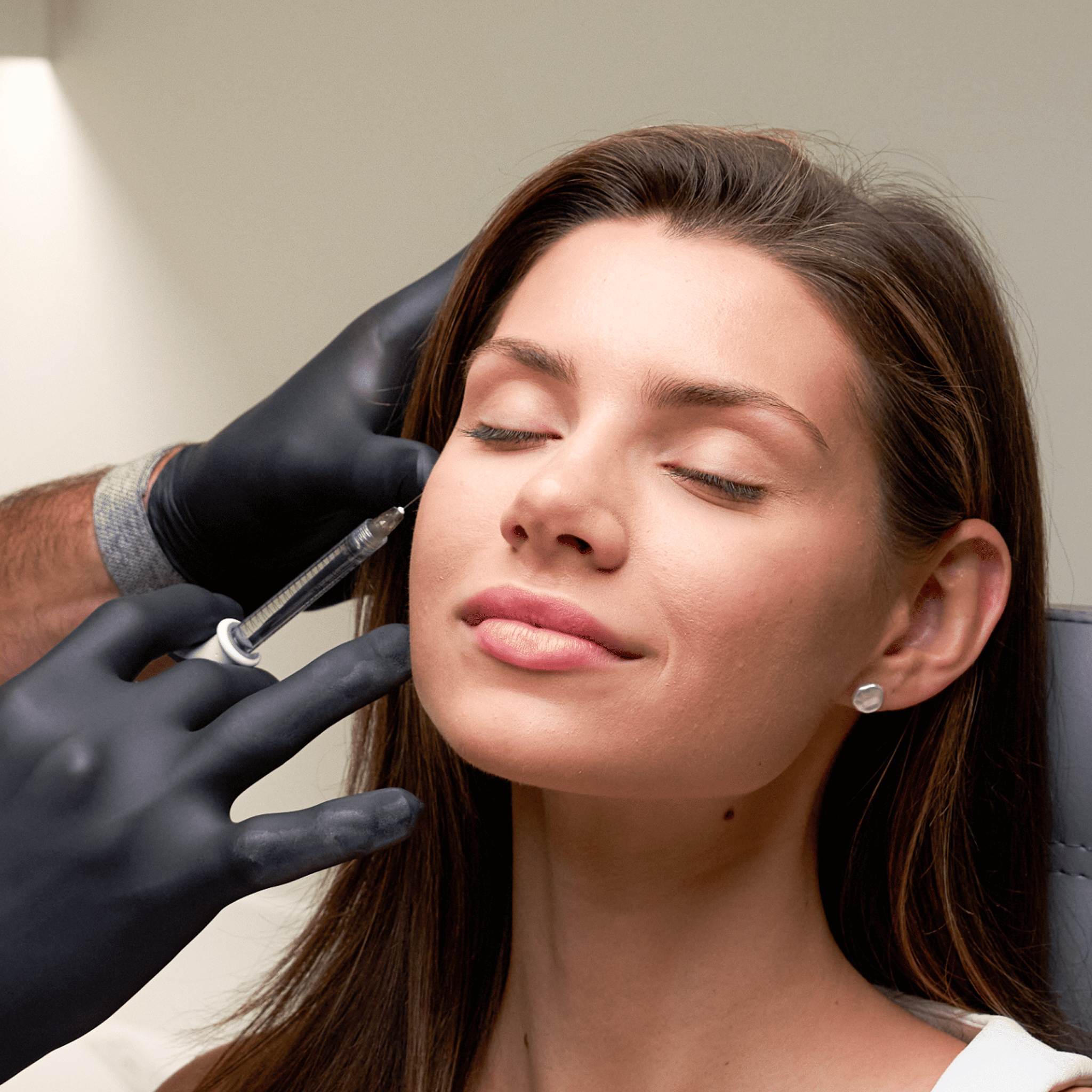
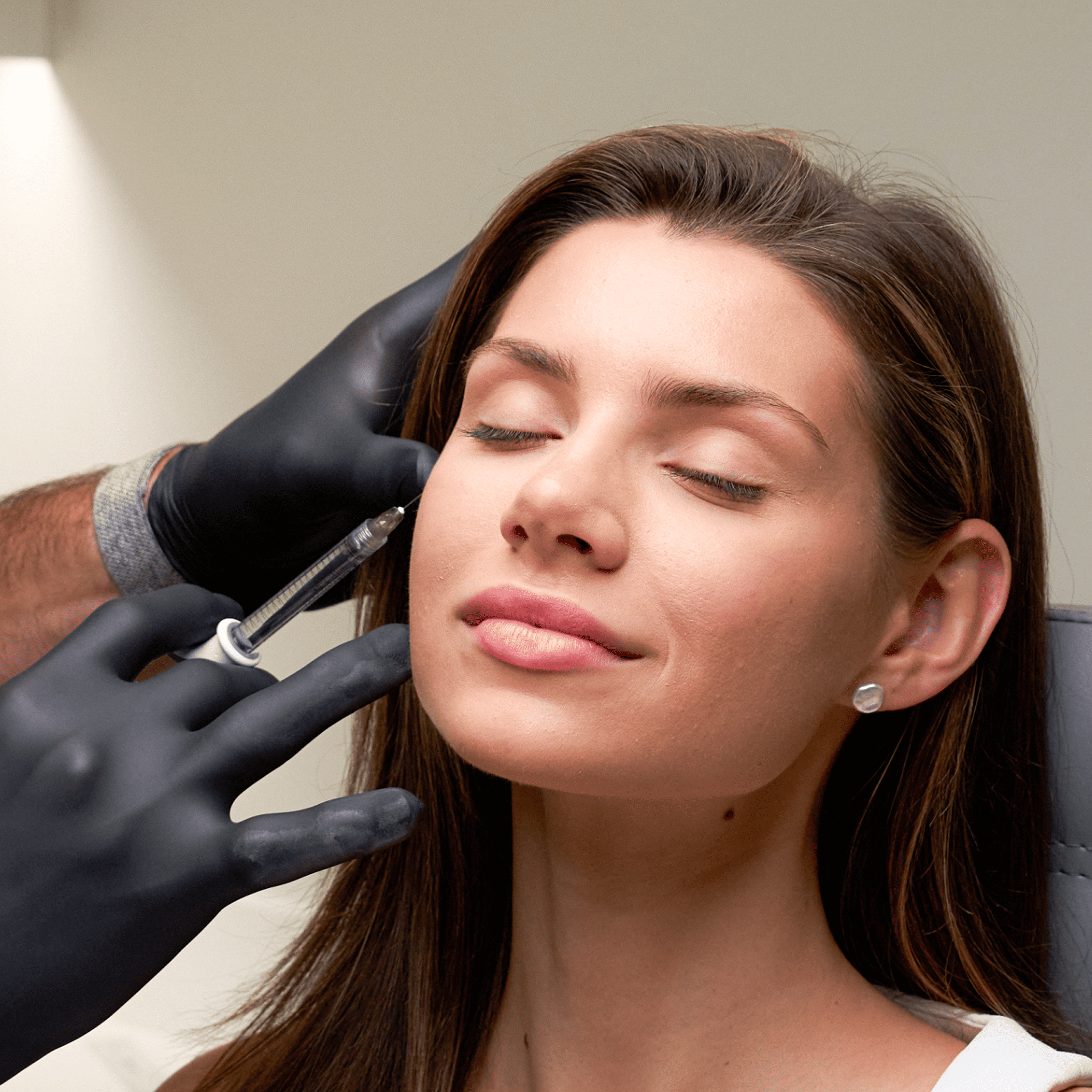
Botox® Cosmetic is FDA-approved to temporarily improve moderate to severe frown lines, crow’s feet, and forehead lines. At OVME, Botox and Dysport® are administered by licensed medical providers, and your provider chooses the dose to suit your anatomy rather than applying a fixed quantity to everyone.
Myth 2: Botox Always Leaves You Looking Frozen
Reality: A frozen look comes from how the treatment was done, not from the product.
This is one of the most common hesitations we hear, and it’s a technique question. The American Academy of Dermatology puts the goal plainly: inject “just enough to weaken and relax the targeted muscles without affecting other muscles.”
The research supports that. A 2017 review by Dover and colleagues in Dermatologic Surgery found that spread from the injection site “appears predominately, perhaps exclusively, dose dependent.” Dose and placement are the two things that shape your result, and your provider controls both.
If preserving specific expressions matters to you, say so directly at your consultation. It changes the plan.
Myth 3: If You Don’t Like the Result, You’re Stuck With It
Reality: The effect is temporary by design, so nothing about it is permanent.
FDA labeling puts the duration of effect for glabellar lines, the vertical lines between the brows, at approximately 3 to 4 months. The American Academy of Dermatology describes the same window, noting it sometimes lasts longer.
A result you don’t love wears off on its own, and a result you do love needs repeating to keep. Both are worth knowing before a first appointment.
Myth 4: Botox Builds Up in Your Body Over Time
Reality: Repeat treatment at cosmetic doses has been studied at scale, and buildup isn’t what the data shows.
The largest analysis available speaks to this directly. A 2023 meta-analysis published in Toxins, covering 5,876 subjects across 10 indications and up to 15 treatment cycles, found that 0.5% developed neutralizing antibodies overall. Antibody formation after cosmetic treatment is rare, and the risk climbs with larger cumulative doses and more treatment cycles, which describes therapeutic rather than cosmetic use.
Fifteen cycles is as far as published data reaches. Within that range, the pattern holds steady.
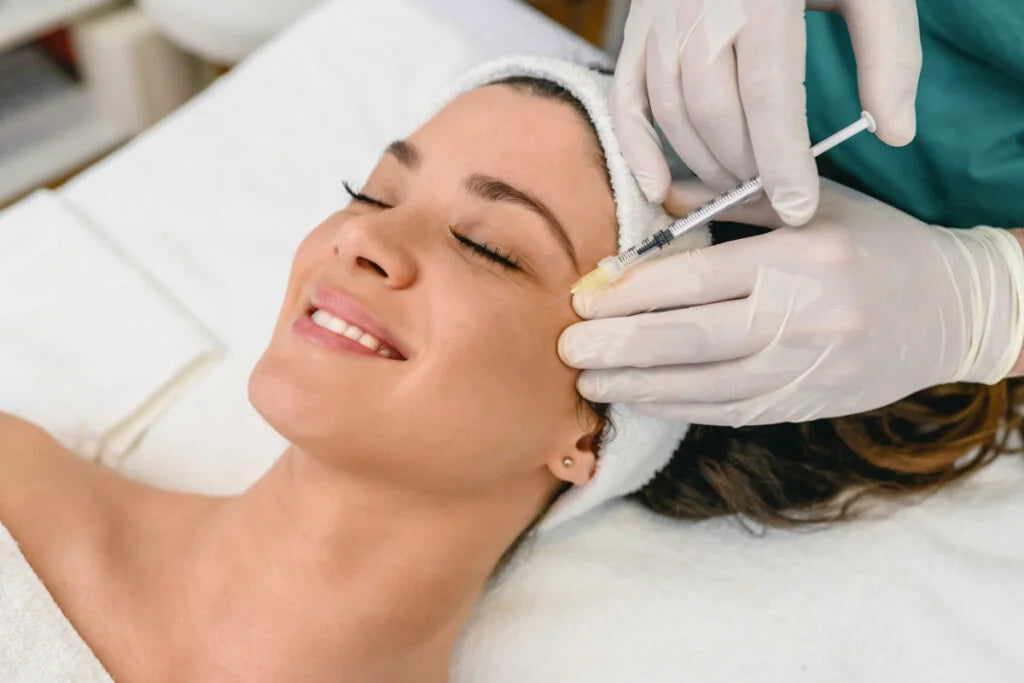
Myth 5: Botox Injections Are Extremely Painful
Reality: Most people describe a quick pinch.
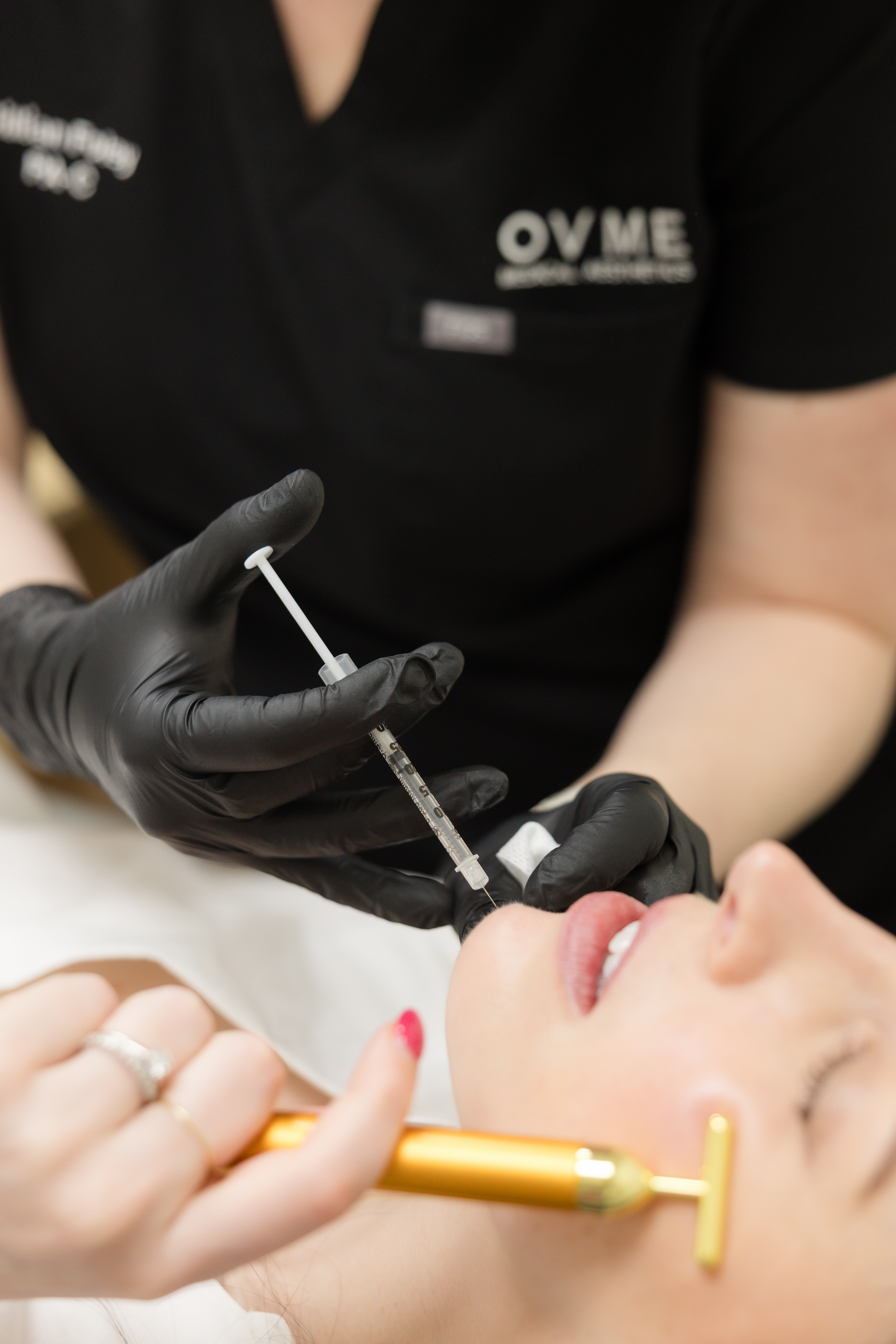
“Extremely painful” doesn’t match what’s been measured. A split-face randomized trial published in 2015 compared 30-gauge and 32-gauge needles across 37 patients and found no statistically significant difference in reported pain. A separate 2024 comparison scored discomfort at 3.9 to 4.3 for a standard 30-gauge needle against 1.6 to 1.7 for a much finer 34-gauge, on a scale where a higher number means more discomfort.
That’s a low-to-moderate range, and needle gauge is one of the variables your provider chooses. If discomfort is your main hesitation, it’s a reasonable thing to raise. The Botox/Dysport pre- and post-care guide covers what to expect before and after a visit.
Myth 6: Stopping Botox Makes You Look Worse Than Before
Reality: Stopping returns you to your own baseline. Your lines go back to where they were, and no further.
The fear here is rebound. There is no mechanism by which it deepens the lines it was softening. What we can say comes from how the treatment works: it temporarily reduces muscle activity, and when it wears off, that activity returns. What providers observe is a return to your own baseline, not past it.
Your skin does keep changing across a span of years, through sun exposure and normal collagen loss, and that happens whether or not you were ever treated.
Myth 7: Once You Start Botox, You Have to Keep Going
Reality: Rebooking is a decision you make fresh each time.
Movement returns as the effect wears off, so every appointment after the first starts from your own baseline. There is no dependency here and nothing to taper: if you stop, the effect simply fades.
If you do choose to continue, ideal results come from retreating before you are back to baseline, and your provider sets that timing with you.
What people are often describing is preference: they liked the result and chose to maintain it.
Myth 8: There’s a Right Age to Start Botox
Reality: Starting, waiting, or skipping it entirely are all valid choices, and the loudest claims here are values rather than facts.
The evidence on starting early is unsettled. A 2025 review in Muscles found that early application “may reduce muscle hyperactivity, delay the formation of dynamic wrinkles, and minimize the development of static lines over time,” while noting that the evidence “remains limited by heterogeneity in study designs.” It’s promising, but it isn’t settled.
On the regulatory side, the only firm line is that Botox Cosmetic isn’t recommended for anyone younger than 18.
Beyond that, there’s no correct answer. The growing number of people who consider it and decide against it aren’t misinformed; they’ve weighed it and chosen differently.
Myth 9: More Units, or the Right Brand, Gets a Better Result
Reality: Your provider calibrates the treatment to your anatomy, and more isn’t automatically better.
The same assumption shows up as loyalty to one brand over the other, and neither version holds up. Your outcome depends on technique, on placement, and on a dose matched to how your particular muscles move. Dover and colleagues found “no compelling evidence of a superior efficacy of Botox compared with Dysport” at equivalent doses, though results have varied across individual trials. Either way, the decision points back toward clinical judgment rather than brand preference.
If you want the reasoning behind that choice, how a provider decides between Botox and Dysport covers it in detail.
Myth 10: Anyone Can Inject Botox Safely
Reality: Who injects you matters as much as what’s injected.
Most of the outcomes people fear trace back to technique, and technique is something your provider controls. That makes your provider the variable that matters most.
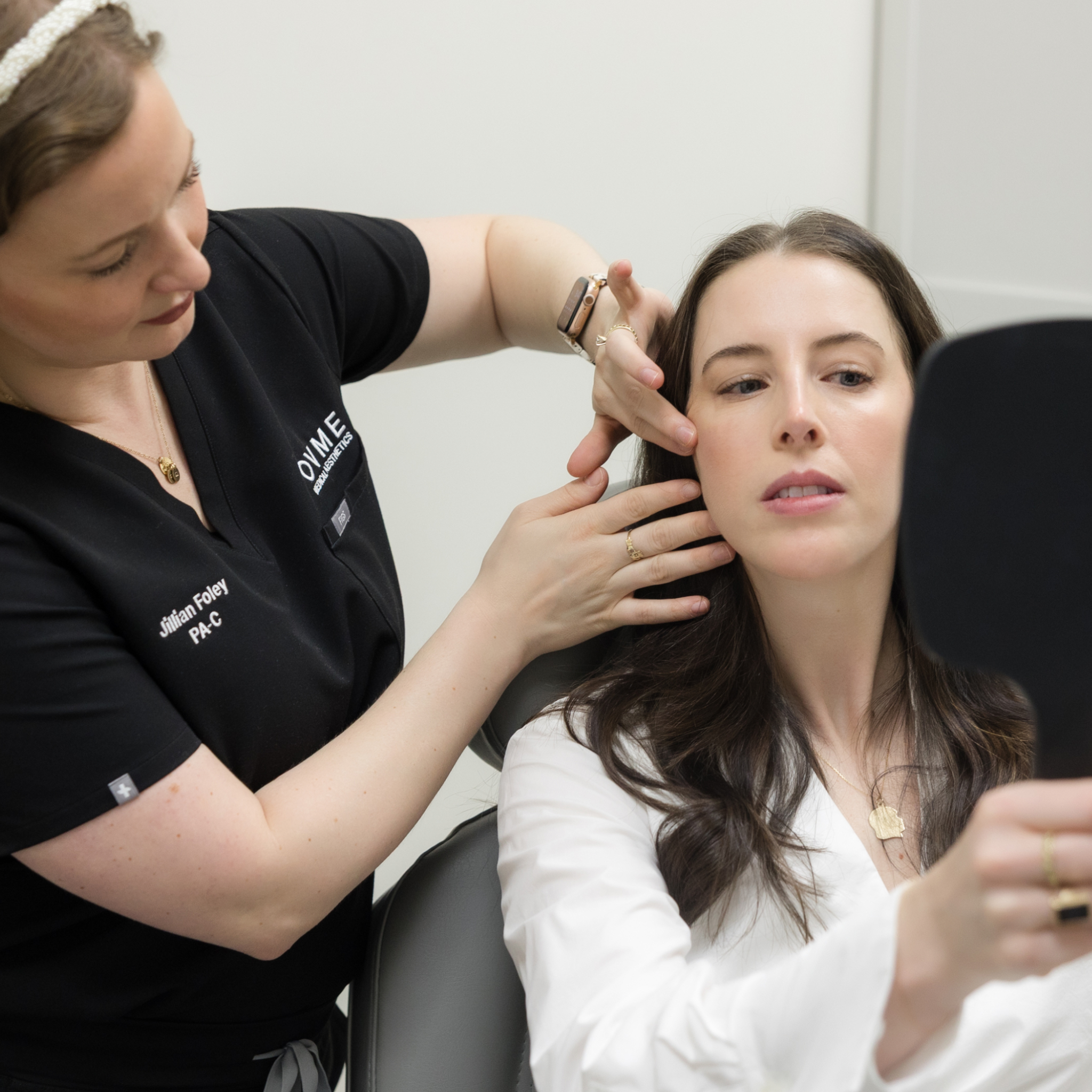
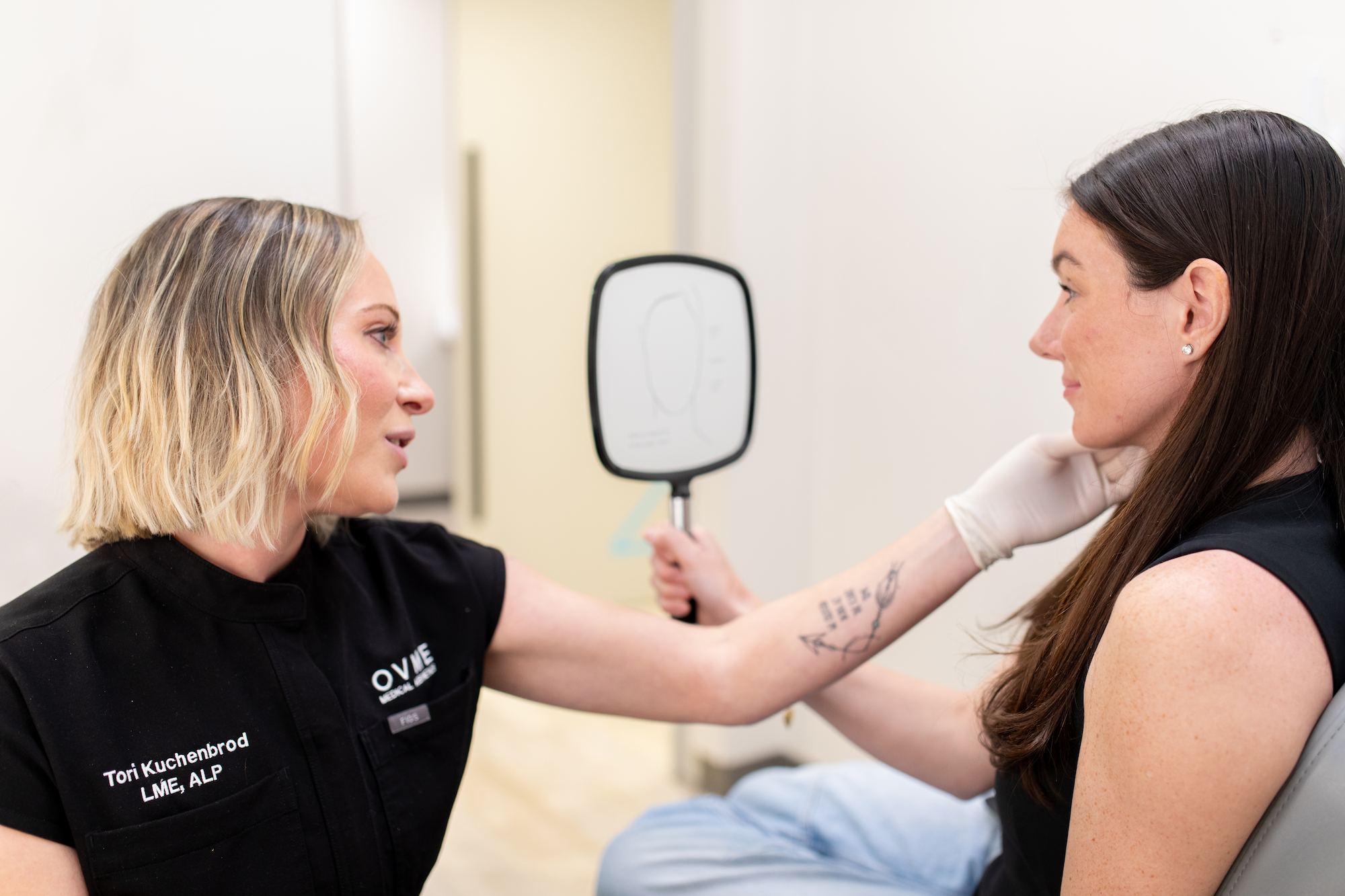
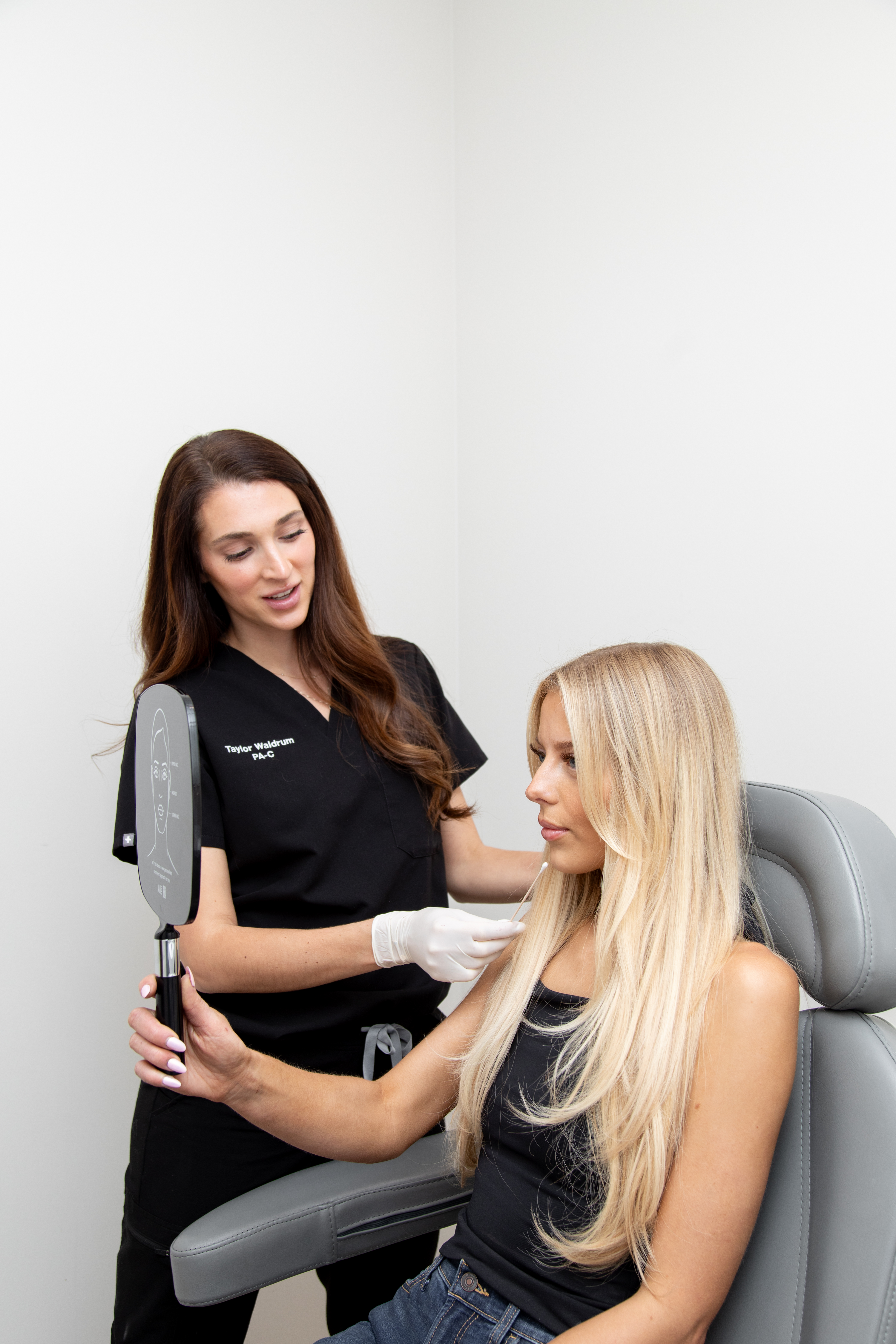
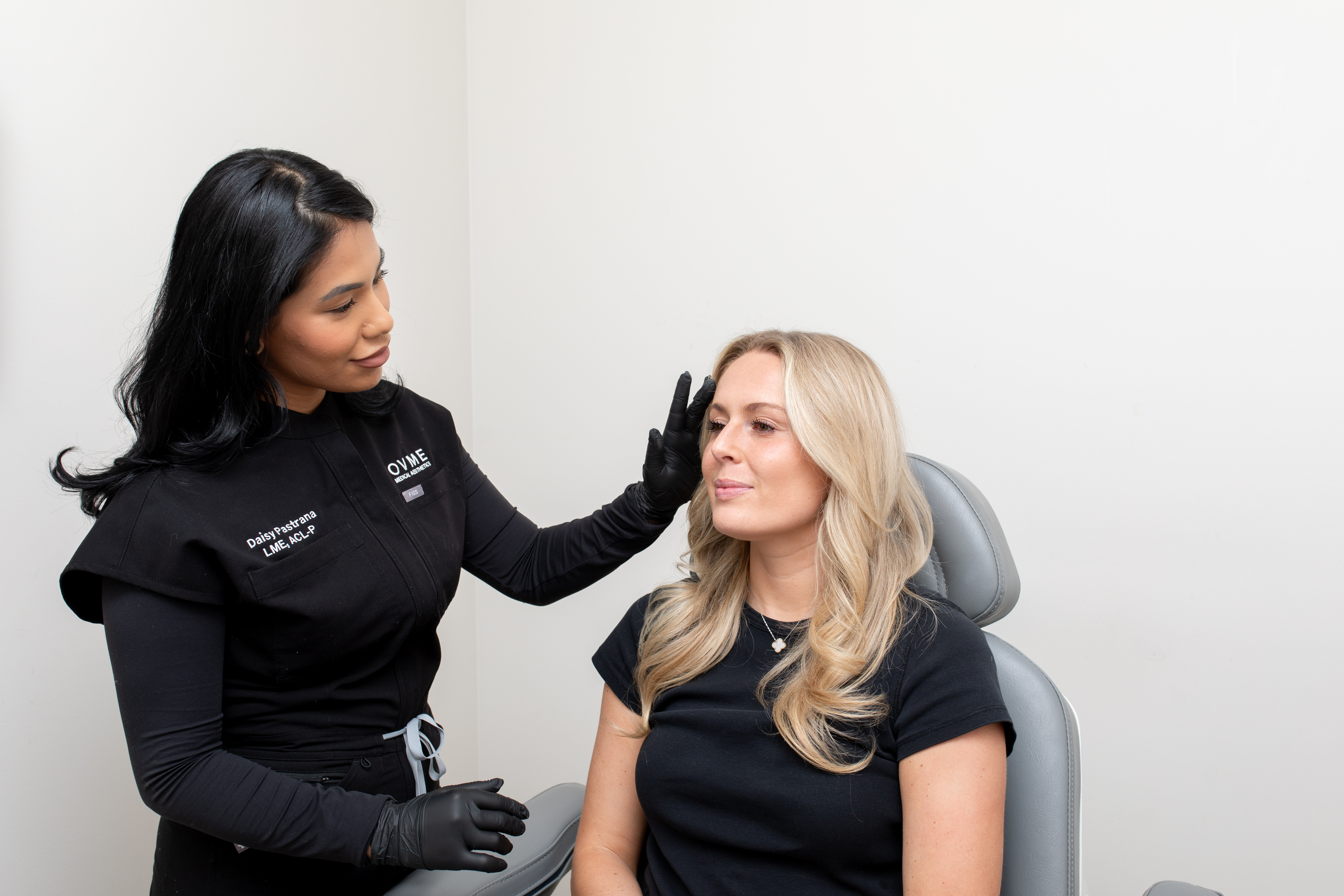
At OVME, treatments are performed by registered nurses, nurse practitioners, and physician assistants, all supervised by medical directors who are board-certified plastic surgeons. Assessment comes first: watching how your face moves, then building a plan around what you want to keep as much as what you want to soften.
Bringing Your Own Questions to a Provider
Ask someone who will be looking at your face.
A complimentary consultation is where a claim you read somewhere becomes a specific answer about your anatomy, your muscle movement, and the treatment plan your provider would recommend for you. If you’re also weighing how neurotoxin fits with other treatments, best injectables for full-face rejuvenation covers how they work together. Wrinkle reduction treatments covers where neurotoxin sits alongside other approaches, and best injectables for wrinkles compares what tends to be used for each area.
Frequently Asked Questions
Who administers Botox/Dysport at OVME?
Your injector is a registered nurse, nurse practitioner, or physician assistant, working under medical directors who are board-certified plastic surgeons. You’ll meet them at your complimentary consultation before treatment, and you can ask about their training and experience with the areas you want treated.
What should you bring to a Botox/Dysport consultation?
Bring a list of your current medications and supplements, any history of neuromuscular conditions, and a note of previous neurotoxin treatments, including roughly when they were done. Photos of results you liked or disliked help, since they communicate your preferences faster than description. Come with questions about what you want to keep, not only what you want to soften.
Are Botox/Dysport appointments handled the same way?
The appointment structure is essentially the same: an assessment of how your muscles move, a plan for which areas to treat, then the injections themselves, typically over a short visit. The two products differ in formulation, and your provider selects between them based on your anatomy and treatment goals. Aftercare guidance is also shared between the two.
Can Botox/Dysport results be adjusted after your first treatment?
Yes. Because the effect is temporary, each subsequent treatment is an opportunity to adjust, and providers routinely refine placement or the areas treated based on how you responded the first time. If you felt a particular area was softened more than you wanted, telling your provider changes the plan next time.
What’s the difference between how Botox/Dysport feels versus a dermal filler appointment?
Neurotoxin injections are typically quick, use a very fine needle, and involve small amounts placed into specific muscles, so most people describe brief pinches. Filler appointments generally take longer, often involve numbing, and can bring more pressure and swelling because the product adds volume beneath the skin. They also do different things: one softens movement, the other restores structure.
Keep on reading