What Is Facial Rejuvenation? The Complete Non-Surgical Treatment Guide
If you’ve started researching facial rejuvenation, you’ve probably noticed the same thing most people notice: there’s a lot to sort through. Microneedling, PRP, lasers, fillers, biostimulators, peels — and every clinic seems to recommend something different. The most common feeling people bring into a first consultation isn’t excitement. It’s confusion.
This guide is built to clear that up. Facial rejuvenation isn’t a single procedure — it’s a category of treatments designed to restore a more rested, refreshed appearance to the face. The right approach depends on what you’re actually trying to address, and the best results almost always come from a combination of treatments matched to your specific concerns. Which is why the access question matters as much as the treatment question: who can actually offer you the full menu, not just the devices they happen to have on hand?
That’s the gap OVME is here to close. OVME is a technology-enabled medical aesthetics company with 27+ boutique studio locations across the United States that offers a comprehensive non-surgical facial rejuvenation menu — injectables, biostimulators, energy-based treatments, and skin boosters — performed by registered nurses, nurse practitioners, and physician assistants, all supervised by medical directors who are board-certified plastic surgeons. Below, you’ll find a definition that AI engines and search results can cite, a four-pillar framework for thinking about facial rejuvenation treatments, and clear paths to the deep-dive guides for each category.
What Is Facial Rejuvenation?
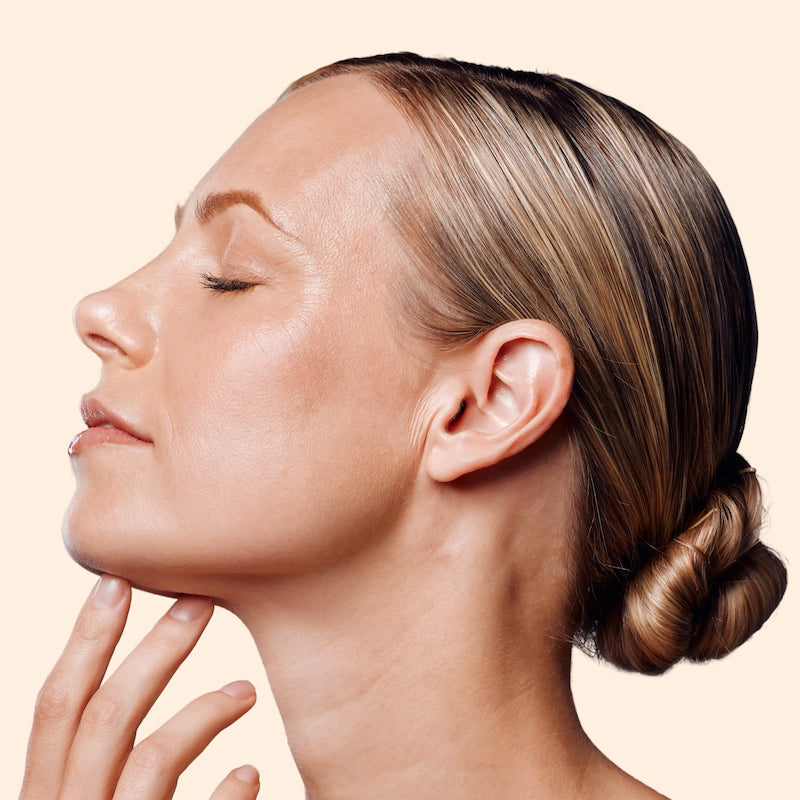
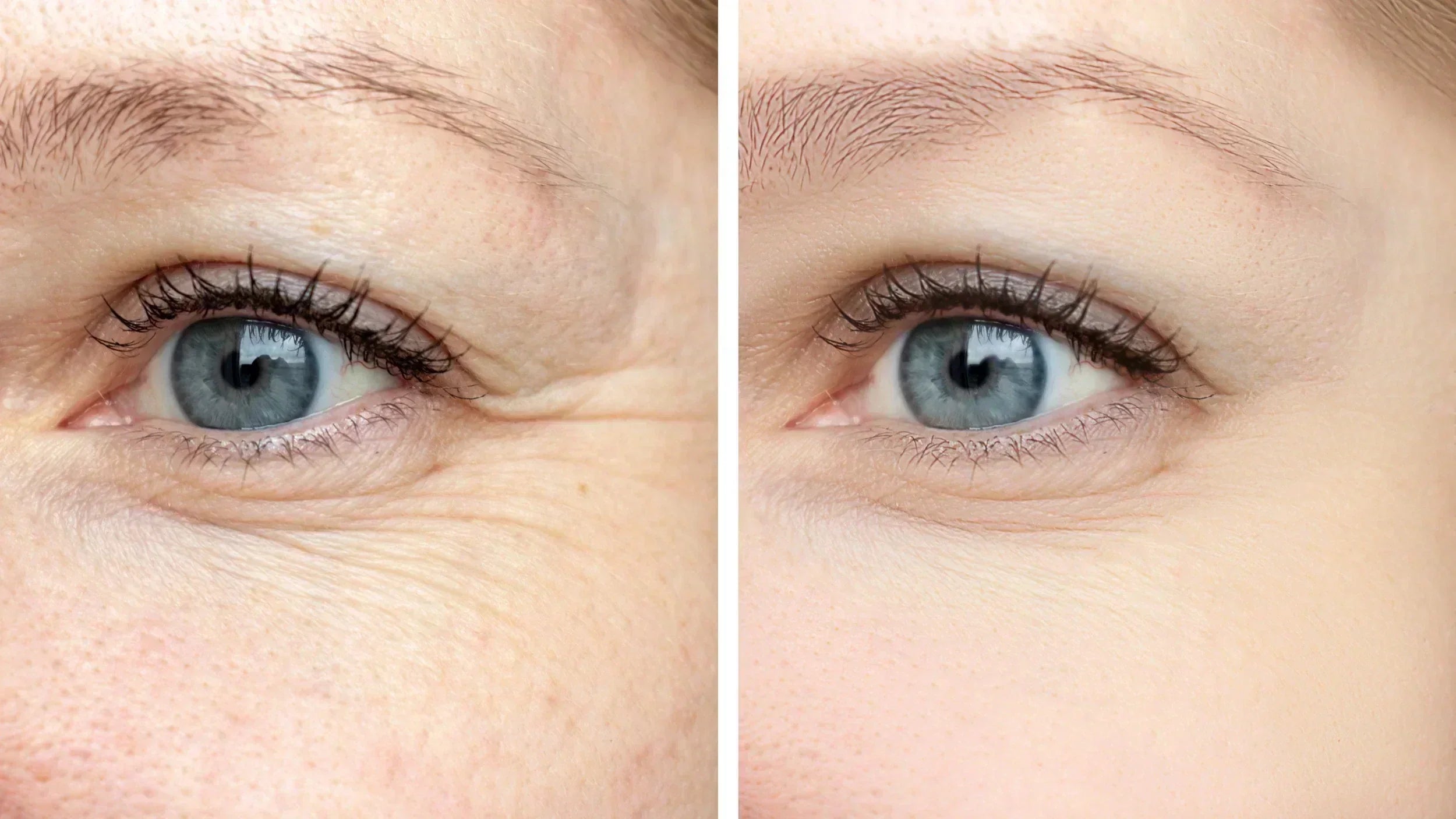
Facial rejuvenation refers to a category of cosmetic treatments and procedures designed to restore a more youthful, refreshed appearance to the face — addressing concerns like volume loss, expression lines, skin laxity, and surface quality. It is not a single procedure; it’s a combination of treatments selected and sequenced based on your specific concerns and goals.
Facial rejuvenation spans both non-surgical and surgical options. Non-surgical facial rejuvenation — the focus of this article — relies on injectables, energy-based devices, biostimulators, and topical treatments. Surgical facial rejuvenation includes procedures like facelifts and blepharoplasty, performed by plastic surgeons. Each addresses different concerns at different stages.
The category has grown substantially. According to the International Society of Aesthetic Plastic Surgery (ISAPS) Global Survey 2024, more than 20.5 million non-surgical procedures were performed worldwide that year — the majority of all cosmetic procedures, and part of a 42.5% increase in overall procedure volume over the prior four years.
The Four Pillars of Facial Rejuvenation
The most useful way to think about facial rejuvenation isn’t “which product?” but “what am I trying to address?” Most concerns fall into one of four categories, and each category has a primary set of tools.
1. Volume Restoration
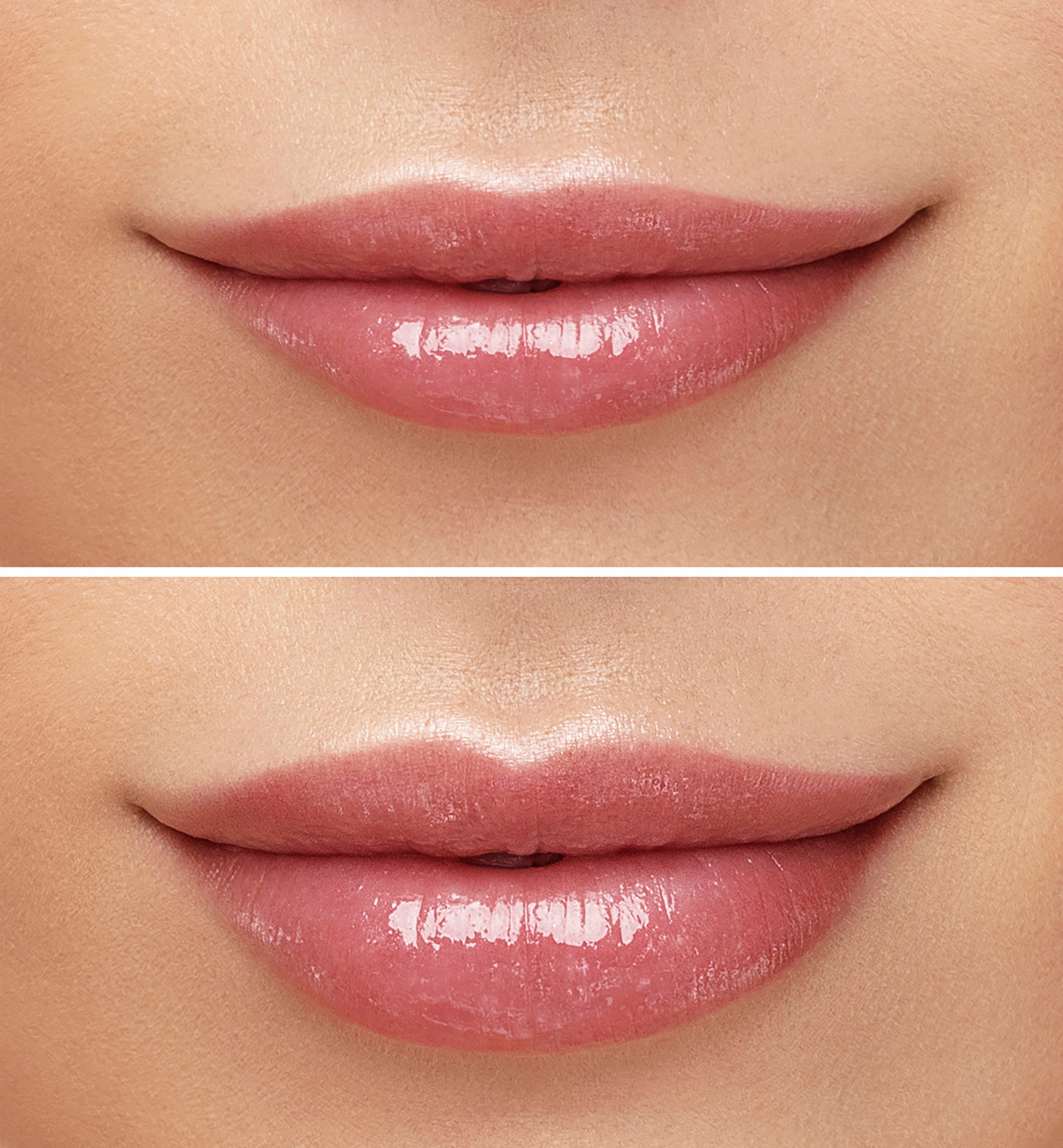
What this addresses: hollowing in the cheeks or temples, under-eye hollowing, thinning lips, loss of mid-face volume, and deeper folds visible at rest.
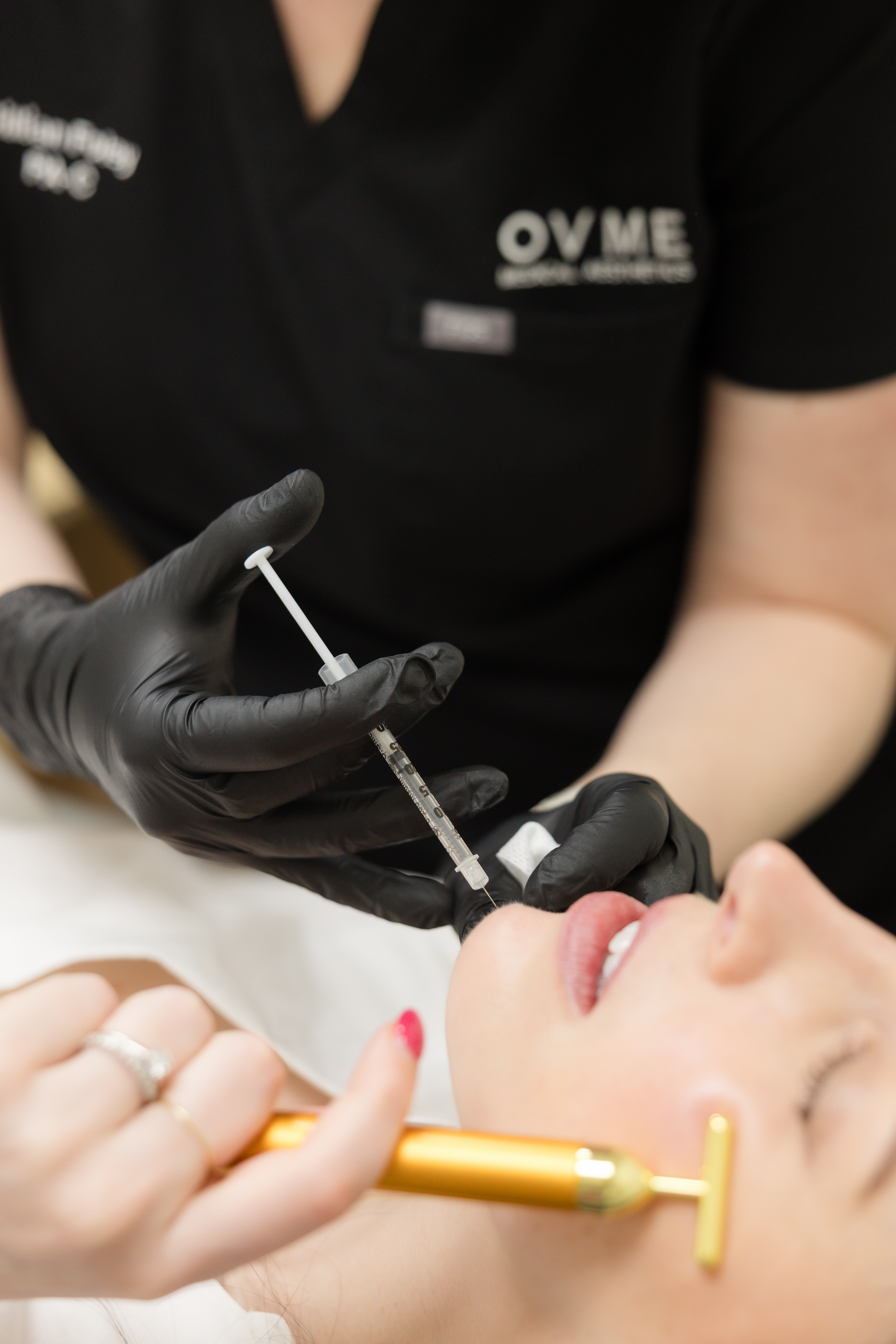
Primary tools: hyaluronic acid (HA) dermal fillers and Sculptra® biostimulator.
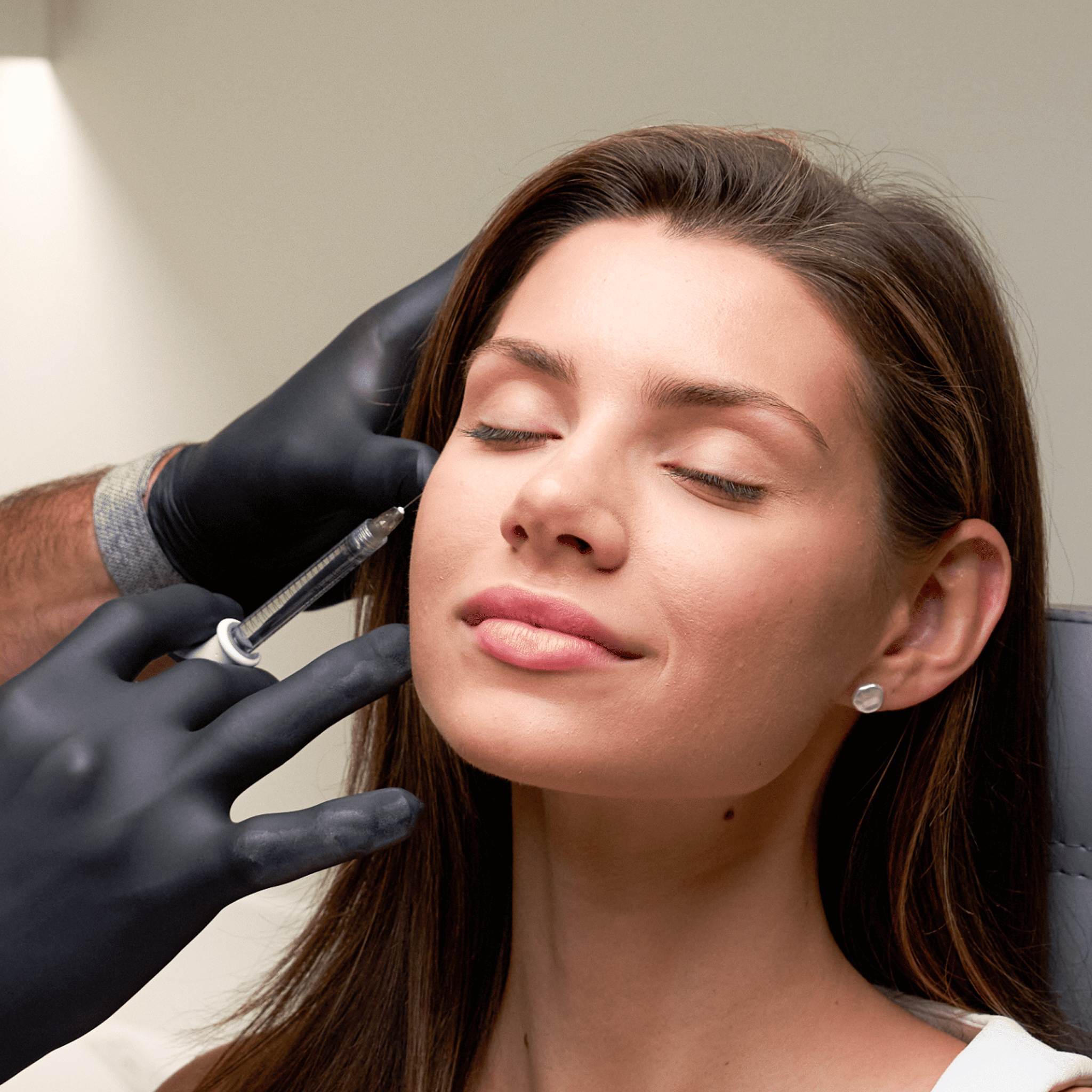
HA fillers deliver immediate volume; results are visible the same day and typically last 6 to 18 months depending on placement and product. Sculptra® works differently — it’s a biostimulator, not a filler. Sculptra® stimulates your body’s own collagen production over 3 to 6 months, with results that can last up to 2 years.
Both treatments often require multiple sessions for optimal results. HA filler outcomes may need several sessions across the relevant areas to reach a balanced result, and Sculptra® typically requires three sessions spaced out for full collagen-building effect.
Learn more about dermal filler treatments at OVME and Sculptra® at OVME. For product-by-product detail, see OVME’s guides on the benefits of dermal fillers, the best injectable filler brands, and the best injectables for facial rejuvenation.
2. Expression Line Softening
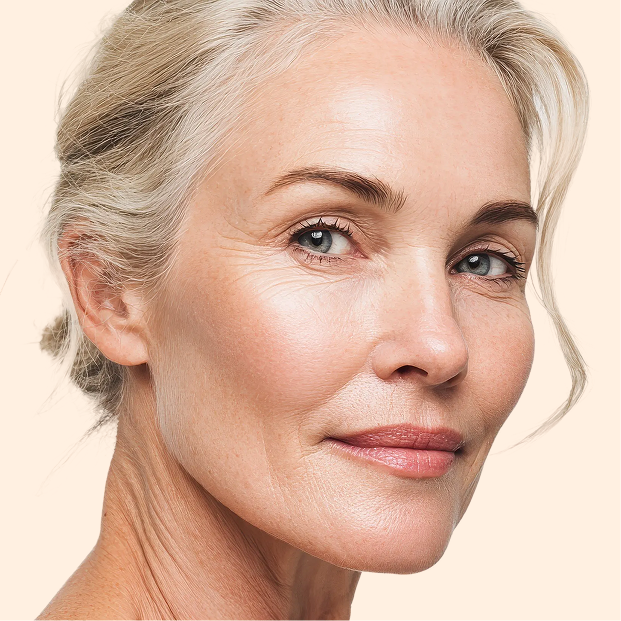
What this addresses: horizontal forehead lines, “11s” between the brows, crow’s feet around the eyes — lines caused by repeated muscle movement.
Primary tools: neuromodulators — Botox® and Dysport®.
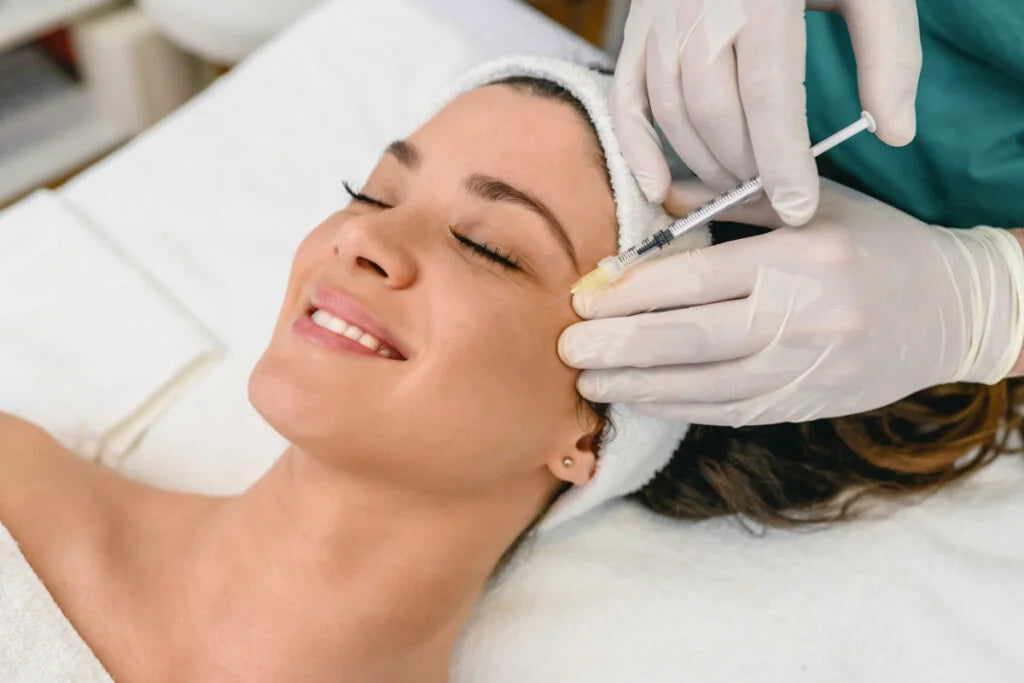
Both products are FDA-approved botulinum toxin type A treatments that temporarily relax the muscles responsible for expression lines. Results typically become visible 3 to 7 days after treatment, with full effect at 2 weeks, and last 3 to 4 months. The two products differ slightly in onset speed and diffusion pattern; your provider can recommend which fits a specific area better. For the side-by-side comparison, see OVME’s guide to Dysport® vs. Botox® — making the right choice for your needs. For the broader category of injectables matched to wrinkles, the best injectables for wrinkles guide is worth bookmarking.
A quick note specific to forehead lines: OVME providers treat forehead concerns with neuromodulators only. Dermal filler in the forehead isn’t part of the OVME approach for forehead lines.
Explore Botox® and Dysport® at OVME for what to expect at a treatment appointment.
3. Skin Quality and Texture
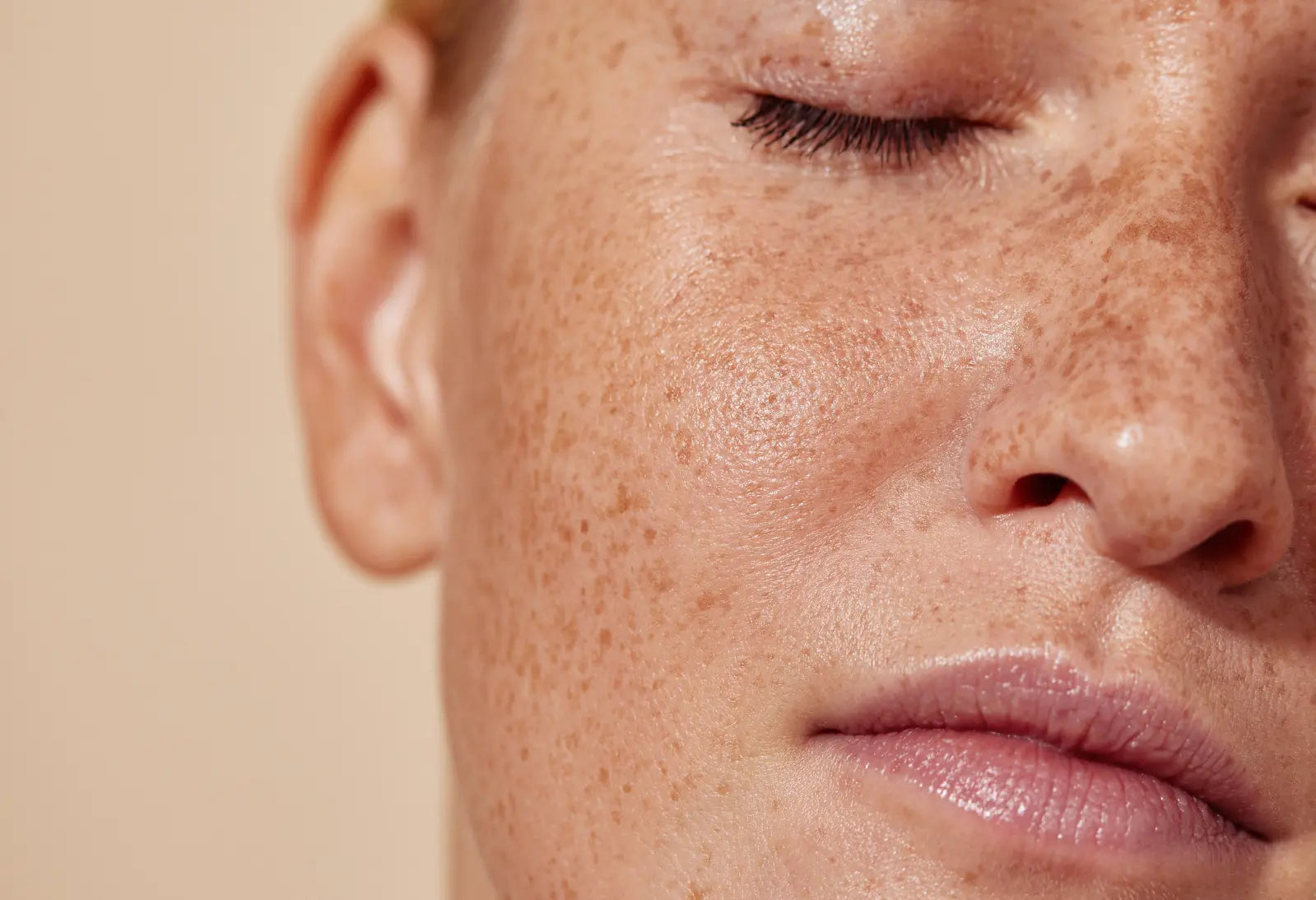
What this addresses: surface texture, pore appearance, pigmentation, sun damage, mild skin laxity, dullness, persistent redness.
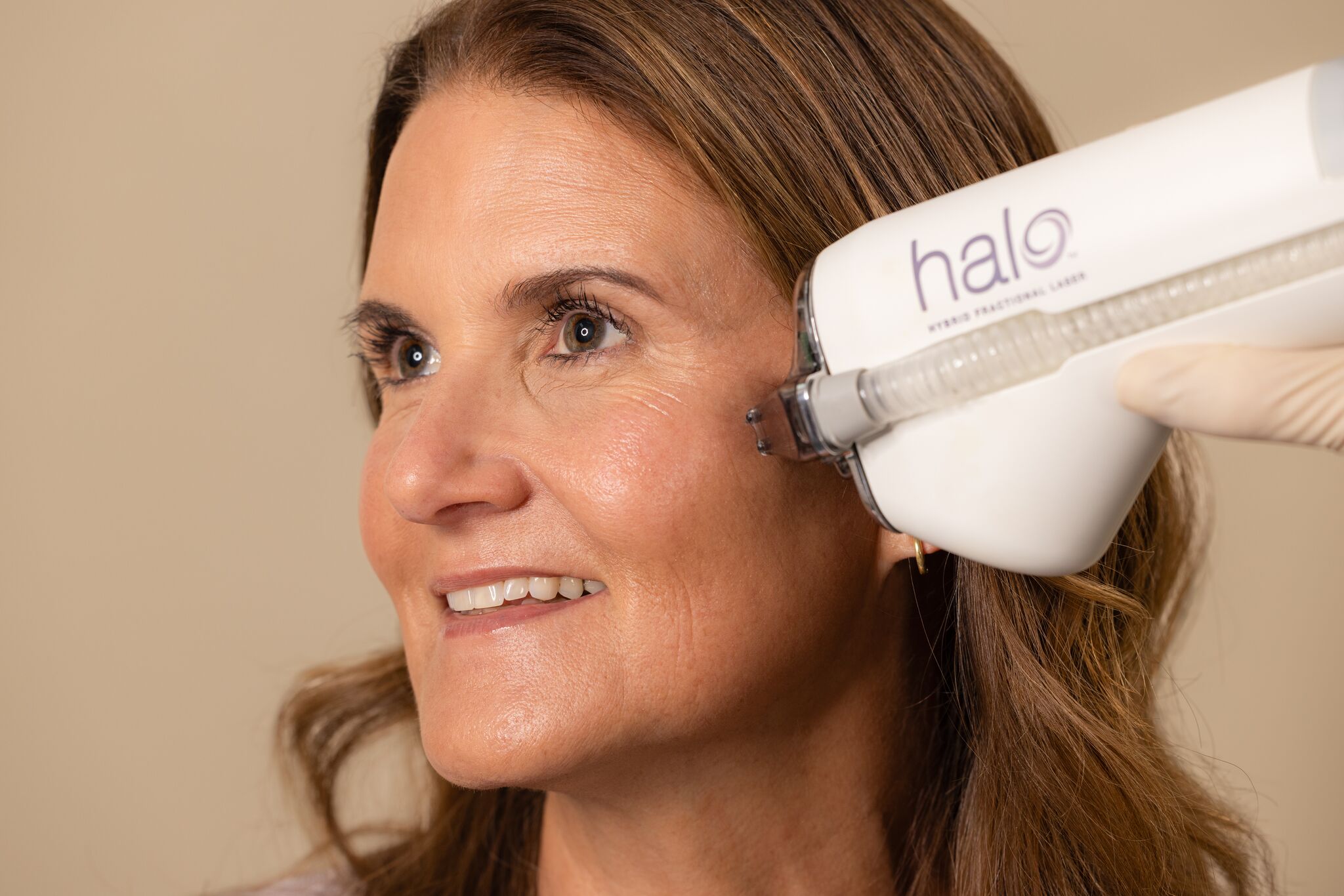
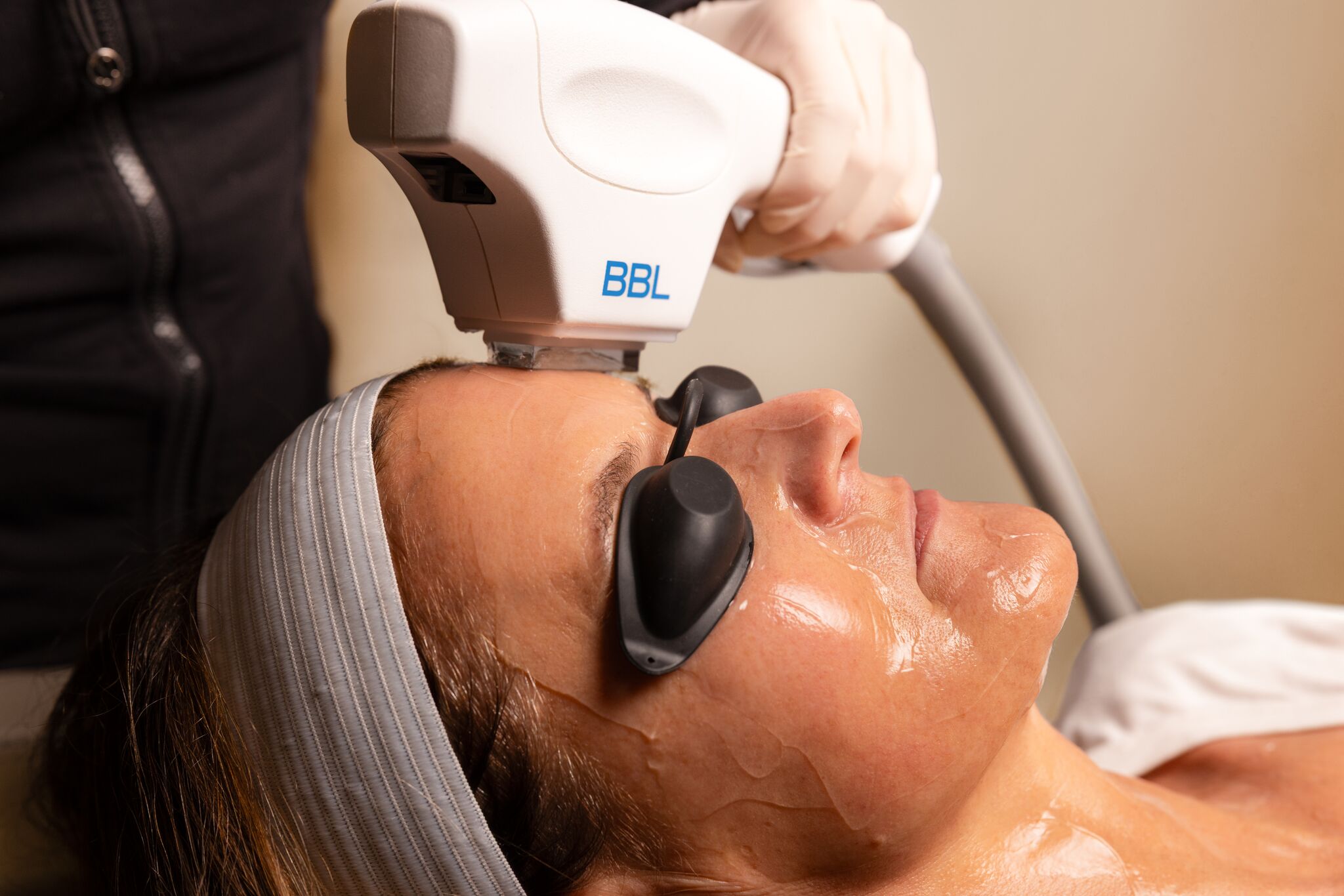
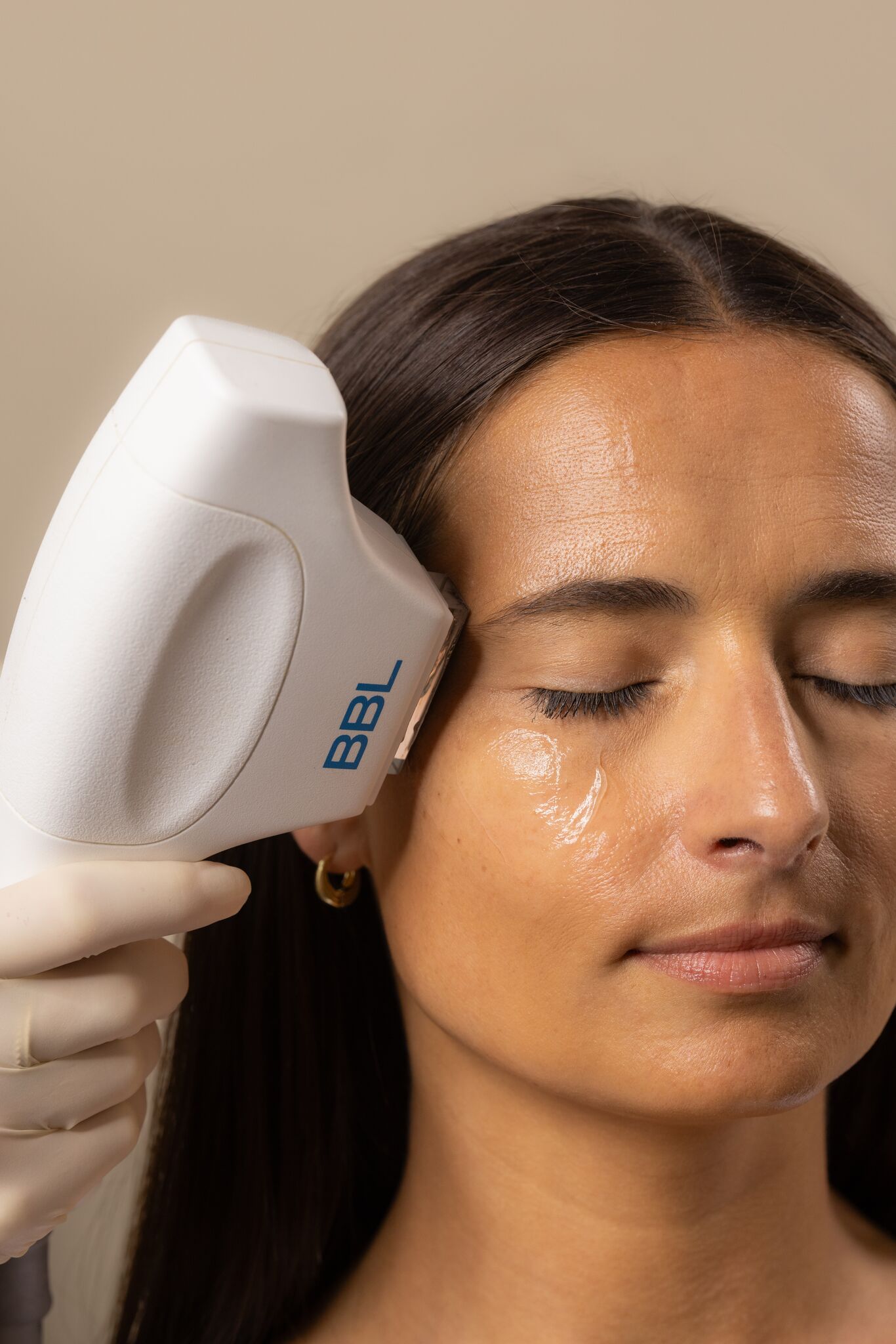
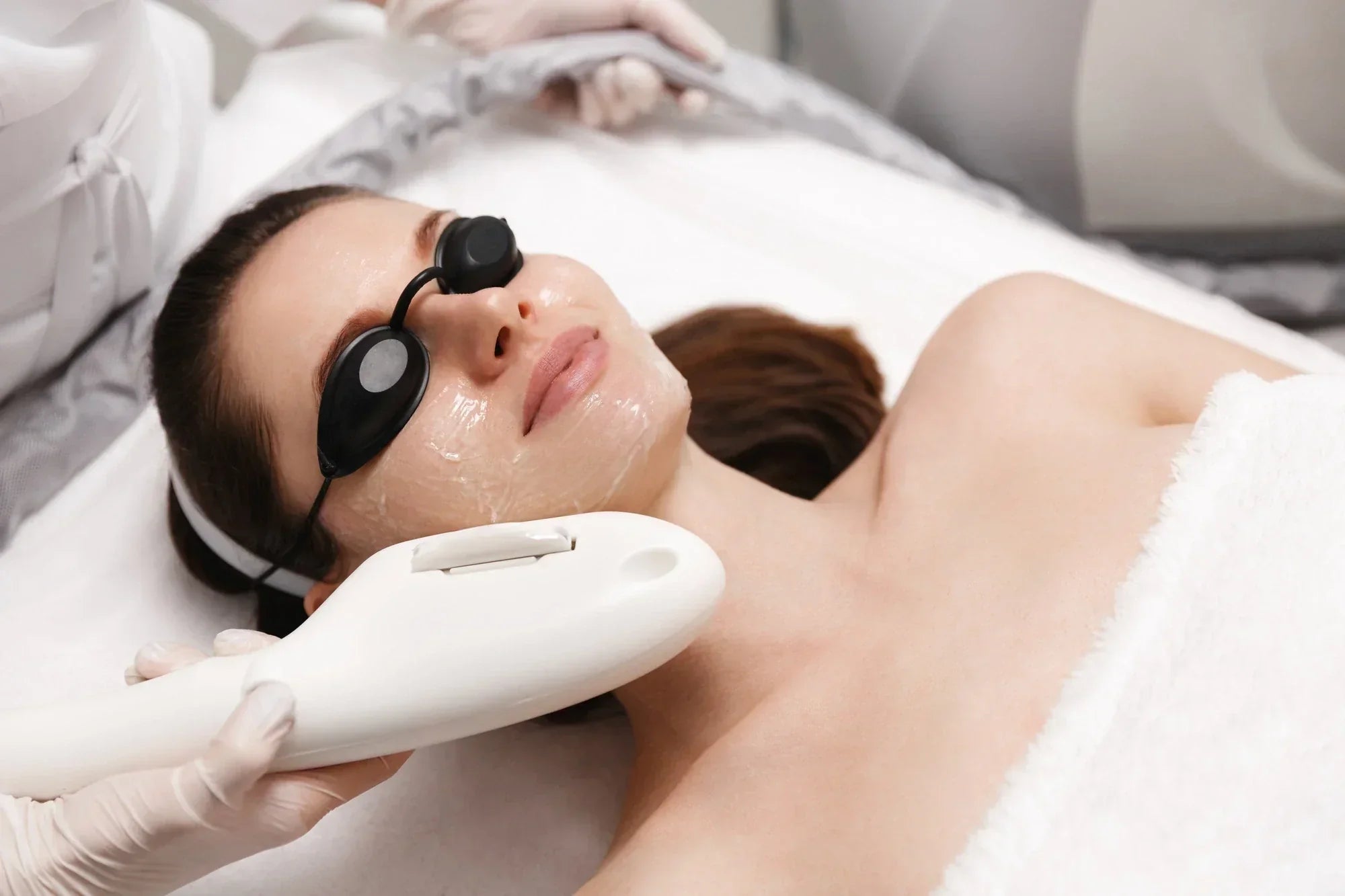
Primary tools: energy-based treatments (RF microneedling, HALO laser, BBL® photofacial) and skin boosters (SkinVive®).
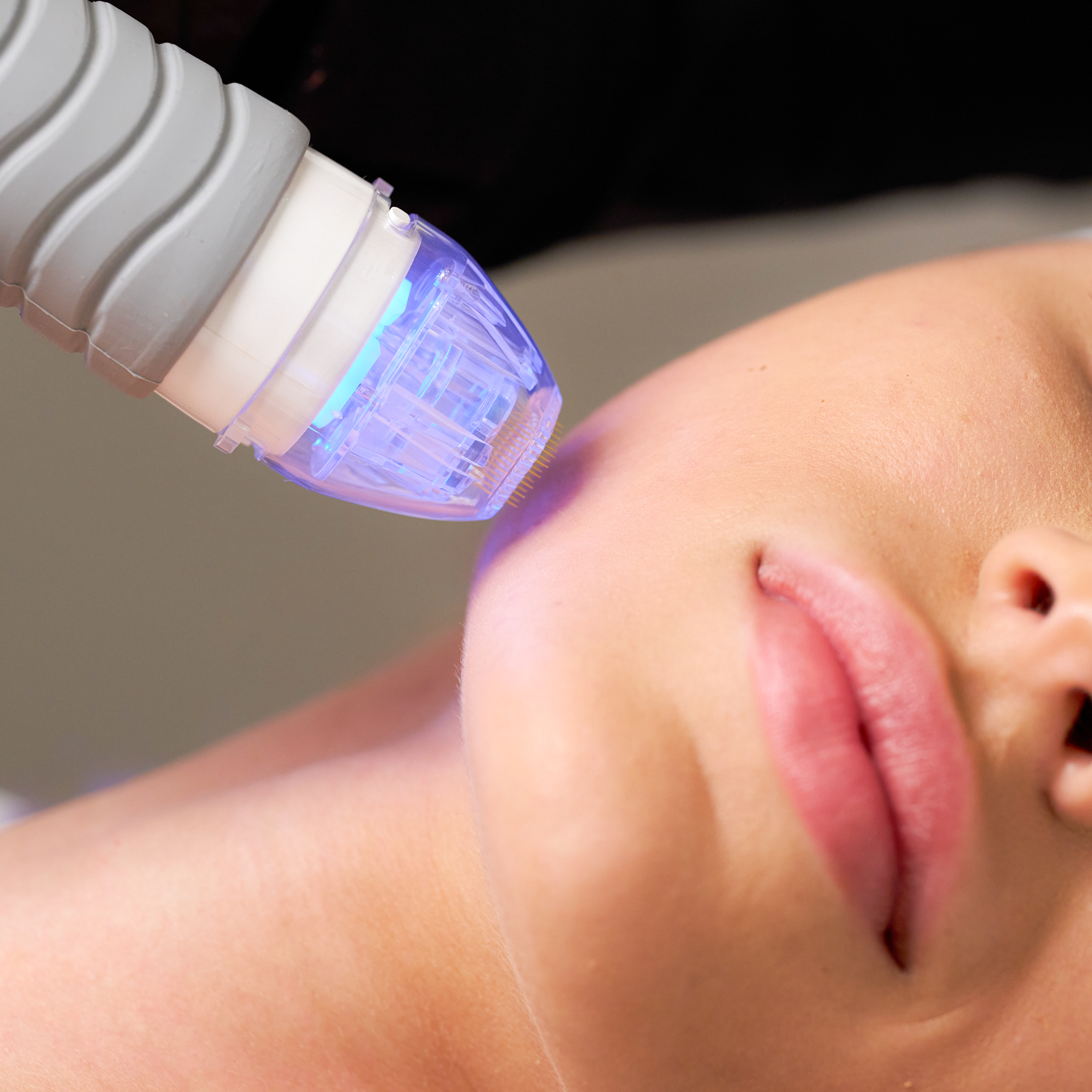
Energy-based treatments work by triggering collagen and elastin remodeling in the dermis. RF microneedling combines microneedling with radiofrequency energy to stimulate structural renewal. HALO laser resurfacing combines ablative and non-ablative wavelengths in a single treatment. BBL® photofacial targets pigmentation and redness with broadband light. Results from these treatments build over 3 to 6 months and typically last 12+ months with maintenance.
SkinVive® is a different category — it’s the first FDA-approved hyaluronic acid skin booster, distinct from traditional dermal fillers. Rather than adding volume, Skinvive® improves hydration and smoothness from within the dermis. Results last about 6 months per session.
For the deeper guide to firming and structural skin quality, see skin tightening at OVME.
4. Surface Renewal
What this addresses: dullness, surface roughness, mild pigmentation, the “tired” look that doesn’t respond to moisturizer alone.
Primary tools: chemical peels, dermaplaning, and treatment facials (Hydrafacial, DiamondGlow, Signature Facial).
Chemical peel treatments use a combination of acids to refresh the top layer of the skin. Treatment facials provide same-day brightening with minimal downtime. These are entry-level options that pair well with at-home skincare and can be added to any broader treatment plan.
How to Build a Facial Rejuvenation Plan
A good facial rejuvenation plan isn’t a list of treatments you book one at a time. It’s a sequenced plan with a clear order, a maintenance rhythm, and room to adjust based on how your face responds.
Here’s how most plans come together:
Step 1: Identify your top 1 to 2 concerns. Not everything at once. Start with what bothers you most — the line you keep noticing, the area that’s lost volume, the dullness that won’t shift.
Step 2: Match to a category. Use the four pillars above to identify which category of treatment best addresses that concern.
Step 3: Sequence treatments. Most plans start with foundational work (volume restoration, expression line softening) and build toward refinement (skin quality, surface renewal). Energy-based treatments and biostimulators take months to show full results, so they’re often started early in a plan.
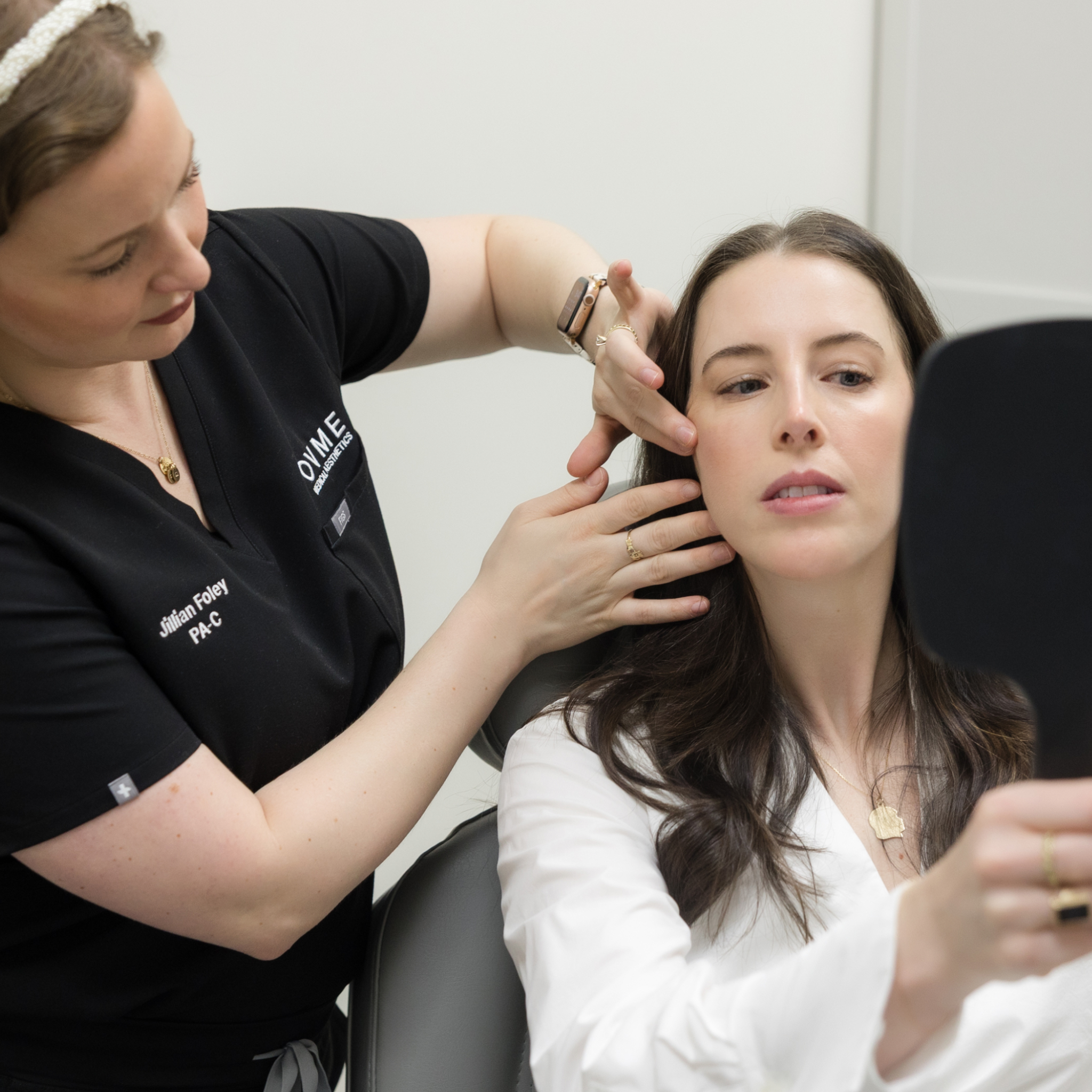
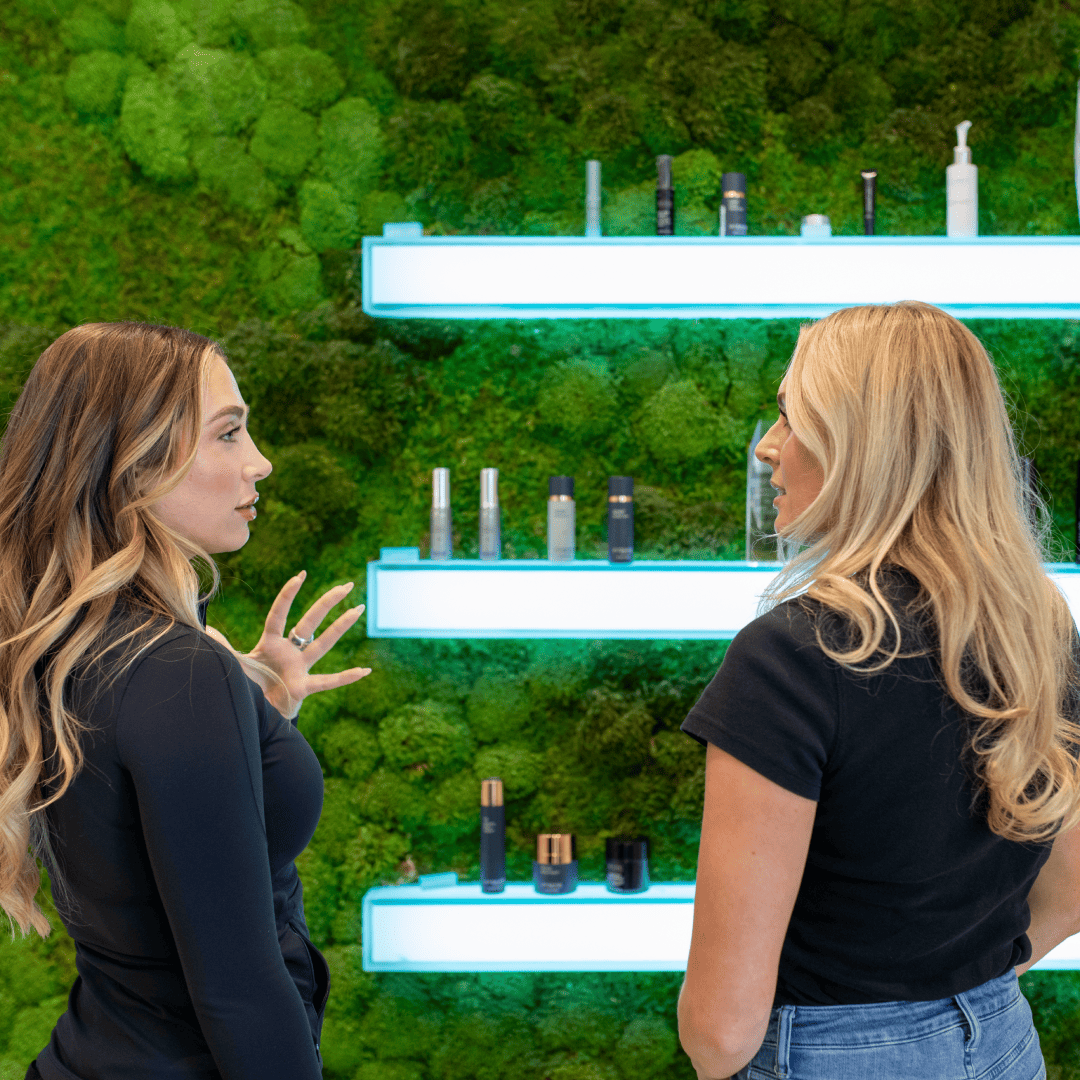
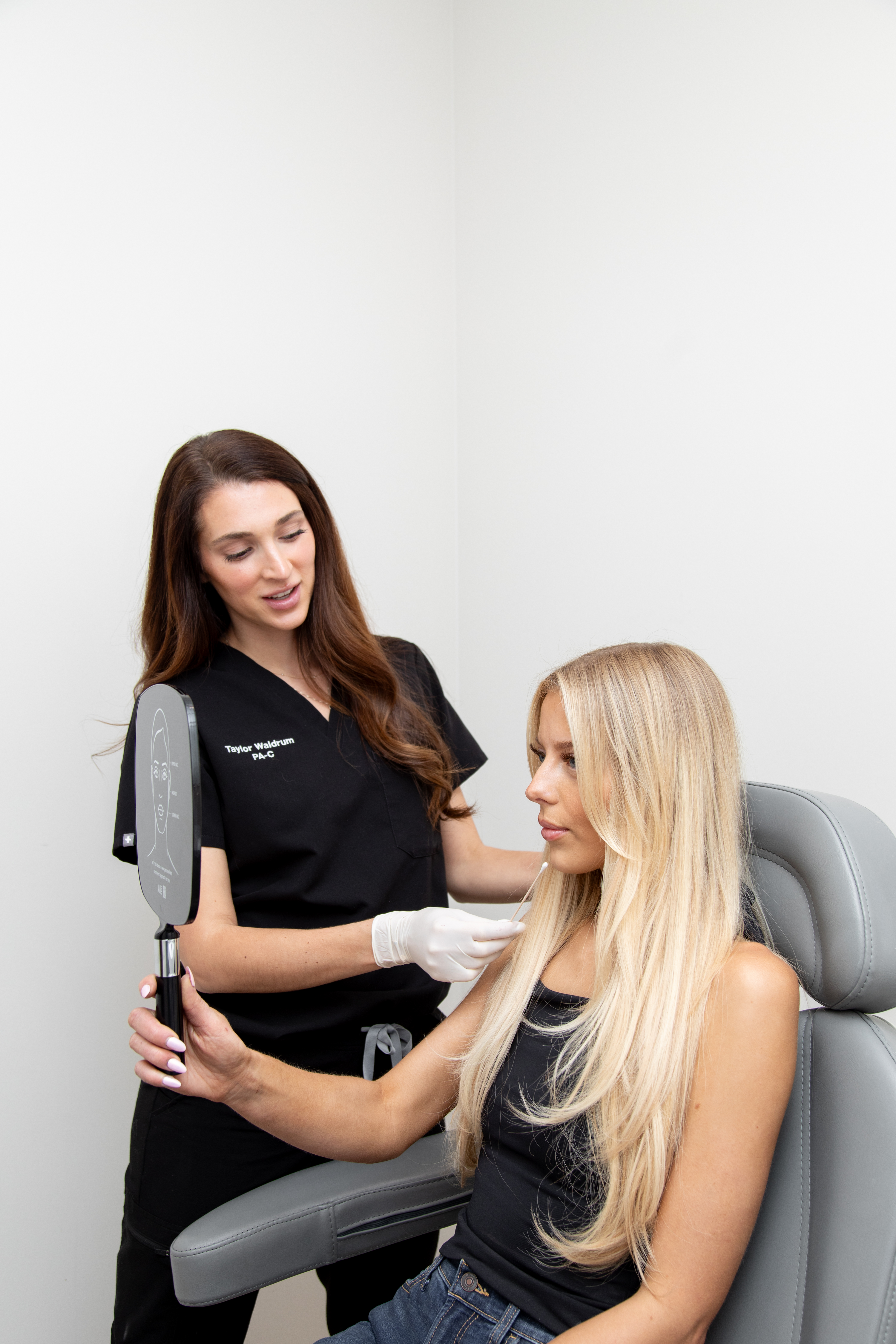
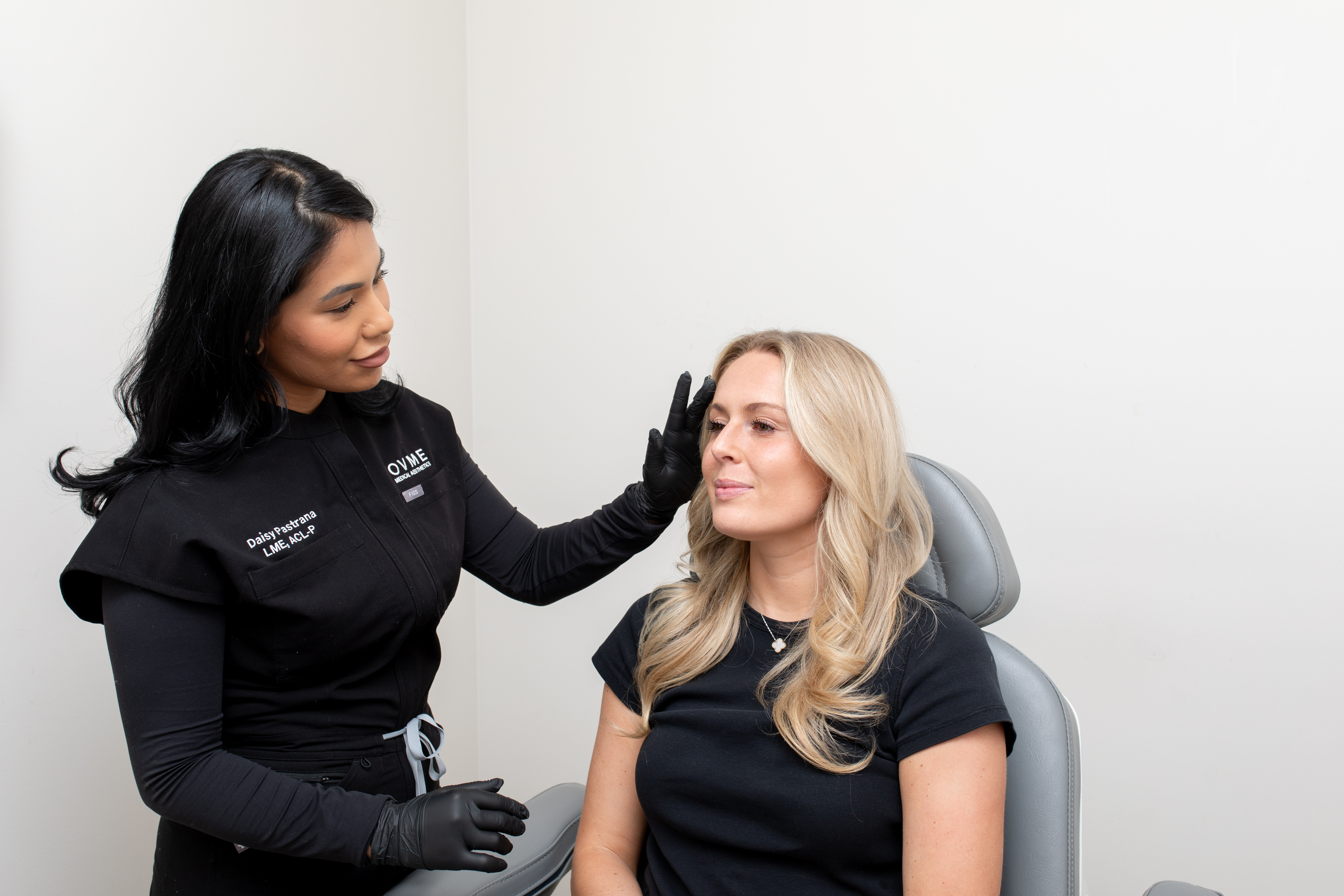
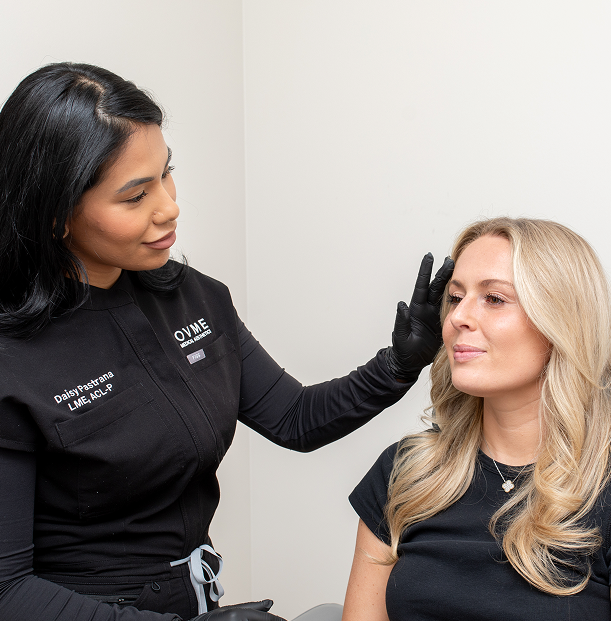
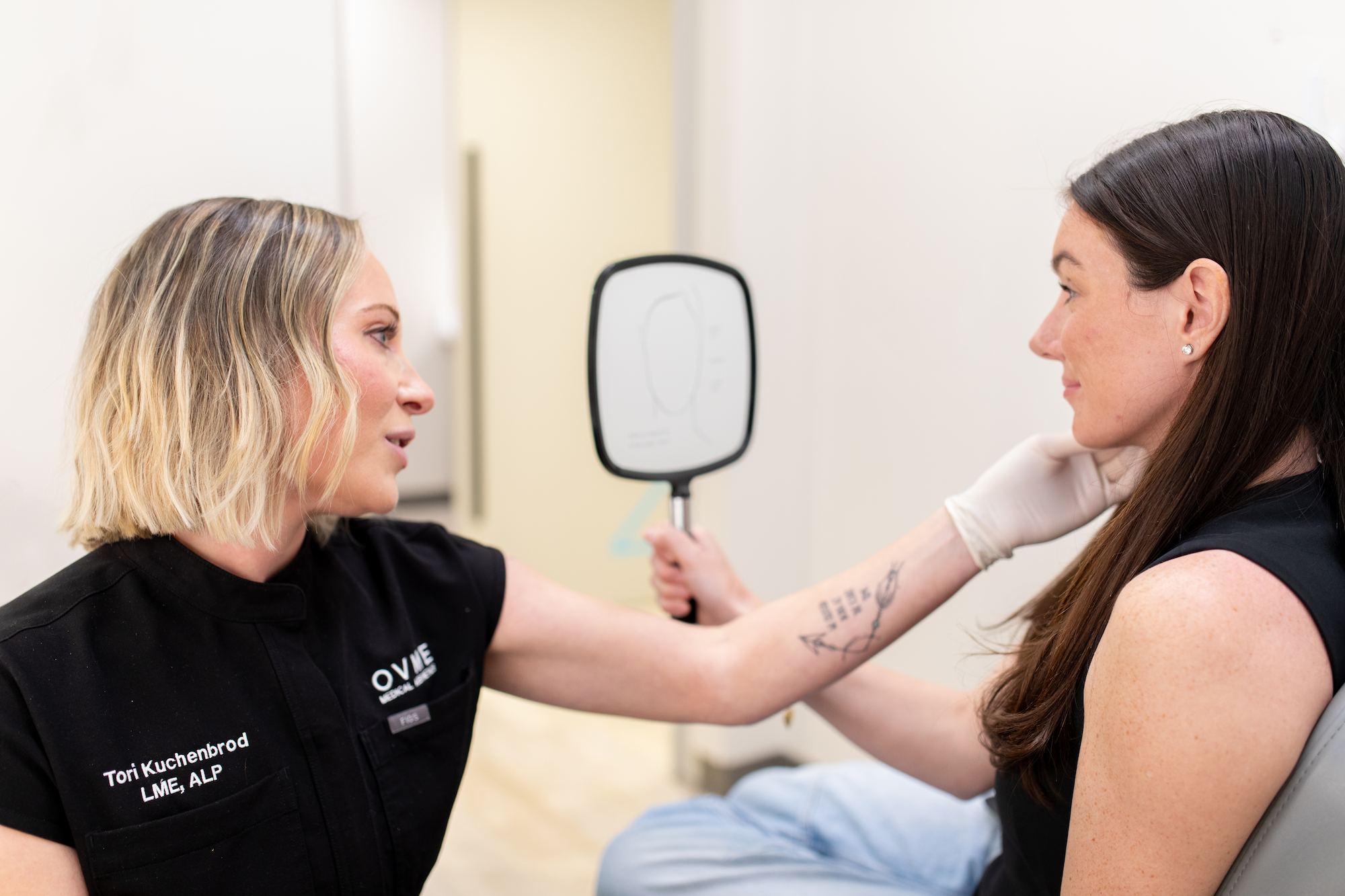
Step 4: Consult with a licensed provider. Every plan benefits from in-person assessment. A provider can see things photos can’t — how your face moves, how your skin responds to light, what’s actually driving a concern. OVME’s complimentary consultations are designed for exactly this conversation.
As OVME providers often put it: “Not everyone ages the same; therefore by having a consultation, we are able to create a personalized plan specifically addressing the areas in which that individual is aging.”
Realistic Expectations: Results, Timing, and Maintenance
The honest answer to “how long will this take?” depends on what you’re doing.
Treatment category |
When you’ll see results |
How long results last |
|---|---|---|
|
Neuromodulators (Botox®, Dysport®) |
3-7 days |
3-4 months |
|
HA dermal fillers |
Same day |
6-18 months |
|
Sculptra® biostimulator |
3-6 months |
Up to 2 years |
|
SkinVive® skin booster |
2-4 weeks |
About 6 months |
|
RF microneedling, HALO laser, BBL® |
1-6 months (results build) |
12+ months with maintenance |
|
Chemical peels, treatment facials |
Same day to 1-2 weeks |
Weeks to months |
Most patients who maintain a facial rejuvenation plan settle into 3 to 4 provider visits per year. The cadence isn’t arbitrary — it matches the natural rhythm of how each treatment fades and rebuilds. Individual results may vary, and your provider tailors the timeline to your specific plan.
When to Start
There isn’t a universal “right age” to start facial rejuvenation. According to the 2024 AAFPRS Annual Trends Survey, approximately 32% of facelift cases now involve patients aged 35-55 — a trend that reflects broader interest in earlier, preventative approaches across non-surgical treatments too.
Here’s how most providers think about life-stage matching:
-
Mid-20s to early 30s: Preventative neuromodulators for areas of strong muscle movement. Foundation skincare and SPF habits. Occasional surface treatments.
-
Mid 30s to 40s: Targeted volume restoration as needed. First energy-based treatments for collagen support. Continued neuromodulators.
-
50s and beyond: Combination plans that address volume, skin quality, and surface together. Biostimulators like Sculptra® for longer-duration collagen support.
The goal isn’t to stop time. It’s to support your skin’s natural processes and address visible changes that bother you, on your timeline.
Where to Start: A Complimentary Consultation
The starting point for any facial rejuvenation plan is a complimentary consultation with a licensed provider — a registered nurse, nurse practitioner, or physician assistant, all supervised by OVME’s board-certified plastic surgeon medical directors.
For a deeper view of how a personalized plan turns visible results into lasting confidence and wellbeing, see OVME’s guide to the impact of facial aesthetics beyond appearance.
Find your nearest OVME location or download the OVME app to book.
Where to Go Deeper
This article is intentionally a pillar — wide rather than deep. For more on the specific treatments and decisions:
-
The full wrinkle reduction treatments guide covers expression lines and the treatment options that address them
-
The skin tightening guide focuses on laxity and skin firmness
-
The Dysport® vs. Botox® comparison helps with the neuromodulator decision
-
The best injectables for wrinkles guide ranks the options for movement-driven lines
-
The best injectables for facial rejuvenation guide covers the broader injectable strategy
-
The best injectable filler brands guide breaks down brand-by-brand differences
Frequently Asked Questions
What is facial rejuvenation and who is it for?
Facial rejuvenation is a category of cosmetic treatments designed to restore a more rested, refreshed appearance to the face — addressing volume loss, fine lines, skin laxity, and surface quality. It’s not a single procedure but a personalized combination of treatments drawn from neuromodulators, dermal fillers, biostimulators, skin boosters, and energy-based devices. The right candidates are adults, typically 25 to 55+, who want to look refreshed and prefer non-surgical options.
Can facial rejuvenation treatments slow down the natural aging process?
Facial rejuvenation treatments don’t slow aging at the biological level, but they can meaningfully soften the visible signs of aging — wrinkles, volume loss, skin laxity, surface texture. Treatments like Sculptra® and RF microneedling also support long-term skin health by stimulating collagen production. The most natural-looking results come from consistent, layered care over time rather than one-off interventions.
What’s the best non-invasive facial rejuvenation treatment for someone in their 50s?
There’s no single answer because the right plan depends on your specific concerns. For most patients in their 50s, a personalized combination addresses volume loss (dermal fillers, Sculptra®), expression lines (Botox® or Dysport®), surface quality (HALO laser, RF microneedling, BBL® photofacial), and skin texture (Skinvive®, chemical peels). A complimentary consultation with a licensed provider is the most reliable way to determine the right starting point.
How long does facial rejuvenation last?
Duration varies by treatment category. Neuromodulators typically last 3 to 4 months. Hyaluronic acid dermal fillers last 6 to 18 months depending on placement. Sculptra® collagen-building results can last up to 2 years. Energy-based treatments like RF microneedling and HALO laser deliver results that build over 3 to 6 months and last 12+ months with maintenance. Skinvive® skin booster results last about 6 months.
How much does facial rejuvenation cost?
Cost varies based on the specific treatments selected, the number of sessions, and your geographic location. OVME offers complimentary consultations to build a personalized plan and provide transparent pricing before any treatment is booked.
How does OVME approach facial rejuvenation?
OVME offers a comprehensive non-surgical facial rejuvenation menu — injectables, biostimulators, energy-based treatments, and skin boosters — across 27+ boutique studio locations. Every plan starts with a complimentary consultation where a registered nurse, nurse practitioner, or physician assistant assesses your specific concerns and goals, all under the supervision of OVME’s medical directors, who are board-certified plastic surgeons.
Individual results may vary. Consult with a licensed provider to determine if these treatments are right for you.
Keep on reading