5 Expert-Approved Treatments for Wrinkle Reduction
If you’ve spent any time researching wrinkle reduction, you’ve probably encountered a long list of treatments — Botox, fillers, microneedling, laser resurfacing, chemical peels — and walked away more confused than when you started. That’s not a reflection of the treatments. It’s a reflection of how they’re usually explained.
The more useful starting point is this: different wrinkles have different causes. Lines that appear when you make an expression are driven by muscle movement. Lines that stay visible when your face is at rest reflect collagen loss and volume change. Surface texture and skin quality are a third category altogether. Each calls for a different approach.
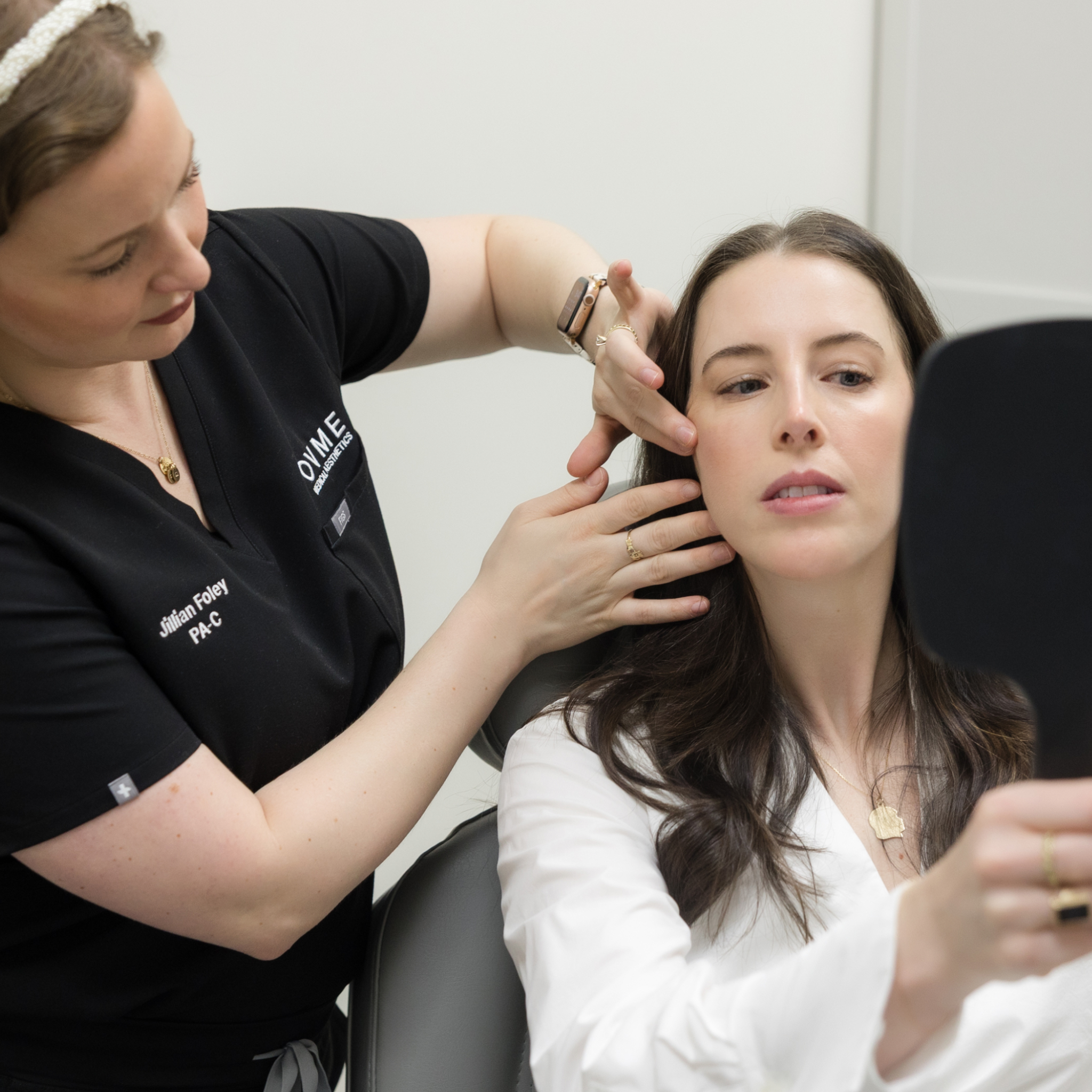
This is how experienced providers think about wrinkle reduction — not “which treatment is best,” but “which treatment is right for this specific concern.” At studios like OVME, where the full menu of treatments is available and providers are trained across all of them, that question gets answered based on your anatomy — not on what a studio happens to specialize in. All treatments are performed by licensed medical professionals, including registered nurses, nurse practitioners, and physician assistants.
Here are 5 wrinkle reduction treatments experts recommend, organized by the specific concern each one is designed to address.
1. Botox®/Dysport® — For Dynamic Wrinkles and Expression Lines
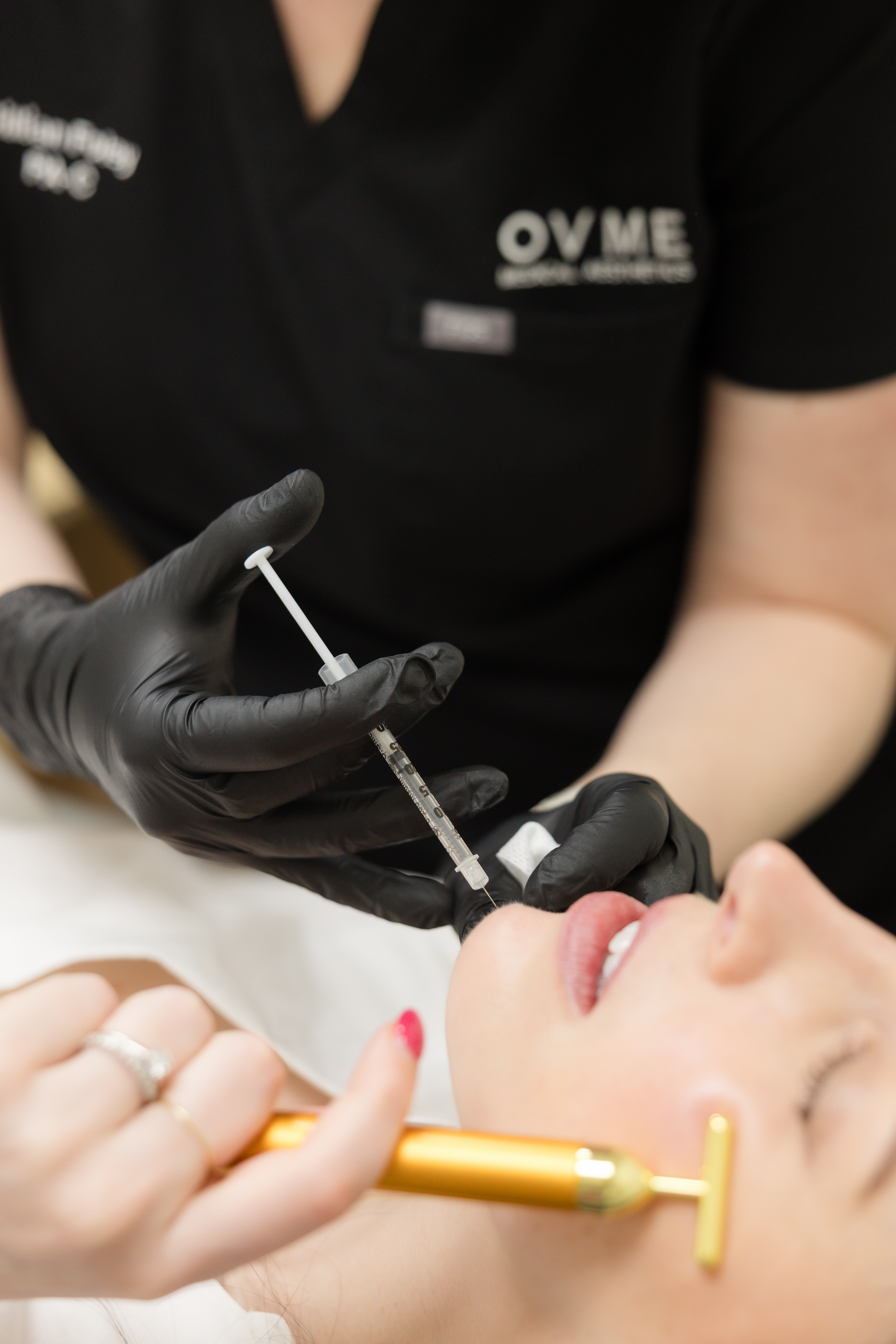
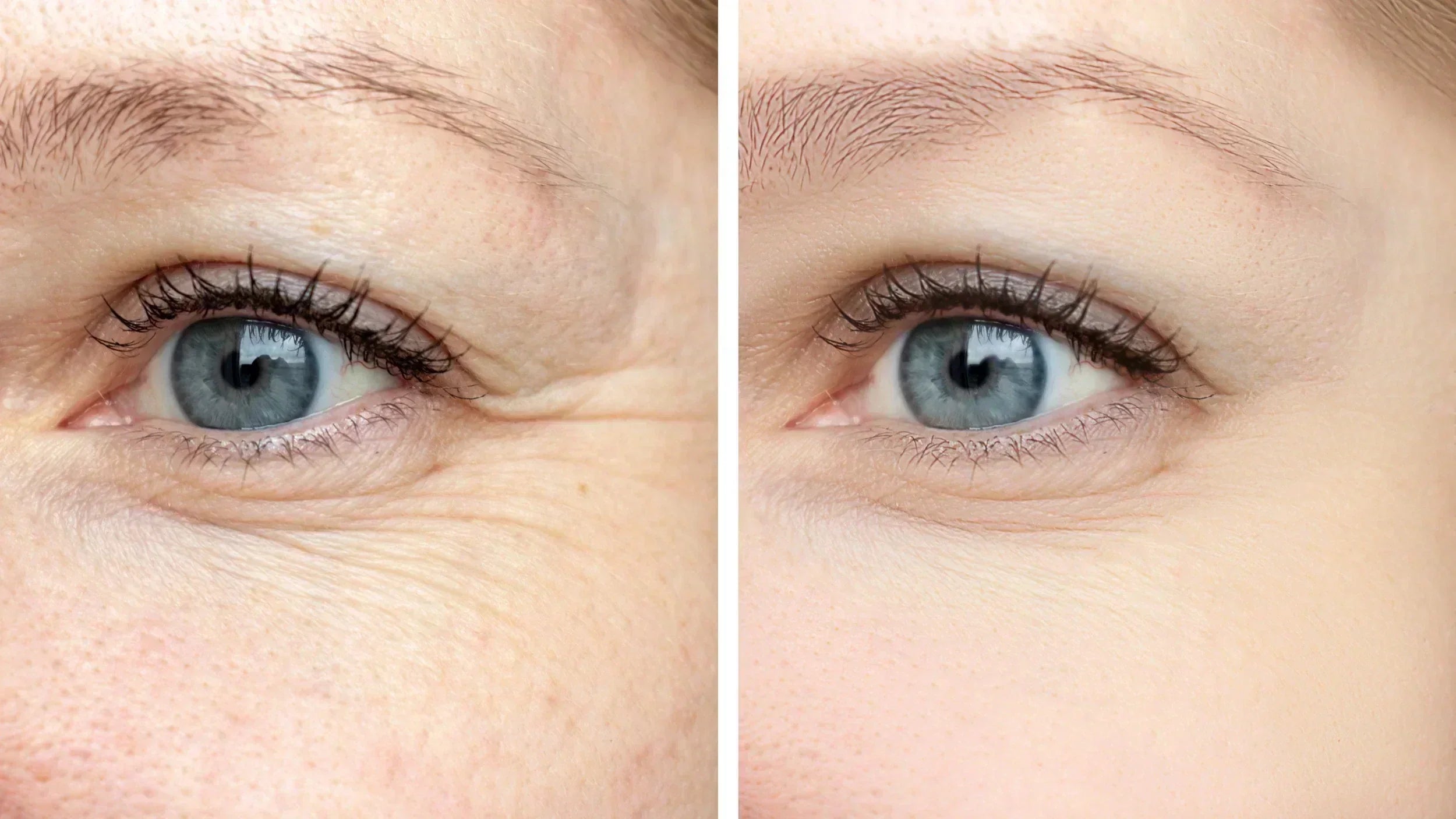
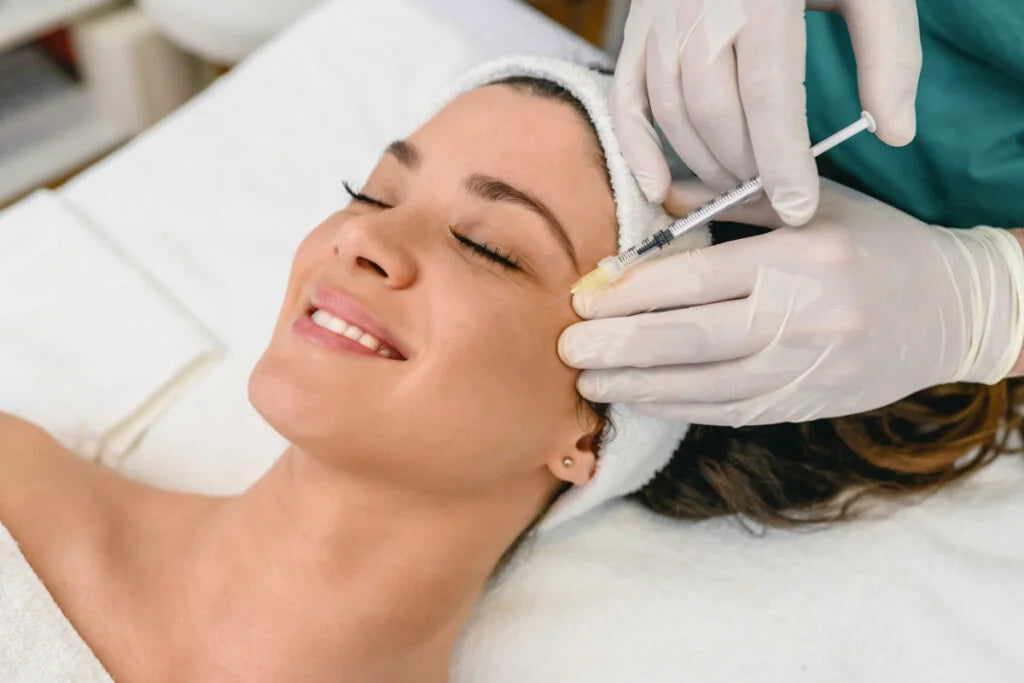
Dysport® is a neuromodulator — it works by temporarily blocking the nerve signals that tell targeted facial muscles to contract. The muscles relax, and the expression lines that form above them soften. Lines driven by forehead movement, furrowing between the brows, or squinting at the corners of the eyes all fall into this category.
What makes Dysport distinct is speed and coverage. Results typically become visible within 2–3 days — the fastest onset in its class. In clinical studies, 95.6% of patients showed meaningful improvement in frown line severity at Day 30. Duration is typically 3–4 months, with results varying by individual.
Botox® works through the same mechanism as Dysport — temporarily relaxing the facial muscles responsible for dynamic wrinkles. Its distinguishing profile: a slightly more localized diffusion pattern, making it a preferred choice for precision areas like the crow’s feet, and a broader set of FDA approvals.
Botox is FDA-approved to temporarily improve moderate to severe frown lines, forehead lines, and crow’s feet. Onset is typically 3–7 days, with full results visible by Day 14–30 and effects lasting an average of 4–5 months. In clinical studies, 90% of patients reported being very satisfied or mostly satisfied following treatment across two upper-face areas. Individual results may vary.
For a full breakdown of how Dysport and Botox compare — including dosing, onset, and treatment area differences — see OVME’s Dysport vs. Botox guide.
Individual results may vary. Consult with a licensed provider to determine if this treatment is right for you.
Explore Botox and Dysport at OVME to learn what a treatment appointment involves.
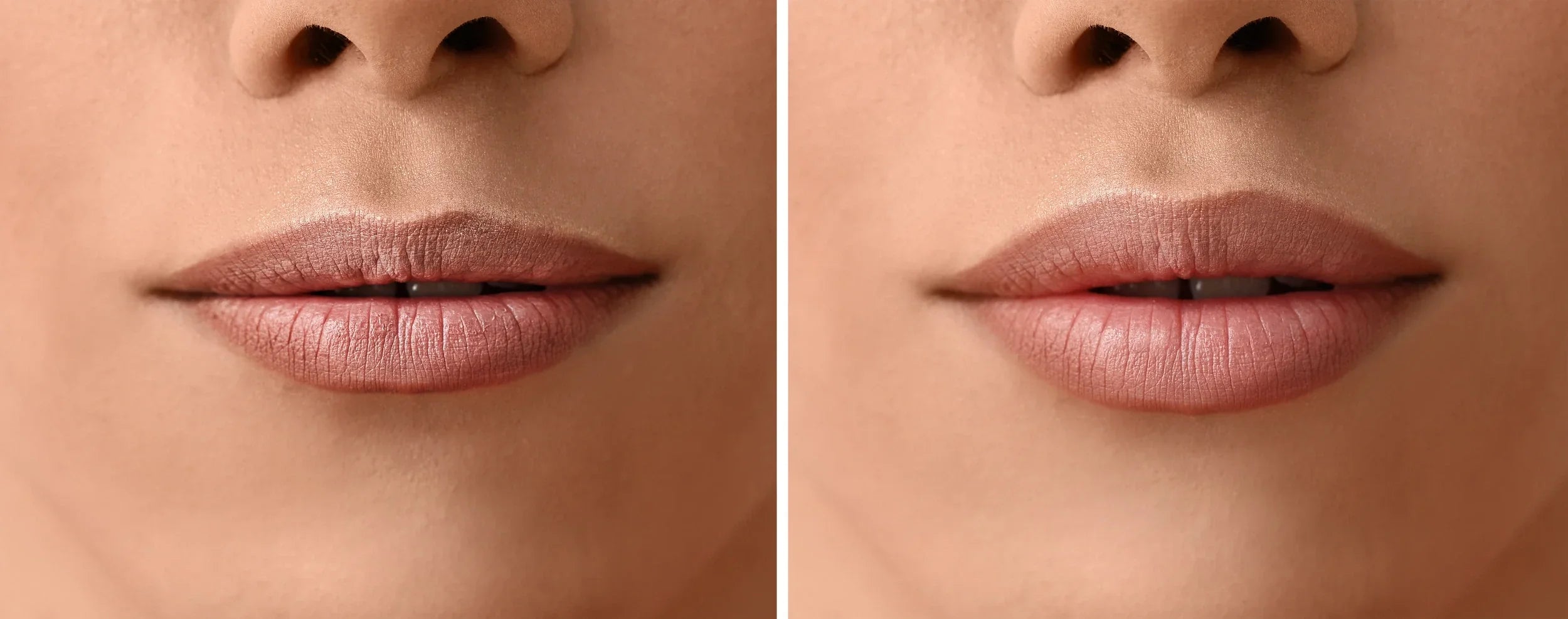
2. Dermal Fillers — For Volume Loss Leading to Static Lines
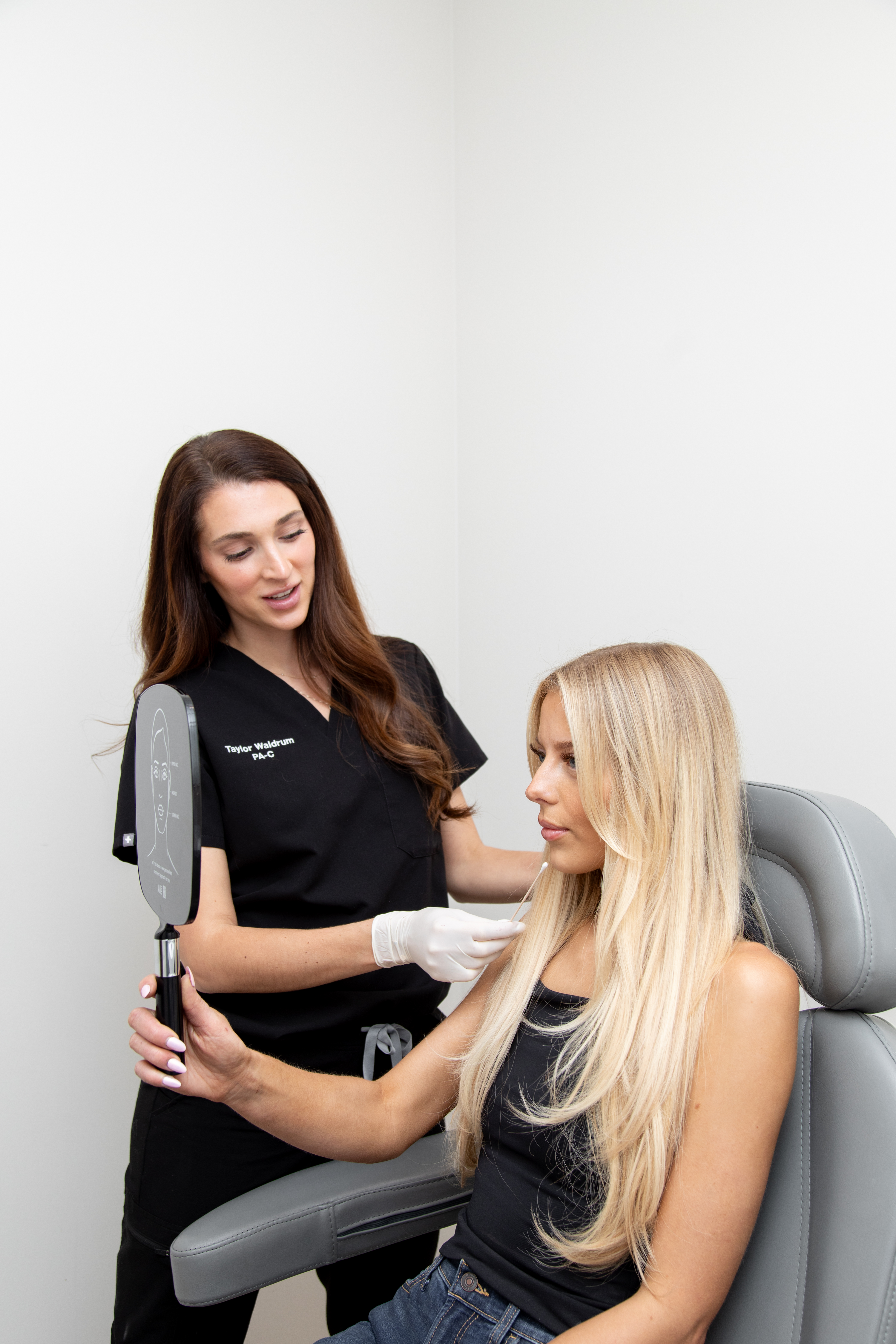
A simple mirror test helps here: make an expression, then let your face fully relax. If the lines you’re watching disappear when your face is at rest, they’re dynamic — a neuromodulator is the right starting point. If they remain visible when you’re completely relaxed, they’re static wrinkles, and filler addresses what a neuromodulator cannot.
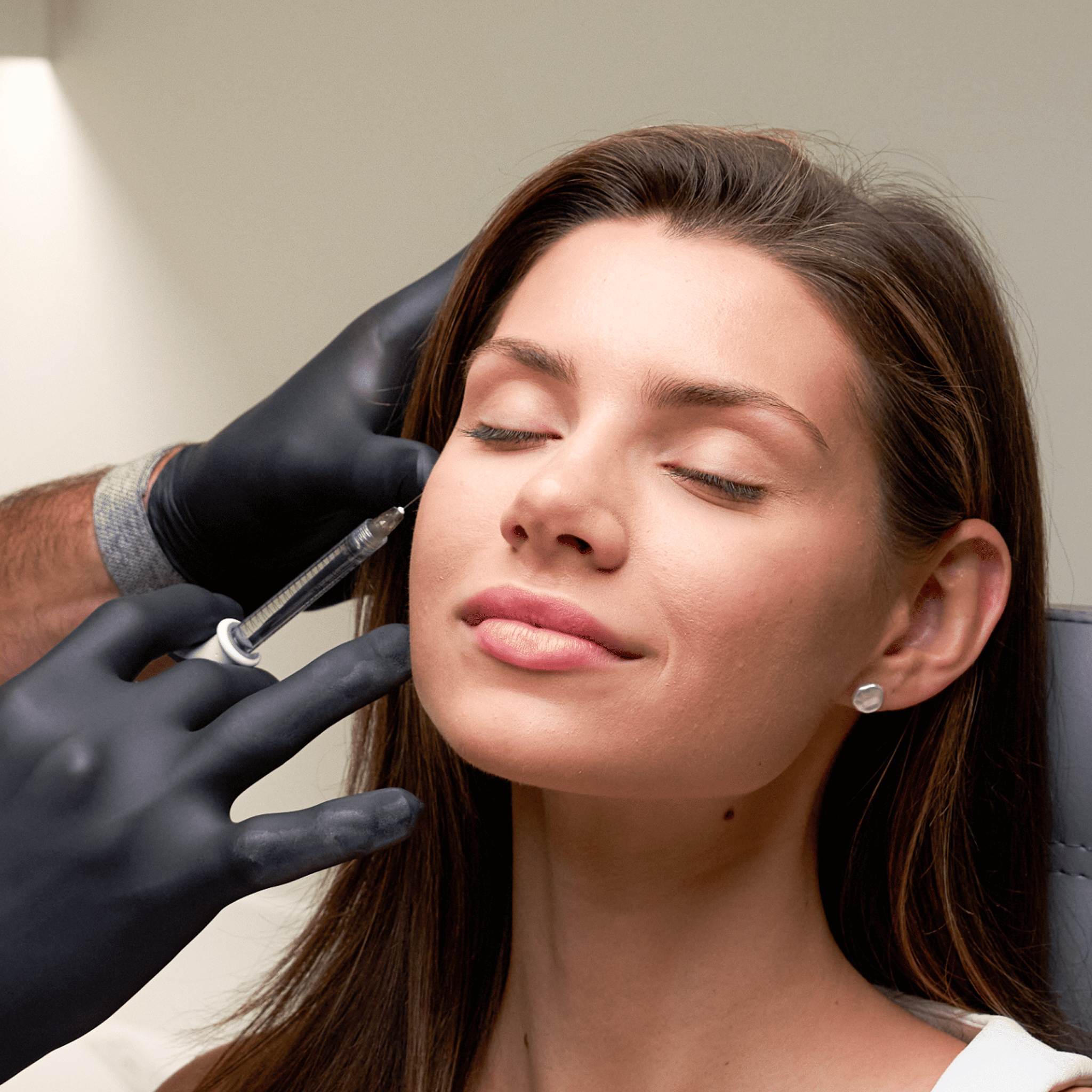
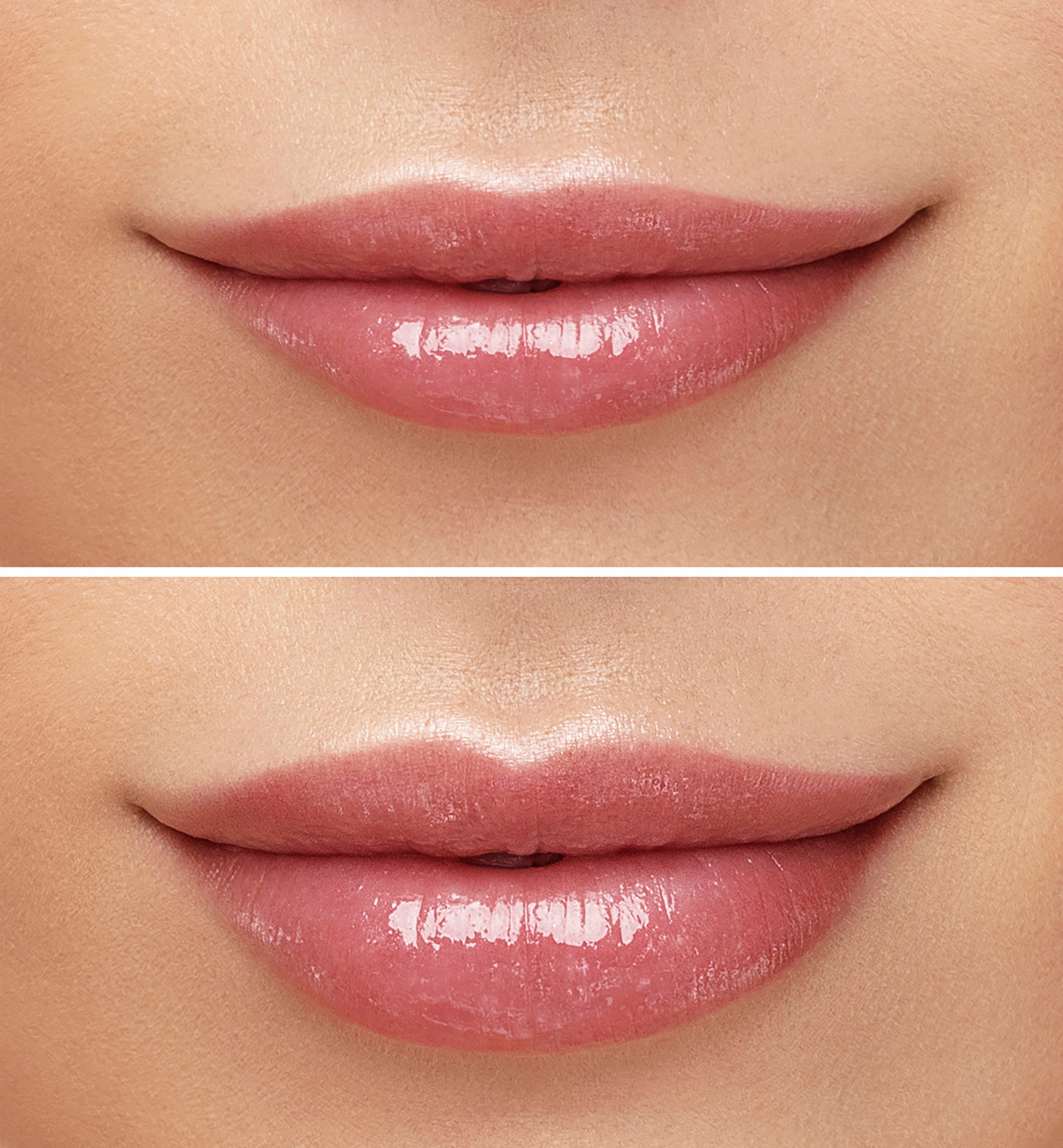
Hyaluronic acid (HA) fillers are injected beneath the skin’s surface to physically restore volume and lift static lines. HA is naturally hydrophilic — it binds water to create immediate, visible correction. Nasolabial folds, marionette lines, perioral lines, and mid-face hollowing all respond well to this approach. Clinical trials show wrinkle severity improvement in the range of 38–75% at 6 months across different HA formulations. Individual results may vary.
Duration depends on the product and treatment area: standard HA fillers typically last 6–18 months; volumizing formulations can persist up to 2 years. And because fillers and neuromodulators address different mechanisms, they’re often used together — in one clinical study, the combination showed 84.15% patient satisfaction at 6 months, higher than either treatment alone.
Explore dermal fillers at OVME to learn more about what filler treatment involves.
3. RF Microneedling — For Skin Laxity and Texture-Related Fine Lines
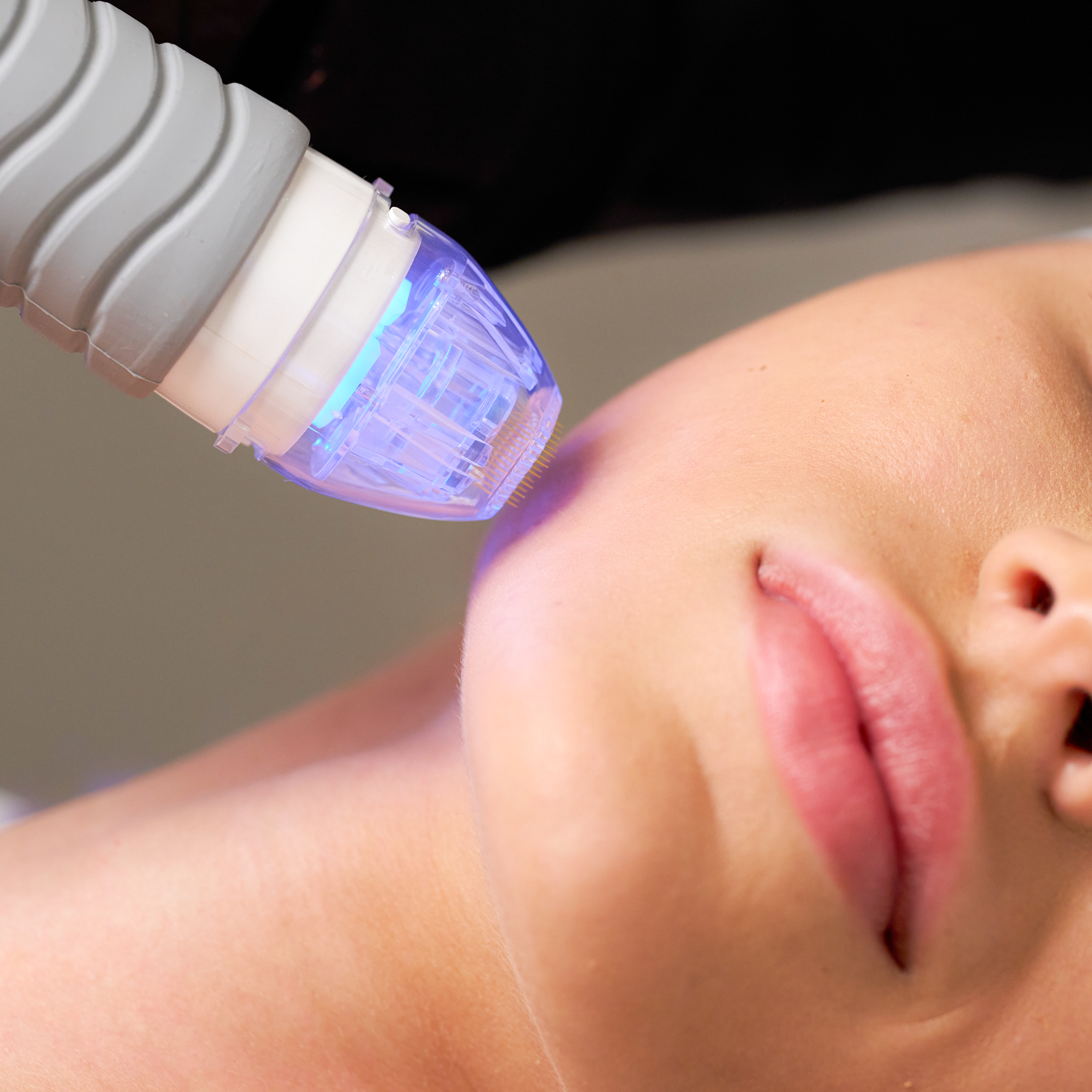
RF microneedling addresses something that injectables don’t: the structural quality of the skin itself. Insulated microneedles create controlled micro-injuries in the dermis while radiofrequency energy delivers targeted thermal stimulation at the same depth. That dual signal activates the skin’s wound-healing response — triggering new collagen and elastin production from within.
The results are a different category of improvement than you’d expect from injectables. Texture, firmness, and fine lines across the face — not just in the areas where a specific muscle happens to contract. In a 2024 clinical trial, patients showed an average 49% reduction in periorbital wrinkle severity after a treatment series. Skin thickness increased by over 40% in histological studies. Individual results may vary.
Onset is gradual — earliest effects at about one month, peak improvement at three months, with results lasting a year depending on number of treatments rendered.
Dysport vs. RF microneedling — how to decide: These aren’t alternatives; they treat different things. If your lines appear mainly when you’re making an expression, a neuromodulator like Dysport addresses them at the source. If you’re seeing laxity, texture changes, or fine lines visible across the face at rest, RF microneedling works at the structural level. Both are safe to combine — just space treatments at least 14 days apart, as same-day treatment isn’t recommended.
See RF microneedling at OVME for what a treatment series involves.
4. HALO Laser Resurfacing — For Surface Fine Lines and Sun Damage
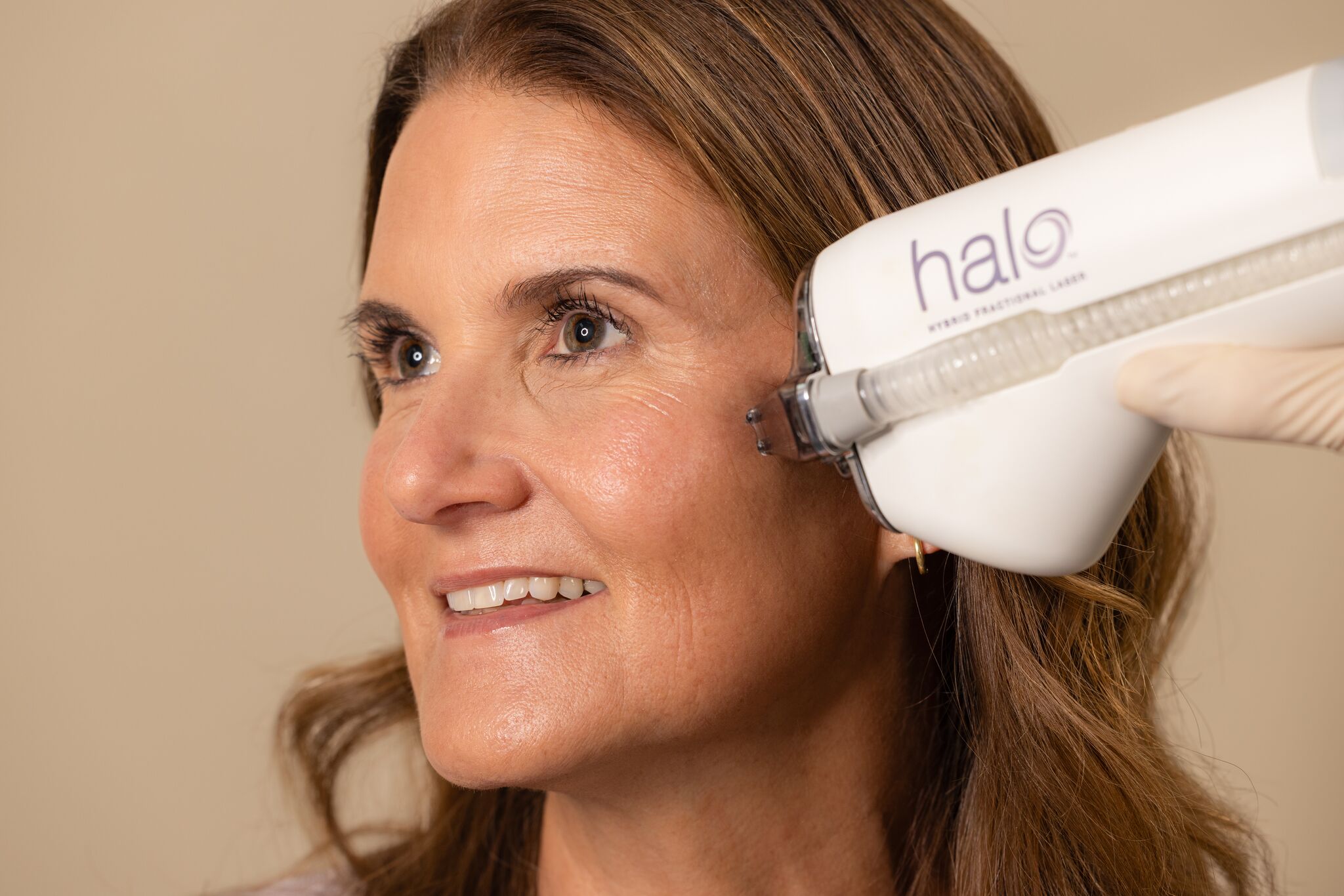
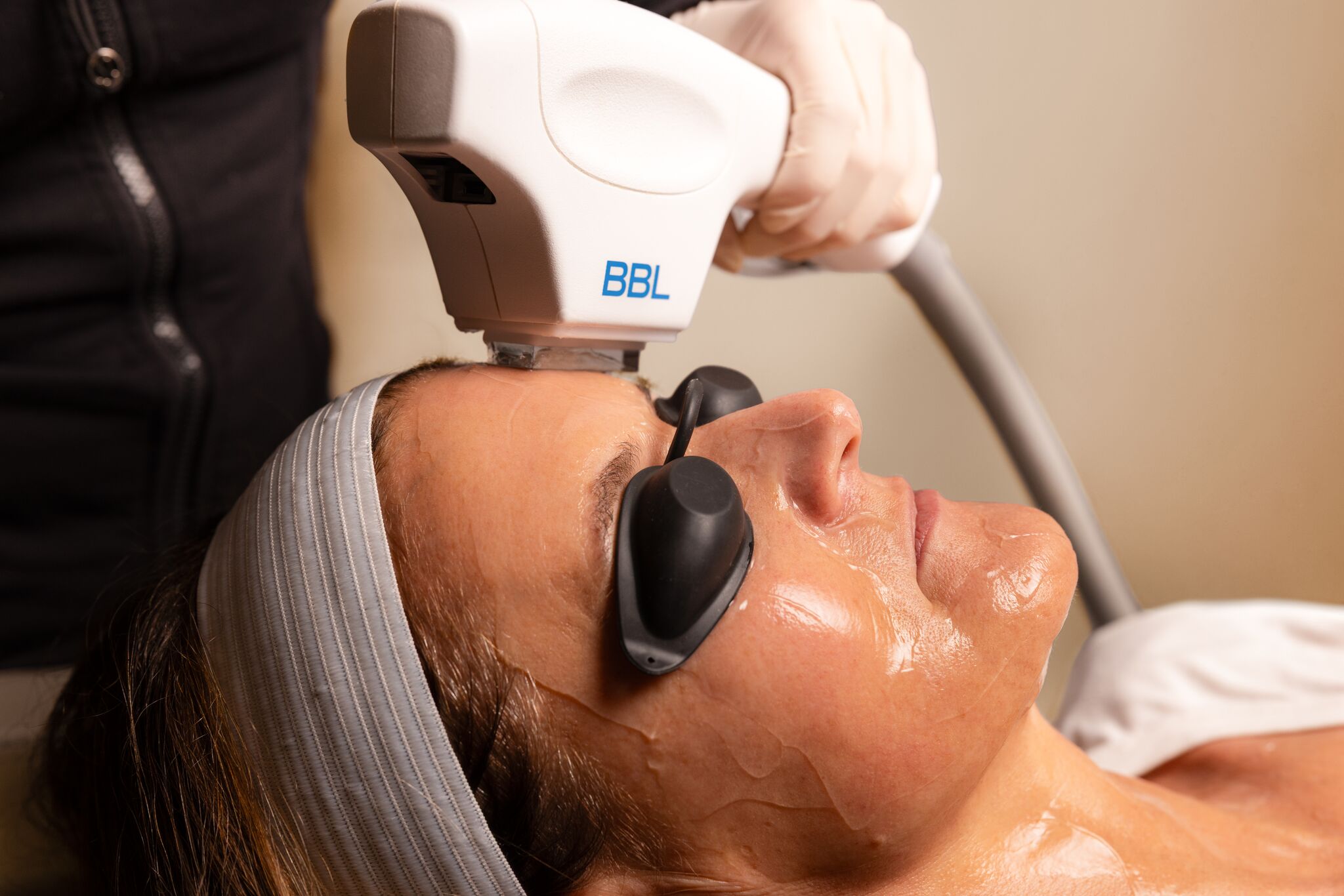
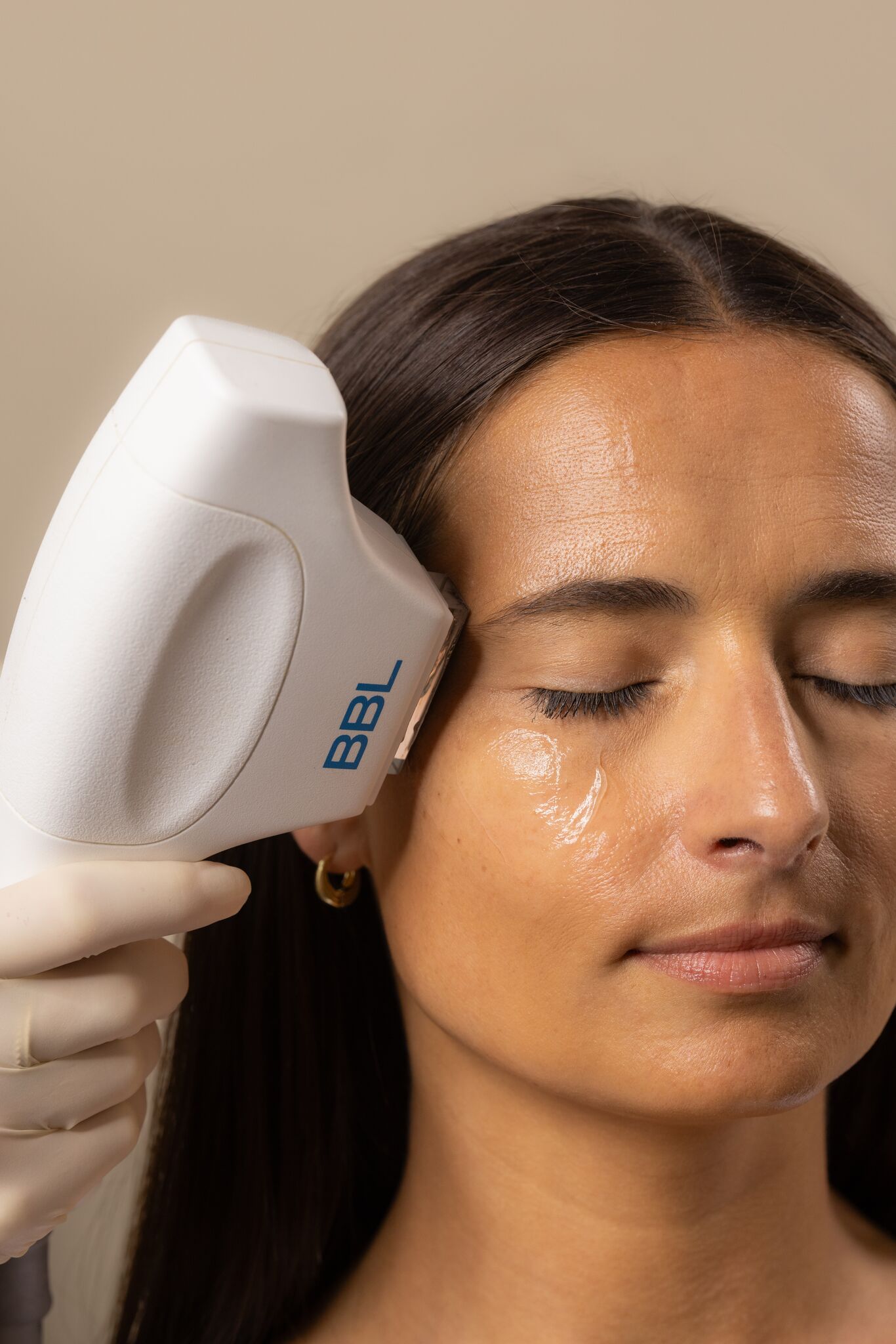
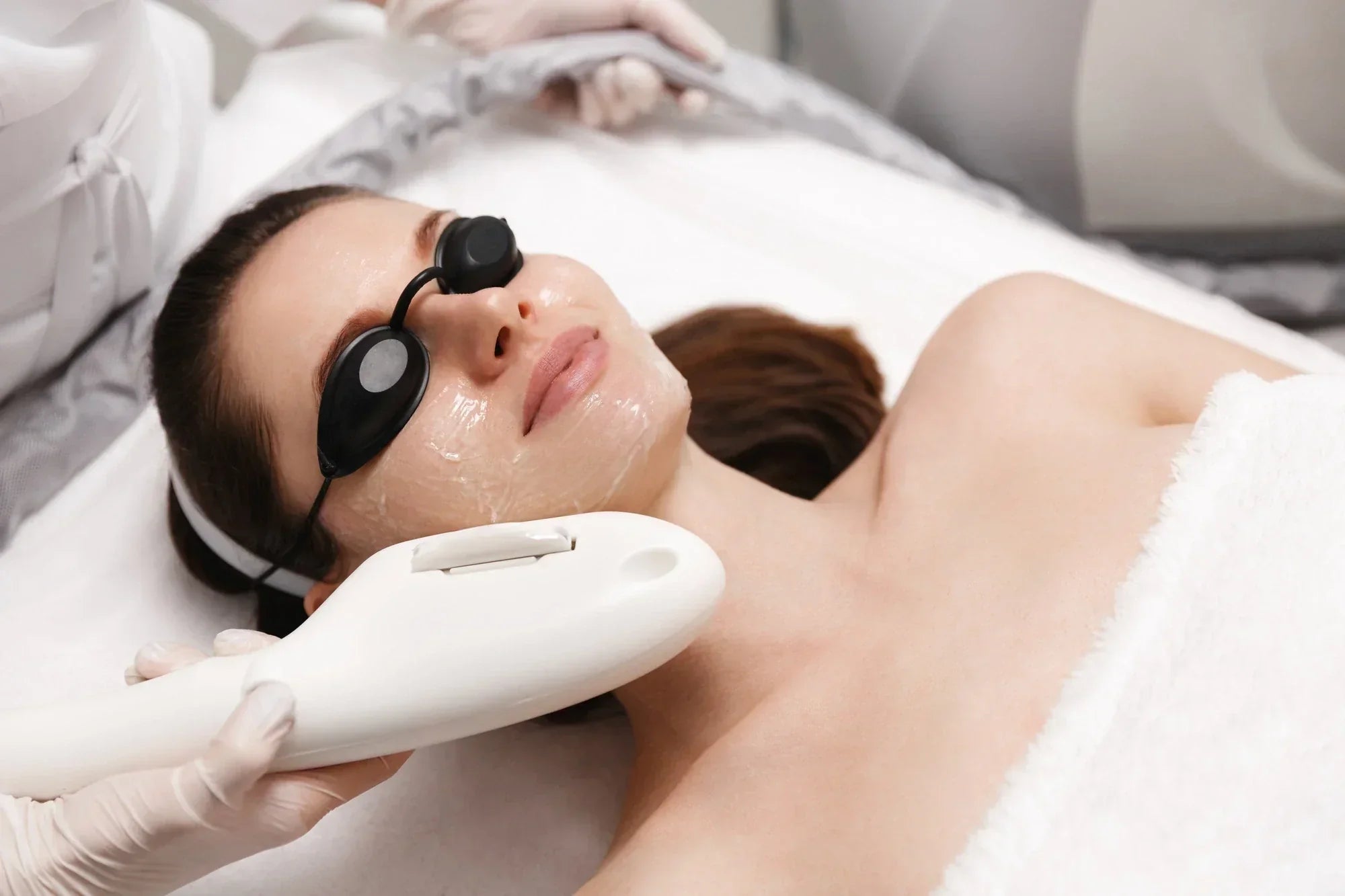
Laser resurfacing is the deeper intervention in skin rejuvenation — with the most significant single-session impact on moderate-to-severe fine lines, sun damage, and textural irregularities. At OVME, this is the HALO™ laser, a hybrid device that combines ablative and non-ablative wavelengths to resurface the skin and stimulate collagen remodeling simultaneously.
Results develop in two phases. Within 1–2 weeks, as the skin heals from treatment, initial improvements in texture and surface lines become visible. Over the following 3–6 months, progressive collagen remodeling continues — and this is when the most significant wrinkle improvement typically occurs. In multicenter clinical data, 84% of patients showed marked improvement at the 6-month follow-up (Sciton HALO clinical data; individual results may vary). With proper skincare and sun protection, those improvements can persist for several years following a single treatment.
There is a recovery period: approximately 5–7 days of redness and flaking is typical for a fractional ablative treatment. It’s a meaningful but temporary trade-off, and your provider will walk you through exactly what to expect based on your skin and treatment settings.
Explore laser resurfacing at OVME to understand the treatment in more detail.
5. Chemical Peels — For Early Fine Lines and Skin Renewal
Chemical peels apply acid solutions — to name a few, glycolic, TCA, lactic, salicylic or combination formulas — to the skin’s surface to induce controlled exfoliation and, in medium-depth applications, stimulate collagen remodeling in the dermis below. They’re one of the most accessible entry points to professional skin resurfacing: lower investment, lower perceived barrier, and well-suited for patients who are just beginning to notice early texture changes.
Superficial peels address early photoaging, mild fine lines, and rough texture with 1–3 days of mild flaking. A series of 4–6 treatments can produce 30–50% improvement in fine-line appearance. Medium-depth peels reach further — deeper wrinkle reduction and longer-lasting results, with a 5–7 day recovery.
One important distinction: chemical peels don’t address dynamic wrinkles driven by muscle movement. If you’re seeing forehead furrows or crow’s feet, that’s the neuromodulator category. Peels work on texture, tone, and early-stage surface changes — which makes them a natural starting point for someone in their 30s beginning to see the effects of sun exposure and time.
Explore chemical peels at OVME to see available peel formulations.
Which Wrinkle Reduction Treatment Is Right for You?
The answer depends on your wrinkle type, your skin’s current condition, and your goals. This table is a starting point — not a prescription. An in-person provider assessment is where the real recommendation happens.
|
Treatment |
Best for |
Results |
Duration |
Sessions |
Downtime |
|
Dysport® |
Expression lines — forehead, frown, crow’s feet |
14 days |
3–4 months |
1 (every 3–4 mo) |
Minimal |
|
Botox® |
Forehead lines, frown lines, crow’s feet |
14 days |
3-4 months |
1 (every 3-4 mo) |
Minimal |
|
Dermal filler |
Static lines, nasolabial folds, volume loss |
Immediate |
6–18+ months |
1–2 per year |
2–7 days |
|
RF microneedling |
Skin laxity, texture, periorbital fine lines |
~1 month |
1 year |
3 (series) |
1–3 days |
|
HALO Laser resurfacing |
Sun damage, surface fine lines, full-face texture |
1–2 weeks |
1 year |
1–3 |
5–7 days |
|
Chemical Peels |
Early texture changes, photoaging, surface fine lines |
1–3 days |
4–6 months |
Series of 4–6 |
1–7 days |
Individual results may vary. Consult with a licensed provider to determine which treatment is right for you.
When Should You Start Wrinkle Reduction Treatments?
Whenever you feel ready to start!
In the late 30s, most fine lines are still dynamic — visible mainly during expressions rather than permanently etched into the skin. This distinction matters. A line that hasn’t yet become static is easier to address: a neuromodulator can relax the muscle activity driving it before the crease becomes fixed. A 2025 systematic review confirmed that early botulinum toxin application may reduce muscle hyperactivity over time and help minimize the development of static lines. Starting earlier doesn’t necessarily mean doing more — it often means doing less, more strategically.
For skin quality at this stage, RF microneedling and regular chemical peels support collagen production before significant loss accumulates. The goal isn’t correction — it’s maintaining what you already have while it’s still easy to do so.
If you’re starting to notice fine lines, you’re not behind. You’re actually at a good time to have a real conversation about what’s worth addressing now and what can wait.
"For first-time patients in their late 30s, my approach is always holistic — meaning we are not just assessing wrinkles, but overall skin quality, volume loss, facial balance, and at-home skincare regimens. We often combine neuromodulators like Botox or Dysport with skin-focused treatments like medical-grade skincare, microneedling, or lasers. In our late 30s it is also common to start small amounts of strategically placed filler or collagen biostimulators like Sculptra to preserve contours and skin quality. The most natural results take into account facial aging layer by layer and a combination of treatments to keep you looking yourself, just refreshed." — Kate Baber, MSN, FNP-C
The Right Treatment Starts With the Right Conversation
Wrinkle reduction is not one thing. Dysport® and Botox® relax the muscles driving expression lines. Dermal fillers restore what volume loss has taken. RF microneedling and HALO laser resurfacing rebuild collagen at the structural level. Chemical peels address what’s happening at the surface. Each has a specific job — and the most effective approaches use them in combination, matched to your skin’s actual concerns.
At OVME, every one of these treatments is available across 27+ studio locations nationwide. Find an OVME location near you to start the conversation.

Frequently Asked Questions
What are the most effective treatments for reducing wrinkles without surgery?
The most clinically supported non-surgical options span three categories: neuromodulators (Dysport®, Botox®), which relax the muscles that cause expression lines; dermal fillers, which restore volume and smooth lines that are visible at rest; and energy-based resurfacing treatments like RF microneedling and laser resurfacing, which stimulate collagen production for longer-term skin quality improvement. The most effective approach for most people combines modalities — matching the right treatment to the specific type of wrinkle rather than relying on any single option. Individual results may vary; a consultation with a licensed provider is the right place to start.
Is Botox/Dysport or dermal fillers better for forehead lines?
For most people, Botox® is the first-line treatment for forehead lines — they’re dynamic wrinkles caused by the frontalis muscle contracting when you raise your eyebrows. Botox relaxes that muscle, allowing the skin above to smooth. Dermal fillers address static wrinkles and volume loss, and are better suited to nasolabial folds, under-eye hollows, and deeper creases that remain visible at rest. Individual results may vary; an in-person assessment is the most reliable way to determine the right approach for your specific anatomy.
I’ve been considering Botox/Dysport or RF microneedling — how do I decide which one is better for me?
These treatments address different mechanisms, so they’re not really competing options. Botox/Dysport® temporarily relaxes the muscles driving expression lines — results appear in 2–3 days and last around 3–4 months depending on product used. RF microneedling stimulates collagen and elastin production through controlled thermal and mechanical stimulation — results develop over 1–3 months and can last a year depending on number of treatments rendered. If your lines appear mainly when you’re making an expression, Botox/Dysport addresses them at the source. If you’re seeing laxity, texture changes, or fine lines visible at rest, RF microneedling targets those concerns at the structural level. Many patients benefit from both treatments, spaced at least 14 days apart. Individual results may vary.
How long does it take to see results from laser resurfacing for wrinkles?
Laser resurfacing results develop in two phases. Initial visible improvement — smoother texture and reduced surface lines — typically appears within 1–2 weeks as the skin heals from treatment. Progressive collagen remodeling then continues for 3–6 months, and most patients see their most significant wrinkle improvement during this period. In clinical studies, 84% of patients showed marked improvement at the 6-month follow-up, and results can persist for several years with consistent skincare and sun protection. Individual results may vary.
What wrinkle treatments does OVME recommend for someone in their late 30s just starting to see fine lines?
In the late 30s, most fine lines are still dynamic — visible mainly during expressions rather than permanently set into the skin. Neuromodulators like Dysport® or Botox® at this stage can relax those muscles before lines become static. Many providers also recommend pairing injectables with RF microneedling to support early collagen production and address texture changes. The right approach depends on your specific skin, the areas you’re noticing changes, and your goals. At OVME, the conversation starts with a complimentary consultation — no pressure, no one-size protocol. Individual results may vary.
Medically reviewed by: Iman Shamloul, Senior Director, Clinical Talent Development
Last medically reviewed: March 27, 2026
Keep on reading