BBL Laser Treatment: What It Treats, What It Costs, and When to Book
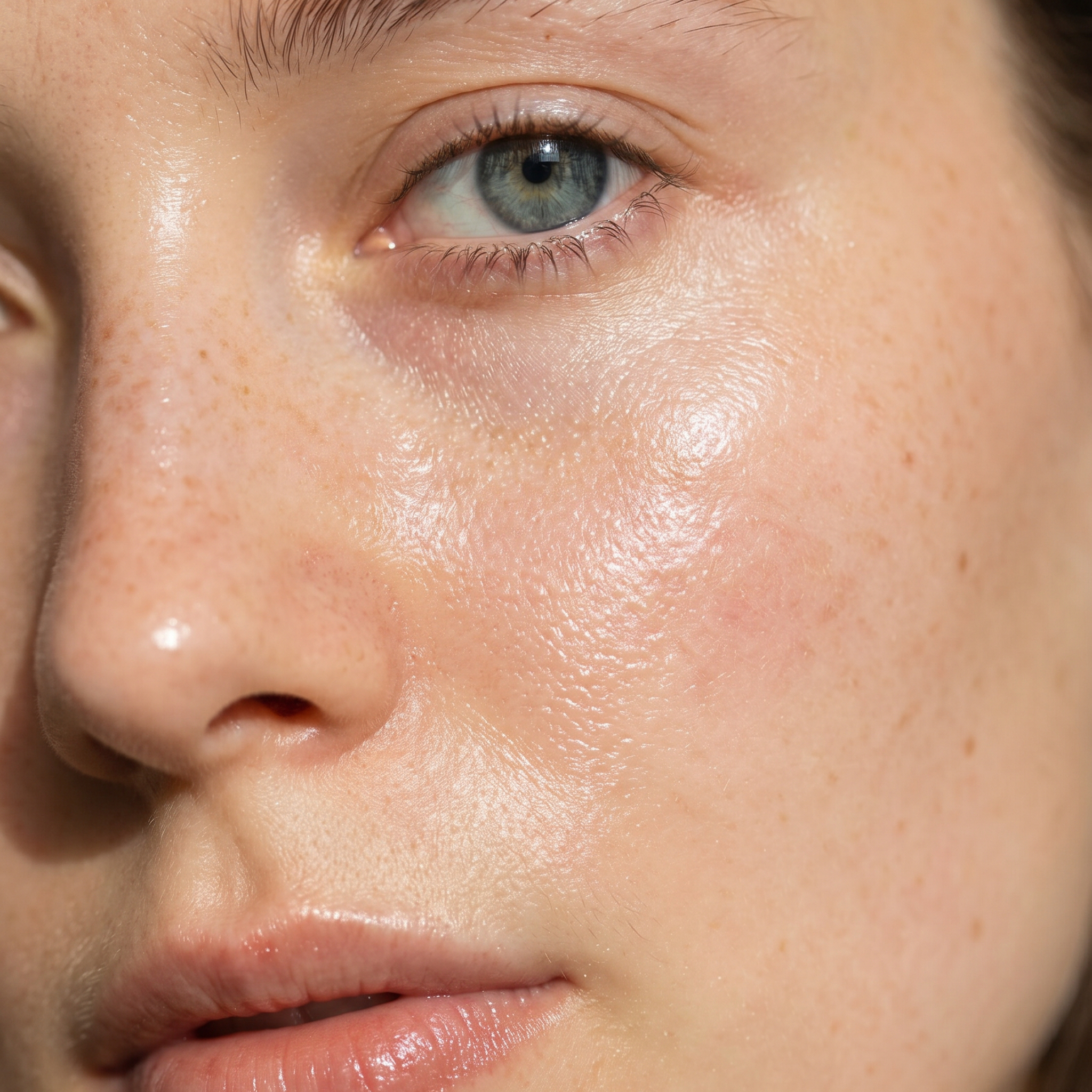
Summer sun damage tends to show up all at once—usually in September, once the tan fades. What’s left behind is uneven tone, new spots that weren’t there in May, and redness that just won’t settle.
That’s why autumn is when this treatment makes the most sense. Here’s what a BBL® photofacial treats, what the evidence behind it shows, what it costs, and why the months after summer are the window providers point to.
What a BBL Photofacial Treats
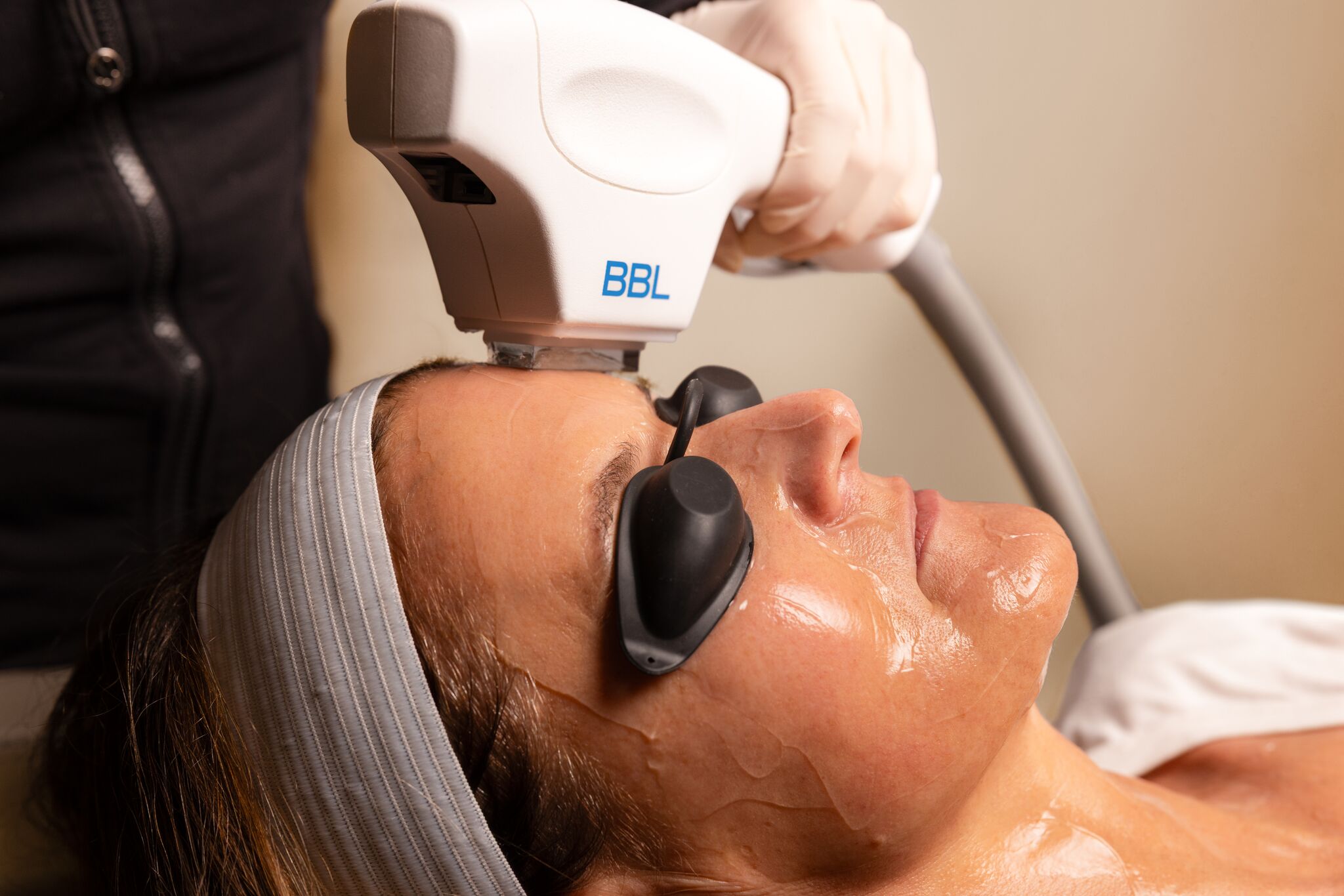
A BBL® photofacial targets melanin and hemoglobin, the pigment and blood in your skin. Those two account for most of what people dislike about sun-exposed skin, which is why one treatment covers a wide range of concerns:
-
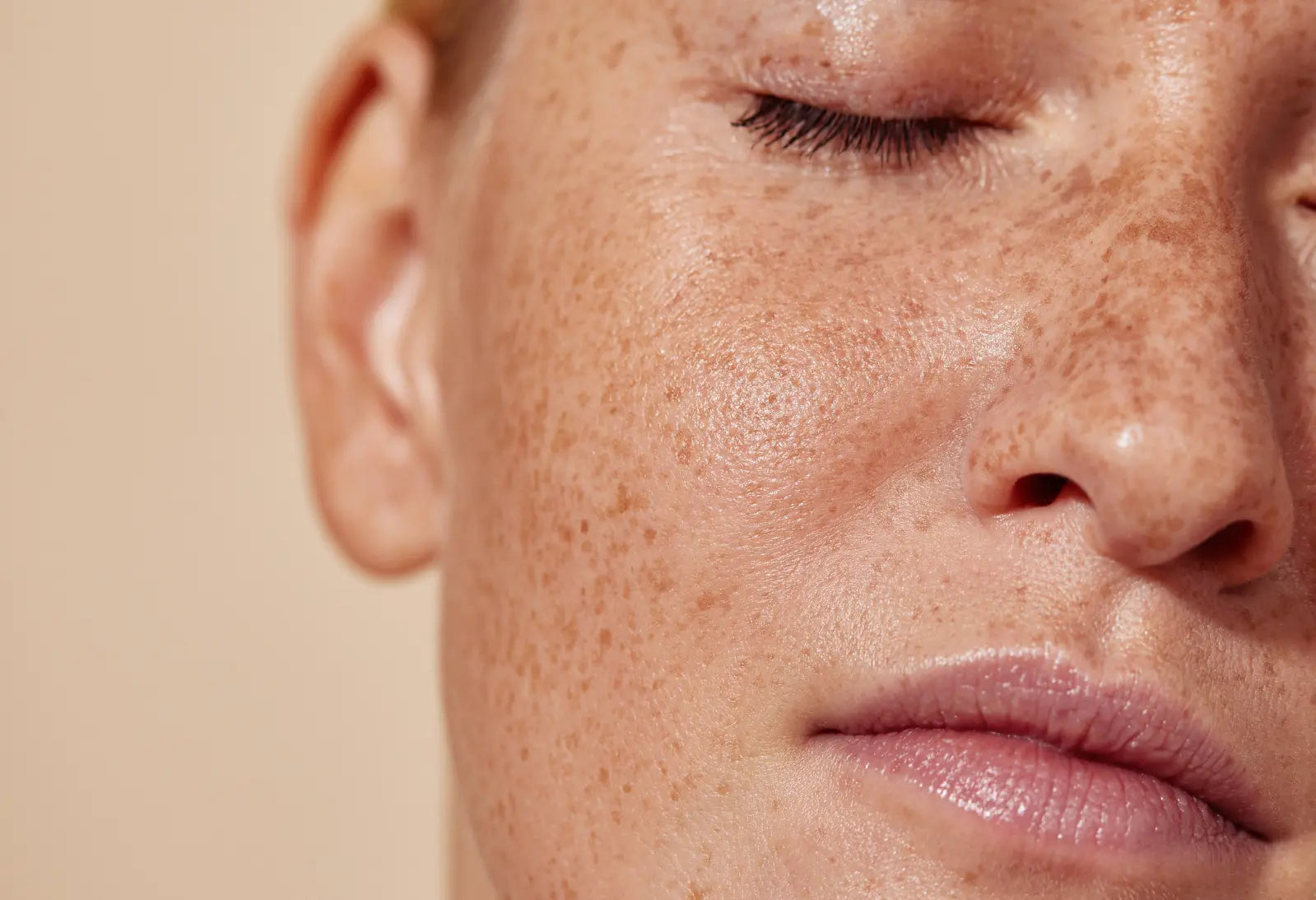
Brown spots and patches, including freckling that has spread and darkened over years
-
Diffuse redness across the cheeks and nose
-
Visible vessels, the fine red threads that surface with age and sun exposure
-
Overall tone, which evens out as both the brown and the red are addressed together
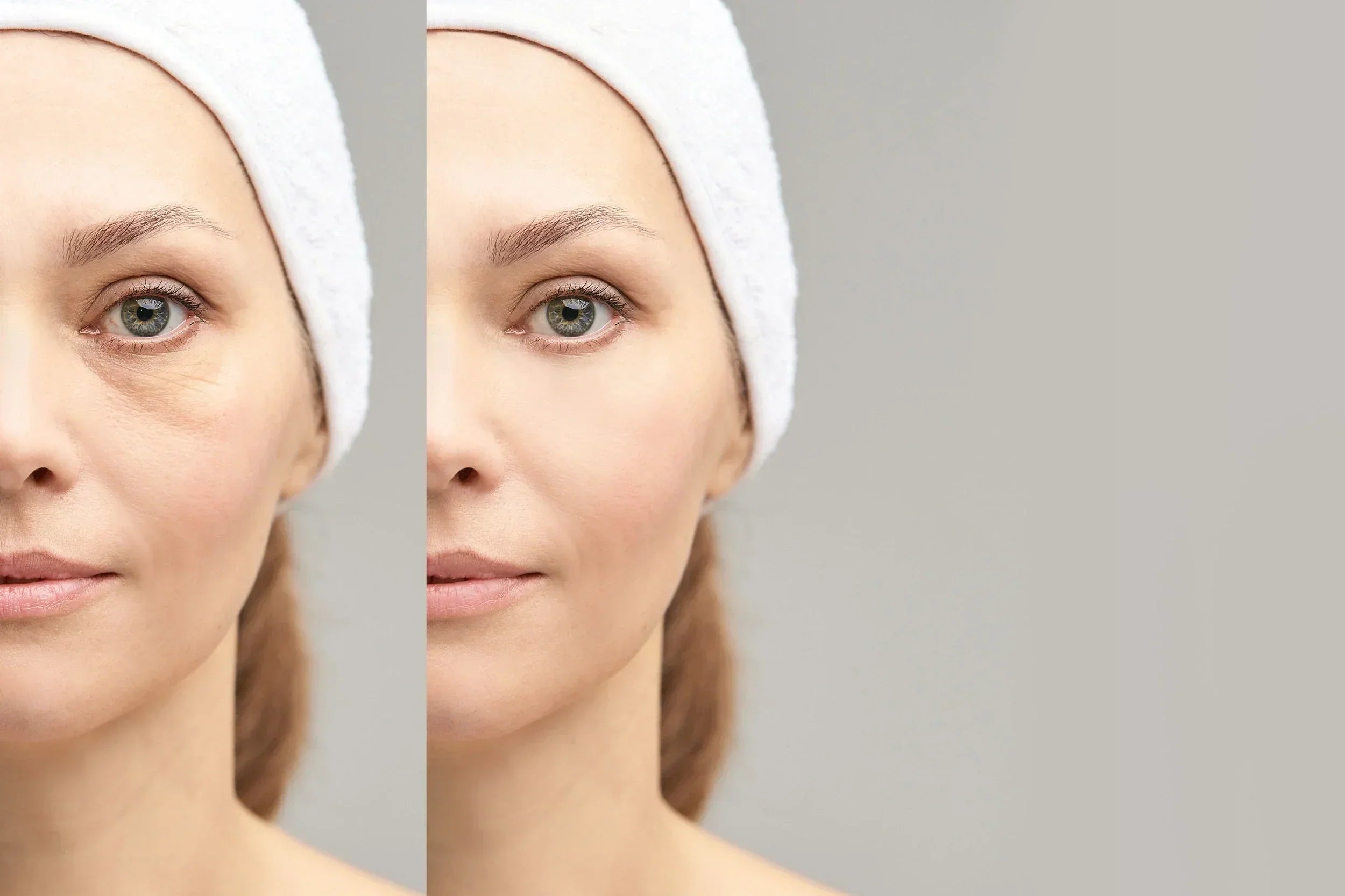
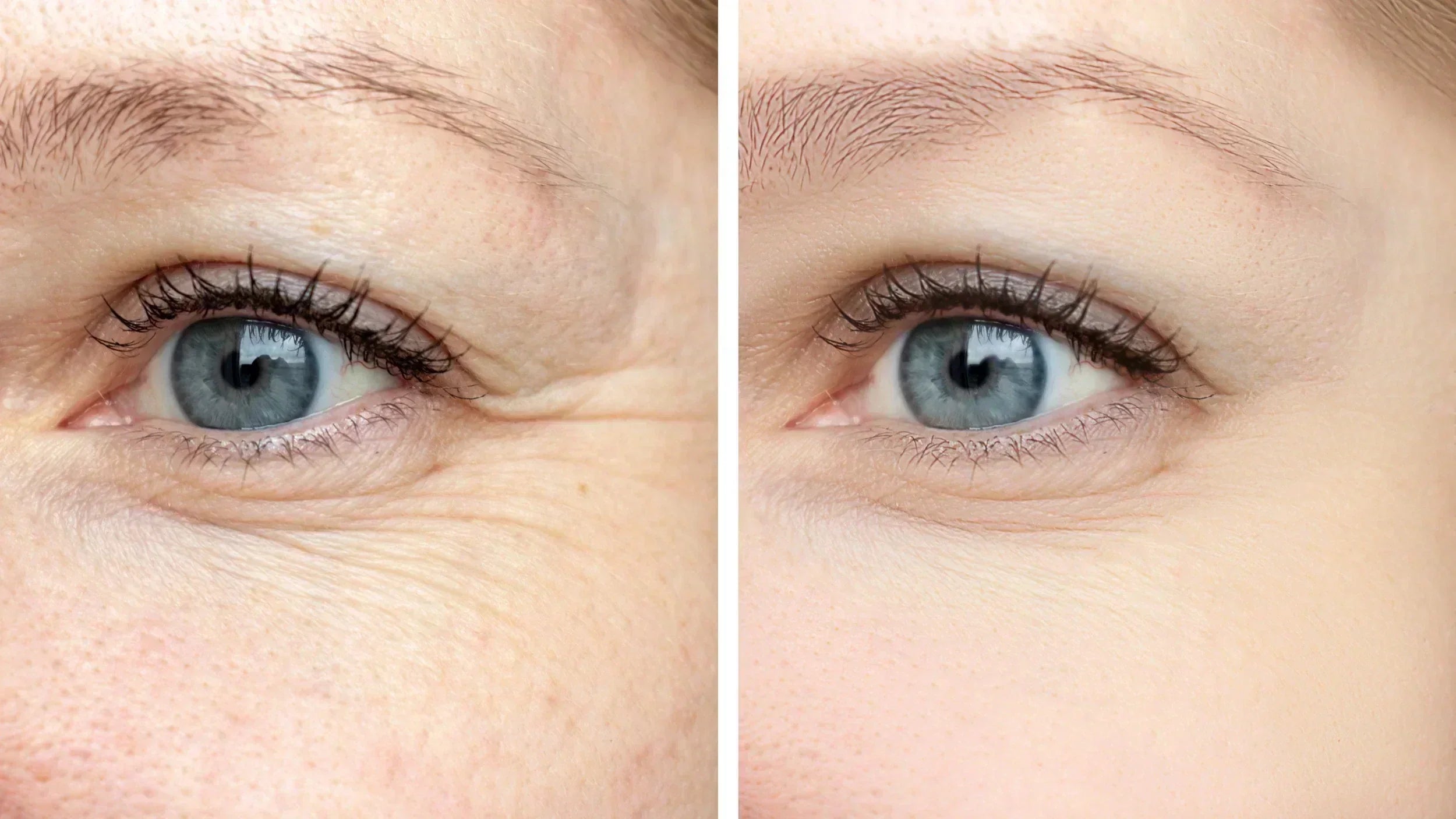
One session addresses several of these concerns at the same time rather than one at a time. Photofacial before-and-after results shows how that progresses across a series.
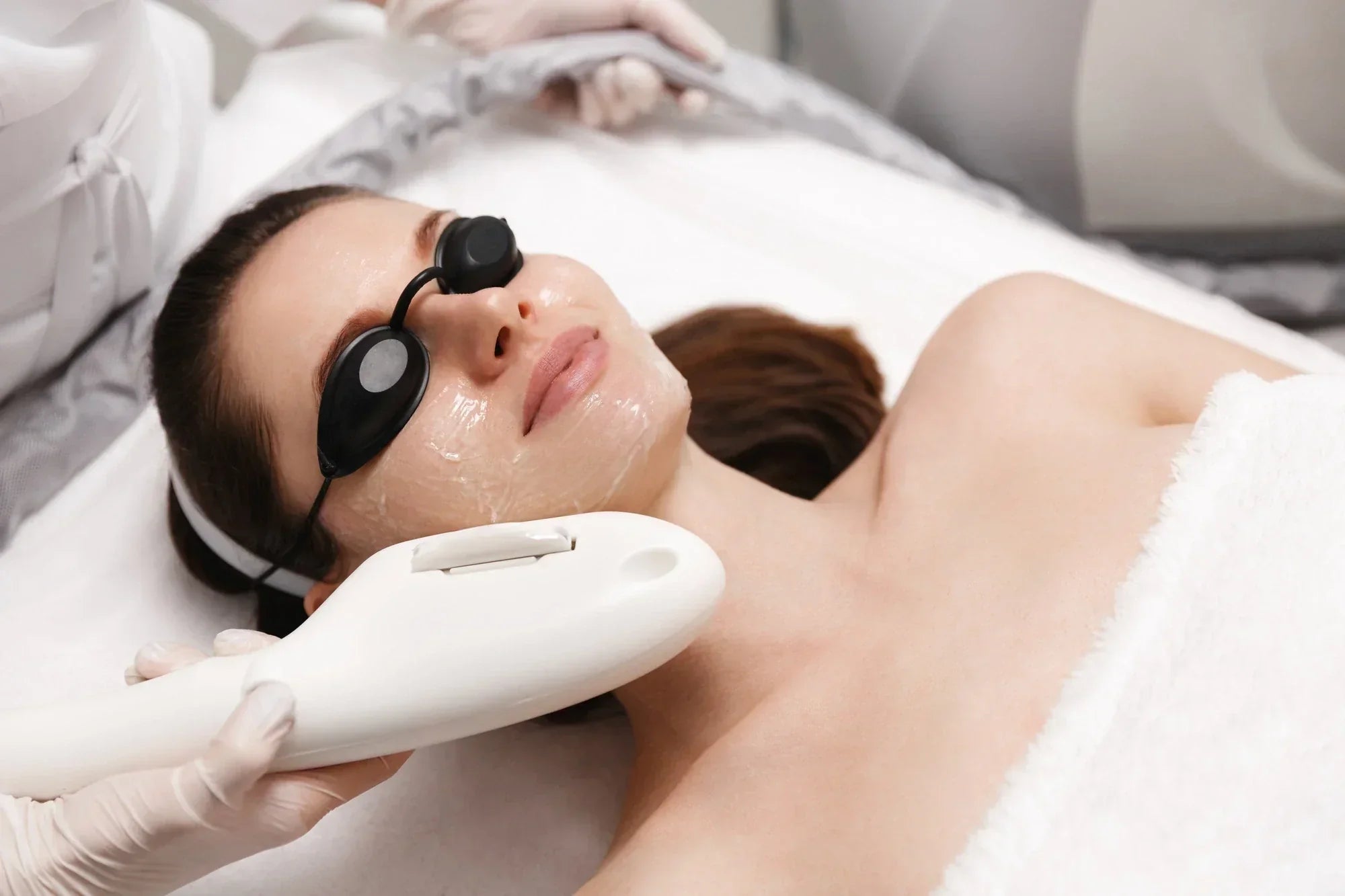
You’ll notice a distinctive response, so it helps to know what’s coming. Treated pigment darkens first, often described as looking like coffee grounds. It then flakes away over roughly five to seven days, taking the discoloration with it. Pre and post–care covers preparation and recovery, and what to expect from a BBL photofacial walks through how sessions are planned.
What the Research Shows
Light-based treatment for photodamage has more behind it than its cosmetic reputation suggests.
A pilot study at Stanford University School of Medicine examined gene expression in aged human skin before and after BroadBand Light treatment. It was led by Dr. Anne Lynn S. Chang and published in the Journal of Investigative Dermatology. Skin aging was associated with significantly altered expression of 2,265 coding and noncoding RNAs. Following treatment, 1,293 of those shifted toward the expression patterns seen in youthful skin. The treatments used an FDA-cleared Sciton system with the BBL® module.
The caveats matter as much as the finding. This was a pilot study, early-stage and small rather than a large controlled trial. That makes it a promising result rather than proof of a clinical outcome. What it suggests is that the effect on photodamaged skin may operate at a deeper level than the visible clearing of spots.
Why Fall Is the Right Time to Start
This is the part worth planning around, and it’s why providers see a rush every September.
Your skin needs to be at its natural tone, not tan. Because BBL® targets pigment, an active tan can change the treatment, mean postponing it to another time, or make you ineligible. The device works on melanin, and it can’t fully distinguish the pigment you want treated from the pigment you picked up on holiday. Once a tan fades, the settings can be matched to the pigment being treated, and the sun damage itself is easier to see and target.
The damage is at its most visible. Sun exposure over the summer deepens existing pigment and creates new spots, which surface as the tan recedes. Treating in autumn means treating everything the summer did, not only the part that has already surfaced.
The series falls in the low-exposure months. Most plans involve several sessions, and results build across them. Autumn and winter are the least exposed part of the year, so your skin recovers and improves while exposure stays low.
You arrive at next summer ahead. Finishing a course before the exposure season starts is worth planning for. You go into summer with even tone and a maintenance rhythm already in place.
When to Choose BBL
BBL® is built for pigment and vascular concerns. Brown spots, redness, visible vessels, the general unevenness that years of sun can leave behind: that’s exactly what BBL® targets.
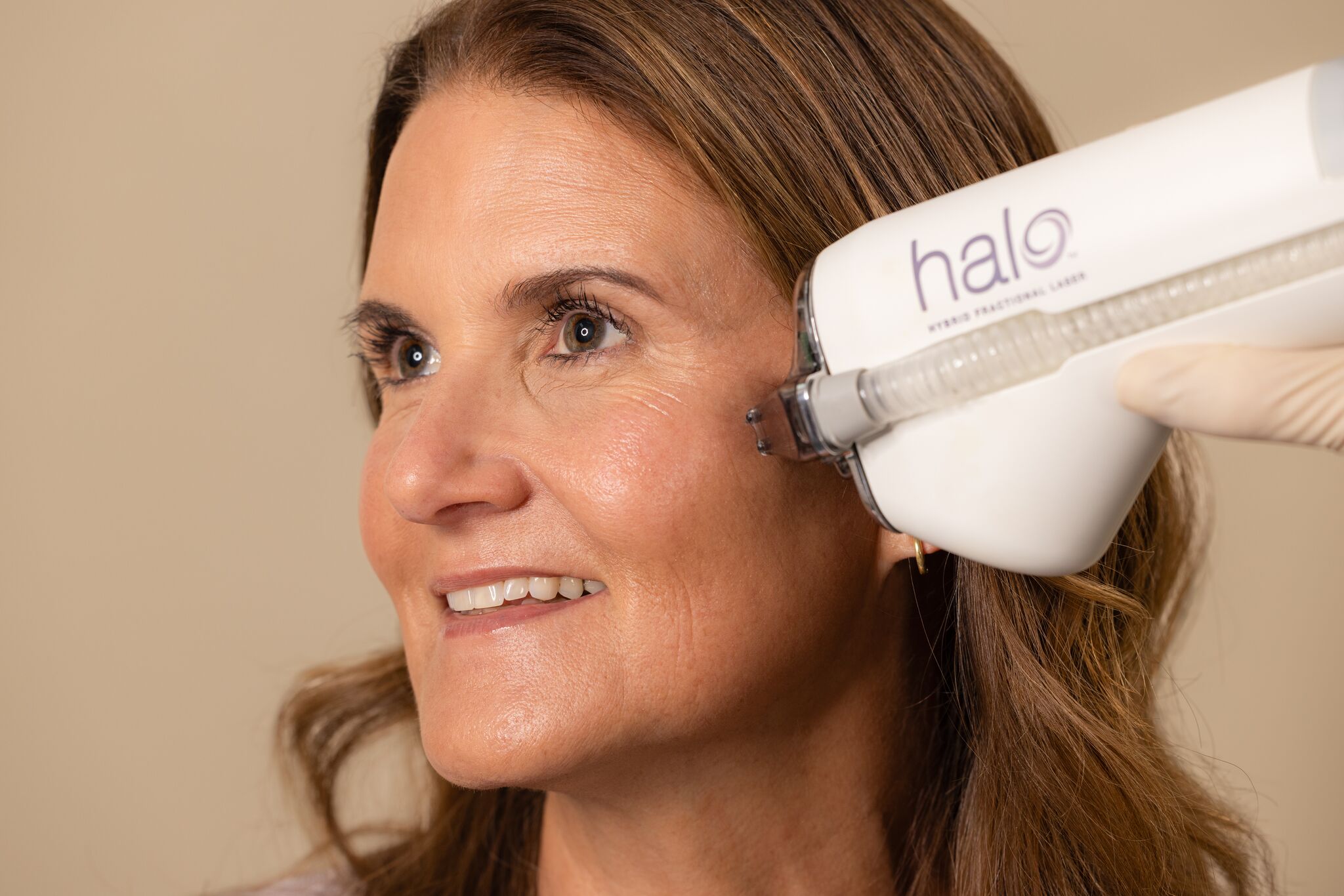
It isn’t a resurfacing treatment. Where the primary concern is texture, such as roughness, enlarged-looking pores, or fine lines, MOXI® and HALO®. Each one does a different job, and the right choice comes down to what your skin is actually showing.
Most sun-damaged skin involves a mix of both, which is why these treatments are often planned together. For patients who qualify, OVME performs HALO® and BBL® in the same session, so structure and pigment get addressed in one visit.
What a BBL Laser Treatment Costs
A BBL® photofacial is quoted by the treatment area and by the plan your provider builds, and OVME confirms the figure at a complimentary consultation before treatment.
Four things shape it:
-
The treatment area. A full face is not comparable to the face, neck, and chest.
-
The number of sessions. Most plans involve a series rather than a single appointment.
-
Whether you are booking a plan or a single visit.
-
The device and the provider’s expertise in selecting the appropriate settings and filters for the concern being treated.
You leave the consultation with the plan and its price once a provider has assessed your skin. You can also review OVME’s treatment pricing.
What Shapes Your Treatment Plan
Two things determine the shape of a plan more than anything else.
What your skin is showing. How much pigment is present, how deep it sits, and whether vascular concerns are part of the picture all change how many sessions are needed. This is harder to judge by eye than people expect.
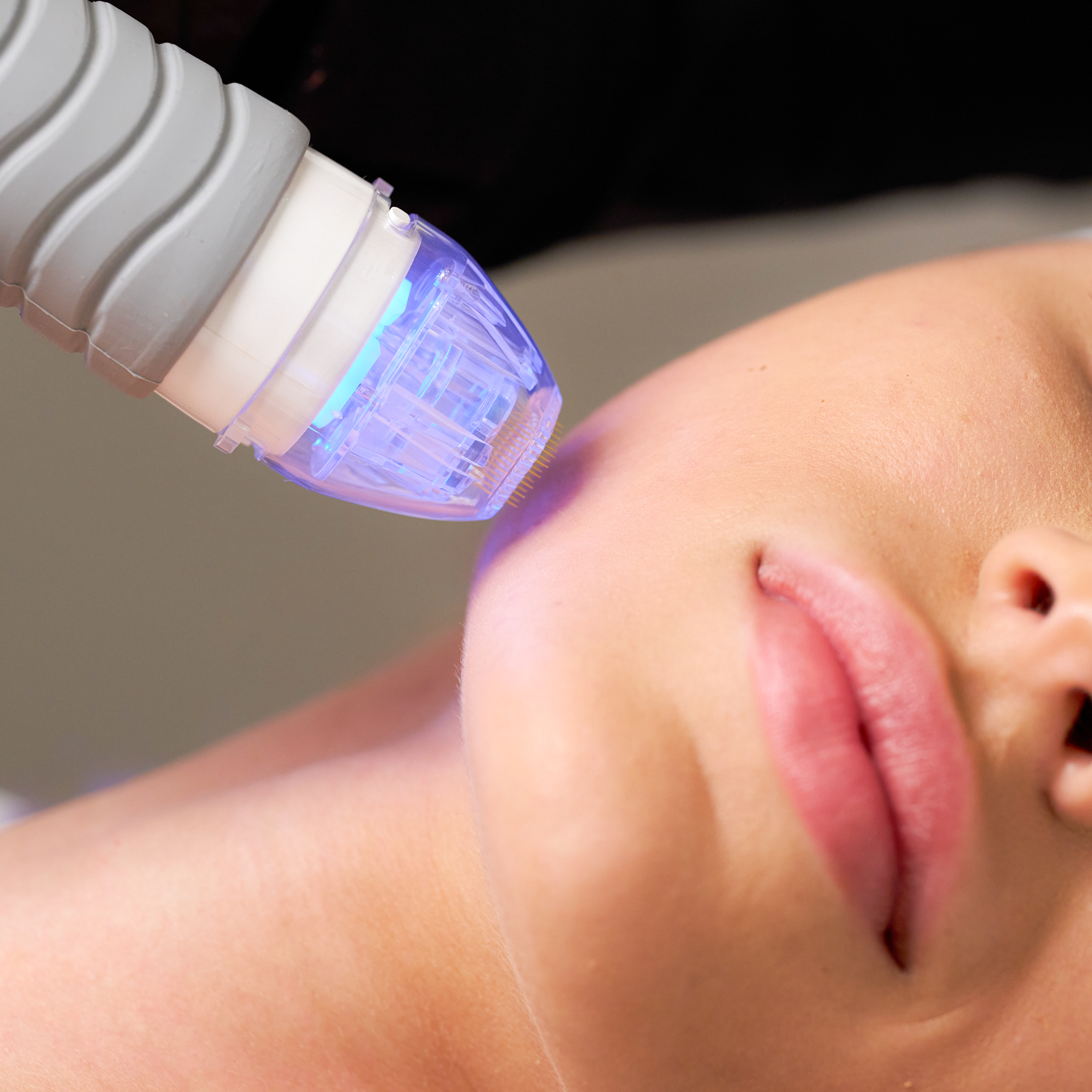
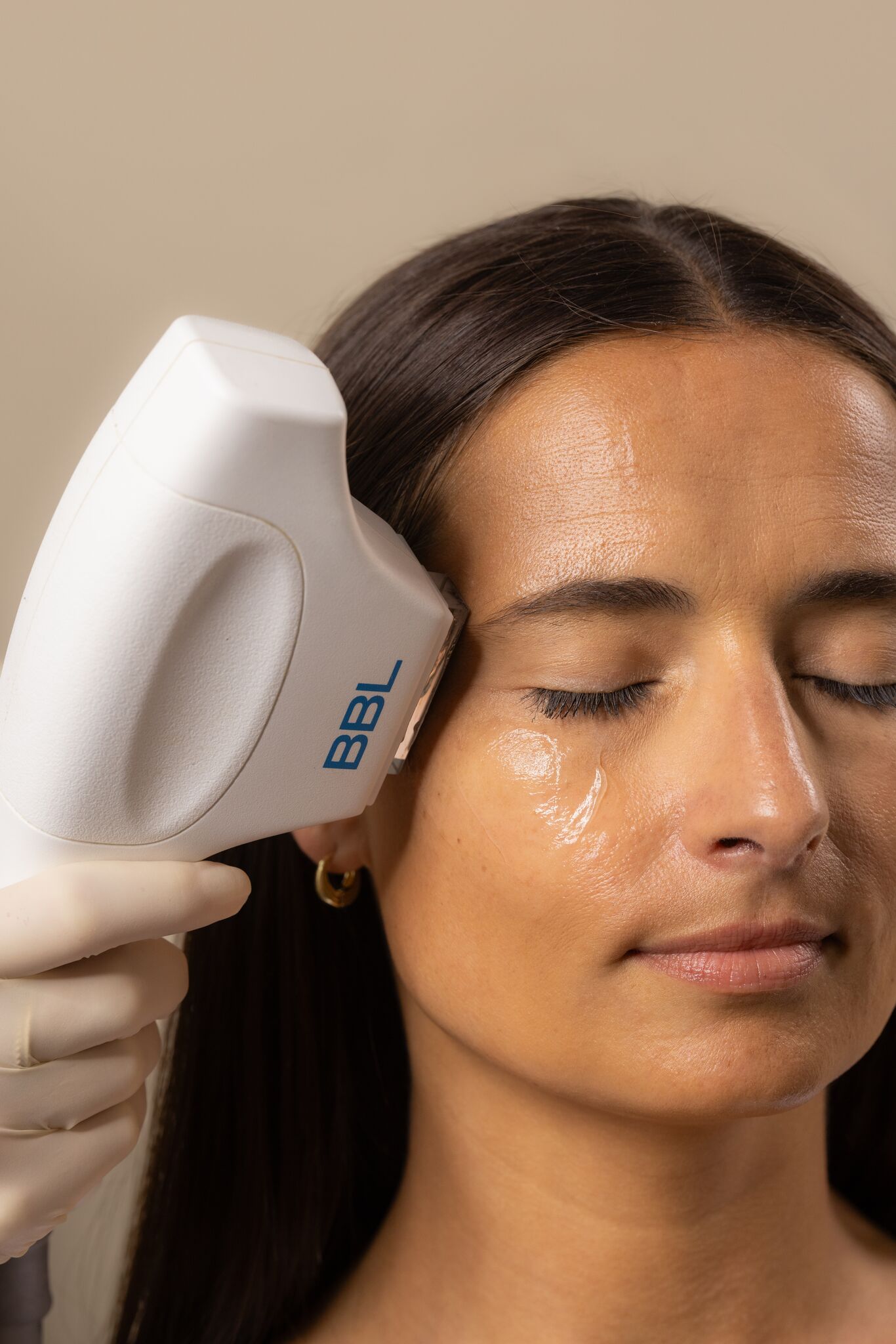
The device and the person operating it. Devices in this category differ in how much of the light spectrum they cover, how finely that light can be filtered, and how they protect your skin while working. BBL® covers a wide band of light and splits it through six different filters. That’s what lets your provider treat one concern at a time: a setting that stays nearer the surface for brown spots, a deeper one for redness and visible vessels. The handpiece cools your skin against a sapphire tip as it works, so the surface stays protected and the treatment stays comfortable. The more filter options a device offers, the more precisely a provider can match the setting to what they’re treating.
What Happens at Your Consultation
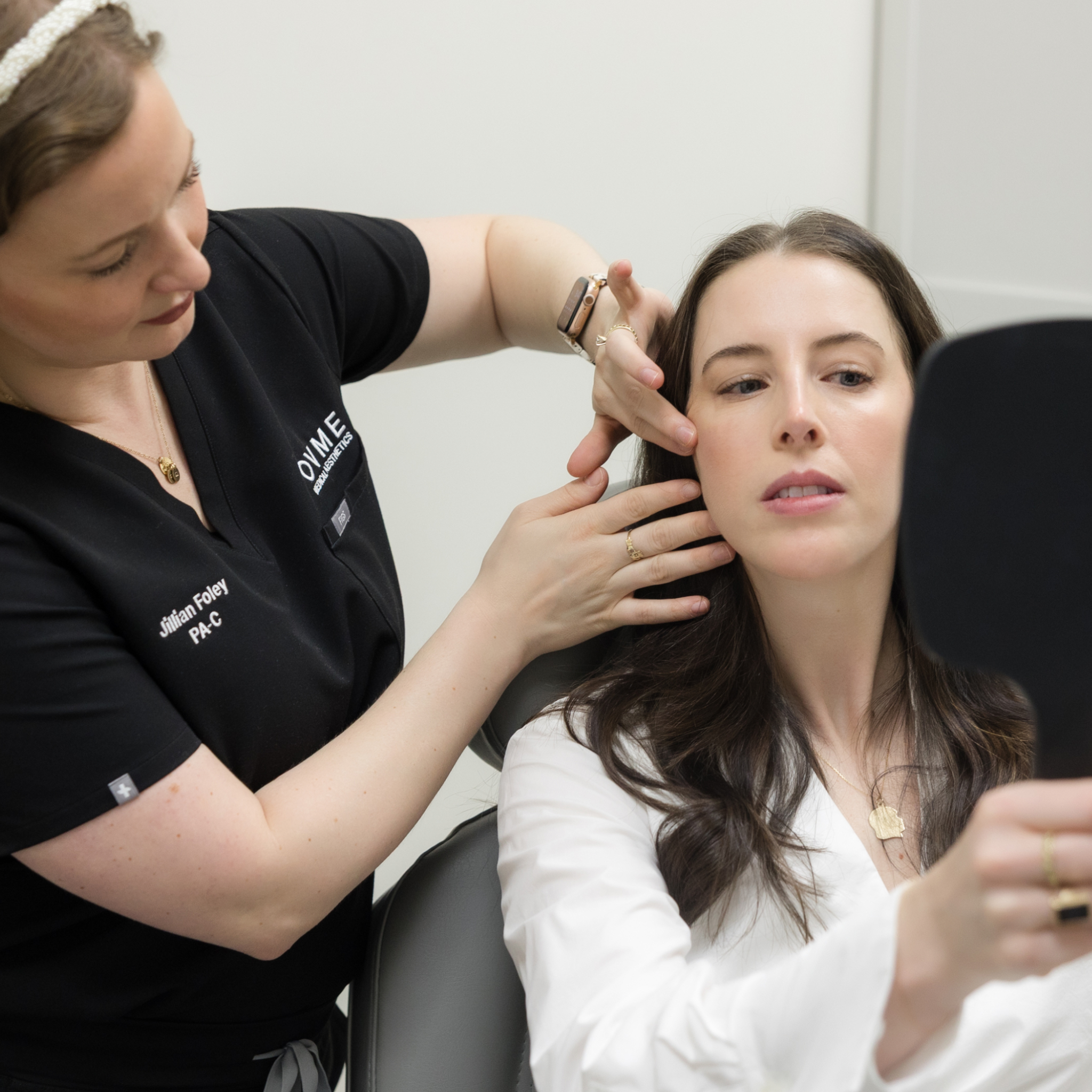
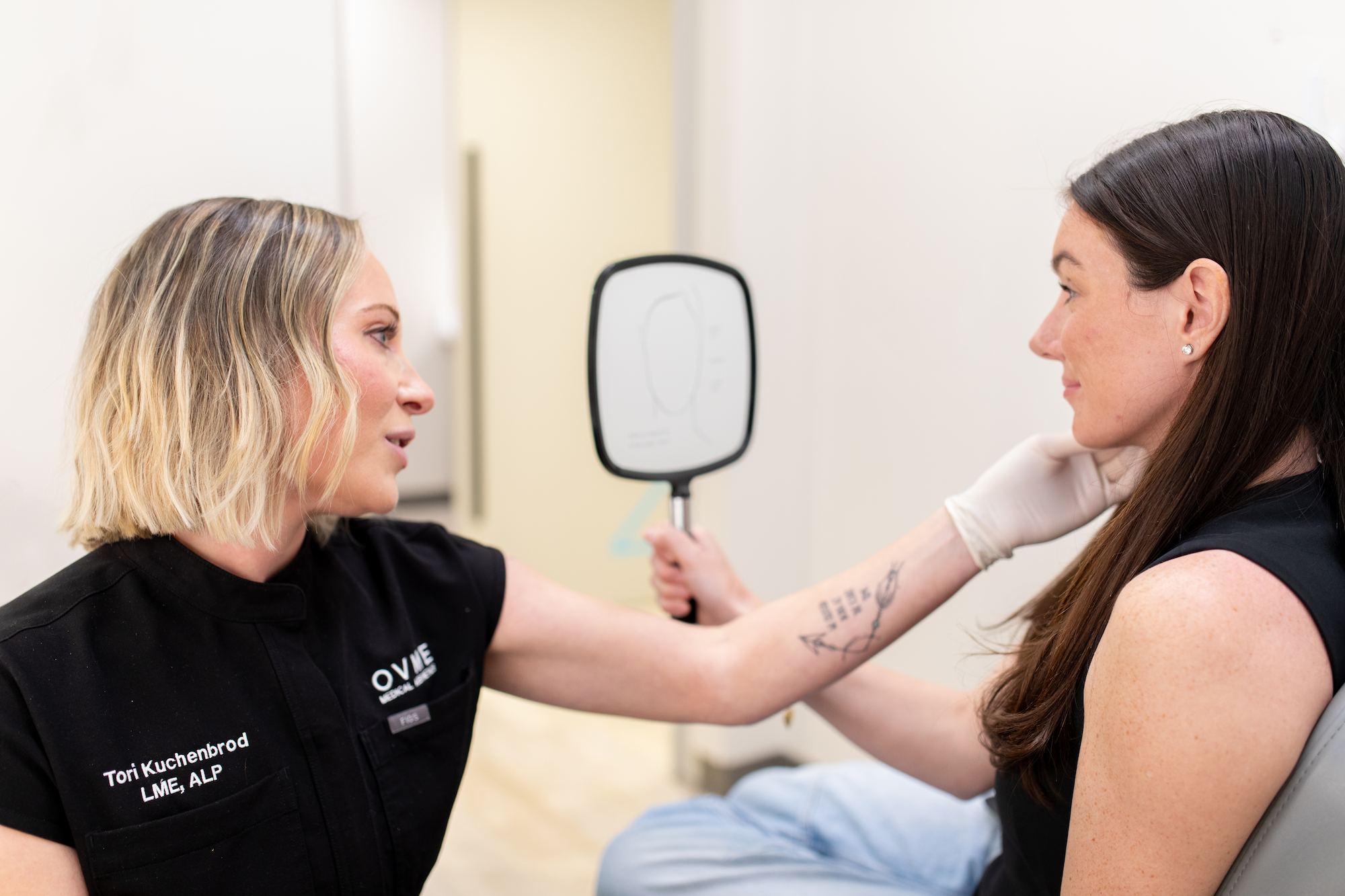
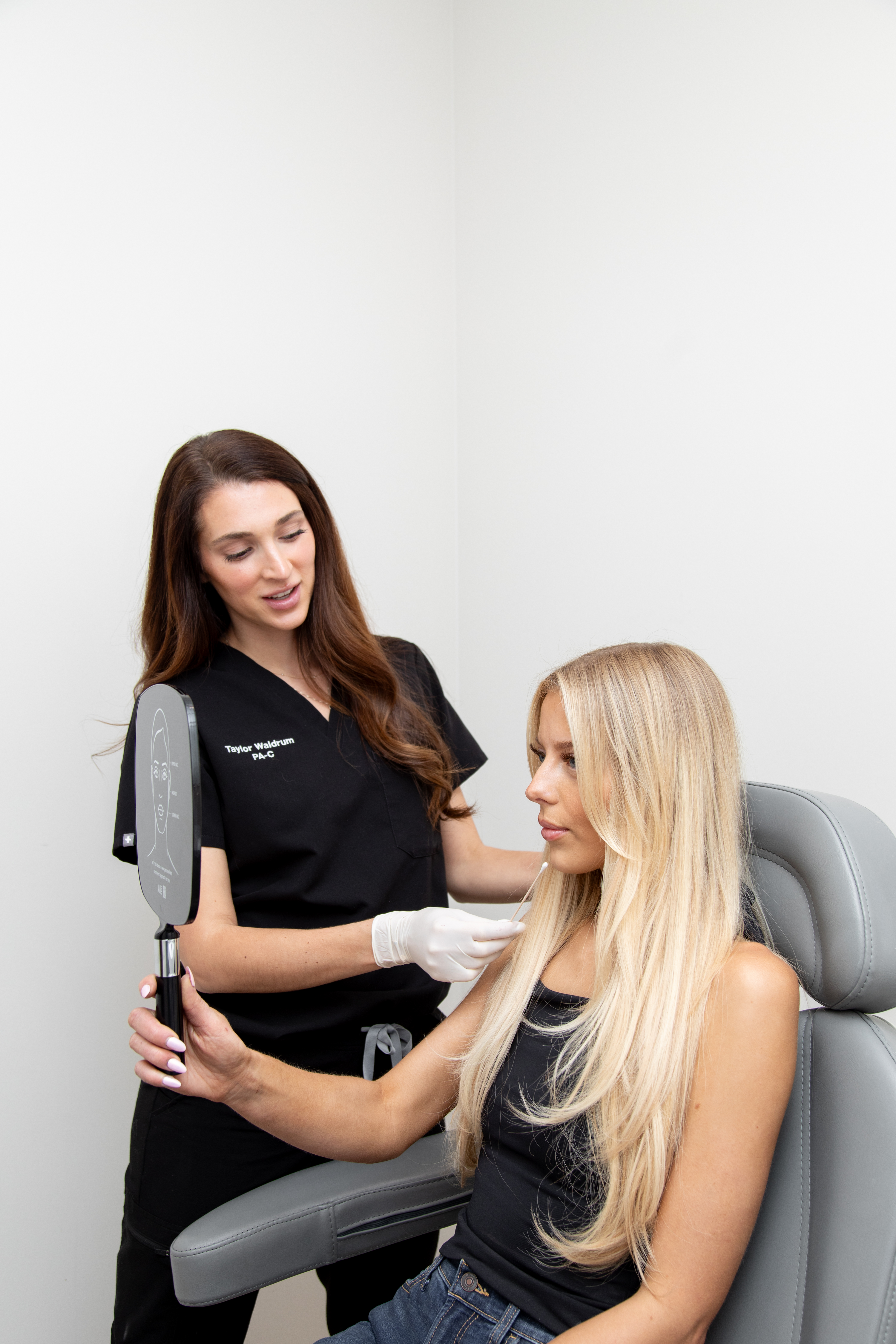
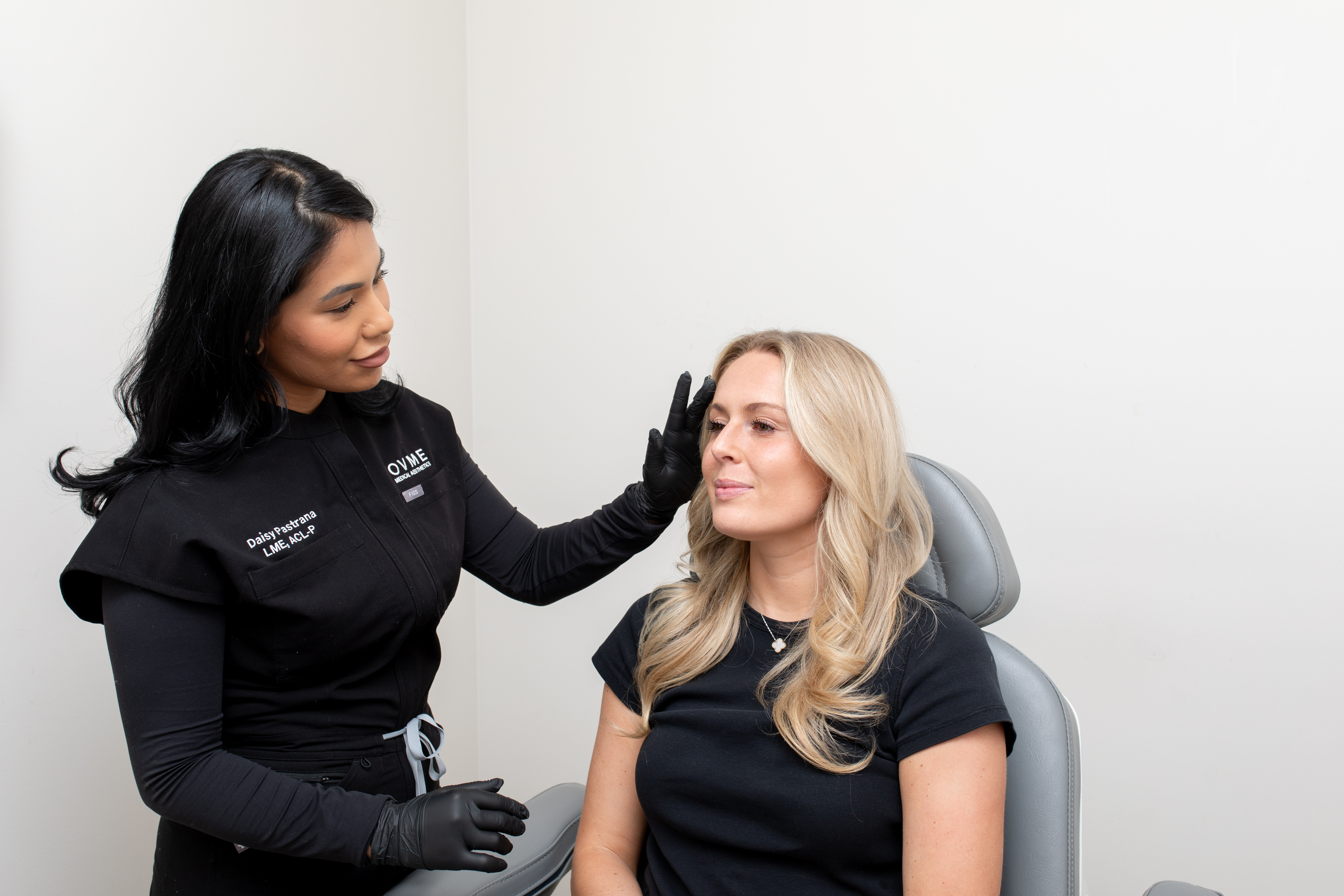
Every OVME skin consultation is complimentary, in-studio or virtually. In-studio consultations begin with VISIA® imaging, which measures pigmentation, sun damage, texture, and pore quality.
That matters more than it sounds when the concern is sun damage. VISIA® routinely reveals pigment sitting below the surface that has not yet become visible, which often changes how many sessions a plan includes. From there, you can expect a personalized plan with the reasoning behind each recommendation, and pricing provided prior to treatment.
Treatments are performed by registered nurses, nurse practitioners, physician assistants, and licensed aestheticians, all supervised by medical directors who are board-certified plastic surgeons.
Book Your Consultation
If this summer left its mark, autumn is the window to address it.
Book a complimentary consultation, in-studio or virtually, at your nearest OVME location or through the OVME app.
Frequently Asked Questions
What does a BBL laser treatment do?
A BBL® photofacial targets melanin and hemoglobin, the pigment and blood in your skin. That is why it works on brown spots and patches, freckling that has spread, diffuse redness across the cheeks and nose, and the fine visible vessels that surface over time. Because melanin and hemoglobin are treated in the same session, overall tone evens out.
How much does a BBL laser treatment cost?
A BBL® photofacial is quoted by the area being treated and by the plan your provider builds, so the figure is specific to your skin rather than fixed. Whether you are booking a plan or a single visit changes it, as does the device and the provider’s expertise in selecting the settings and filters. OVME provides transparent pricing at a complimentary consultation before treatment, once a provider has assessed your skin.
When is the best time to book a BBL laser treatment?
After summer, once an active tan has faded. BBL® targets pigment, so treatment is planned for when you are at your natural skin tone, not tan. That lets a provider match the settings to the pigment being treated, and it makes the sun damage easier to see. Starting in the cooler months also puts the series in the lower-exposure part of the year.
Is a BBL photofacial worth it?
It depends on whether your concern is one the treatment addresses directly. BBL® targets melanin and hemoglobin, so it works on brown spots, diffuse redness, visible vessels, and general sun damage. It is not a resurfacing treatment, so if texture or fine lines are your main concern, a different approach will serve you better. A consultation sorts that out before treatment.
Where can I get a BBL photofacial in the US?
BBL® photofacials are offered across OVME’s 28 boutique studio locations, including studios in Georgia, Texas, Tennessee, North Carolina, Illinois, Colorado, Minnesota, Virginia, Washington, D.C., South Carolina, and Florida. You can find your nearest studio and book a complimentary consultation through the OVME locations page or the OVME app.
Keep on reading