Microneedling Under Eyes: What It Treats and When to Use It
Eye cream has its limits. If you’ve been moisturizing diligently and your under-eyes still look tired — dark, crepey, fine-lined, hollow — the issue probably isn’t your routine. Most of what bothers people about their under-eye area lives in the deeper layers of skin: collagen loss, dermal thinning, pigmentation, and structural volume changes that surface skincare can’t reach.
Microneedling is one of the treatments that can actually address some of those deeper concerns. But it’s not the right answer for every under-eye complaint — and the area is delicate enough that provider experience matters more here than almost anywhere else on the face. This guide walks through what under-eye microneedling can and can’t do, how it compares to under-eye PRP and tear trough filler, and how OVME thinks about treatment planning for this anatomy.
What Microneedling Does for the Under-Eye Area
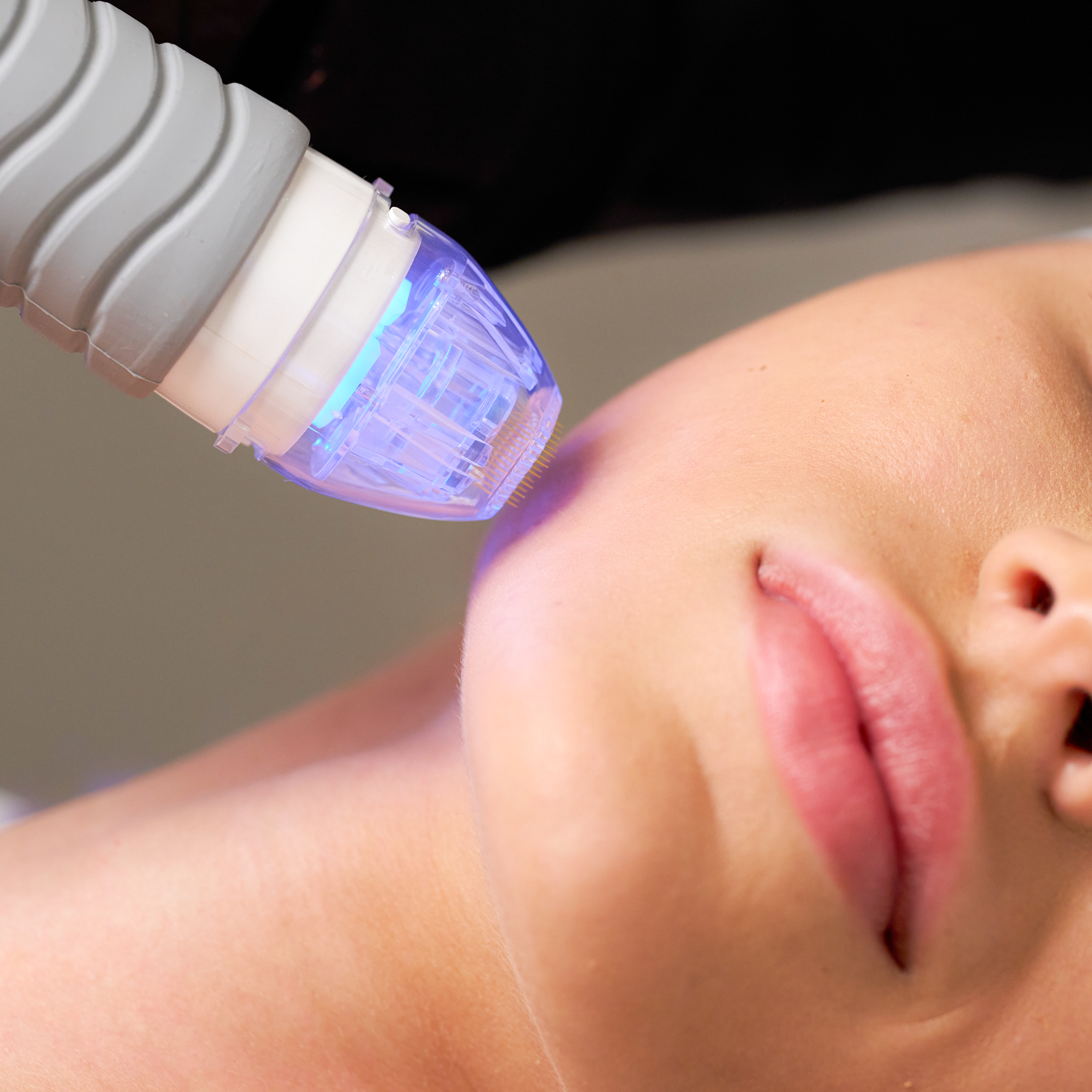
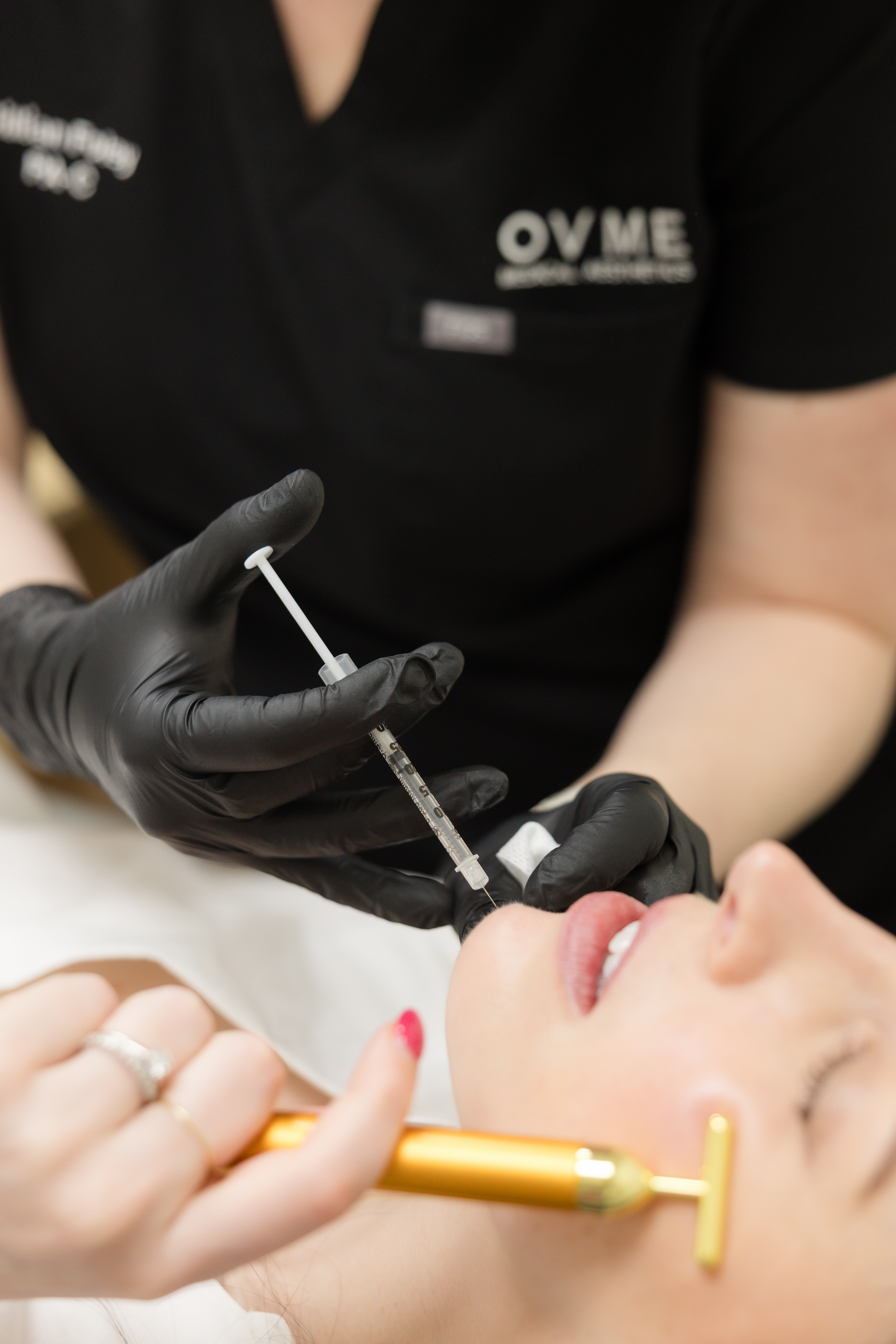
Microneedling creates controlled micro-injuries in the dermis using fine, sterile needles. Those micro-injuries trigger the skin’s natural wound-healing cascade, which stimulates new collagen production and can remodel the skin over weeks to months.
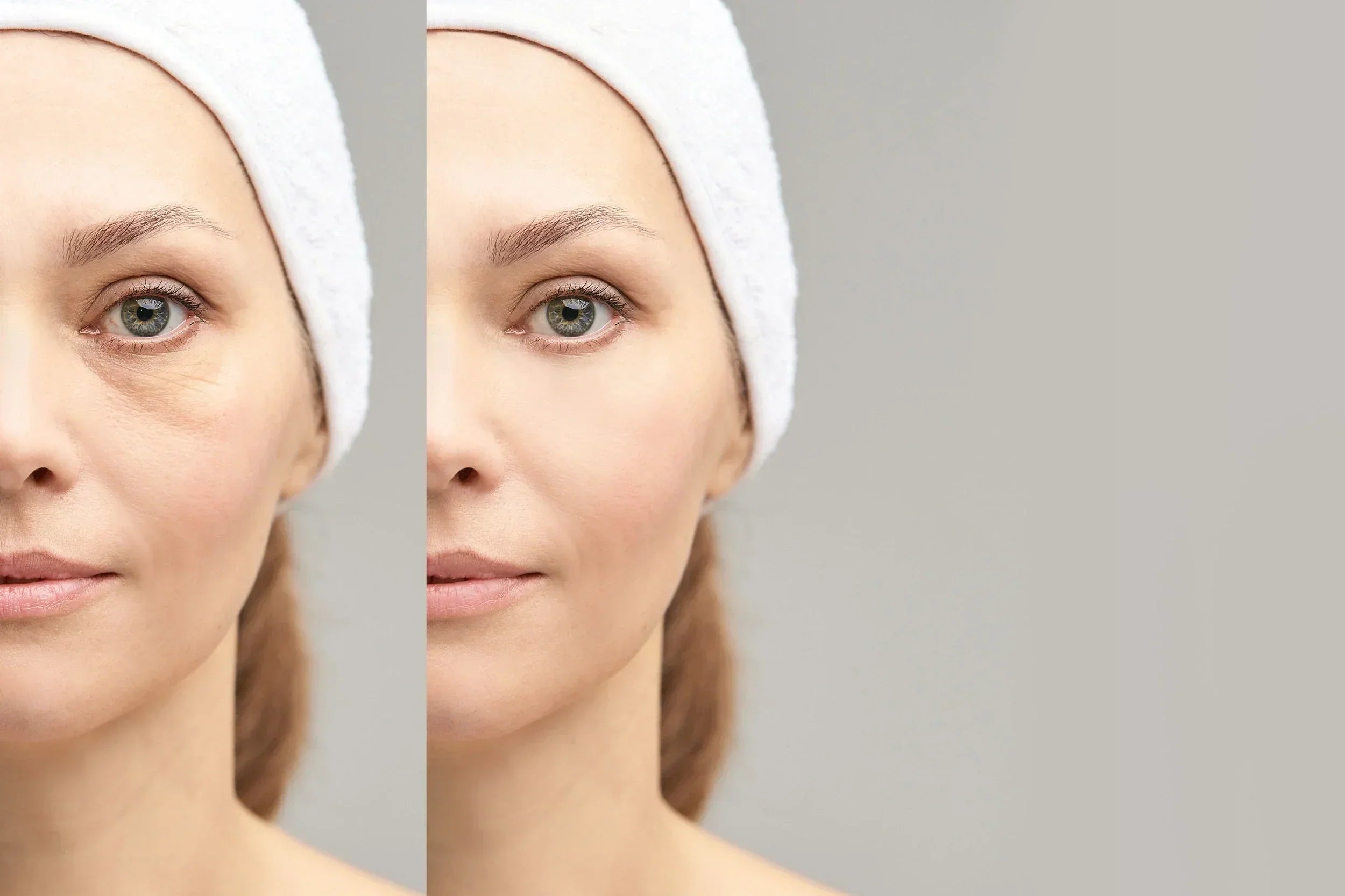
For under-eye skin specifically, that collagen response can do several useful things, and it’s one of the non-surgical options that can address dark circles and crepey under-eye skin:
-
Improve the look of thin, translucent skin by supporting collagen production in the dermis (a contributing factor when underlying blood vessels show through)
-
Smooth crepey texture by supporting the skin’s structural matrix
-
Soften fine lines around the orbital area
-
Help with pigmentation from post-inflammatory hyperpigmentation or sun damage, gradually over weeks as the skin heals and remodels
-
Support general skin quality in an area where topical products struggle to penetrate
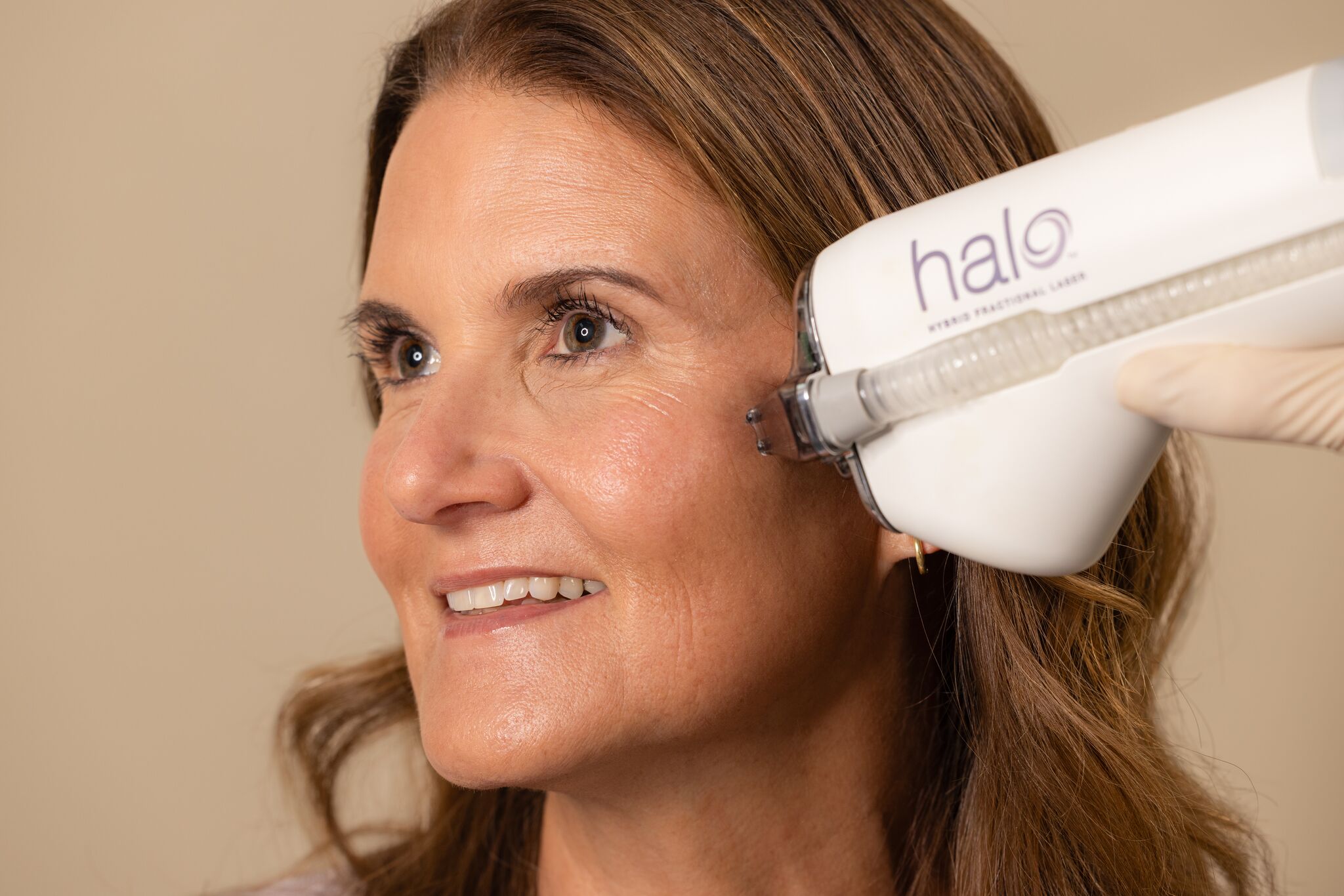
For under-eye treatment, OVME currently offers RF microneedling and SkinPen® microneedling, treatments that add energy into the deeper dermis to support collagen remodeling and skin tightening across a series of sessions.
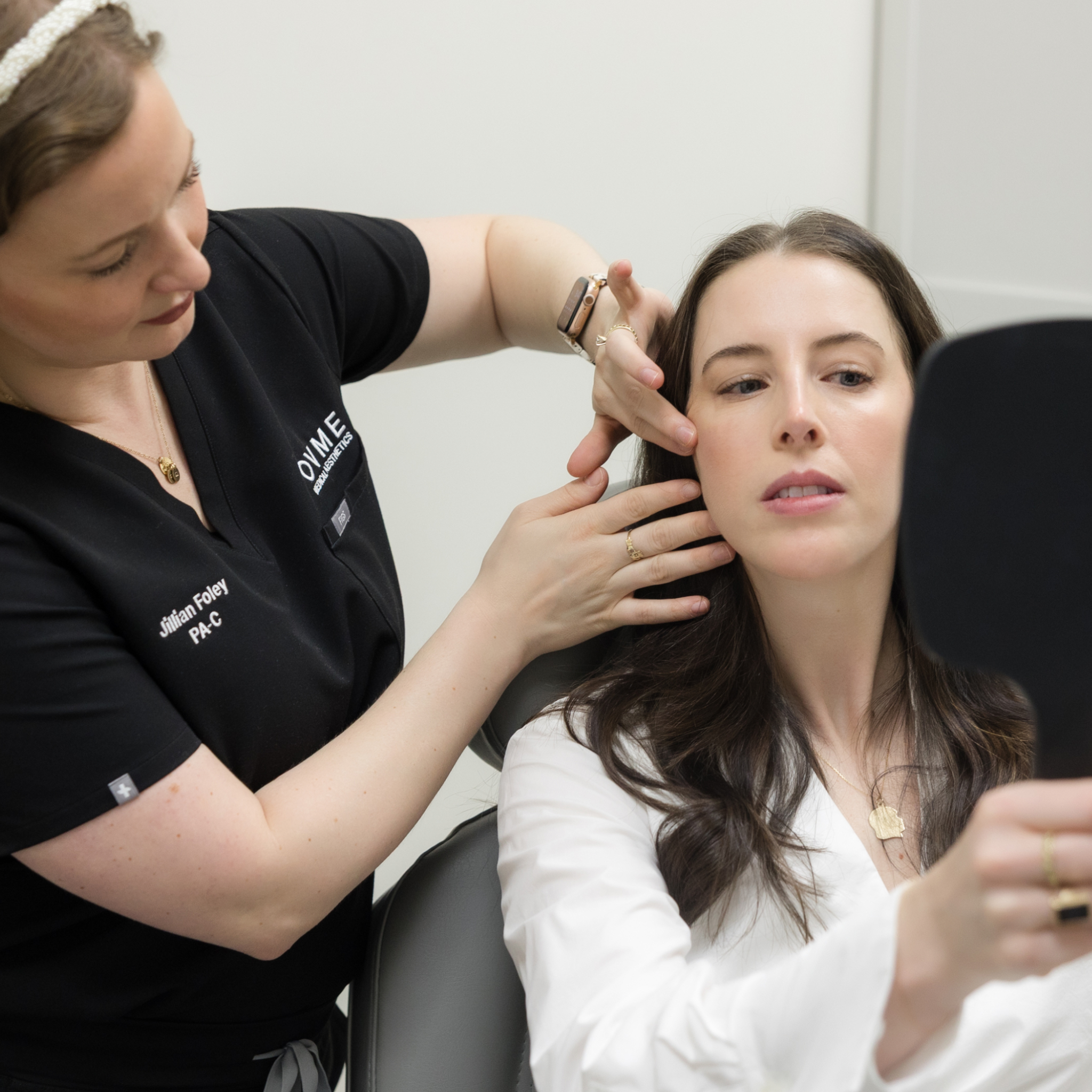
The skin around the eyes is significantly thinner than the rest of the face, the orbital bone limits maneuvering room, and there are small superficial blood vessels that bruise easily. Microneedling under the eyes isn’t a routine application of the same treatment used elsewhere; it requires a provider experienced with this specific anatomy.
What Microneedling Treats Under the Eyes
The best candidates for under-eye microneedling have concerns that microneedling’s mechanism — collagen stimulation in the dermis — can actually address:
-
Dark circles caused by thin skin showing underlying vessels. Supporting collagen in the dermis can improve skin quality and appearance over time.
-
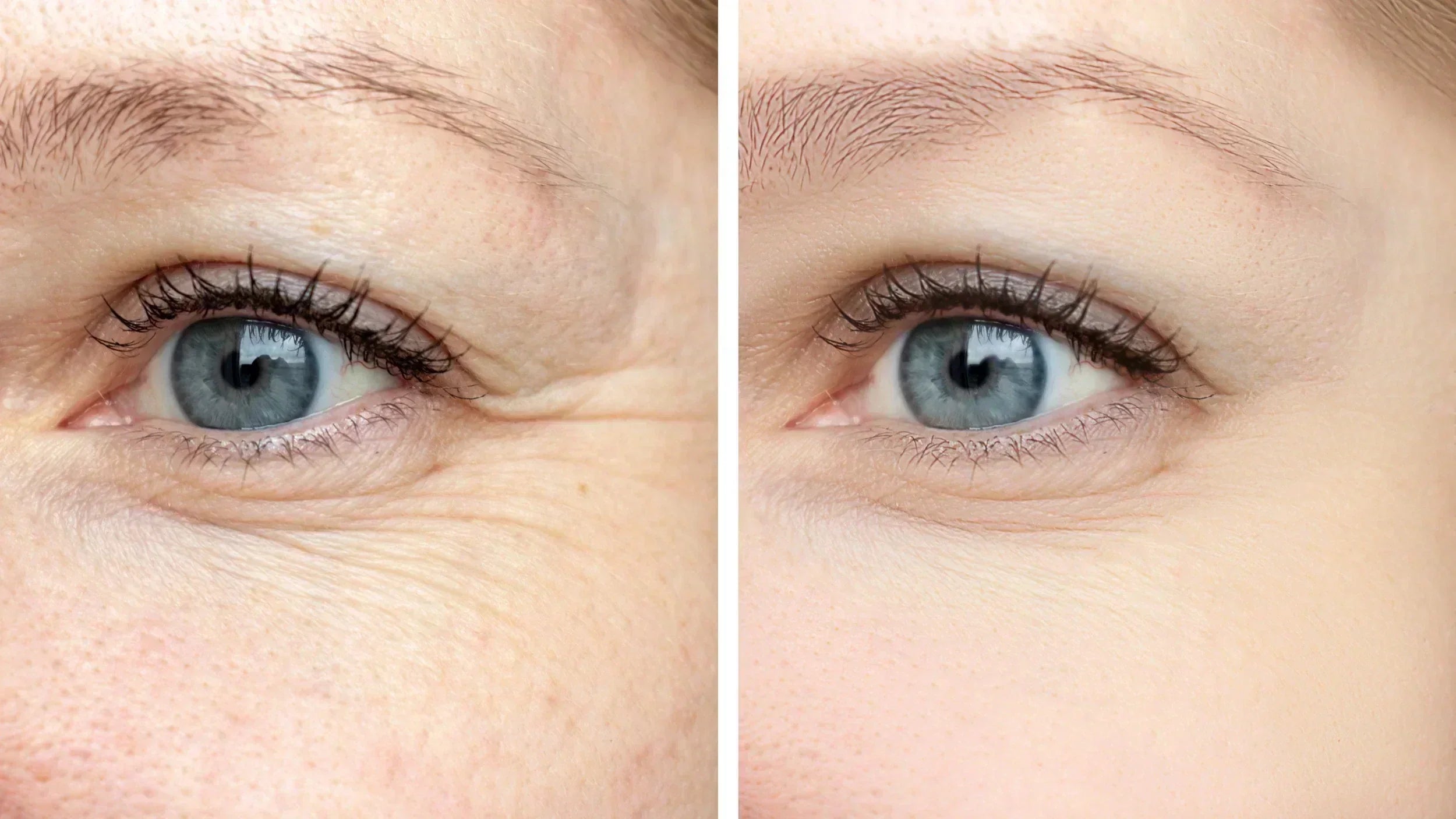
Crepey, thin skin with visible fine lines. Increased collagen helps restore some firmness and reduces the “tissue paper” appearance.
-
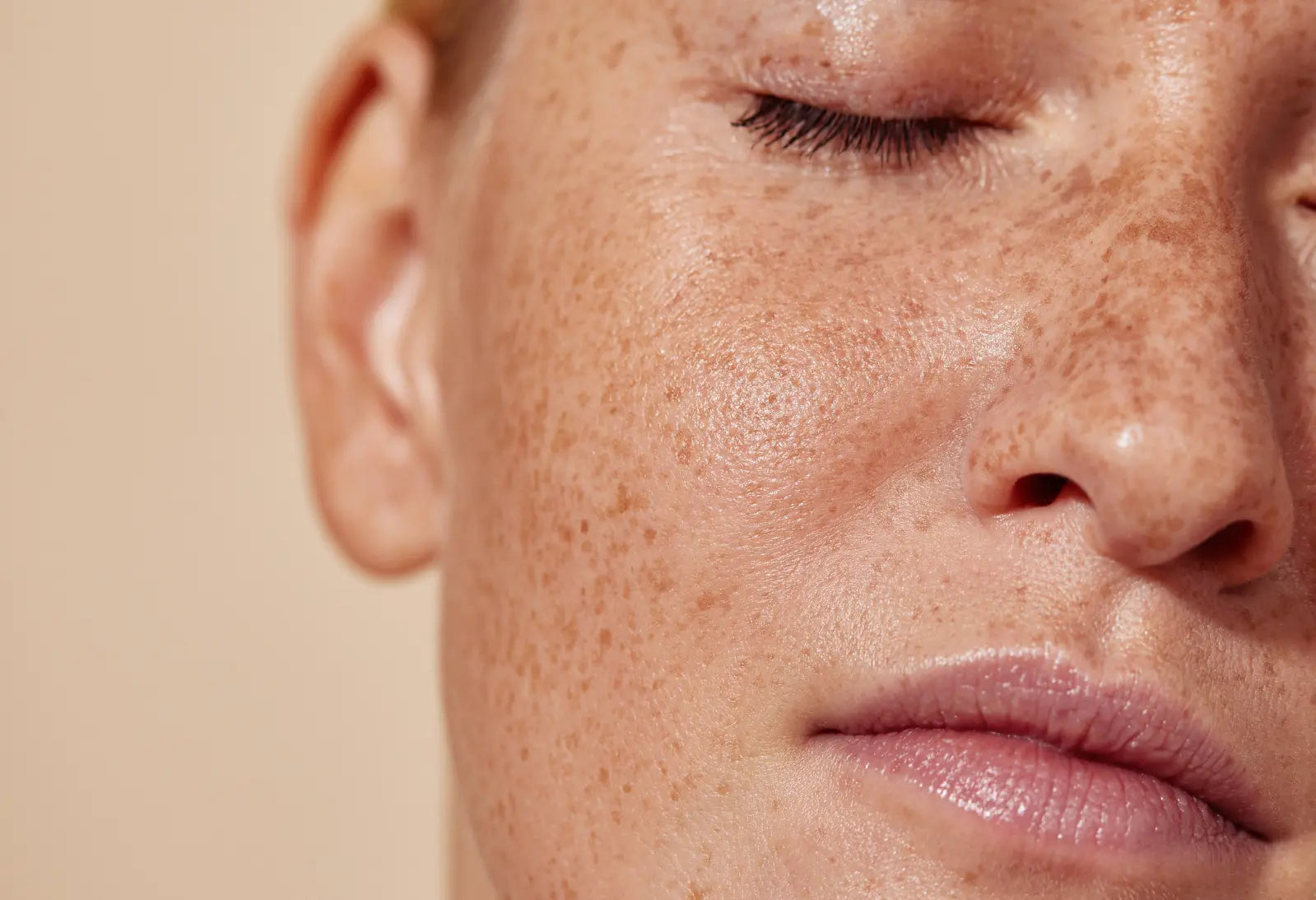
Hyperpigmentation from sun damage or post-acne marks. Microneedling can help improve some types of hyperpigmentation, with changes developing gradually as the skin heals and remodels.
-
Fine lines and early wrinkles around the orbital area, including the lateral “crow’s feet” zone.
-
General skin quality decline in patients in their 30s, 40s, and beyond, where natural collagen production has slowed.
What Microneedling Can’t Do for Under-Eyes
Setting realistic expectations matters more here than in many other treatment areas. Microneedling is not the right tool for:
-
Under-eye bags are caused by herniated fat pads. True “bags” — the puffy under-eye pouches that get worse with fatigue — are typically herniated orbital fat. Authoritative clinical sources, including Mayo Clinic and the American Society of Plastic Surgeons, describe these as most definitively addressed by lower eyelid surgery (blepharoplasty); non-surgical treatments like microneedling, PRP, or filler can improve skin quality around the bags but don’t resolve the underlying fat herniation.
-
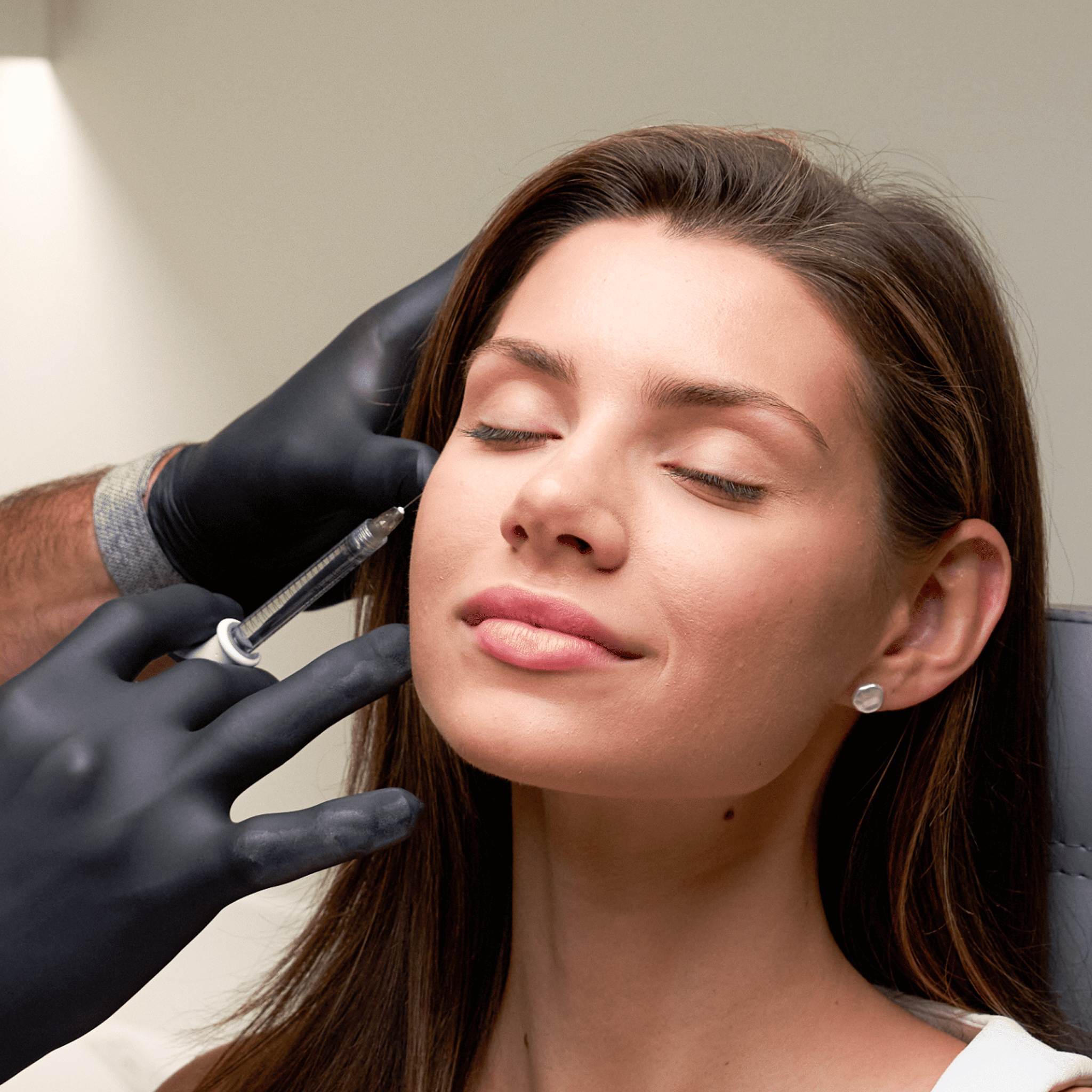
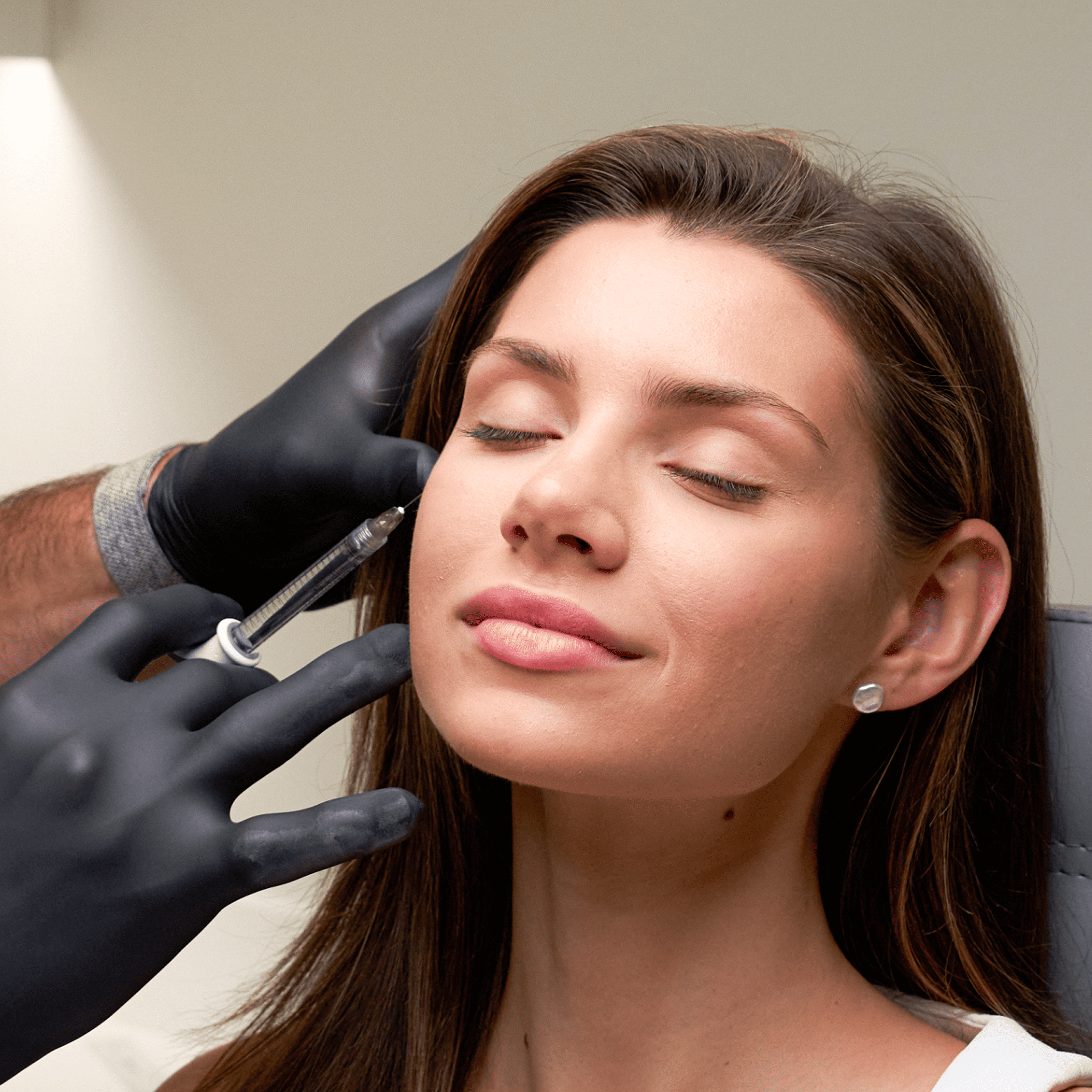
Significant hollowness or volume loss. When the under-eye area is genuinely hollow — creating shadow and aging the appearance — tear trough HA filler (Juvederm®, Restylane®) is typically the more direct solution. Microneedling can support skin quality alongside filler, but it doesn’t add volume.
-
Vascular dark circles are caused by genetically prominent or dilated blood vessels under thin skin. Under Eye PRP — which uses platelet-derived growth factors to support fibroblast activity, collagen, and overall skin quality in the orbital area — or specific laser treatments may be more effective in these cases.
-
Allergic dark circles are caused by chronic congestion, allergies, or sinus issues. The underlying cause needs medical treatment; topical or aesthetic procedures don’t address the root condition.
A consultation with a provider experienced in the orbital area is the only reliable way to determine which category your concern falls into.
Microneedling vs Under Eye PRP vs Tear Trough Filler — A Decision Guide
The three most common under-eye treatments at a medspa do different things:
|
Concern |
Microneedling |
Under Eye PRP |
Tear Trough Filler |
|---|---|---|---|
|
Thin skin / crepey texture |
✓ (collagen build) |
✓ (growth factors) |
— |
|
Dark circles from thin skin |
✓ |
✓ |
— |
|
Dark circles from hollowness |
— |
— |
✓ |
|
Fine lines |
✓ |
partial |
— |
|
Volume loss/hollowness |
— |
— |
✓ |
|
Under-eye bags (herniated fat) |
— |
— |
— (surgical) |
|
Hyperpigmentation |
✓ |
partial |
— |
|
Result timeline |
Gradual (weeks to months) |
Gradual (weeks to months) |
Immediate |
|
Result duration |
Months to a year+ |
Months |
Up to ~18 months on average |
Many patients use these together as part of a sequenced plan — for example, filler for structural volume + microneedling for skin quality over time. The right plan depends on what’s actually causing your under-eye concern.
Under-Eye Microneedling: Pain, Recovery, and Sessions
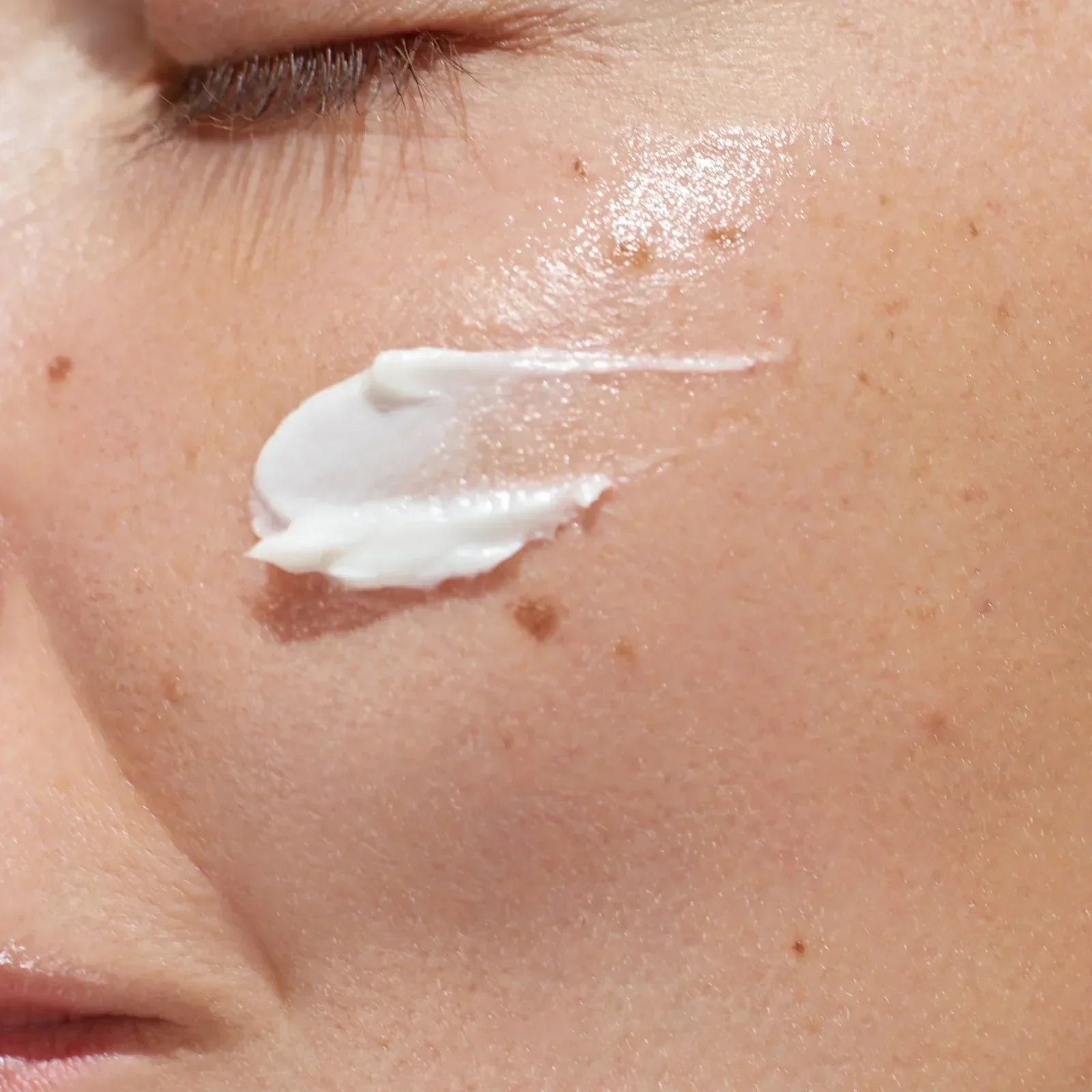
During the treatment, Topical numbing cream is typically applied for about 30 to 45 minutes before the procedure (the exact time varies by product and provider protocol). Sensation during microneedling around the eyes is typically pressure and mild tingling. The orbital area is more sensitive than the rest of the face — most patients report a brief, manageable discomfort rather than sharp pain.
Day 1 to 3, recovery: Redness similar to a sunburn, occasional small pinpoint scabbing, and mild swelling are common. Bruising can occur in the delicate under-eye area; the orbital region’s thin, vascular skin is generally regarded as more prone to bruising than other facial zones. Most patients return to work within 24 to 48 hours; mineral sunscreen and gentle skincare are recommended, and makeup is typically delayed for 24 to 48 hours to let the skin barrier close.
Week 1 to 2: Redness resolves. A subtle initial brightness develops. Bruising, if present, typically resolves within about a week, though timing varies.
Months 1 to 3: Collagen response builds gradually. Texture improvements and pigmentation softening become visible as the skin remodels. Timing varies by individual.
Treatment plan: Microneedling is typically performed as a series of monthly sessions — often in the range of 3 to 6 — with the exact number tailored to your skin and goals. A single session can produce a brightness boost, but rarely the structural changes patients are seeking. The microneedling under the eyes before and after timeline most patients plan around runs through the full series — meaningful change typically becomes visible after a few weeks and continues over several months, not at week 1. Maintenance intervals after the initial series are individualized.
At OVME, the under-eye area is treated as part of a comprehensive, full-face microneedling plan rather than a standalone service; the skin around your eyes ages in concert with the rest of your face, and treating the whole face delivers more balanced, natural results. Cost depends on your customized plan and number of sessions, all discussed openly during your complimentary consultation, including any package savings, before you book.
What to Know Before Booking Under-Eye Microneedling
The under-eye area is the most delicate part of the face to treat with microneedling. Side effects are generally mild and temporary, but a few considerations are worth knowing in advance — they’re minor elsewhere on the face but more relevant in the orbital area:
-
Bruising — the thin, vascular under-eye skin is generally regarded as more prone to bruising than other facial zones
-
Swelling — may persist 24 to 48 hours
-
Pigment changes — uncommon, but darker skin tones may be more susceptible to post-inflammatory hyperpigmentation if the technique or depth is too aggressive, which is why provider experience matters disproportionately here
-
Vascular considerations — the orbital region contains dense, critical vasculature (including branches of the ophthalmic and infraorbital arteries), and an experienced provider knows how to control depth and pressure accordingly
These risks are well-managed by providers experienced with the under-eye area. The single most important variable is choosing a licensed medical provider with specific training in orbital-area microneedling, not a general practitioner who handles all face areas the same way.
Ready to Talk About Your Under-Eye Concerns?
If your under-eye concern has been outpacing your eye cream, the right next step is a complimentary consultation — not a commitment to a single treatment. Your provider — a licensed registered nurse, nurse practitioner, or physician assistant supervised by medical directors who are board-certified plastic surgeons — takes VISIA® imaging and your goals into account, then recommends the right combination for your anatomy.
For under-eye concerns, OVME’s menu includes three distinct tools that work alone or in sequence: microneedling and RF microneedling for collagen-stimulating work on thin skin, crepey texture, and fine lines; Under Eye PRP for growth-factor-based regenerative care in the orbital area; and tear trough HA filler (Juvederm®, Restylane®) for true volume loss, creating hollowness or shadowing.
Book through the OVME app or find a studio location near you. For a broader context on OVME’s texture treatment philosophy, see the best treatment for skin texture guide.
Frequently Asked Questions
What are the risks of microneedling under the eyes?
The under-eye area is delicate, so common, temporary effects include bruising, transient swelling, and redness, with rare cases of nodule formation or pigment changes if the technique or depth is incorrect. The skin around the eyes is thinner than the rest of the face, which is why under-eye microneedling requires a provider experienced specifically with this anatomy. At a qualified medspa or dermatology practice, the risk profile is well-managed; the most important variable is provider experience with the orbital area.
What’s the best treatment for bags under your eyes?
It depends on what’s causing the “bags.” True bags are typically herniated fat pads, and authoritative clinical sources agree that those are most definitively treated with lower eyelid surgery (blepharoplasty), not non-surgical options. What microneedling, Under Eye PRP, and tear trough filler can address are different concerns: dark circles, hollowness, crepey texture, fine lines, and hyperpigmentation. A consultation with a licensed provider determines which concern you’re actually dealing with and which treatment — or combination — fits.
How many sessions of microneedling do you need for the under-eyes?
Microneedling is typically performed as a series of sessions spaced about a month apart — often 3 to 6 treatments — though the exact number is individualized based on skin quality and goals. Results develop gradually as collagen builds, with visible changes commonly appearing over a few weeks to several months. After the initial series, your provider may recommend periodic maintenance sessions to support results — the interval is individualized rather than a fixed schedule.
Microneedling vs under-eye filler, which is better?
They solve different problems. Tear trough filler adds immediate volume to hollow areas under the eyes — best for true volume loss, creating shadowing. Microneedling stimulates collagen and addresses skin texture, fine lines, crepey skin, and some pigmentation, with gradual results over months. If your concern is hollowness, filler is usually the right tool. If it’s texture, fine lines, or skin quality, microneedling is the better fit. Many patients benefit from both, used together in a sequenced plan.
Can microneedling fade dark circles permanently?
Microneedling can improve the appearance of dark circles caused by pigmentation or thin, crepey skin, allowing underlying vessels to show through. It works by stimulating collagen production and supporting epidermal repair, which can gradually improve skin quality and appearance. Results are long-lasting but not permanent — natural aging continues, and most patients benefit from periodic maintenance sessions. For dark circles caused by deep volume loss (hollowness), filler is typically more effective; for vascular dark circles caused by blood-vessel visibility, treatments like PRP or specific lasers may be a better fit.
Keep on reading